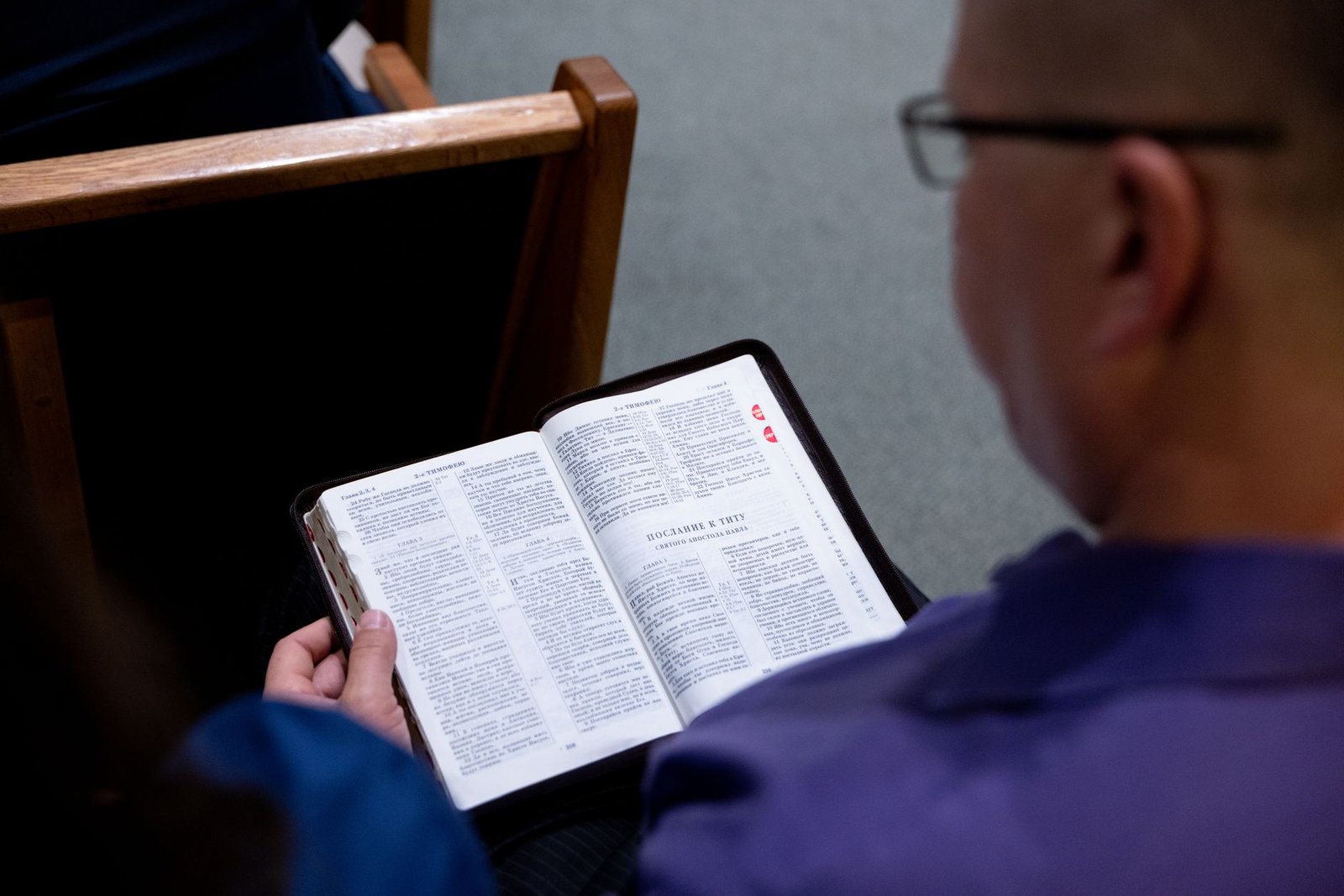

In a world that often seems to prioritize results over righteousness, the importance of integrity in the lives of Christian children cannot be overstated. Integrity—defined as the quality of being honest and having strong moral principles—serves as a crucial foundation for character development. As parents, educators, and community leaders, we have a responsibility to instill these values in the younger generation. This post explores the concept of integrity through a Christian lens, offering practical advice and strategies for nurturing honest, faithful children.
Understanding Integrity from a Christian Perspective
Integrity, when viewed through the lens of Christianity, is deeply rooted in biblical teachings. The Scriptures emphasize honesty, truth-telling, and steadfastness in one’s values. Here are some key biblical passages that underline the essence of integrity:
- Proverbs 10:9: “Whoever walks in integrity walks securely, but whoever takes crooked paths will be found out.”
- Psalm 78:72: “And David shepherded them with integrity of heart; with skillful hands, he led them.”
- Ephesians 4:25: “Therefore each of you must put off falsehood and speak truthfully to your neighbor, for we are all members of one body.”
Understanding these teachings provides a strong foundation for discussions about integrity with children. It encourages them to reflect on their actions and the impact those actions have on their lives and the lives of others.
The Importance of Integrity in Daily Life
Teaching integrity is not just about instilling a moral compass; it’s about fostering a holistic approach to decision-making that aligns with Christian values. Here are several reasons why integrity is essential for Christian children:
- Trustworthiness: Children with integrity are seen as trustworthy by their peers and adults. This trust lays the groundwork for meaningful relationships and future opportunities.
- Self-Respect: Living with integrity helps children maintain self-respect and confidence. They learn that being honest, even when it’s difficult, is ultimately rewarding.
- Guided Decisions: Children who embody integrity are better equipped to make choices aligned with their faith, prioritizing moral principles over societal pressures.
- Resilience: In a world where dishonesty can lead to temporary gains, integrity equips children with the resilience to stand firm in their values, regardless of external circumstances.
Practical Strategies for Promoting Integrity
To foster a culture of integrity in your home or community, consider implementing these practical strategies:
1. Model Integrity Yourself
Children learn more from what they observe than from what they are told. Show them what integrity looks like in your actions. Here’s how to effectively model integrity:
Related Posts:




- Be Honest: Even in small matters, demonstrate honesty and take responsibility for your actions.
- Stick to Your Word: If you promise something, whether big or small, make every effort to fulfill it.
2. Create an Open Dialogue
Encourage discussions about integrity through open conversations. Here are some conversation starters:
- Ask about their day and any challenges they faced regarding honesty.
- Discuss relevant scenarios from their favorite stories or movies that relate to integrity.
- Share personal stories when you faced choices that tested your integrity.
3. Provide Real-Life Scenarios
Role-playing can be an effective way to teach children about integrity. Here are some scenarios you might consider:
- Returning Lost Items: Discuss what they would do if they found someone’s wallet or phone.
- Peer Pressure: Talk about situations where friends might encourage them to cheat or lie, and brainstorm ways to respond.
4. Recognize and Praise Integrity
When your child demonstrates integrity, make sure to acknowledge their actions. This positive reinforcement can help solidify the value of being honest. Consider saying:
- “I’m so proud of you for telling the truth, even when it was hard.”
- “You made a great choice by standing up for what is right!”
5. Incorporate Scripture into Daily Life
Make biblical teachings a part of your family’s routine. This might include:
- Reading Scripture that emphasizes honesty and character.
- Praying for guidance in making truthful and moral decisions.
Conclusion: The Legacy of Integrity
Incorporating integrity into the upbringing of Christian children is an investment in their future. By fostering a sense of honesty and moral courage, we equip them to navigate life’s challenges with confidence and grace. As they grow, these values will not only impact their personal lives but can also ripple out to influence their communities positively. Remember, integrity isn’t just a lesson—it’s a lifelong endeavor, one that requires ongoing vigilance and commitment. Together, let’s nurture a generation grounded in integrity, capable of making the world a better place, one honest action at a time.