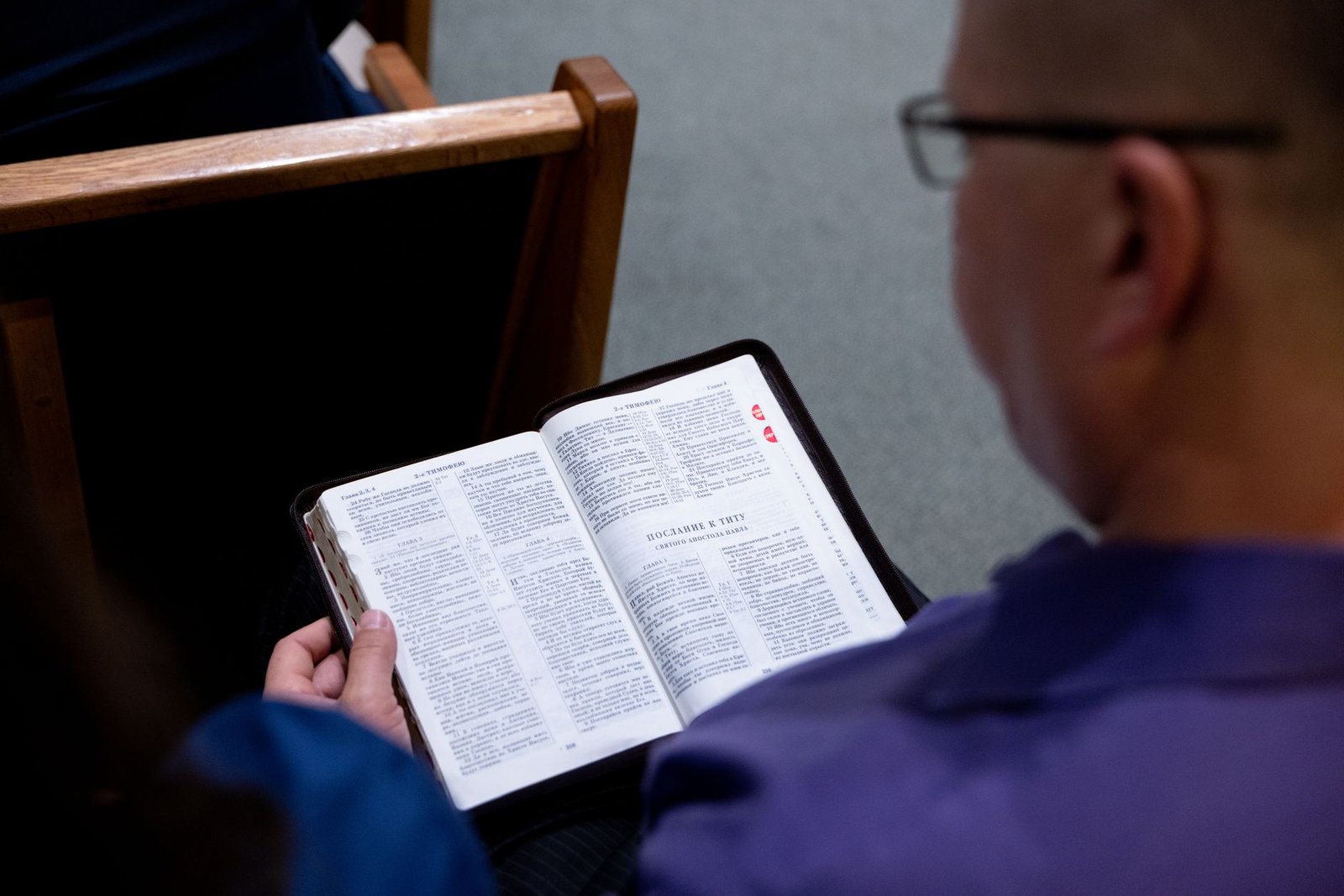

Life is a journey marked by highs and lows, and sometimes, loss and grief can overshadow our path with profound darkness. In moments like these, prayer can serve as a beacon of light, guiding us through the murky waters of sorrow. If you’re navigating the tumultuous seas of grief, know that you are not alone. This post explores how prayer can become a powerful tool for healing and solace, drawing insights from Scripture and real-life experiences.
Understanding Grief: A Complex Emotion
Grief is a natural response to loss, whether it’s the death of a loved one, the end of a relationship, or a significant change in life circumstances. It’s an emotion characterized by a range of feelings, including sadness, anger, confusion, and even guilt. While everyone experiences grief differently, prayer can be a universal means of expressing and processing these complex emotions.
The Role of Prayer in Healing
Prayer is more than a mere recitation of words; it’s a heartfelt dialogue with a higher power. When words fail to encapsulate the depth of our grief, prayer provides a sacred space for reflection, supplication, and healing. Here’s how prayer can help:
- Provides Comfort: Scripture assures us of God’s comforting presence. “The Lord is near to the brokenhearted and saves the crushed in spirit” (Psalm 34:18). Prayer can be a reminder that we’re never truly alone.
- Offers Peace: Philippians 4:6-7 encourages us not to be anxious but to present our requests to God. As we pray, these verses remind us of the peace that surpasses understanding.
- Encourages Reflection: Prayer prompts introspection. By expressing our grief, we can understand and accept our emotions, paving the way for healing.
- Strengthens Faith: Times of loss can challenge our faith; however, prayer reaffirms our beliefs and strengthens our spiritual resilience.
Scriptural Encouragement in Prayer
The Bible is filled with examples of individuals who turned to prayer during times of immense grief. These stories offer lessons and encouragement for us today.
Job: Patience in Suffering
Job’s story is a testament to unwavering faith amidst unimaginable loss. Despite losing his wealth, health, and family, Job maintained his trust in God. In Job 1:20-21, he falls to the ground in worship, acknowledging God’s sovereignty. This act of submission highlights the importance of maintaining faith even when life seems bleak.
King David: Grief and Redemption
David, a man after God’s own heart, experienced deep grief throughout his life. In 2 Samuel 12, after the death of his child, David sought God in prayer. He fasted, pleaded, and, once the child had passed, worshiped God. His story teaches us about acceptance and the redemptive power of relentless faith.
Practical Steps to Incorporate Prayer into Grief
Prayer during loss doesn’t require elaborate words or a specific structure. Here’s how you can start integrating prayer into your healing process:
- Set Aside Time: Dedicate a specific time each day for prayer. Whether it’s in the morning, before bed, or during a lunch break, consistency can help cultivate a soothing routine.
- Create a Sacred Space: Designate a peaceful corner in your home or garden where you can retreat for quiet reflection and prayer.
- Use Guided Prayers: Sometimes structured prayers like The Lord’s Prayer or psalms can provide words when expressions fail.
- Keep a Prayer Journal: Write down your prayers, emotions, and reflections. Journaling can be a powerful tool for processing grief.
- Join a Prayer Group: Community support can be profoundly comforting. Sharing and praying with others who understand your grief can lighten the load.
Conclusion: Embracing the Journey
Prayer is not an antidote to grief, but it can transform the journey by offering comfort, hope, and divine connection. As you navigate this path, allow prayer to be your compass, guiding you towards peace and healing. Remember, grief is a deeply personal journey, but it is a path walked by many throughout history. Lean into your faith, draw strength from Scripture, and trust that light will eventually break through the shadows.
Whether you whisper your prayers in solitude or join voices in communal worship, know that each utterance is a step towards healing—a testament to the resilience of the human spirit and the comforting embrace of divine love.