The Nature of Waiting on God
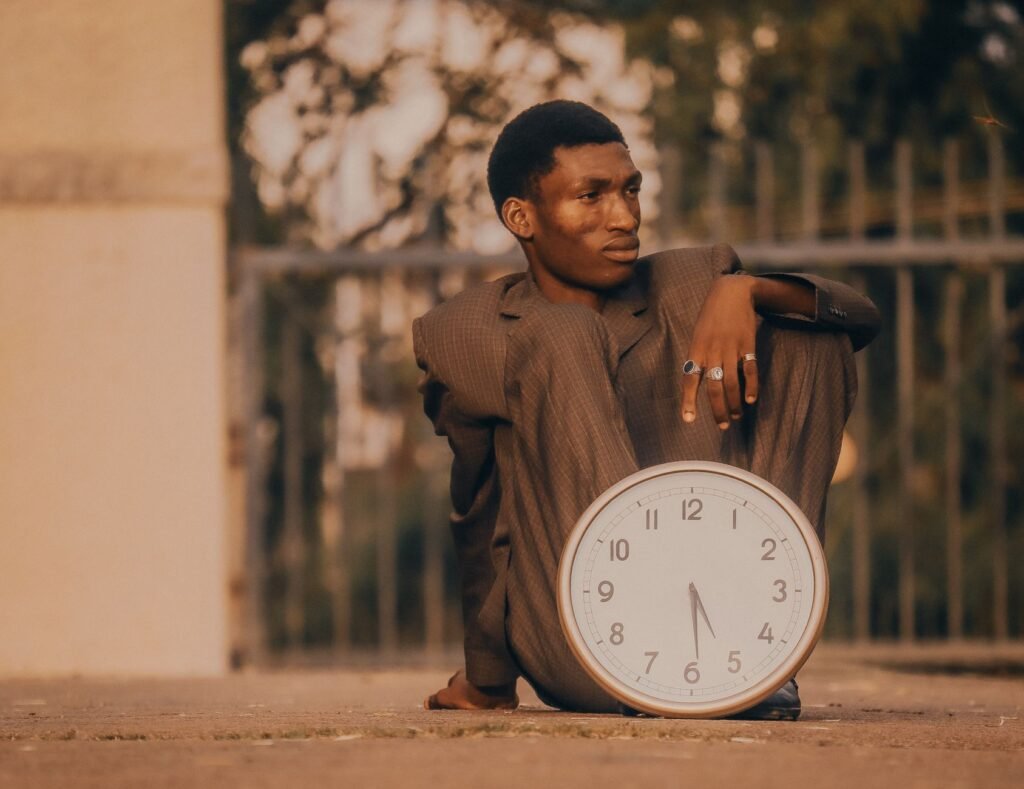
Waiting on God is more than just a passive experience; it is an active engagement with our faith. In the Bible, waiting is often linked with hope and trust, as we recognize that God’s timing is different from our own. This involves letting go of our anxieties and embracing the peace that comes from knowing He is in control. Our culture often equates waiting with inactivity, but biblically, waiting is a time of preparation and growth.
When we look to the Scriptures, we see examples of individuals who waited on God’s timing, such as Abraham and Sarah, who waited for the promise of a child. Their journey was fraught with challenges, but it ultimately demonstrated the faithfulness of God. In our own lives, waiting can lead to a richer understanding of God’s character, revealing His goodness and sovereignty.
The Biblical Call to Patience
Patience is a virtue that is frequently emphasized in Scripture. Throughout the Bible, we are reminded that waiting is an integral part of our spiritual journey. James encourages believers to be patient as they await the Lord’s coming, using the example of the farmer who waits for his crops to grow. This metaphor illustrates the importance of trust in the process, as well as the necessity of patience in our spiritual lives.
In Romans, we learn that suffering produces perseverance, character, and hope. These elements are intertwined in our waiting, as each moment spent in patience builds our faith and deepens our reliance on God. Our waiting is not in vain; rather, it prepares us for the blessings to come and strengthens our relationship with Him.
Reflection Point
Take a moment to reflect on your own waiting periods; consider how they have deepened your faith in God’s timing.
The Role of Trust in Waiting
Trusting God during times of waiting can be a significant challenge. We often find ourselves wrestling with doubt and impatience, questioning whether God will come through for us. However, Scripture reassures us that God is always faithful to His promises. When we trust in Him, we acknowledge that His plans are good, even when we cannot see the full picture.
Proverbs reminds us to trust in the Lord with all our hearts and not lean on our own understanding. This call to trust encourages us to surrender our anxieties and uncertainties to God, allowing Him to guide our steps. We are invited to rest in His promises, knowing that He is working behind the scenes for our good.
<h2.Scriptural Examples of Waiting
The Bible is rich with narratives of individuals who exemplified the art of waiting on God. Consider Joseph, who endured years of hardship and imprisonment before rising to a position of power in Egypt. His story highlights how waiting can lead to divine purpose, as God used every season of Joseph’s life to prepare him for his ultimate calling.
Another poignant example is found in the life of David. Anointed as king while still a shepherd boy, David spent years fleeing from King Saul before ascending to the throne. His patience and reliance on God during those tumultuous years shaped him into a leader after God’s own heart. These biblical figures remind us that waiting can be transformative, molding us into who God desires us to be.
The Promise of Renewal
One of the most beautiful aspects of waiting on God is the promise of renewal. When we wait on Him, we are assured that our strength will be renewed. This is vividly expressed in the promise that those who hope in the Lord will soar on wings like eagles; they will run and not grow weary, they will walk and not be faint. This assurance invites us to approach our waiting with hope and expectation.
Renewal is not just about physical strength but also spiritual rejuvenation. In times of waiting, we can experience a deepening of our faith as we seek God earnestly. This process of renewal can lead to a more profound understanding of His character and an increase in our capacity to trust Him.

<h2.Practical Steps for Waiting on God
While waiting can be a spiritual discipline, there are practical steps we can take to navigate this time effectively. First, it is essential to engage in consistent prayer. Prayer allows us to communicate our desires, fears, and hopes to God while also creating space for Him to speak to our hearts.
Studying Scripture is another vital component of waiting. The Word of God serves as a source of encouragement and guidance, reminding us of His promises. Meditating on verses that speak to waiting and trusting can strengthen our resolve and keep us focused on God’s faithfulness.
Additionally, seeking community support can provide encouragement during seasons of waiting. Sharing our struggles and victories with fellow believers can help us remain accountable and foster a spirit of perseverance.
<h2.The Danger of Impatience
Impatience can often lead us to take matters into our own hands, which can result in detrimental consequences. The biblical account of Saul illustrates the dangers of impatience. When Saul failed to wait for the prophet Samuel to offer sacrifices before a battle, he acted on his own and ultimately lost God’s favor. This serves as a cautionary tale that reminds us of the importance of waiting on God’s timing.
In our own lives, we may feel tempted to rush ahead, making decisions based on fear or anxiety rather than on faith. However, the Bible encourages us to be still and know that He is God. Embracing stillness allows us to hear God’s voice and discern His will, rather than acting impulsively.
<h2.The Reward of Waiting
While waiting can be challenging, the rewards are often profound. When we wait on God, we cultivate a deeper relationship with Him. Through this journey, we learn to rely on His goodness and faithfulness, which strengthens our faith for future challenges.
Moreover, waiting can lead to unexpected blessings. As we trust God and remain patient, we may discover that He has plans beyond what we could have imagined. The act of waiting shifts our focus from our desires to God’s purposes, allowing us to experience His blessings in ways we never anticipated.
<h2.Making the Most of Your Waiting Period
Each waiting period can be an opportunity for growth and learning. Embrace this time by intentionally seeking out ways to serve others, engage in worship, and deepen your understanding of God’s Word.
Consider journaling your experiences as you wait. Documenting your thoughts, prayers, and reflections can help you see God’s hand at work in your life. Over time, you may look back and recognize how He has been with you throughout your journey.
Ultimately, remember that waiting is not a waste of time; it is a divine appointment. Your faithfulness in waiting can bear fruit, not only in your life but also in the lives of those around you.
<h2.Trusting God’s Timing
Trusting God’s timing is essential to fully embrace the waiting process. God operates outside of our human concept of time, and His divine perspective allows Him to orchestrate events perfectly. Learning to trust in His timing means recognizing that He sees the bigger picture and knows what is best for us.
In the midst of waiting, it can be helpful to reflect on past instances where God’s timing was evident in your life. Remembering those moments can bolster your faith and reinforce the truth that He is always working for your good, even when circumstances seem uncertain.
As you navigate your own waiting periods, hold onto the promises found in Scripture. They serve as anchors for your soul, reminding you that God is a faithful and loving Father who desires the best for His children.
In all things, remember that waiting on the Lord is a beautiful journey of faith that draws us closer to Him. As we wait, we cultivate a deeper understanding of His character and a richer experience of His love.
The Importance of Prayer While Waiting
Prayer is a vital component of waiting on God. It serves as a means of communication and connection with our Creator, allowing us to express our hopes, fears, and desires. During periods of waiting, prayer can provide comfort and clarity, reminding us of God’s presence and His promises.
Key Takeaways
- Waiting is part of faith
- Trust God's perfect timing
- Patience develops character
- God is faithful in His promises
Philippians encourages believers to bring their requests before God through prayer and supplication, assuring us that the peace of God will guard our hearts and minds. This peace becomes especially valuable when we find ourselves in the waiting period, as it helps to alleviate anxiety and reinforces our trust in God’s plan.
“Do not be anxious about anything, but in every situation, by prayer and petition, with thanksgiving, present your requests to God.” – Philippians 4:6
Additionally, Jesus taught His followers to remain persistent in prayer, using the parable of the persistent widow as an example of unwavering faith. This illustration underscores the importance of continuing to seek God earnestly, even when answers seem delayed.
“And will not God bring about justice for his chosen ones, who cry out to him day and night? Will he keep putting them off?” – Luke 18:7
The Transformative Power of Waiting
Waiting on God is not merely a test of patience; it can also be a transformative experience that shapes our character and faith. As we navigate the challenges associated with waiting, we often undergo significant spiritual growth. The process of waiting allows God to refine us, much like gold is purified in fire.
Isaiah speaks of the renewing of strength that comes to those who wait on the Lord. This verse illustrates that waiting is not a time of stagnation but rather a period of revitalization and empowerment. The strength we gain through waiting equips us to face future challenges with greater faith and resilience.
“But those who hope in the Lord will renew their strength. They will soar on wings like eagles; they will run and not grow weary, they will walk and not be faint.” – Isaiah 40:31
Moreover, the waiting period can deepen our empathy and compassion for others. As we experience our struggles, we become more attuned to the struggles of those around us, fostering a spirit of kindness and support within our community.
The Promise of God’s Faithfulness
Throughout Scripture, God’s faithfulness is a recurring theme that provides hope during our waiting periods. His promises are unwavering, and He assures us that He will fulfill them in His perfect timing. We can find comfort in knowing that God is not forgetful or indifferent; instead, He is actively working all things together for our good.
The Psalms are rich with reminders of God’s faithfulness. David often expressed his confidence in God’s ability to deliver and sustain him, even in times of great distress. These reflections encourage us to maintain our faith and trust in God, especially when the waiting feels prolonged.
“I remain confident of this: I will see the goodness of the Lord in the land of the living.” – Psalm 27:13
Moreover, Lamentations reminds us that God’s mercies are new every morning, emphasizing that each day is an opportunity to experience His faithfulness anew. This assurance can bolster our spirits as we wait, helping us to cultivate a hopeful attitude despite our circumstances.
“Because of the Lord’s great love we are not consumed, for his compassions never fail. They are new every morning; great is your faithfulness.” – Lamentations 3:22-23
The Importance of Prayer During Waiting
Prayer serves as a vital component of waiting on God. It is during these times of waiting that we can draw closer to Him, seeking His guidance and wisdom. Philippians encourages believers not to be anxious about anything but to present their requests to God through prayer and supplication.
“Do not be anxious about anything, but in every situation, by prayer and petition, with thanksgiving, present your requests to God.” – Philippians 4:6
Through prayer, we express our desires and fears, while also aligning our hearts with His will. This communication fosters intimacy with God, reminding us that we are not alone in our struggles. Jesus exemplified this in the Garden of Gethsemane, where He prayed fervently while awaiting His impending crucifixion. His reliance on prayer illustrates the strength it can provide during our waiting periods.
The Fruits of Waiting on God
Waiting on God can yield significant spiritual fruits in our lives. As we remain steadfast in our hope, we often experience a transformation in our character. Isaiah 40 highlights the renewing strength that comes from waiting on the Lord, assuring us that those who hope in Him will soar like eagles.
“But those who hope in the Lord will renew their strength. They will soar on wings like eagles; they will run and not grow weary, they will walk and not be faint.” – Isaiah 40:31
This passage emphasizes that waiting is not a passive experience but a dynamic process that revitalizes our spirits and equips us for the journey ahead. Additionally, waiting allows us to cultivate virtues such as perseverance and resilience, preparing us to handle future challenges. As we grow in patience and trust, we become more reflective of Christ’s character, shining His light in a world that often values instant gratification.
The Community Aspect of Waiting
Waiting on God is not solely an individual endeavor; it often involves the support and encouragement of a faith community. The Bible emphasizes the importance of fellowship and mutual encouragement as we navigate periods of waiting. In Hebrews, we are urged to spur one another on toward love and good deeds, especially as we await Christ’s return.
“And let us consider how we may spur one another on toward love and good deeds, not giving up meeting together, as some are in the habit of doing, but encouraging one another.” – Hebrews 10:24-25
Sharing our waiting experiences with others can provide comfort and strength, reminding us that we are not alone in our struggles. The prayers and testimonies of fellow believers can bolster our faith, reminding us of God’s faithfulness in their lives and encouraging us to hold on to hope as we wait for our own answers. In community, we find solidarity and support, which can be a powerful source of encouragement during uncertain times.
Waiting as a Time of Spiritual Growth
In the act of waiting, believers often experience significant spiritual growth. This period can serve as a transformative time where we deepen our relationship with God and learn to rely more fully on His strength. The Bible invites us to consider this aspect of waiting as a means of refining our character and increasing our faith.
For instance, the psalmist writes, “I waited patiently for the Lord; he turned to me and heard my cry.” – Psalm 40:1. This verse emphasizes that waiting is not merely about enduring, but about actively seeking God and being attuned to His voice. Through our patience, we may find that God is shaping us into the individuals He desires us to be.
Moreover, waiting often compels us to engage in prayer and meditation, allowing us to draw nearer to God. As we wait, we may discover new insights into His Word and better understand His purpose for our lives, cultivating a deeper intimacy with our Creator.
The Example of Jesus’ Waiting
Jesus Himself modeled the importance of waiting on God throughout His earthly ministry. Before embarking on His public mission, He spent 40 days in the wilderness, a time of waiting and preparation. This experience not only strengthened Him but also prepared Him for the trials and temptations He would face.
In the Garden of Gethsemane, we see another profound example of waiting. Jesus prayed fervently, seeking God’s will even when faced with immense suffering. He demonstrated that waiting can involve surrendering our desires to God’s greater plan. In His prayer, He said, “Not my will, but yours be done.” – Luke 22:42. This submission to God’s timing serves as a powerful reminder for us to trust in His perfect plan, even when it leads us through difficult circumstances.
Encouragement from Community During Waiting
While waiting can feel isolating, the Bible emphasizes the importance of community support during these times. Believers are encouraged to lean on one another, sharing their struggles and praying for one another as they navigate periods of waiting. The early church exemplified this communal support as they prayed together and lifted one another up in times of need.
In Galatians, we are reminded to “Bear one another’s burdens, and so fulfill the law of Christ.” – Galatians 6:2. This call to community is vital, as it allows us to encourage each other in faith and remind one another of God’s promises while we wait. Through shared experiences and mutual encouragement, we can find strength and hope, reinforcing our trust in God’s faithfulness.
Frequently Asked Questions
Why is waiting on God important?
Waiting on God is crucial because it teaches us patience, trust, and reliance on His perfect timing rather than our own.
How can I wait on God effectively?
To wait effectively, engage in prayer, study Scripture, and remain open to God’s guidance, all while trusting His plans for you.
What should I do while I wait on God?
While waiting, focus on spiritual growth through prayer, worship, and community, allowing God to prepare you for what’s next.
Does the Bible promise that waiting will lead to good outcomes?
Yes, Scripture assures us that those who wait on the Lord will renew their strength and find hope, reflecting God’s faithfulness.
Final Thoughts
Waiting on God can feel challenging, but it is a journey of faith that strengthens our character and deepens our relationship with Him. Trust in His plans, for they are always good.
Further Study