
The Call of Abraham
Abraham’s journey begins with a divine call that would change the course of history. When God commanded him to leave his home and venture into an unknown land, Abraham responded without hesitation. This moment is significant; it sets the stage for a life characterized by profound faith. God instructed him to leave everything familiar behind, which must have been daunting. Yet, Abraham took that step forward, illustrating how true trust often involves leaving our comfort zones.
Abraham’s willingness to obey despite uncertainty is a powerful lesson for us. When God calls us to something new, it can be intimidating. Yet, like Abraham, we are encouraged to step out in faith, trusting that God has a plan even when we cannot see it clearly.

The Promise of a Nation
As Abraham journeyed, God made a remarkable promise: he would become the father of a great nation. This promise was astonishing, especially considering Abraham and his wife Sarah were advanced in age and childless. What stands out in this narrative is the stark contrast between God’s declaration and Abraham’s circumstances.
Abraham’s trust was not based on visible evidence but on God’s character and faithfulness. He believed that God, who made the promise, was fully capable of fulfilling it. In our own lives, we often face situations where God’s promises seem distant or impossible. However, like Abraham, we can cultivate a faith that looks beyond our present circumstances. Trusting God means believing in His ability to bring about what He has promised, even when the odds are against us.
Reflection Point
Take a moment to reflect on your own faith journey. How can you deepen your trust in God today?
Faith Tested with Isaac
Perhaps the most profound test of Abraham’s faith came with the command to sacrifice his son Isaac. This command must have shattered Abraham’s heart, yet he prepared to obey without question. The depth of his trust in God is evident in his actions. He believed that even if he sacrificed Isaac, God could raise him from the dead.
This moment teaches us that trusting God often involves difficult choices and tests of faith. There are times when God may ask us to surrender what we hold most dear. Abraham’s readiness to sacrifice Isaac illustrates that true trust requires complete surrender. It’s a call to lay down our desires and fears, believing that God’s plans are greater than our understanding.

The Covenant of Faith
God established a covenant with Abraham, reinforcing His promises and laying the foundation for a relationship built on trust. This covenant was not merely a contractual agreement but a deep, relational commitment. God promised to bless Abraham and his descendants, showing us that faith is not just about individual trust but also about being part of a larger narrative.
Our relationship with God is also covenantal. When we trust Him, we enter into a dynamic relationship where His promises guide our lives. This covenant speaks of God’s unchanging nature, providing us with assurance that He is always faithful, even when we falter. Trusting God means embracing this covenant relationship, where we can rely on His promises in every season of life.
The Role of Prayer in Trusting God
Prayer is a vital component in developing trust in God. Through prayer, we communicate with God, expressing our fears, hopes, and desires. Abraham’s life reflects a pattern of seeking God’s guidance and interceding for others, such as when he pleaded for the cities of Sodom and Gomorrah.
In our lives, prayer serves as a powerful tool for deepening our trust. It shifts our focus from our circumstances to God’s sovereignty. Engaging in regular prayer cultivates a heart that is sensitive to God’s voice and reassures us of His presence. This practice reminds us that we are not alone in our struggles and that we can trust God with every detail of our lives.
The Legacy of Abraham’s Faith
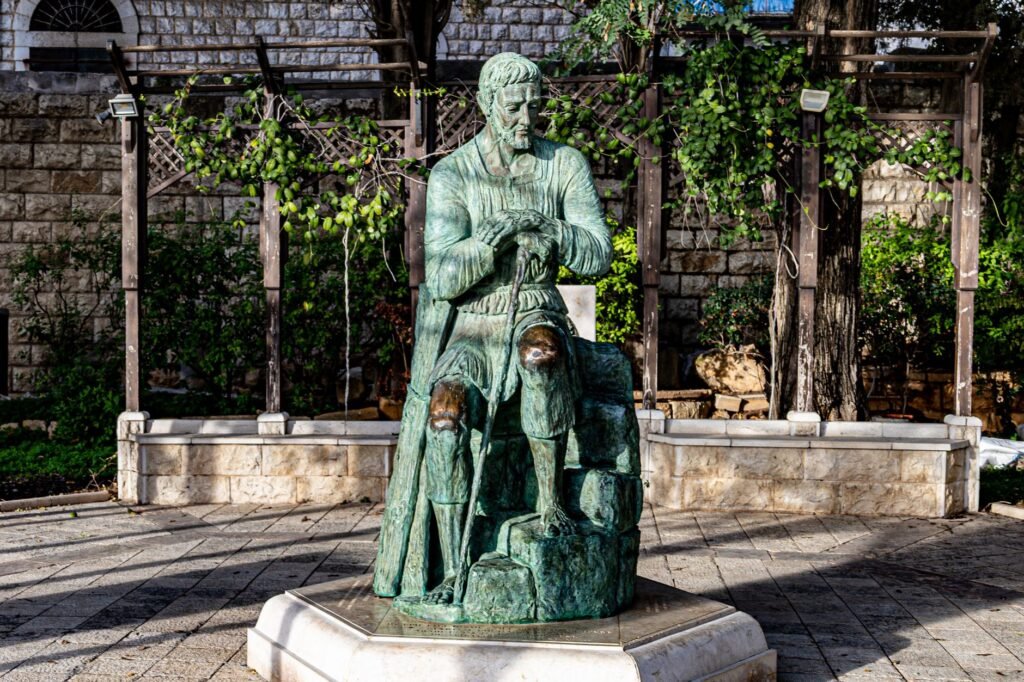
Abraham’s faith continues to influence countless lives today. He is often referred to as the “father of faith,” and his story is foundational for believers across generations. His unwavering trust in God serves as an example for us to emulate.
This legacy invites us to reflect on our own faith. How are we living out our trust in God? Are we willing to take risks in obedience, even when the path ahead is unclear? Abraham’s life encourages us to be bold in our faith, trusting that God is working through our lives for His greater purpose.
Trusting God Through Uncertainty
Life is filled with uncertainties, and trusting God through these times can be challenging. Abraham faced numerous trials, including famine, conflicts, and the long wait for the promised son. Each of these situations tested his faith, yet through them all, he remained anchored in his trust in God.
In today’s world, we too encounter uncertainties that can shake our faith. Whether it’s health issues, financial struggles, or relational challenges, these moments call for a deeper reliance on God. Trusting God amidst uncertainty involves surrendering our worries and embracing His peace. It requires the courage to believe that, like Abraham, we are part of a greater plan that God is orchestrating for our good.
Faith as a Journey
Abraham’s life illustrates that faith is a journey rather than a destination. His relationship with God evolved over time, marked by moments of doubt and reaffirmation of trust. This journey reflects the reality that faith is not a one-time event but a continuous process of growth and learning.
Each step of faith Abraham took brought him closer to God and a deeper understanding of His promises. Similarly, our faith journeys are marked by experiences that shape us. Embracing this journey allows us to cultivate a resilient faith, one that can withstand trials and uncertainties.
The Assurance of God’s Faithfulness
Throughout Abraham’s story, God’s faithfulness is a constant theme. He fulfilled His promises to Abraham, demonstrating that He is reliable and true to His word. When we trust God, we can hold on to the assurance that He will fulfill His promises in our lives as well.
In times of doubt or difficulty, we can look back at Abraham’s journey as a reminder of God’s steadfastness. Trusting God means believing that He sees our struggles and is working for our good, even when we cannot see the way forward. This assurance encourages us to remain faithful, knowing that God is always in control.
In our journey of faith, we can always turn to Abraham as a model of trust and obedience. His life illustrates that trusting God requires action, surrender, and a willingness to step into the unknown. May we find inspiration in his story and strive to deepen our trust in God each day.
The Importance of Community in Trusting God
Abraham’s journey wasn’t undertaken in isolation; he was surrounded by family and a community of believers. The support and encouragement of those we surround ourselves with can play a crucial role in nurturing our trust in God. Just as Abraham had allies like Lot, we too should seek out relationships that strengthen our faith.
Key Takeaways
- Abraham's faith was tested numerous times
- Trusting God requires obedience
- God's promises are always fulfilled
- Prayer strengthens our trust in God
In times of struggle, sharing our burdens with others can lighten our load. Community provides a backdrop for accountability, encouragement, and shared experiences of faith. When we see how others trust God in their lives, it can inspire us to deepen our own trust. In Hebrews 10:24-25, we are encouraged to “consider how we may spur one another on toward love and good deeds, not giving up meeting together, as some are in the habit of doing, but encouraging one another.”
The Role of Obedience in Trusting God
Obedience is a natural outflow of true trust in God. Abraham’s life was characterized by his willingness to obey God’s commands, even when they were challenging or counterintuitive. This obedience was not merely about following rules; it was an expression of his deep trust in God’s wisdom and goodness.
In Genesis 22:2, when God instructed Abraham to sacrifice Isaac, Abraham’s immediate response was to obey without hesitation. This profound act of obedience demonstrates that trusting God often requires action. James 2:19 states, “You believe that there is one God. Good! Even the demons believe that—and shudder.” Trusting God goes beyond belief; it manifests in our actions. When we step out in obedience, we affirm our faith and demonstrate that we trust in God’s plans for our lives, even when they seem difficult to understand.
The Transformative Power of Trust
Trusting God has the power to transform not only our circumstances but also our very hearts. Abraham’s trust led him to become a pivotal figure in biblical history, and it reshaped his identity—from Abram to Abraham, the father of many nations. Trusting God can lead to a personal transformation that aligns us more closely with His will.
In Romans 4:20-21, we see that “Yet he did not waver through unbelief regarding the promise of God, but was strengthened in his faith and gave glory to God, being fully persuaded that God had power to do what he had promised.” This transformation is not merely about external circumstances but an internal change that molds our character and perspective. When we trust God, we become agents of His love and grace in the world, reflecting His character to those around us.
The Call to Sacrifice and Its Significance
One of the most profound moments in Abraham’s life is encapsulated in God’s command to sacrifice his son Isaac. This command, found in Genesis 22:2, reveals the depth of Abraham’s trust and obedience. When God instructed him, Abraham did not hesitate. Instead, he prepared to follow through, illustrating that true trust often requires significant personal sacrifice.
“Take your son, your only son, whom you love—Isaac—and go to the region of Moriah. Sacrifice him there as a burnt offering on a mountain I will show you.” – Genesis 22:2
In this moment, Abraham’s willingness to sacrifice Isaac denotes a radical faith that prioritizes God’s will above personal desires and attachments. It serves as a reminder that trusting God may lead us to uncomfortable and challenging places, yet it is in these moments that our faith is most profoundly tested and strengthened.
Additionally, this story foreshadows the ultimate sacrifice of Jesus Christ, emphasizing that God’s plans often encompass a larger narrative that may not be immediately clear to us. Abraham’s journey to the altar teaches us that obedience in the face of personal sacrifice can yield transformative outcomes, both for ourselves and for others.
The Impact of Trust on Future Generations
Abraham’s trust in God not only shaped his own life but also had a profound impact on future generations. His faith laid the foundation for the nation of Israel and the covenant relationship between God and His people. In Genesis 17:4-5, God makes a covenant with Abraham, promising that he will be the father of many nations.
“As for me, this is my covenant with you: You will be the father of many nations. No longer will you be called Abram; your name will be Abraham, for I have made you a father of many nations.” – Genesis 17:4-5
This promise reminds us that our trust in God extends beyond our immediate circumstances; it has the potential to influence our children, families, and communities. When we live lives of faith and trust, we model a legacy for those who follow us. Our actions can inspire others to seek God and rely on His promises, creating a ripple effect of faith through generations.
As we consider Abraham’s legacy, we are called to reflect on how our own trust in God can impact those around us. Are we fostering a culture of faith within our families? Are we sharing our experiences of trust with others? Our journey of faith is not solely for our benefit but serves as a beacon of hope and guidance for future generations.
Trusting God in the Everyday
Abraham’s faith was not only demonstrated in monumental moments but also in the everyday choices he made. His life illustrates that trusting God is a daily commitment, woven into the fabric of our ordinary experiences. From making decisions about where to settle to managing relationships with others, Abraham consistently sought God’s guidance.
In Proverbs 3:5-6, we are encouraged to “Trust in the Lord with all your heart and lean not on your own understanding; in all your ways submit to him, and he will make your paths straight.” This verse reminds us that trusting God involves every aspect of our lives, not just the big decisions.
“Trust in the Lord with all your heart and lean not on your own understanding; in all your ways submit to him, and he will make your paths straight.” – Proverbs 3:5-6
As we navigate the complexities of daily life, we can learn from Abraham to remain attentive to God’s leading. Trusting Him in everyday matters allows us to cultivate a deeper relationship with Him and brings a sense of peace and direction to our lives. Each small act of trust builds our faith and prepares us for larger tests in the future.
Frequently Asked Questions
How did Abraham demonstrate trust in God?
Abraham demonstrated trust in God through his obedience, leaving his homeland without knowing his destination, and by believing God's promises despite circumstances.
What can we learn from Abraham's faith?
Abraham's faith teaches us that trusting God often requires stepping into the unknown and relying on His faithfulness, even when the path is unclear.
How did God reward Abraham's trust?
God rewarded Abraham's trust by fulfilling His promises, including making him the father of many nations and blessing him abundantly, both materially and spiritually.
Why is trusting God important in our lives?
Trusting God is vital as it anchors our faith, provides peace amidst uncertainty, and aligns our lives with His divine purpose for us.
Final Thoughts
Abraham's journey is a powerful reminder that trust in God is not just about belief but about action. May we be encouraged to step forward in faith, knowing that God is always faithful to His word.