
1. Understanding the Anatomy of an Overwhelmed Heart
There are seasons in human life when trouble does not merely visit us; it seems to engulf us completely. A sudden health diagnosis, an unexpected fracture in a cherished relationship, pressing financial hardship, or the quiet accumulation of daily demands can pile weight upon your soul until breathing itself feels like effort. In those moments, your thoughts race, your sleep becomes fitful, and your spirit feels utterly spent. If you find yourself in such a season right now, know this first: you are not broken, and you have not been abandoned by God.
Key Takeaways
- God’s peace is an indwelling presence, not the absence of external trouble.
- Surrendering our desire to control brings immediate spiritual relief to anxious hearts.
- Biblical peace requires intentionally fixing our minds on God’s unchanging character.
- Practical daily rhythms of prayer and stillness build lasting emotional and spiritual resilience.
Scripture never masks the reality of human frailty. God does not demand that His children pretend to be immune to sorrow or pressure. Throughout the pages of the Bible, some of the most faithful men and women experienced moments where the sheer volume of life crushed their strength. King David, a man after God’s own heart, spent long periods hiding in caves, fleeing for his life, and crying out in honest distress. He did not hide his exhaustion from the Lord; he poured it out plainly.
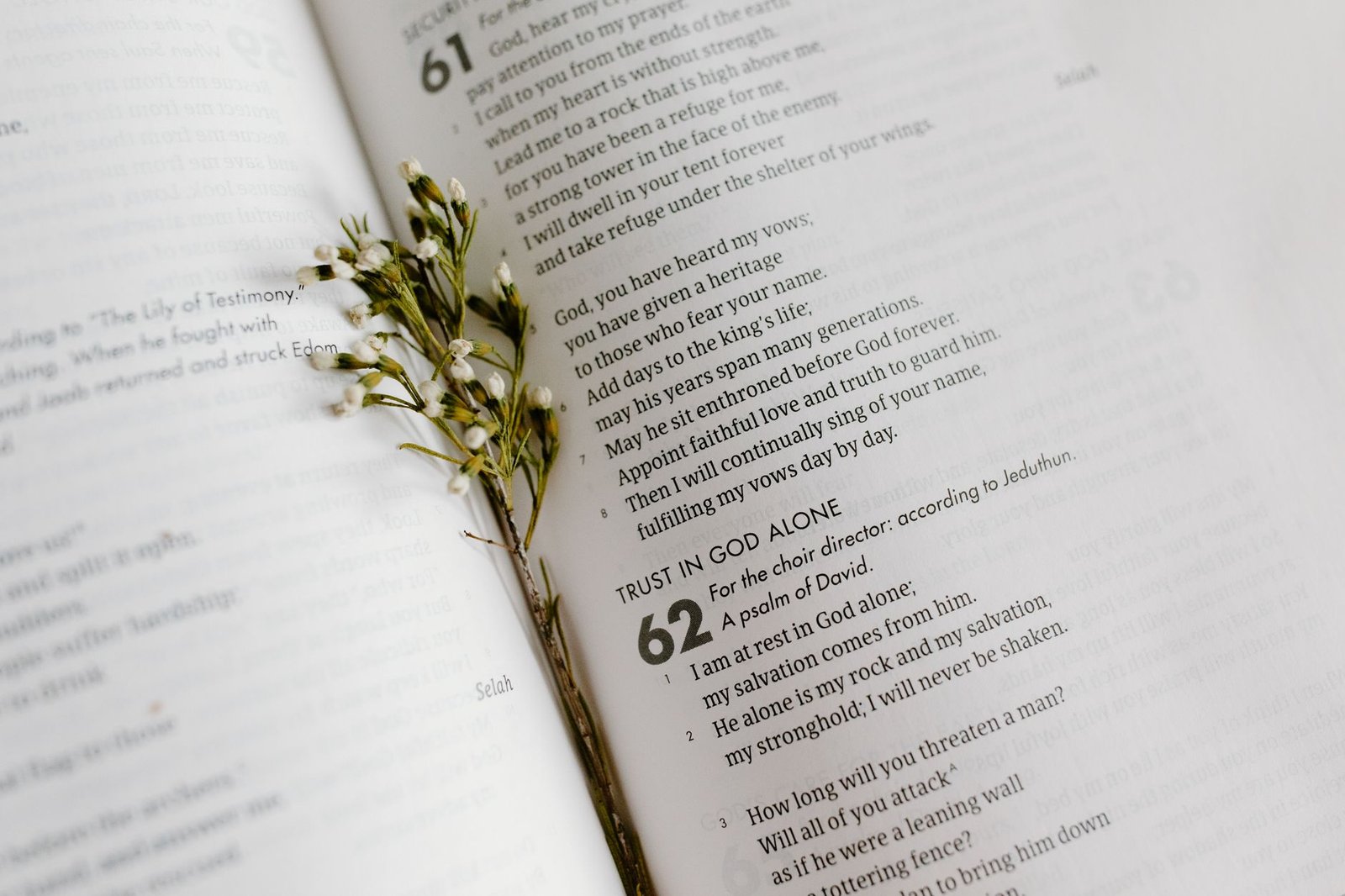
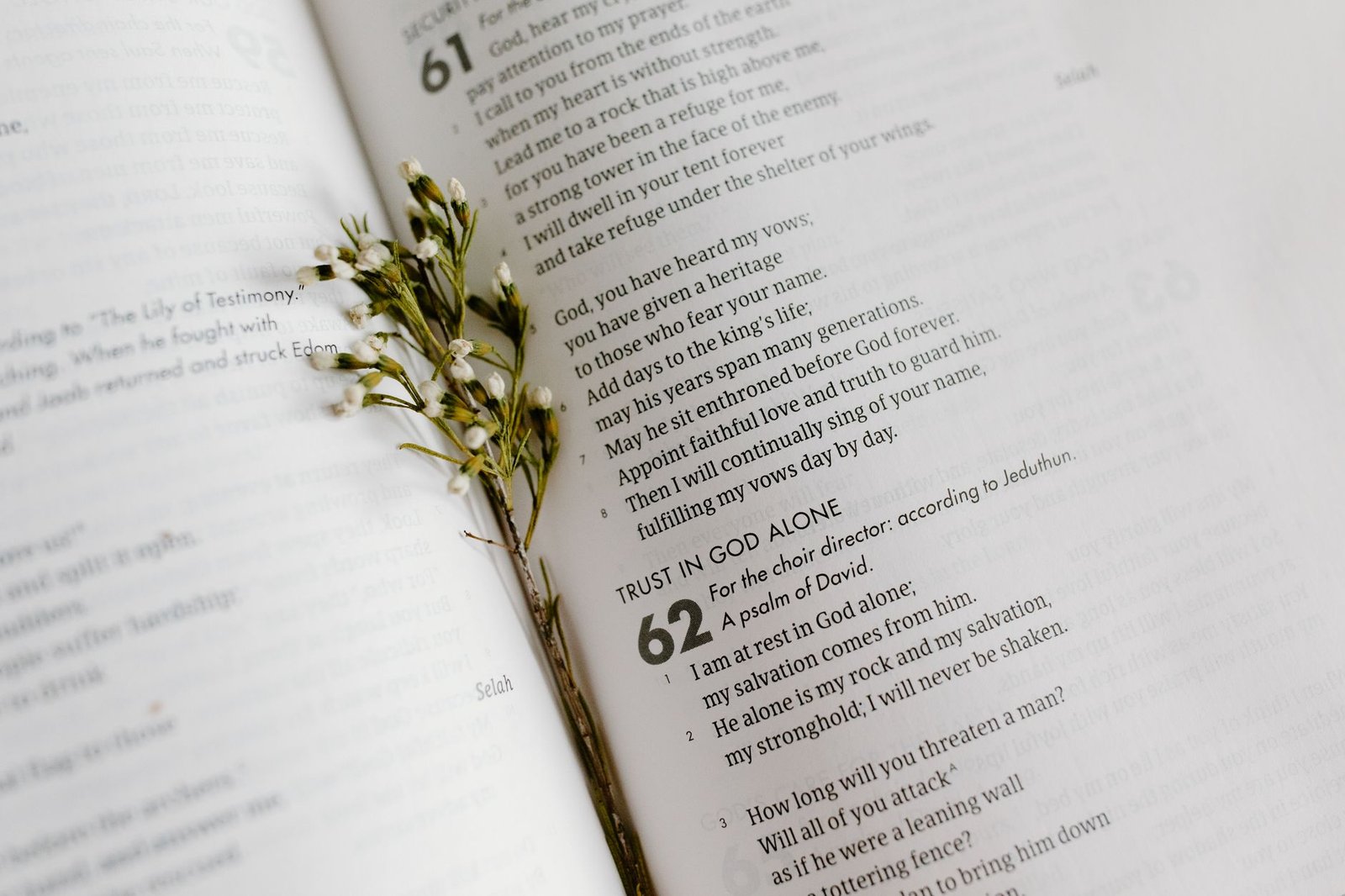
“Hear my cry, O God; attend unto my prayer. From the end of the earth will I cry unto thee, when my heart is overwhelmed: lead me to the rock that is higher than I.” – Psalm 61:1-2
When David wrote these words, he acknowledged something essential: the human heart has a finite capacity. When pushed beyond that capacity, we naturally look for higher ground—a place above the rising tides of circumstance. Recognizing that you are overwhelmed is not a confession of spiritual failure; it is the honest realization that your self-reliance has reached its natural limit. It is precisely at this threshold that the quiet invitation of God becomes clearest.
2. The Sacred Difference Between Circumstantial Calm and Divine Peace
To experience true relief, we must first recognize that the world’s definition of peace is radically different from the peace promised in Scripture. The world defines peace as the total absence of trouble: a bank account with plenty of funds, perfect physical health, predictable schedules, and harmonious relationships. When those conditions are met, the world calls it peace. However, because life in a broken world is inherently unpredictable, circumstantial peace is fragile, temporary, and easily shattered by a single phone call or unexpected setback.
The peace that Jesus Christ offers operates on an entirely different foundation. It does not wait for the storm to clear before taking root; it flourishes in the very midst of the storm. Biblical peace—often expressed through the Hebrew word shalom—refers to a deep, unbreakable completeness and rest that flows directly from the presence of God.
“Peace I leave with you, my peace I give unto you: not as the world giveth, give I unto you. Let not your heart be troubled, neither let it be afraid.” – John 14:27
Notice what Jesus offers here. He spoke these comforting words to His disciples in the Upper Room, just hours before His betrayal, arrest, and crucifixion. The external circumstances facing Christ and His disciples were about to become terrifyingly hostile. Yet, in that precise setting, Jesus spoke of giving them His peace. His peace was not dependent on physical safety or worldly comfort; it was anchored in His unbroken communion with the Father. When you belong to Christ, that same quiet assurance is pledged to you.
A Moment of Stillness
When your heart feels overwhelmed, pause for two minutes, close your eyes, and slowly repeat Psalm 46:10 aloud, letting God’s sovereignty settle your spirit.
3. Surrendering the Heavy Burden of Control
Much of the crushing weight we feel when life becomes chaotic stems from an unspoken, exhausting desire: the attempt to control things that are completely outside our power. We try to manage the reactions of others, secure the future, prevent bad outcomes, and fix complicated problems through sheer mental exertion. We carry outcomes on our shoulders as if the universe depended on our sleepless nights.
Attempting to carry what only God can hold creates severe spiritual and emotional strain. Anxiety is often the warning signal that we are trying to play God in our own lives. Scripture offers a direct remedy for this unbearable burden: intentional, physical, and spiritual surrender.
“Humble yourselves therefore under the mighty hand of God, that he may exalt you in due time: Casting all your care upon him; for he careth for you.” – 1 Peter 5:6-7

The apostle Peter uses a vivid word here: casting. It implies an active, deliberate hurling away of a heavy weight. You do not gently set your worries down beside you, where you can easily pick them up again moments later. You cast them completely onto the strong shoulders of Almighty God. The foundation for this surrender is not cold theology; it is God’s personal, affection-filled care for you. You can let go of the reins because the One who holds the universe is attentive to your individual life.
Surrender does not mean passive resignation or abandoning your daily responsibilities. It means doing what you can with wisdom and diligence, while entrusting every result, every mystery, and every unknown outcome into the care of God. When you release your grip on how things *must* turn out, a remarkable quietness settles over your heart.

4. Reframing the Storm Through the Lens of God’s Character
When you stand directly in front of a massive obstacle, it blocks your entire view. If you stare exclusively at the problem, it grows larger in your mind until it eclipses everything else, including your perception of God. This was the exact experience of the Israelites when they faced Goliath; they measured the giant against their own strength and shrank in terror. Young David, however, measured Goliath against the living God and stepped forward with complete confidence.
Finding steady calm during overwhelming times requires a deliberate reorientation of your focus. You must learn to look at your problems through the infinite greatness of God, rather than measuring God against the terrifying scale of your problems.
“Thou wilt keep him in perfect peace, whose mind is stayed on thee: because he trusteth in thee.” – Isaiah 26:3
The Hebrew phrase for “perfect peace” in this passage is actually shalom shalom—a double emphasis indicating an unshakeable, overflowing tranquility. But notice the condition attached to this promise: the mind must be *stayed* on God. The word “stayed” describes something leaning firmly against a solid column, supported entirely by its strength.
What does it mean to stay your mind on God? It means actively recalling His character when anxiety threatens to overwhelm you. You remind yourself of His absolute unchangeability when your world feels unstable. You recall His absolute faithfulness in past generations when your future seems uncertain. You meditate on His boundless wisdom when your own understanding fails. As your mind leans heavily into who God is, the terrifying weight of your circumstance loses its power to paralyze you.
5. Practicing the Prayer of Honest Lament and Supplication
Many believers believe that coming to God in prayer requires putting on a brave face, using polished religious language, and hiding their raw distress. Yet, if you read through the Psalms, you will quickly discover that God invites complete, unvarnished honesty. Biblical prayer is not a performance; it is a place of sanctuary where you can pour out your grief, fear, and confusion without hesitation.
When the apostle Paul instructed the early church on how to deal with overwhelming stress, he provided a clear, step-by-step pathway from anxiety to peace.
“Be careful for nothing; but in every thing by prayer and supplication with thanksgiving let your requests be made known unto God. And the peace of God, which passeth all understanding, shall keep your hearts and minds through Christ Jesus.” – Philippians 4:6-7
Paul breaks this vital practice down into four distinct elements:
Prayer and Supplication
Bring your actual concerns to God, no matter how small or massive they appear. Supplication means asking earnestly for specific help. Instead of allowing vague worry to cycle through your mind, translate every single thought of anxiety into a direct request to your Heavenly Father.
With Thanksgiving
This may seem counterintuitive when life feels like it is falling apart. However, thanksgiving acts as a spiritual lens cleaner. Reminding yourself of what God has already done breaks the spell of hopelessness. It anchors your current struggle in the historical reality of His past mercy.
The Peace that Surpasses Understanding
The result of this honest exchange is not necessarily an immediate change in your circumstances, but the gift of God’s peace. Paul describes this peace as something that “passeth all understanding.” It is a calm that makes no sense to human logic—a quiet spirit while standing in the middle of severe turbulence.
Guarding Heart and Mind
The military language Paul uses here is intentional. The word “keep” means to guard like a garrison of soldiers. God’s peace acts as a protective shield around your emotional life (your heart) and your intellectual life (your mind), keeping panic from conquering your soul.
6. Anchoring the Mind in the Eternal Truth of Scripture
Anxious thoughts flourish in the absence of truth. When life is chaotic, our imaginations tend to construct worst-case scenarios, projecting future disaster and leaving us feeling exhausted by events that haven’t even happened. To counteract these intrusive, fearful patterns, we must actively feed our minds with the concrete truth of God’s Word.
Scripture is not merely a collection of inspiring sayings; it is living, active spiritual truth capable of dismantling fear. When Jesus was tempted and tested in the wilderness, He repelled every attack by speaking written Scripture. In the same way, when overwhelming thoughts flood your mind, you must answer them with God’s written promises.
“God is our refuge and strength, a very present help in trouble. Therefore will not we fear, though the earth be removed, and though the mountains be carried into the midst of the sea;” – Psalm 46:1-2

Consider the extreme imagery in Psalm 46: the earth breaking apart and mountains sliding into the depths of the ocean. This describes total, catastrophic disruption. Yet, the psalmist declares, “Therefore will not we fear.” Why? Because God is not a distant observer watching from afar; He is a “very present help.” His presence is immediate, accessible, and completely unshakeable.
When you feel overwhelmed, pick one or two scriptures to read, speak, and meditate on throughout the day. Write them down where you can see them. Speak them aloud when fear knocks on your door. Transforming your thought habits requires replacing the noisy chatter of the world with the clear, stabilizing voice of God.
7. Resting in the Mystery of God’s Unseen Sovereignty
One of the greatest sources of inner turmoil during hard seasons is the relentless search for “why.” We want to know why a trial was permitted, why an answer is delayed, or why a path has become so painful. We foolishly assume that if we could just understand the reason behind our suffering, our hearts would finally be at rest.
Yet, God rarely offers detailed explanations for every season of hardship we endure. When Job lost his wealth, his health, and his children, he demanded an audience with God to ask why. When God finally spoke to Job out of the whirlwind, He did not offer an explanation of the cosmic battle taking place behind the scenes. Instead, God revealed His overwhelming power, wisdom, and majestic sovereignty over creation. Job was reminded that human beings see only a tiny fragment of reality, while God beholds the entire tapestry from eternity to eternity.
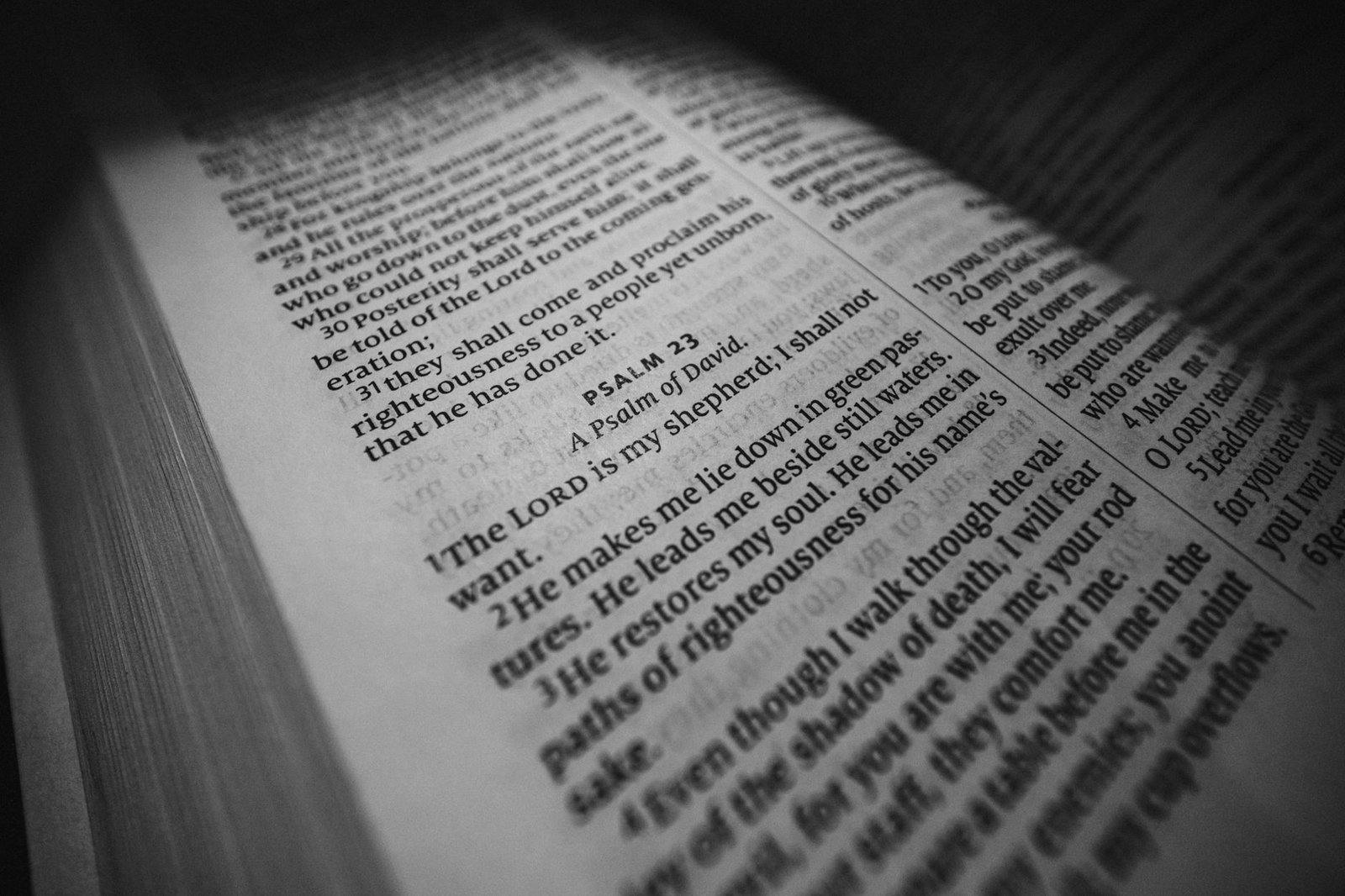
“Yea, though I walk through the valley of the shadow of death, I will fear no evil: for thou art with me; thy rod and thy staff they comfort me.” – Psalm 23:4
Notice that David does not say, “You explain the valley to me.” He says, “for You are with me.” True peace does not come from receiving a full explanation of your circumstances; it comes from knowing the companion who walks through the valley alongside you. You do not need to know what the future holds when you personally know the One who holds the future. Resting in God’s sovereignty means accepting that He is working out purposes far larger and grander than your immediate comfort, and that His goodness will ultimately prevail.
8. Practical Rhythms of Grace for Sustainable Daily Peace
While spiritual truths form the foundation of peace, God created us as embodied beings—soul, mind, and physical body woven tightly together. Often, emotional overwhelm is compounded by physical exhaustion, poor habits, and endless sensory input. Practicing biblical peace requires cultivating intentional rhythms of grace in your everyday life.
Jesus Himself modeled these healthy patterns. Despite massive crowds constantly seeking His attention, healing, and teaching, He repeatedly withdrew to quiet, solitary places to rest and pray. He knew human limits, and He respected the physical and spiritual rhythms established by the Father.
“Come unto me, all ye that labour and are heavy laden, and I will give you rest. Take my yoke upon you, and learn of me; for I am meek and lowly in heart: and ye shall find rest unto your souls.” – Matthew 11:28-29
To walk in this rest daily, consider incorporating these spiritual practices into your life:
1. Create Windows of Holy Stillness
We live in an incredibly noisy world, flooded with constant notifications, breaking news, and endless opinions. It is almost impossible to hear the gentle whisper of God when your mind is constantly bombarded by digital noise. Intentionally set aside time every day to put away your devices and sit quietly before the Lord.
“Be still, and know that I am God: I will be exalted among the heathen, I will be exalted in the earth.” – Psalm 46:10
2. Embrace Physical Rest as an Act of Faith
Sometimes, the most spiritual thing you can do when completely exhausted is to go to sleep. Elijah, when fleeing for his life in profound depression, was not immediately given a deep theological lecture by God. Instead, God provided him with cooked bread, fresh water, and a long nap under a tree. Sleep is a physical declaration that God manages the world while you rest.
3. Walk with a Faithful Community
God never intended for you to carry overwhelming burdens in isolation. Sharing your struggles with trusted, mature believers allows them to pray with you, speak wisdom into your life, and help carry the emotional weight. Allow the body of Christ to minister to you when your own faith feels frail.
Finding peace when life feels overwhelming is not a skill you master once and for all; it is a daily, moment-by-moment habit of returning to the feet of Jesus. As you learn to surrender control, anchor your thought life in the Bible, and rest in His unshakeable character, you will discover that His peace is far stronger than any storm you will ever face.
Frequently Asked Questions
Why do I feel anxious even when I pray for peace?
Prayer is often a process of surrender rather than an instant magic key. Feeling anxious after praying does not mean you lack faith; it means your body and mind are still processing stress. Continue bringing those feelings back to God, trusting that His peace slowly guards your heart as you practice surrendering daily.
What is the difference between worldly peace and biblical peace?
Worldly peace depends entirely on circumstances—it is defined by the absence of conflict, stress, or trouble. Biblical peace, or shalom, is grounded in the presence of God and remains steady regardless of surrounding chaos. It is a deep, internal tranquility rooted in Christ’s finished work.
How can I fix my mind on God when my thoughts won’t stop racing?
Racing thoughts are best countered by speaking Scripture aloud rather than merely trying to stop thinking. Read a psalm slowly, focus on one specific promise of God, or sing a hymn. Replacing fearful thoughts with God’s concrete truth provides a tangible anchor for an exhausted mind.
Is feeling overwhelmed a sign of weak faith?
Not at all. Scripture is filled with faithful servants—such as David, Elijah, and Paul—who experienced profound exhaustion and emotional distress. Feeling overwhelmed simply reflects human physical and emotional limits; it becomes an invitation to lean fully on God’s supernatural strength.
Final Thoughts
Peace is not something you must generate through willpower or positive thinking. It is a gift given directly by the Savior who holds your life in His hands. As you surrender your burdens to Him day by day, you will find that His calm is deeper than your distress and His presence is near enough to sustain you through every storm.