The Early Life of Moses
Moses’ story begins in a time when the Israelites were enslaved in Egypt. Born to Hebrew parents, he was placed in a basket and set afloat on the Nile River to escape Pharaoh’s decree to kill all male Hebrew infants. This act of faith by his mother, Jochebed, showcases a deep trust in God’s protection. Found and adopted by Pharaoh’s daughter, Moses was raised in the palace, enjoying privileges that came with being a prince of Egypt. Yet, he was not unaware of his heritage. This dual identity became a crucial part of his journey.
God’s plan for Moses was intentional from the very beginning. Even in the midst of living in luxury, he felt a calling to his people. One day, witnessing an Egyptian beating a Hebrew slave, he chose to intervene and, in anger, killed the Egyptian. This act led to his flight from Egypt, marking the beginning of his transformation from a prince to a shepherd in Midian. Here, in the solitude of the desert, God prepared Moses for the monumental tasks that lay ahead.
The Burning Bush: A Divine Encounter
Moses’ encounter with God at the burning bush is one of the most pivotal moments in his life. While tending his father-in-law’s flock, he saw a bush that burned yet was not consumed. This miraculous sight drew him closer to investigate, leading to a divine appointment that would change the course of history.
God spoke to Moses, revealing His name and His plan to deliver the Israelites from bondage. The conversation was filled with both reassurance and challenge. God assured Moses of His presence, saying, “I will be with you” – Exodus 3:12. This promise became a cornerstone for Moses’ leadership.
Yet, Moses hesitated. He questioned his worthiness and ability to carry out such a monumental task. This moment of doubt is relatable to many of us; it showcases the struggle between our perceived limitations and God’s infinite capabilities. God’s response was to provide Moses with signs and wonders, evidence of His power that would accompany him.
Reflection Point
As you read about Moses, consider how his life of faith can inspire your own journey and obedience to God.
Returning to Egypt: A Reluctant Leader
After receiving God’s call at the burning bush, Moses returned to Egypt, accompanied by his brother Aaron. Despite his initial reluctance, he was determined to obey God. The first confrontation with Pharaoh was daunting, yet it was essential. Moses, armed with God’s message, demanded, “Let my people go.” Pharaoh’s hardened heart led to a series of plagues that demonstrated God’s power over Egypt’s gods.
Each plague served as a testament to God’s sovereignty and a warning to Pharaoh. The ten plagues culminated in the Passover, where the Israelites were instructed to mark their doors with the blood of a lamb. This act of faith protected them from the final plague, which took the firstborn of every Egyptian family, compelling Pharaoh to release the Israelites.
The Exodus: A Journey of Faith
The Exodus marked a significant turning point for the Israelites, transitioning from slavery to freedom. Guided by God’s presence in the form of a pillar of cloud by day and fire by night, Moses led the people through the wilderness. This journey was not without challenges, as the Israelites often complained and expressed their longing for the comforts of Egypt.
God tested their faith in various ways, providing manna from heaven and water from a rock. Each miracle served to strengthen their trust in God, even as they faced uncertainty. Moses interceded for the people, often pleading with God on their behalf, showcasing his role as a mediator and leader.
This period in the wilderness taught the Israelites invaluable lessons about dependence on God. They learned that their sustenance came from Him alone, and their trials were opportunities to experience His faithfulness. Moses’ leadership was paramount during this time, guiding them toward the Promised Land despite their frequent lapses in faith.
Receiving the Law: A Covenant Established
One of the most significant moments in Moses’ life was receiving the Ten Commandments on Mount Sinai. After leading the people out of Egypt, Moses ascended the mountain to meet with God. Here, he received not only the commandments but also specific laws and instructions that would shape the moral and spiritual framework for the Israelites.
The giving of the law was a central moment in establishing the covenant between God and His people. It laid the foundation for how they were to live in relationship with God and with one another. The commandments emphasized the importance of worshiping God alone, honoring parents, and the value of life and property.
Moses’ return from the mountain with the tablets of stone was met with both reverence and rebellion. The Israelites, in their impatience, had created a golden calf to worship, demonstrating their struggle to remain faithful. Moses’ anger upon witnessing this led him to break the tablets, symbolizing their broken covenant with God.
The Wilderness Wanderings: Lessons in Trust
The journey from Sinai to the Promised Land was fraught with trials, and it lasted longer than anticipated due to the Israelites’ disobedience. During this time, Moses faced numerous challenges, including disputes among the people, their lack of faith, and the consequences of their sin.
One significant moment was when the Israelites faced a shortage of water. Grumbling against Moses, they questioned why he had brought them into the wilderness to die. God instructed Moses to speak to a rock to provide water, but in frustration, he struck the rock instead. Although water flowed, Moses’ disobedience resulted in a grave consequence: he would not enter the Promised Land.
This incident highlights the importance of obedience and the gravity of leadership. Moses, despite his deep love for the people, learned that even great leaders must follow God’s commands precisely. The wilderness wanderings served as a reminder that faith is not merely about initial steps but a continuous journey of trust and obedience to God.
The Leadership of Moses: A Model for Us
Moses’ leadership style provides a powerful model for those who seek to lead others in faith. He was humble, often referring to himself as “slow of speech,” yet he remained obedient to God’s call. His ability to intercede for the people, advocate for them, and lead with compassion reveals the heart of a true servant leader.
Moses also exemplified the importance of community. He surrounded himself with trusted advisors, such as Aaron and Jethro, who helped him navigate the complexities of leadership. Jethro’s advice to delegate responsibilities was crucial in preventing burnout and ensuring effective governance among the Israelites.
In modern contexts, we can learn from Moses’ example by fostering community, being open to counsel, and prioritizing spiritual leadership over mere authority. His life reminds us that leadership is not about power but service, empowerment, and a steadfast reliance on God.
The End of Moses’ Journey
Moses’ life concluded on a high mountain overlooking the Promised Land. After decades of leading the Israelites through trials and triumphs, he was finally able to see the land that God had promised to their ancestors. Yet, he was not permitted to enter it himself, a poignant reminder of the consequences of disobedience.
Before his death, Moses delivered a farewell address to the Israelites, reminding them of God’s faithfulness, the importance of obedience, and the necessity of passing on their faith to future generations. His final words were filled with exhortation and hope, emphasizing the need to remain true to God’s covenant.
Moses’ death marked the end of an era, but his legacy lived on through Joshua, who would lead the Israelites into the Promised Land. The story of Moses is a powerful narrative of redemption, faith, and God’s unwavering presence throughout our journeys.
Theological Reflections on Moses’ Life
Moses’ life and ministry hold significant theological implications. He serves as a foreshadowing of Jesus Christ, the ultimate deliverer who would lead humanity from the bondage of sin into the freedom of salvation. Just as Moses interceded for the people, Jesus intercedes for us before the Father.
Additionally, the law given through Moses highlights humanity’s need for a Savior. The commandments reveal God’s holy standard, which we cannot achieve on our own. This need points to the grace and mercy found in Christ, who fulfilled the law on our behalf.
Moses also embodies the theme of transformation. From a hesitant shepherd to a bold leader, his life illustrates how God can use anyone, regardless of their past, to accomplish His purposes. This transformation is available to all who respond to God’s call and trust in His guidance.
In reflecting on Moses’ life, we are reminded of our own journeys with God. We each have moments of doubt, trials of faith, and opportunities for obedience. Emulating Moses’ unwavering trust in God can inspire us to embrace our unique callings and lead lives that honor Him.
Application: Embracing the Lessons of Moses Today
As we consider the life of Moses, we are called to reflect on our own relationship with God. His story encourages us to embrace our identities as children of God, regardless of our backgrounds or past mistakes. We are reminded that God can use us to fulfill His purposes if we are willing to respond to His call.
In moments of uncertainty, we can find comfort in God’s promises to be with us. Just as He assured Moses, He assures us of His presence and guidance through every trial. We can approach challenges with faith, knowing that God equips us for the task ahead.
Furthermore, Moses’ example of intercession challenges us to pray for others. As we lead in our families, communities, or workplaces, we can adopt a posture of humility, seeking God’s guidance and advocating for those around us.
Ultimately, the story of Moses is not just a historical account; it is a living narrative that speaks to our hearts today. Let us embrace the lessons learned from his journey and apply them to our lives, trusting that God remains faithful to lead us through our own wilderness experiences.
The Signs and Wonders: God’s Power Displayed Through Moses
Moses’ journey was marked by extraordinary signs and wonders that demonstrated God’s power and sovereignty. From the very beginning, when Moses encountered God in the burning bush, the miraculous was a central theme in his life. This encounter not only called him to lead but also revealed God’s holy nature.
Key Takeaways
- Moses was chosen by God for a great purpose
- His faith led to miraculous events
- God’s presence was constant in his life
- The story teaches us about obedience and trust
As Moses led the Israelites out of Egypt, he performed many signs before Pharaoh, including transforming his staff into a serpent and turning the Nile into blood. Each miracle was a demonstration of God’s authority over the gods of Egypt and served to compel Pharaoh to let the Israelites go.
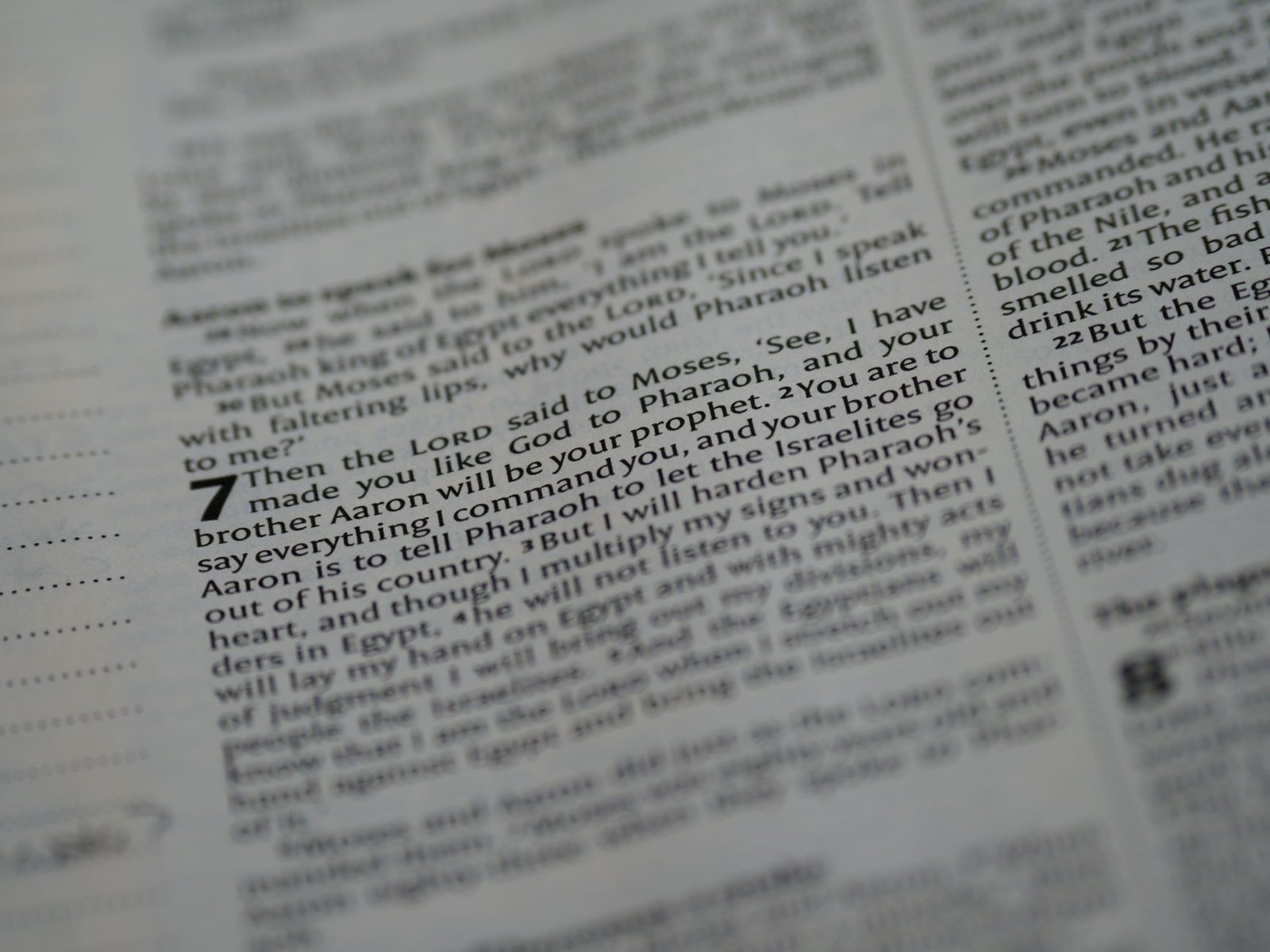
“And the LORD said to Moses, ‘See, I have made you like God to Pharaoh, and your brother Aaron shall be your prophet.'” – Exodus 7:1
These acts of divine intervention culminated in the ten plagues, each highlighting not only God’s power but also the stubbornness of Pharaoh’s heart. The final plague, the death of the firstborn, led to the Israelites’ liberation and instituted the Passover, a significant event in Jewish history that foreshadows Christ’s sacrifice.
Moses’ role in parting the Red Sea further exemplified God’s power in the face of seemingly insurmountable obstacles. As the Israelites stood trapped between the sea and the pursuing Egyptians, Moses raised his staff, and the waters parted, allowing safe passage. This miraculous event reinforced the theme of faith and obedience in trusting God’s deliverance.
“And Moses stretched out his hand over the sea, and the LORD drove the sea back by a strong east wind all night and made the sea dry land, and the waters were divided.” – Exodus 14:21
The signs and wonders performed through Moses served as both confirmation of his leadership and as a reminder of God’s unwavering commitment to His people. They were not just historical events but also spiritual lessons pointing to God’s desire to reveal His glory and power in our lives today.
The Covenant and the Promise of a Future Leader
The covenant established through Moses was foundational for the Israelites, solidifying their identity as God’s chosen people. This covenant was not merely a set of rules; it was a relational agreement that involved blessings for obedience and consequences for disobedience.
In Deuteronomy, Moses emphasizes the importance of this covenant, urging the Israelites to remember God’s faithfulness and to adhere to His laws. His passionate exhortation highlighted the necessity of remaining faithful, as it directly impacted their future in the Promised Land.
“You shall therefore love the LORD your God and keep his charge, his statutes, his rules, and his commandments always.” – Deuteronomy 11:1
Moreover, Moses’ life foreshadowed the coming of a future prophet, one who would fulfill the law and bring ultimate redemption. In Deuteronomy 18, God promises to raise up a prophet like Moses, which Christians understand to be fulfilled in Jesus Christ.
“The LORD your God will raise up for you a prophet like me from among you, from your brothers—it is to him you shall listen.” – Deuteronomy 18:15
This promise not only points to Jesus but also reinforces the continuity of God’s plan for humanity. The covenant established through Moses was a precursor to the new covenant made through Christ, emphasizing the ongoing relationship between God and His people.
As we reflect on Moses’ covenant with the Israelites, we are reminded of our own commitment to God and the call to live in accordance with His will. The blessings promised to those who obey serve as an encouragement for us to seek a deeper relationship with God, trusting in His plans for our lives.
Frequently Asked Questions
What are some key events in Moses' life?
Key events include his calling at the burning bush, leading the Israelites out of Egypt, and receiving the Ten Commandments on Mount Sinai. Each moment reveals God's purpose and power through Moses.
How does Moses show faith in God?
Moses demonstrates faith by obeying God's commands, even when faced with adversity, such as confronting Pharaoh and leading a stubborn people through the wilderness. His reliance on God was evident throughout his journey.
What lessons can we learn from Moses?
We can learn about the importance of obedience, the power of prayer, and trusting God in challenging situations. Moses’ relationship with God teaches us the value of faithfulness and perseverance.
How does Moses' story relate to Jesus?
Moses’ role as a deliverer foreshadows Jesus Christ, who came to save humanity. Both figures exhibit leadership, sacrifice, and a deep connection with God, highlighting the continuity of God’s plan for redemption.
Final Thoughts
The life of Moses offers a profound glimpse into God’s faithfulness and the power of obedience. Let his story encourage you to trust in God’s plan for your own life.