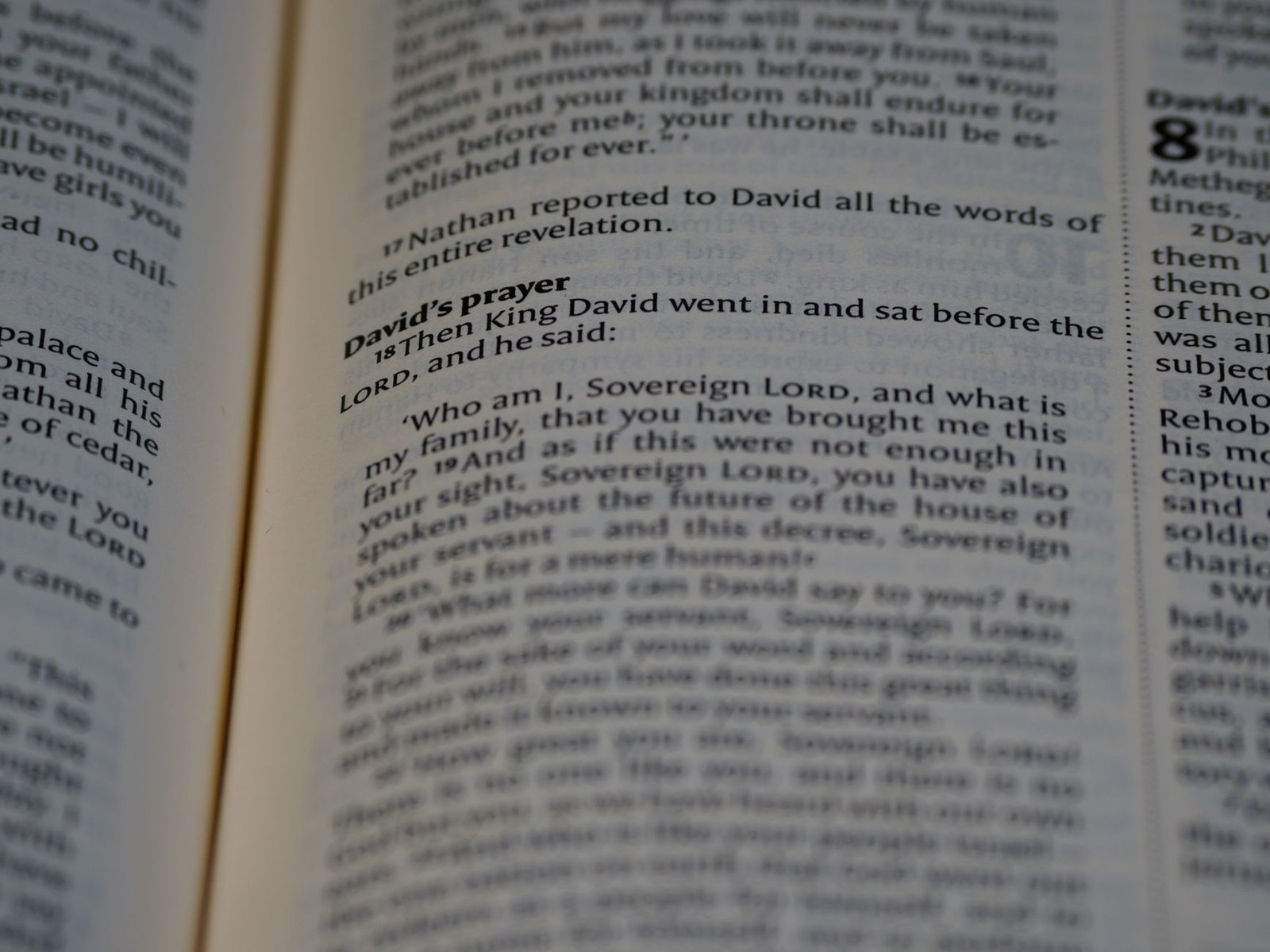
The Shepherd King: David’s Early Years
David’s early life as a shepherd provides a foundational lesson in faith. While tending his father’s sheep, David encountered God in the solitude of the fields. This time of quiet reflection and reliance on God prepared him for the challenges to come. The heart of a shepherd is one that cares deeply for those entrusted to him, and it was this very heart that God saw in David when choosing him as king.
David’s faith was tested when he faced the lion and the bear. He did not rely on his own strength alone; instead, he trusted in God’s protection and power. This confidence in God would later serve him well when he confronted Goliath, the giant who taunted the armies of Israel. It is crucial to understand that David’s victories began long before he faced Goliath; they were rooted in his faith cultivated through everyday trials.

Confronting Goliath: Faith in Action
The encounter with Goliath is perhaps one of the most well-known stories in the Bible. David’s willingness to face the giant exemplifies the essence of faith in action. When the Israelite army cowered in fear, David stepped forward, not out of arrogance but with a profound trust in God. His words to King Saul highlight his faith: “The Lord who delivered me from the paw of the lion and the bear will deliver me from the hand of this Philistine” – 1 Samuel 17:37.
David’s selection of five smooth stones was not an indication of doubt but a testament to his readiness and faith in God’s plan for victory. His confidence was not in the weapons of man but in the power of God. This teaches us that facing our giants—whether they be fears, insecurities, or challenges—requires an unwavering dependence on God’s strength rather than our own.
Reflection Point
Consider how David's faith can inspire you to trust God in your own challenges. Reflect on the ways God has been faithful in your life.
The Heart of Worship: David as a Psalmist
David’s relationship with God was deeply rooted in worship, and many of the Psalms reflect his heart. As a psalmist, David expressed his joys, sorrows, fears, and praises. His writings invite us into a deeper understanding of emotional honesty before God.
In Psalm 23, David encapsulates his trust in God as his shepherd, providing reassurance and comfort. The imagery he employs reveals his intimate relationship with God, as he acknowledges both His guidance and protection. Worship, for David, was not limited to song; it was a complete lifestyle, an ongoing conversation with God.

Lessons in Leadership: David’s Reign
David’s journey from shepherd to king offers vital leadership lessons. His ability to lead with humility and reliance on God’s wisdom is evident throughout his reign. Despite his flaws and mistakes, including his grievous sin with Bathsheba, David’s heart remained attuned to God’s voice.
After his sin, David’s repentance was immediate and heartfelt. He did not hide from God but sought Him earnestly, recognizing his need for forgiveness. This teaches us about the importance of humility and the willingness to turn back to God when we stray. David’s leadership was marked by a deep sense of accountability to God, reminding us that true leadership stems from integrity and faithfulness.
The Power of Community: David and His Mighty Men
David’s life was not lived in isolation; he surrounded himself with a loyal group known as his mighty men. These individuals demonstrated the importance of community and support in faith. They stood by David through thick and thin, reminding us that our faith journey is often intertwined with the relationships we cultivate.
This community provided David with encouragement and strength, showing us that we are not meant to walk this path of faith alone. The bonds formed in faith can offer both accountability and companionship, helping us to grow stronger together. Just as David relied on his companions, we too can find strength in our Christian relationships.
Facing Trials: David’s Challenges and Perseverance
David faced numerous trials throughout his life, including persecution from King Saul and the rebellion of his own son, Absalom. These challenges tested his faith, yet through each one, David sought refuge in God. His cries in the Psalms reveal a man who wrestled with fear, doubt, and despair, yet continually turned to God for solace and strength.
In moments of despair, David’s prayers reveal his vulnerability and honesty. He shares his struggles, yet always reflects on the faithfulness of God. This teaches us that in our trials, we are invited to be honest with God about our feelings while holding on to the truth of His promises. Perseverance in faith during difficult times can lead to deeper intimacy with God and a greater understanding of His character.

The Role of Repentance: David’s Return to God
David’s life is also a profound lesson in the power of repentance. His sin with Bathsheba led to significant consequences, yet his genuine repentance restored his relationship with God. When confronted by the prophet Nathan, David’s immediate response was one of sorrow and a cry for mercy.
This moment teaches us that failure does not have to define us. Instead, it can lead us back to the loving arms of our Father. David’s heartfelt psalm of repentance, Psalm 51, exemplifies the importance of recognizing our sins and seeking God’s forgiveness. In our own lives, we can learn that true repentance involves turning away from sin and turning back to God, who is always ready to forgive.
The Assurance of God’s Promises: David’s Legacy
David’s life ultimately points us to the assurance of God’s promises. God made a covenant with David, promising that his lineage would endure forever. This promise finds its fulfillment in Jesus Christ, who came from David’s line.
David’s faithfulness, despite his failings, highlights the grace of God at work in our lives. We, too, can take comfort in the promises God has made to us, knowing that He is faithful to fulfill them. Understanding the legacy of David encourages us to live in light of God’s promises, trusting that He is at work in our lives even when we cannot see it.
Applying David’s Lessons to Our Lives
As we reflect on the life of David, we are called to apply these lessons to our own faith journeys. David teaches us to trust God in every circumstance, to worship with our whole hearts, and to embrace community as we navigate life’s challenges.
In moments of doubt or fear, we can look to David’s example of courage and reliance on God. When we stumble, we can practice the humility of repentance, knowing that God welcomes us back with open arms. Each of these lessons from David’s life invites us to deepen our faith and to live out our trust in God more fully.
In our daily lives, may we embody the faith of David, facing our giants, leading with integrity, and resting in the assurance of God’s promises. By doing so, we can cultivate a life that not only honors God but also inspires those around us to seek Him wholeheartedly.
The Importance of Patience: David’s Waiting Periods
Throughout David’s life, we see a recurring theme of waiting—a necessary component of his journey. After being anointed as king by Samuel, David spent years in the wilderness, fleeing from Saul, who sought to kill him. This period was not wasted; it was a time of growth, preparation, and deepening reliance on God.
Key Takeaways
- David shows us courage in adversity
- Trust in God leads to victory
- Repentance restores our relationship
- Praise strengthens our faith
David’s patience during these years teaches us valuable lessons about trusting God’s timing. When given the opportunity to take Saul’s life, David refrained, stating, “I will not lift my hand against the Lord’s anointed” – 1 Samuel 24:6. His respect for God’s appointed authority demonstrates his understanding that promotion and vindication come from God alone. In our lives, we too can learn the significance of waiting on the Lord, embracing the process of preparation as we trust in His perfect timing.
The Value of Courageous Faith: David’s Decisions
David’s faith was often displayed through his courageous decisions, which were rooted in his belief in God’s promises. Beyond his battle with Goliath, David faced many formidable foes and daunting situations, yet he consistently chose to act with boldness. When confronted with the Philistine threat, he declared, “Who is this uncircumcised Philistine that he should defy the armies of the living God?” – 1 Samuel 17:26. David’s courage stemmed from his identity as a child of God, which empowered him to take action where others saw only fear.
In our own lives, we are called to make decisions that reflect our faith, even when circumstances seem overwhelming. David’s example encourages us to step out in courageous faith, knowing that God fights our battles and equips us for victory. Our faith should inspire us to take risks for the kingdom, trusting that God will be with us every step of the way.
The Example of Generosity: David’s Heart for Others
David’s life was characterized not only by his relationship with God but also by his compassion and generosity towards others. Despite being king, he was concerned for the needs of his people, often seeking to bless them. One poignant example is found in his desire to show kindness to Mephibosheth, Jonathan’s son, after Saul’s death. David said, “Do not be afraid, for I will surely show you kindness for the sake of your father Jonathan” – 2 Samuel 9:7.
This act of generosity illustrates the importance of looking beyond ourselves and caring for those in need. David’s willingness to extend grace emphasizes that true leadership involves serving others and being mindful of their plight. In our daily interactions, we can follow David’s example by seeking to bless those around us, reflecting God’s love through acts of kindness and generosity.
The Heart of Worship: David’s Expression of Praise
David is often remembered for his heartfelt worship and musical talent, which played a crucial role in his relationship with God. He composed many of the Psalms, which are rich in praise, lament, and worship. His passionate worship was not limited to the temple; it permeated his everyday life. He danced before the Lord with all his might, demonstrating his unrestrained joy and reverence for God: “David danced before the Lord with all his might” – 2 Samuel 6:14.
This teaches us that worship is not merely a Sunday activity but a lifestyle. David’s example encourages us to express our love for God in diverse ways, whether through music, art, or acts of service. In our lives, we can cultivate a heart of worship by seeking to honor God in all our actions and interactions, allowing our relationship with Him to flow into every aspect of our daily routines.
The Complexity of Leadership: David’s Strengths and Weaknesses
David’s life as a leader is marked by both extraordinary successes and significant failures, providing a balanced view of what it means to lead. His ability to unite the tribes of Israel and establish a strong kingdom is commendable, yet his moral failures, including the incident with Bathsheba and the resulting consequences, remind us of the weight of leadership. In his time of sin, David reflected on his actions, saying, “Create in me a clean heart, O God” – Psalm 51:10, showcasing a leader’s need for personal integrity.
This duality in David’s character teaches us that leadership is not about perfection but about humility and accountability. Acknowledging our weaknesses and seeking guidance from God can strengthen our leadership. In our roles—be it in families, workplaces, or communities—we can strive to lead with integrity, learning from both our successes and failures, and always seeking God’s wisdom along the way.
The Impact of Legacy: David’s Influence on Future Generations
David’s legacy extends far beyond his lifetime. His faith, psalms, and covenants laid the foundation for the future of Israel and ultimately pointed to the coming Messiah. God’s promise to David that his throne would be established forever is fulfilled in Christ, who is referred to as the Son of David: “He will reign over the house of Jacob forever; his kingdom will never end” – Luke 1:33.
This aspect of David’s life serves as a reminder of the impact our actions and faith can have on future generations. Every decision we make can influence those who come after us, whether in our families, communities, or churches. By living out our faith authentically and intentionally, we can leave a legacy that honors God and inspires others to pursue Him wholeheartedly. David’s life encourages us to think about how our faith journey might shape the next generation, urging us to invest in others and point them toward Christ.
Frequently Asked Questions
What can we learn from David's faith?
David exemplifies unwavering faith in God's promises, showing us that trust and courage can lead to divine victory, even in daunting circumstances.
How did David's relationship with God shape his leadership?
David's deep relationship with God, marked by prayer and worship, provided him with wisdom and strength, influencing his decisions and the nation of Israel.
What role did repentance play in David's life?
David's authentic repentance after his sins demonstrated the importance of humility and God's grace, reminding us that we can always return to God for forgiveness.
How can we apply David's lessons to our daily lives?
By studying David's life, we learn to trust God in our struggles, embrace worship as a source of strength, and practice repentance, fostering a closer relationship with Him.
Final Thoughts
David's story is a profound testament to faith in action. As we reflect on his life, may we be inspired to trust God wholeheartedly, knowing that our struggles can lead to greater faith and intimacy with Him.
Further Study