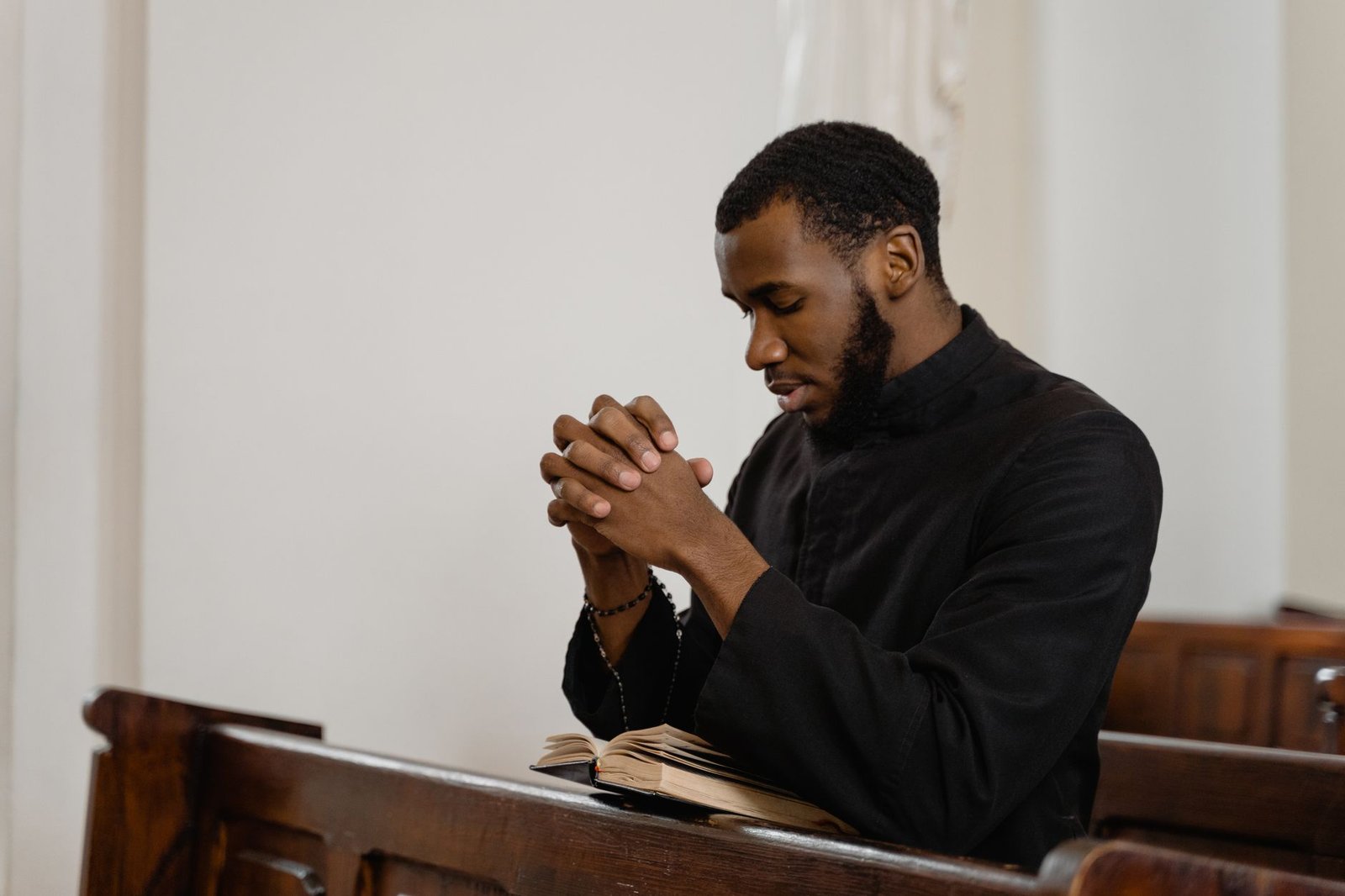
Introduction to Joseph’s Life
Joseph, the son of Jacob and Rachel, stands out as a figure of remarkable resilience and faith in the Old Testament. His life, filled with dramatic twists and turns, offers a narrative rich with lessons that are still relevant today. From being a favored son to a slave in Egypt, and ultimately rising to second-in-command, Joseph’s journey reminds us that God is intricately involved in our lives, even in times of hardship.
His story, found in the Book of Genesis, invites us to reflect on our own experiences of betrayal, trial, and triumph. Joseph’s life is not merely a historical account; it serves as a testament to the enduring power of faith, forgiveness, and divine providence.

Faith Amidst Adversity
One of the most compelling lessons from Joseph’s life is his unwavering faith in God amidst adversity. After being sold into slavery by his brothers, Joseph faced immense trials. Despite being wrongfully imprisoned for resisting the advances of Potiphar’s wife, he maintained his integrity and trust in God’s plan.
Joseph’s ability to remain faithful during such dark times illustrates a profound truth: our circumstances do not dictate our faith. His story encourages us to hold onto our beliefs even when we find ourselves in dire situations. In our own lives, we may not face the same betrayals or injustices that Joseph did, but we all encounter moments that test our faith.
In moments of despair, it may help to reflect on Joseph’s journey. He believed that God was with him, which fortified him against the trials he faced. Just as Joseph clung to his faith, we too are invited to trust God’s presence in our struggles.
Reflection Point
Consider the trials in your life as opportunities for growth, reflecting on how God is shaping your character through them.
The Power of Forgiveness
Forgiveness is a recurring theme in Joseph’s narrative. After years of hardship, Joseph encounters his brothers once again during a famine. Instead of seeking revenge for their betrayal, he chooses to forgive them. This act of grace not only reflects Joseph’s character but also illustrates the transformative power of forgiveness.
Joseph’s response to his brothers serves as a powerful reminder that holding onto resentment can hinder our spiritual growth. Forgiveness, while challenging, is essential for healing and moving forward. When Joseph revealed his identity to his brothers, he reassured them, saying, “You meant it for evil, but God meant it for good” (a paraphrase of the sentiment found in Genesis 50:20). This perspective allows us to see our own trials through a lens of grace and purpose.
Forgiveness is not merely an act; it is a choice that liberates us from the chains of bitterness. Joseph’s example encourages us to extend forgiveness to those who have wronged us, allowing God to work through our pain for a greater good.

The Importance of Integrity
Joseph’s story also highlights the importance of integrity. When faced with temptation from Potiphar’s wife, he chose to flee rather than compromise his values. This decision ultimately led to his imprisonment, yet it also showcased his unwavering commitment to living a life that honored God.
In our daily lives, we are often faced with choices that challenge our integrity. Joseph’s example teaches us that integrity may come at a cost, but it is a vital aspect of our character and witness. Choosing to act righteously, even when it is difficult, sets a foundation for trustworthiness in our relationships and our walk with God.
Additionally, Joseph’s integrity did not go unnoticed. His character opened doors for him; he was eventually placed in positions of leadership because of his trustworthiness. This teaches us that God honors those who honor Him with their lives.
God’s Divine Providence
Throughout Joseph’s life, we see a beautiful tapestry of God’s providence at work. The seemingly random events—his brothers’ betrayal, his time in prison, and his interpretation of Pharaoh’s dreams—ultimately led to God’s plan of saving many lives during a famine.
Joseph’s ability to see God’s hand in every situation reminds us that God is sovereign. Even when circumstances seem chaotic or unfair, we can trust that God is weaving a greater plan. This assurance allows us to navigate life’s uncertainties with hope and courage.
In our own lives, recognizing God’s providence can shift our perspective from despair to hope. We can reflect on past experiences where we have seen God at work, affirming our belief that He is in control and is working for our good, even when we cannot see it.

Resilience in Trials
Joseph’s resilience is another vital lesson from his life. He faced betrayal, false accusations, and imprisonment, yet he never succumbed to despair. Instead, he persevered, allowing each trial to refine his character and deepen his reliance on God.
Resilience is not just about enduring difficult situations but also about growing through them. Joseph’s journey illustrates that trials can serve as opportunities for growth and transformation. In our own lives, we may encounter challenges that test our strength, but these moments can also lead to greater faith and maturity.
By embracing challenges as part of our journey, we can cultivate resilience. Just as Joseph emerged stronger from his trials, we too can find strength in our struggles, knowing that God uses them to shape us into His image.
The Role of Dreams and Vision
Joseph’s dreams at the beginning of his story serve as a crucial element of his journey. They not only foretold his future but also provided him with hope and direction. Dreaming is an essential aspect of our spiritual journey as it connects us to God’s vision for our lives.
Joseph’s dreams, however, required patience and perseverance. The fulfillment of his dreams did not happen overnight; it was a process filled with hardships and waiting. This teaches us that while God may place dreams in our hearts, the path to their fulfillment may involve challenges that test our faith and resolve.
In our pursuit of our dreams, we should remain open to God’s timing and guidance. Just as Joseph learned to navigate his journey with faith, we too can trust that God will lead us according to His perfect plan.
The Blessing of Community
Joseph’s story also highlights the importance of community and relationships. After reuniting with his brothers, he did not only forgive them but also embraced them, providing for their needs during the famine. This act of reconciliation demonstrates how vital relationships are in our spiritual journey.
In our lives, the support of a community can be a source of strength during challenging times. By surrounding ourselves with people who encourage and uplift us, we can navigate trials with greater resilience. Furthermore, Joseph’s willingness to forgive and reconcile with his family emphasizes the power of restoring broken relationships.
Building a supportive community requires intentionality and openness. Just as Joseph welcomed his brothers, we too can foster relationships that promote healing and growth in our lives and those around us.
Living with Purpose
Joseph’s journey culminates in a life lived with purpose. After rising to power in Egypt, he understood that his experiences were not merely for personal gain but served a greater purpose—to save many lives during a time of famine.
Living with purpose means recognizing that our lives have significance beyond ourselves. Joseph’s story encourages us to seek out how God can use our experiences—both good and bad—to impact others positively. Each of us has a unique story that can bring hope and healing to those around us.
As we navigate our own journeys, we can ask God to reveal our purpose and how we can serve others through our experiences. This perspective shifts our focus from self-centeredness to a broader vision of community and service.
Conclusion
Joseph’s life is a treasure trove of lessons that resonate deeply within the human experience. His resilience, integrity, and faithfulness serve as a reminder of the transformative power of trusting in God. By embracing forgiveness, recognizing God’s providence, and living with purpose, we can navigate our trials with hope, knowing that God is always at work in our lives.
As we reflect on Joseph’s journey, may we be inspired to cultivate faith, extend grace, and seek God’s purpose in our own lives. In doing so, we can emerge from our trials not only stronger but also more aligned with God’s will.
The Power of Humility
Another significant lesson from Joseph’s life is the power of humility. Despite his rise to power in Egypt, Joseph never allowed his position to cloud his judgment or inflate his ego. When his brothers came to him seeking help during the famine, he did not seek revenge or act out of bitterness; instead, he approached the situation with grace and humility.
Key Takeaways
- Joseph's resilience inspires us
- Forgiveness is a powerful choice
- Trust in God's timing
- God's plan unfolds through trials
“You intended to harm me, but God intended it for good to accomplish what is now being done, the saving of many lives.” – Genesis 50:20
Joseph’s humility is a profound reminder that true leadership is rooted in serving others. He acknowledged that his position was not merely a result of his own efforts but was ordained by God for a greater purpose. This teaches us that humility opens the door for God’s blessings and enables us to positively influence those around us.
In our lives, practicing humility can foster stronger relationships and create an environment where others feel valued and respected. It encourages collaboration and understanding, allowing us to work together for the common good, much like Joseph did with his family.
Faith in Action
Joseph’s life exemplifies faith in action. Throughout his trials, he remained steadfast in his trust in God, demonstrating that faith is not just a passive belief but an active response to life’s circumstances. Each step of his journey—from being sold into slavery to interpreting Pharaoh’s dreams—was marked by his unwavering belief that God had a plan for him.
“The Lord was with Joseph, so he succeeded in everything he did.” – Genesis 39:2
This verse highlights that Joseph’s success was directly linked to his faithfulness to God. He did not sit idly by, waiting for God’s promises to unfold; instead, he worked diligently and remained faithful in every situation. His actions were fueled by the confidence that God was with him, which ultimately led to his promotion in Egypt.
In our own lives, we are called to embody our faith through our actions. This means making choices that reflect our beliefs, serving others selflessly, and trusting God in every situation. As we take steps of faith, we may find that God uses our efforts in ways we never imagined, aligning our actions with His divine purpose.
The Gift of Wisdom
Joseph’s journey also highlights the importance of wisdom and discernment. His ability to interpret dreams was not just a gift but also a reflection of his relationship with God, who granted him insight into the future. This wisdom was vital not only for his own life but also for the lives of many others during the famine.
“And Pharaoh said to Joseph, ‘Since God has shown you all this, there is no one so discerning and wise as you.'” – Genesis 41:39
Joseph’s wisdom allowed him to devise a plan that saved countless lives, demonstrating that seeking God’s wisdom can lead to profound outcomes. In our lives, we should earnestly seek wisdom through prayer, studying the Scriptures, and seeking counsel from those who are spiritually mature.
Embracing wisdom enables us to make informed decisions that align with God’s will and to navigate the complexities of life with clarity and purpose. Like Joseph, we can trust that when we seek God’s guidance, He will provide us with the understanding we need to act wisely in every situation.
The Importance of Integrity
Joseph’s life is a powerful testament to the importance of integrity, particularly evident in his time in Potiphar’s house. When tempted by Potiphar’s wife, Joseph chose to remain faithful to his master and to God, opting to flee rather than compromise his values. His response underscores a pivotal lesson in maintaining moral integrity in the face of temptation.
“How then could I do such a wicked thing and sin against God?” – Genesis 39:9
This declaration reveals Joseph’s understanding that his actions had spiritual implications, reflecting a deep commitment to doing what was right, even when faced with dire consequences. His integrity ultimately led to his unjust imprisonment, yet it was also a key factor in his later rise to prominence.
In our lives, integrity acts as a guiding principle that shapes our decisions and interactions with others. By upholding our values, we not only honor God but also build trust and respect in our relationships. Like Joseph, we can strive to maintain integrity in all circumstances, understanding that it is often the foundation for true success and fulfillment.
Embracing Forgiveness
Forgiveness is another critical theme in Joseph’s story. After years of suffering at the hands of his brothers, he ultimately chose to forgive them when they sought his help during the famine. This act of forgiveness was not just a release for his brothers but also a significant step in Joseph’s healing process.
“And he kissed all his brothers and wept over them. Afterwards his brothers talked with him.” – Genesis 45:15
Joseph’s willingness to forgive demonstrates the freeing power of letting go of past hurts. He recognized that harboring bitterness would only hinder his own well-being and spiritual growth. Instead, Joseph chose to extend grace, leading to restoration in his family relationships.
In our own lives, we may face situations where forgiveness seems difficult or even impossible. However, Joseph’s example encourages us to prioritize forgiveness as a pathway to healing. By releasing our grievances, we open ourselves to God’s peace and allow for the possibility of reconciliation and deeper relationships.
God’s Sovereignty in Our Lives
Throughout Joseph’s journey, the thread of God’s sovereignty is woven intricately into each event. From being sold into slavery to rising as a leader in Egypt, Joseph’s life illustrates how God orchestrates circumstances for His divine purposes. Even in moments of despair, Joseph maintained faith in God’s overarching plan.
“You intended to harm me, but God intended it for good to accomplish what is now being done, the saving of many lives.” – Genesis 50:20
Joseph’s recognition of God’s hand in his life encourages us to view our own experiences through a lens of faith. When we encounter trials or setbacks, we can trust that God is working behind the scenes, using our struggles to shape us and fulfill His purposes.
By acknowledging God’s sovereignty, we can develop a deeper sense of peace and assurance in our journeys. This perspective invites us to surrender our worries and embrace the belief that, regardless of our circumstances, God is always in control and working for our good.
Frequently Asked Questions
What key lessons can we learn from Joseph's story?
Joseph's story teaches us about resilience in adversity, the importance of forgiveness, and trusting God's plan even when circumstances seem bleak.
How did Joseph demonstrate forgiveness?
Joseph forgave his brothers who sold him into slavery, showing immense grace and understanding, which illustrates the power of forgiveness in healing relationships.
What role does faith play in Joseph's life?
Joseph's faith in God remained steadfast throughout his trials, exemplifying how trust in God can sustain us during difficult times.
How can we apply Joseph's lessons in our daily lives?
By embodying resilience, practicing forgiveness, and trusting God's timing, we can navigate our challenges with hope and purpose.
Final Thoughts
Joseph's journey reminds us that God can turn our trials into triumphs. As we embrace the lessons from his life, may we grow in faith and grace.
Further Study