

The Call to Kindness in Scripture
As believers, we are called to live out our faith in tangible ways, with kindness being at the forefront. The Bible encourages us to embody kindness as a reflection of God’s character. This divine attribute is not merely a suggestion; it is a command. Jesus exemplifies this in His life, demonstrating kindness in every interaction. Whether healing the sick, feeding the hungry, or comforting the grieving, His acts of compassion were profound and transformative.
In Ephesians, we are urged to “be kind to one another, tenderhearted, forgiving one another, as God in Christ forgave you” – Ephesians 4:32. This verse beautifully encapsulates the essence of kindness as a response to God’s grace in our lives. When we understand how deeply we have been loved and forgiven, it naturally compels us to extend that same grace to others.

The Power of Small Acts
Kindness does not always have to be grandiose; sometimes, it is the small, everyday acts that have the most significant impact. A warm smile, a helping hand, or a sincere compliment can brighten someone’s day in ways we may not fully understand. These small gestures can open doors to deeper conversations about faith and life, serving as a bridge to share the love of Christ.
Consider how a simple act, like holding the door open or offering to carry groceries for a neighbor, can create moments of connection. These little acts of kindness demonstrate that we see others, recognize their needs, and care for them. Furthermore, they serve as reminders of God’s love in our lives, encouraging others to reflect on their own journeys of faith.
Reflection Point
Consider how a simple act of kindness today can reflect God's love to those around you. Even small gestures matter.
Intentionality in Kindness
Living out our faith through kindness requires intentionality. It is easy to become caught up in our routines and forget to look for opportunities to serve others. Being intentional means making a conscious effort to seek out ways to express kindness. This could involve setting aside time each week to volunteer at a local charity, writing encouraging notes to friends, or simply checking in on someone who may be struggling.
Intentional kindness can also be cultivated through prayer. Before starting your day, ask God to open your eyes to the needs around you and give you the courage to act. When we invite God into our daily plans, we become more attuned to His leading and can respond to the opportunities He provides.
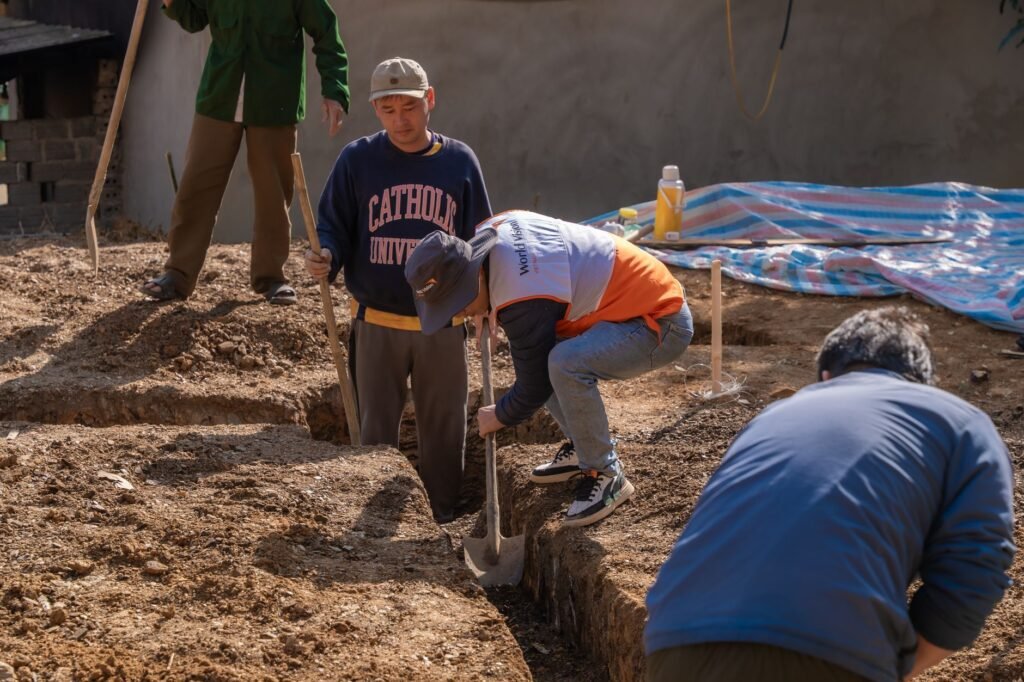
The Ripple Effect of Kindness
Acts of kindness have a remarkable ripple effect. When we show kindness to someone, it often inspires them to pay it forward. This chain reaction can lead to a community flourishing in love and compassion. Imagine a world where kindness becomes the norm rather than the exception, where each act of love encourages another.
In Matthew, we are reminded that “In everything, therefore, treat people the same way you want them to treat you” – Matthew 7:12. This principle, often referred to as the Golden Rule, encourages us to think about how our actions impact others. When we choose to act kindly, we create a cycle of positivity that can spread wide and far.
Kindness in the Midst of Conflict
It’s easy to show kindness when things are going well, but what about in times of conflict or disagreement? This is where our faith is truly tested. Responding with kindness, rather than reacting in anger or frustration, can diffuse tension and open up pathways for reconciliation.
In Colossians, we are instructed to “put on then, as God’s chosen ones, holy and beloved, compassionate hearts, kindness, humility, meekness, and patience” – Colossians 3:12. This verse serves as a reminder that our identity as God’s chosen people calls us to a higher standard, even in challenging situations. Choosing kindness during conflict not only reflects our faith but also models Christ’s love to others.
Creating a Culture of Kindness
As individuals, we can contribute to creating a culture of kindness within our communities. This can begin within our families, schools, workplaces, and churches. Encouraging a mindset of kindness can lead to increased empathy and cooperation among people.
Consider organizing community events focused on kindness, such as food drives, neighborhood clean-ups, or random acts of kindness challenges. These activities not only foster a sense of community but also provide opportunities for individuals to connect and grow together in faith and love.
Sharing Stories of Kindness
Stories have the power to inspire and motivate. When we share stories of kindness—whether they are personal experiences or testimonies from others—we highlight the impact of love in action. These narratives can encourage those around us to engage in their acts of kindness, fostering a shared commitment to living out our faith.
Consider starting a kindness journal or sharing stories on social media of acts of kindness you witness or experience. This can create an atmosphere of gratitude and inspiration, reminding us all of the goodness that exists in the world when we choose to act with love.

Being a Kindness Ambassador
All of us can be ambassadors of kindness in our daily lives. This role doesn’t require a specific title or position; it simply requires a willing heart. Each of us has the power to impact those around us through our choices and actions.
As we go about our day-to-day lives, let us be mindful of how we can embody kindness. This could mean offering to help a coworker with a project, being patient with a difficult customer, or simply being present and listening to a friend in need. Recognizing that our actions can either uplift or discourage others should drive us to choose kindness consistently.
Prayer and Kindness
Prayer is an essential component of living out our faith. When we pray for guidance and strength to show kindness, we invite God into our efforts. Prayer can help us cultivate a heart that desires to serve others and brings to mind specific people and situations where we can make a difference.
Consider incorporating prayers for kindness into your daily routine. Ask God to help you see others through His eyes, to soften your heart, and to give you the courage to act. With His help, we can become powerful vessels of His love and grace in the world.
Living out our faith through acts of kindness not only changes the lives of those around us but also deepens our relationship with God. As we extend love and compassion, we reflect the heart of Christ in a world that desperately needs it.
Kindness as a Form of Service
Showing kindness is not just about being polite; it often involves serving others in tangible ways. Service is a direct expression of love and compassion, and it can take many forms. Whether it’s volunteering at a local shelter, helping a neighbor with yard work, or simply offering your time to listen to someone in distress, acts of service can profoundly affect those around us.
Key Takeaways
- Kindness reflects God’s love
- Small gestures can impact lives
- Faith in action inspires others
- Kindness fosters community connections
In Galatians, we are reminded to “serve one another through love” – Galatians 5:13. This call to action emphasizes that our kindness should be rooted in a desire to serve others, reflecting the selfless love of Christ. By actively seeking to meet the needs of others, we create an environment where kindness flourishes and individuals feel valued and cared for.
Practicing Kindness in the Digital Age
In today’s world, where social media and technology dominate communication, kindness can also be expressed online. Digital platforms offer a unique opportunity to spread positivity and encouragement beyond our immediate circles. A kind word, an uplifting message, or sharing inspirational content can have a far-reaching impact.
Philippians encourages us to “let your gentleness be known to everyone” – Philippians 4:5. This includes our online interactions. Being mindful of our words and actions in digital spaces can help foster a culture of kindness that transcends physical boundaries. Consider sending a thoughtful message to someone, sharing a story that uplifts others, or simply expressing gratitude publicly for someone who has made a difference in your life.
Kindness and Forgiveness
One of the most profound expressions of kindness is the act of forgiveness. When we choose to forgive others, we not only release them from the burden of their actions but also free ourselves from the weight of resentment and bitterness. Forgiveness is a powerful testament to the transformative nature of God’s love in our lives.
In Luke, we are taught to “forgive, and you will be forgiven” – Luke 6:37. This principle underscores that kindness and forgiveness go hand in hand. By extending forgiveness, we demonstrate kindness that can heal relationships and foster reconciliation, reflecting the grace that God has shown us. Embracing a spirit of forgiveness allows us to live out our faith actively, showcasing the love of Christ in our interactions with others.
Kindness in Leadership
Leadership provides a unique platform to demonstrate kindness and influence others positively. Whether in a formal role or informal setting, leaders have the ability to set the tone for their environment. By embodying kindness, leaders can inspire their teams, create trust, and foster collaboration.
In Proverbs, we are reminded that “a leader who is kind to the poor is like a rain cloud that carries no rain” – Proverbs 25:14. This metaphor highlights the importance of leaders not only making promises but also demonstrating genuine care for those they lead. When leaders practice kindness, they not only enhance their own credibility but also encourage those around them to do the same, creating a ripple effect of compassion and support.
Acts of Kindness in Challenging Times
During difficult times, whether due to personal struggles or broader societal issues, kind acts can provide comfort and hope. The world often feels overwhelming, and small gestures of kindness can serve as reminders of God’s love and presence in our lives.
In 2 Corinthians, we are encouraged to “comfort those in any affliction” – 2 Corinthians 1:4. This call to action urges us to reach out to those who are suffering, offering our support and kindness. Simple acts, such as sending a message of encouragement, preparing a meal for someone in need, or volunteering at a crisis center, can make a significant difference. By being present and compassionate, we can help lighten the burdens of others during their challenging moments.
Kindness as a Spiritual Discipline
Incorporating kindness into our daily routines can transform it into a spiritual discipline. By intentionally looking for opportunities to show kindness, we cultivate a habit that not only benefits others but also strengthens our faith. Acts of kindness can become a means of grace that deepens our relationship with God and sharpens our awareness of His presence in our lives.
James encourages us to “be doers of the word, and not hearers only” – James 1:22. This call to action challenges us to put our faith into practice through tangible acts of kindness. By integrating kindness into our spiritual disciplines, such as prayer and scripture reading, we can nurture a heart that seeks to serve others. This alignment of faith and action helps us live out our beliefs authentically, reinforcing the message of Christ’s love in every aspect of our lives.
Encouraging Kindness Through Community
Community plays a vital role in fostering kindness. When we come together as a group, we can amplify our efforts and create a culture of compassion. Engaging in community service projects, organizing support groups, or simply gathering to share meals can strengthen bonds and encourage acts of kindness among members.
In Hebrews, we are reminded to “consider how to stir up one another to love and good works” – Hebrews 10:24. This exhortation emphasizes the importance of encouraging one another to act kindly and serve collectively. By collaborating with others, we can impact our communities positively and inspire those around us to join in our efforts. Supporting local charities, participating in neighborhood clean-ups, or hosting kindness events can transform our surroundings and demonstrate the love of Christ in action.
Kindness as a Reflection of God’s Character
Understanding that kindness is a reflection of God’s character can motivate us to embody it in our daily lives. The Bible consistently portrays God as gracious and merciful, emphasizing His unwavering kindness towards humanity. When we practice kindness, we are not only obeying His commands but also mirroring His attributes to the world.
“But the fruit of the Spirit is love, joy, peace, patience, kindness, goodness, faithfulness” – Galatians 5:22
This verse highlights that kindness is a fruit of the Spirit, indicating that it should flow naturally from us as we grow in our relationship with God. By nurturing our spiritual lives through prayer, study, and fellowship, we can cultivate a heart that reflects His kindness, making it easier to share with others. This understanding can transform our perspective on kindness from a mere duty to a heartfelt expression of our faith.
Kindness as a Form of Evangelism
Acts of kindness can serve as powerful tools for evangelism. When we demonstrate genuine care and compassion, we create opportunities to share the gospel and reflect Christ’s love. People are often more receptive to spiritual conversations when they see kindness in action, as it opens their hearts to the message we carry.
“In the same way, let your light shine before others, that they may see your good deeds and glorify your Father in heaven” – Matthew 5:16
This verse encourages us to let our actions reflect our faith, drawing others to God through our kindness. By being intentional in our interactions, whether through small everyday gestures or larger acts of service, we can be a living testament to God’s love. Sharing our stories of how kindness has impacted our lives can further inspire others to explore their faith, making kindness not only a personal practice but also a communal mission.
Frequently Asked Questions
How can I show kindness in my daily life?
You can show kindness through simple acts like helping a neighbor, offering a warm smile, or volunteering your time. These small gestures can have a significant impact and reflect your faith.
What does the Bible say about kindness?
The Bible speaks extensively about kindness, encouraging believers to show compassion and love to others, reflecting God's character. Acts of kindness are seen as essential expressions of faith.
Why is kindness important in Christianity?
Kindness is crucial in Christianity as it embodies the love of Christ and fulfills the command to love one another, serving as a testament to our faith.
How can kindness lead to deeper relationships?
Acts of kindness create trust and openness, fostering deeper connections and community ties as individuals feel valued and loved.
Final Thoughts
As we journey through life, let us embrace kindness as a true reflection of our faith. Each act of love, no matter how small, can illuminate the world around us and draw others closer to God.
Further Study