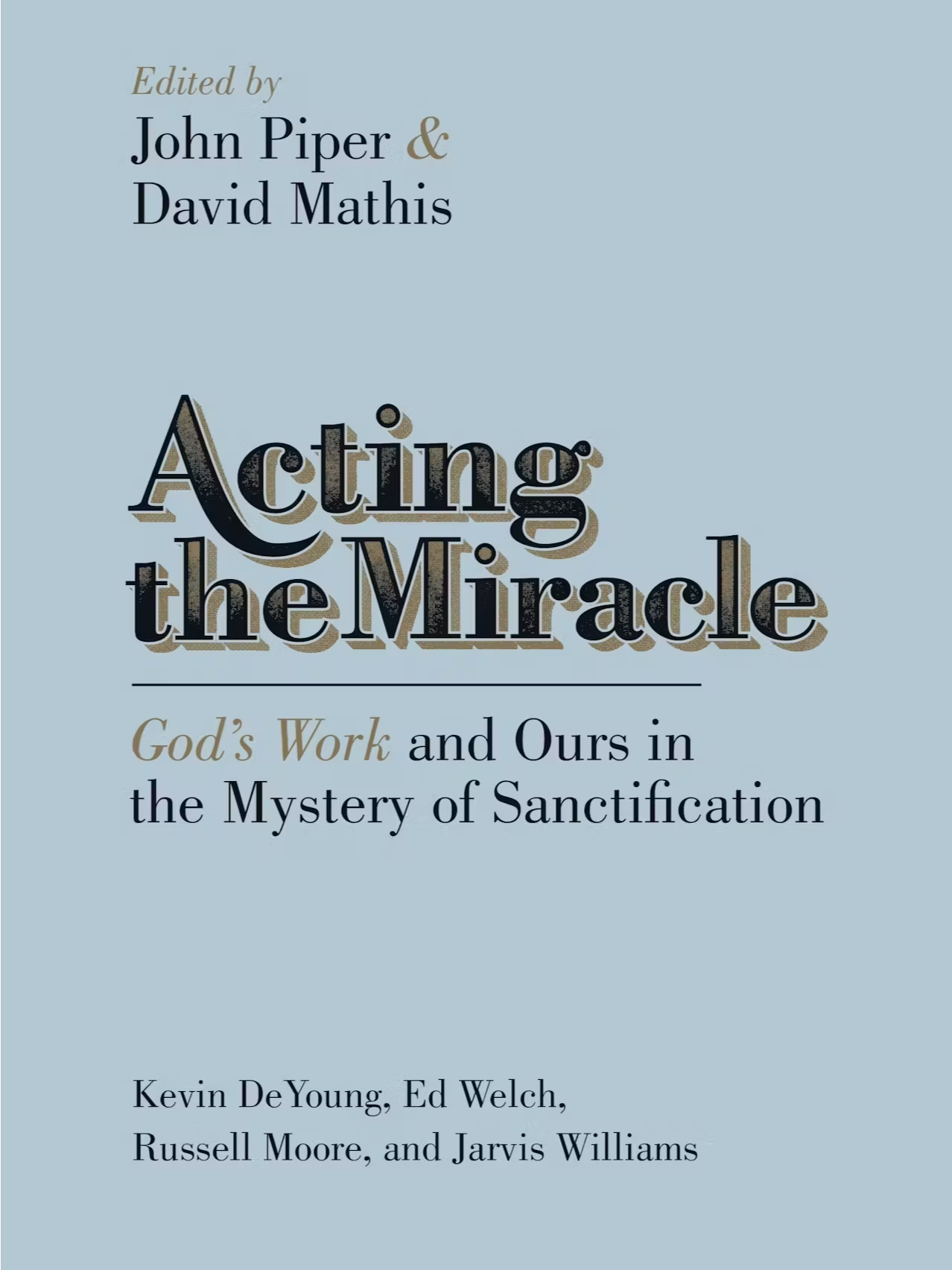

Defining Christian Maturity
Christian maturity is the process of growing in faith, understanding, and love, enabling believers to reflect Christ in their daily lives. It is not merely about the length of time spent in church or the volume of knowledge accumulated but rather how that knowledge shapes character and action. A mature Christian exemplifies the fruits of the Spirit, which includes love, joy, peace, patience, kindness, goodness, faithfulness, gentleness, and self-control. These qualities are essential as they form the foundation for healthy relationships within the church.
The Role of Love in Maturity
At the heart of Christian maturity is love—the love that God has for us and the love we are called to extend to others. This love is not conditional; it does not waver based on circumstances or actions of others. A mature Christian understands that loving others is a command from God and reflects an understanding of His grace. As Paul writes, “If I speak in the tongues of men or of angels, but do not have love, I am only a resounding gong or a clanging cymbal” – 1 Corinthians 13:1. This underscores the necessity of love in every aspect of our Christian lives, especially within the church.

Reflection Point
Consider how you demonstrate maturity in your relationships and service within the church community.
Service as an Expression of Maturity
Maturity in faith is also manifested through service. A mature Christian recognizes their gifts and talents and understands that these are not for personal gain but for the edification of the church body. Serving others is a practical outworking of love and maturity. Jesus exemplified this in His life, where He served others selflessly, even washing His disciples’ feet. Mature Christians are eager to help meet the needs of the church and the wider community, demonstrating Christ’s love through action.
Spiritual Discernment and Wisdom
As believers mature, they develop the ability to discern God’s will in their lives and the life of the church. This discernment comes from a deepening relationship with God, an understanding of His Word, and reliance on the Holy Spirit. Mature Christians are not easily swayed by false teachings or cultural pressures. Instead, they anchor their beliefs in Scripture and seek wisdom through prayer and community consultation. This discernment enables them to navigate challenges and support others in their spiritual journeys.
Forgiveness and Reconciliation
Maturity is profoundly displayed in how Christians handle conflict and offenses. A mature believer understands the importance of forgiveness, recognizing that harboring resentment or bitterness can hinder their relationship with God and others. Jesus taught about the necessity of forgiveness, emphasizing that it is not optional for His followers. By seeking reconciliation and extending grace to one another, mature Christians contribute to a harmonious and loving church environment.
Encouragement and Accountability
In a mature church community, believers are both encouragers and accountable to one another. Maturity includes the ability to uplift others in their faith journeys, offering words of encouragement and support during trials. At the same time, mature Christians understand the value of accountability. They seek relationships where they can share struggles and victories, fostering an atmosphere of honesty and growth. Such accountability helps to cultivate a deeper faith and a stronger sense of community.

Modeling Christlike Behavior
Mature Christians strive to model Christ in their interactions with others. This means embodying the love, humility, and grace that Jesus exemplified. It involves not just knowing about Christ but allowing His character to influence how one lives. This modeling is crucial within the church, as it sets a standard for others and attracts those outside the faith. By living as a reflection of Christ, mature believers draw others to experience His love and truth.
The Impact of Maturity on Church Growth
Christian maturity directly impacts the growth of the church. When believers reflect Christlike character and engage in loving relationships, the church becomes a beacon of hope in the community. A mature church fosters an inviting atmosphere, encouraging both believers and non-believers to explore faith. As members serve, love, and support one another, the church naturally grows in numbers and spiritual depth. This growth is not merely quantitative but qualitative, as the church embodies the love and mission of Christ.
Practical Steps to Cultivate Maturity
Growing in maturity is a lifelong journey, and several practical steps can help facilitate this process. Regular engagement with Scripture is paramount, as it allows believers to gain wisdom and understanding. Prayer is essential, providing the opportunity for personal communion with God. Additionally, participating in a small group or Bible study creates space for fellowship, encouragement, and accountability. Serving in various ministries within the church also provides avenues for growth, allowing believers to practice their faith in action.
The Ongoing Nature of Maturity
It is vital to recognize that Christian maturity is an ongoing process. No one arrives at a state of complete maturity; rather, it is a continual journey of growth and transformation. Each stage of life brings new challenges and opportunities for development. As believers navigate these experiences, they can rest assured that the Holy Spirit is at work within them, molding them into the image of Christ. This journey is not meant to be undertaken alone but within the supportive context of a loving church community.
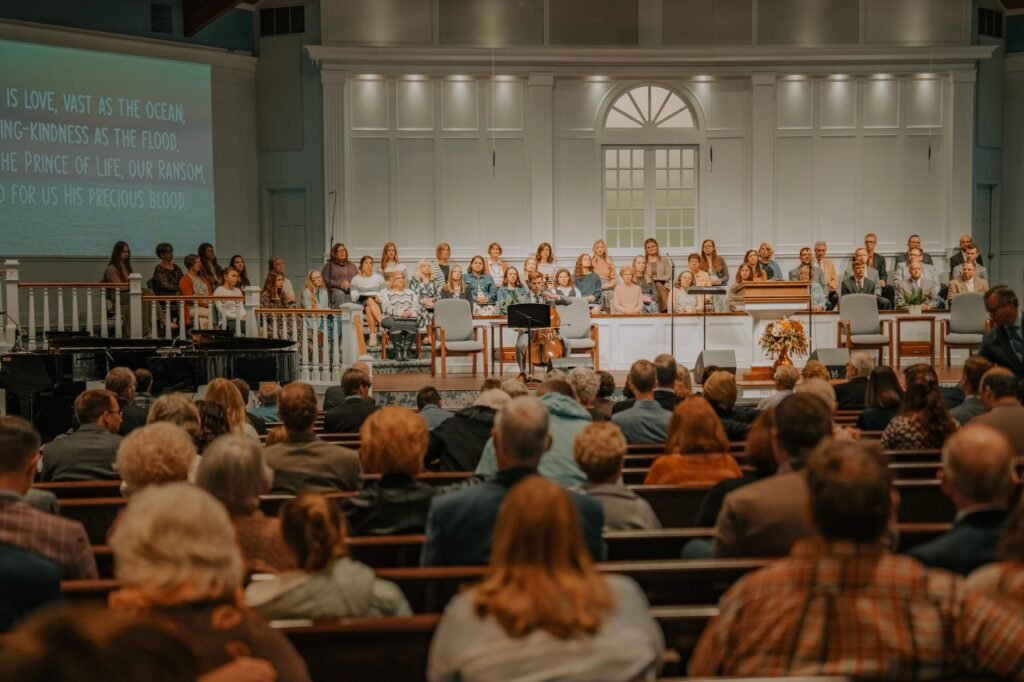
Conclusion: A Call to Maturity
As Christians, we are called to maturity—not for our own sake but for the sake of the body of Christ and the world around us. Embracing this call means actively pursuing love, service, and spiritual growth. In doing so, we create a vibrant, loving community that reflects the nature of our Savior. Through our commitment to maturity, we invite others to experience the life-changing love of Jesus, ultimately fulfilling our mission as His followers.
In every aspect of our church life, let us strive to grow in maturity, embodying Christ’s character and extending His love to all.
Living in Unity
One of the hallmarks of Christian maturity is the ability to maintain unity within the church. Mature Christians recognize that they are part of a larger body and that each member plays a crucial role in the health of the community. Paul urges believers to “Make every effort to keep the unity of the Spirit through the bond of peace” – Ephesians 4:3. This unity is not simply an absence of conflict but a positive commitment to love and support one another, even amid differences.
Key Takeaways
- Christian maturity fosters unity and love
- It encourages service within the community
- Maturity is reflected in spiritual discernment
- A mature Christian models Christlike behavior
In a mature church, believers prioritize reconciliation and work through disagreements with grace and humility. They understand that unity reflects the character of Christ and is essential for effective witness to the world. By fostering an environment of respect and acceptance, mature Christians help to create a space where everyone feels valued and included.
Emphasizing Spiritual Gifts
Another significant aspect of Christian maturity involves the recognition and use of spiritual gifts. Every believer is endowed with unique gifts by the Holy Spirit for the purpose of building up the church. As Paul explains, “Now to each one the manifestation of the Spirit is given for the common good” – 1 Corinthians 12:7. Mature Christians understand their spiritual gifts and are committed to using them for the benefit of others, rather than for personal glory.
This emphasis on spiritual gifts encourages a culture of appreciation and collaboration within the church. By valuing the diverse contributions of each member, a mature church can operate effectively and fulfill its mission. Additionally, mature believers are often found mentoring others, helping them discover their gifts and encouraging their growth, thus fostering a cycle of maturity and service.
Enduring Trials with Faith
Maturity in the Christian faith is also revealed in how believers respond to trials and hardships. A mature Christian approaches difficulties with a perspective rooted in faith, trusting that God is sovereign and working all things for good. James encourages believers to “Consider it pure joy, my brothers and sisters, whenever you face trials of many kinds” – James 1:2, highlighting the transformative power of trials in developing perseverance and character.
In the face of adversity, mature Christians exhibit resilience and hope, inspiring others to trust God during difficult times. They become a source of strength and encouragement for those who may be struggling, demonstrating that faith is not merely about avoiding hardship but about navigating it with grace and confidence in God’s promises.
Practicing Forgiveness
Forgiveness is a vital aspect of Christian maturity, reflecting the grace that God extends to us. Mature believers understand the importance of letting go of offenses and reconciling relationships. Jesus taught, “For if you forgive other people when they sin against you, your heavenly Father will also forgive you” – Matthew 6:14. This command emphasizes not just the necessity of forgiveness but also its impact on our spiritual health.
In a mature church community, forgiveness is practiced as a means of fostering unity and healing. Believers are encouraged to address grievances earnestly and to seek restoration, knowing that holding onto bitterness can hinder spiritual growth. By embodying a spirit of forgiveness, mature Christians create an atmosphere where love prevails, and relationships can thrive, allowing the church to function as a true reflection of Christ’s love.
Engaging in Service
Service is a hallmark of Christian maturity, illustrating the heart of Christ in action. Mature Christians recognize that following Jesus involves serving others selflessly. “Whoever wants to become great among you must be your servant” – Mark 10:43 reminds believers that true greatness in the Kingdom of God is marked by humility and service. This attitude fosters a culture of caring and compassion within the church.
In a mature church, believers actively seek opportunities to serve both within the congregation and in the broader community. They understand that acts of service are not merely tasks to check off but are expressions of love that can significantly impact lives. By engaging in service, mature Christians not only uplift those around them but also grow in their understanding of God’s heart for humanity, deepening their own faith and commitment to the Gospel.
Living Out the Great Commission
Mature Christians are also characterized by their commitment to the Great Commission, recognizing the urgency and importance of sharing the Gospel. Jesus commanded, “Therefore go and make disciples of all nations, baptizing them in the name of the Father and of the Son and of the Holy Spirit” – Matthew 28:19. This call to evangelism and discipleship is central to the life of a mature believer and the church as a whole.
In a mature church, members are equipped and encouraged to share their faith actively, understanding that spiritual maturity involves reaching out to others. They engage in personal evangelism, community outreach, and support missions, reflecting the heart of God for the lost. By prioritizing the Great Commission, mature believers not only contribute to the growth of the church but also fulfill their role in advancing God’s Kingdom on earth.
Building Strong Relationships
Christian maturity is often reflected in the quality of relationships within the church community. Mature believers understand that the church is not just a place of worship but a family bonded by faith. They prioritize building strong, authentic relationships characterized by love, trust, and mutual support. As Paul advises in Romans, “Be devoted to one another in love. Honor one another above yourselves” – Romans 12:10. This devotion fosters a culture where members are encouraged to share their lives, struggles, and joys with one another.
In a mature church, relationships are nurtured through fellowship, small groups, and shared activities that promote connection. Mature Christians actively seek to know and uplift one another, creating a safe environment where vulnerability is welcomed and growth is encouraged. These strong relationships not only enhance individual spiritual journeys but also strengthen the church as a whole, allowing it to be a powerful witness to the outside world.
Encouraging Spiritual Growth
Mature Christians recognize the importance of ongoing spiritual growth, both in their own lives and in the lives of others. They understand that faith is not static but a continuous journey of learning and transformation. “But grow in the grace and knowledge of our Lord and Savior Jesus Christ” – 2 Peter 3:18 reminds believers of this essential commitment to growth.
A mature church actively promotes various avenues for spiritual growth, such as Bible studies, prayer groups, and discipleship programs. Mature believers take initiative in mentoring others, sharing insights from their own journeys, and providing accountability in spiritual practices. By fostering an environment that encourages questions, exploration, and deeper understanding of Scripture, a mature church creates fertile ground for faith to flourish and thrive.
Exhibiting Humility and Grace
Humility and grace are key indicators of Christian maturity. Mature believers recognize their dependence on God and the grace they have received, which empowers them to extend grace to others. Paul writes, “Do nothing out of selfish ambition or vain conceit. Rather, in humility value others above yourselves” – Philippians 2:3. This humility fosters an atmosphere of mutual respect and understanding within the church community.
In a mature church, believers are quick to listen and slow to speak, valuing the perspectives and experiences of others. They approach conflicts and challenges with grace, seeking to understand rather than to be understood. By embodying humility and grace, mature Christians contribute to a culture of love and acceptance, ensuring that the church reflects the character of Christ in every interaction.
Frequently Asked Questions
What are the signs of Christian maturity?
Signs of Christian maturity include love for others, deepening faith, willingness to serve, and the ability to discern God’s will.
How does maturity affect church relationships?
Maturity fosters healthy relationships, as mature Christians communicate lovingly, forgive easily, and seek reconciliation, reflecting Christ’s love.
Why is Christian maturity important for church growth?
Christian maturity leads to stronger discipleship and outreach, encouraging believers to actively share their faith and serve others effectively.
How can I grow in maturity as a Christian?
Growth in maturity can be achieved through prayer, studying Scripture, engaging in fellowship, and serving within the church community.
Final Thoughts
Embracing Christian maturity transforms not only our personal faith journeys but also the collective life of the church. As we grow, we inspire others to seek deeper connections with God and one another.
Further Study