
Key Takeaways
- A prodigal's prayer reflects deep regret
- Restoration begins with acknowledgment
- Self-reflection leads to personal growth
- Returning home is always possible
Introduction
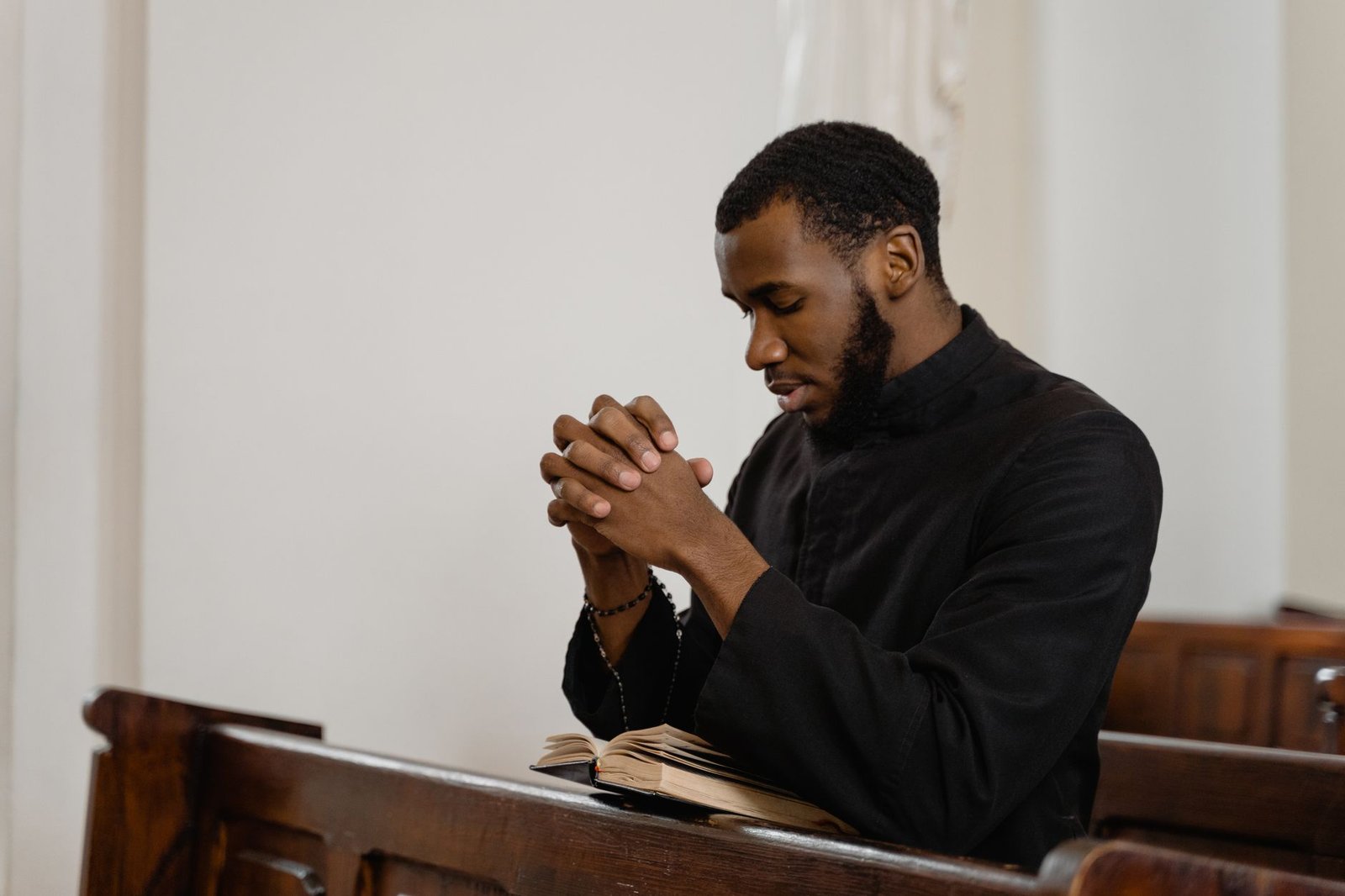
The story of the Prodigal Son, a parable from the Bible, resonates with countless individuals searching for self-awareness, forgiveness, and reclaiming their paths. While many of us can relate to the journey depicted in this narrative, few take the time to explore the heartfelt prayer that may accompany such a transformation. Today, we delve into the profound spiritual conversation that comes from a prodigal heart—expressing a yearning for change, reconciliation, and the rediscovery of purpose.
Join me as we explore the elements and significance of a prayer offered by a prodigal, illustrating both the struggle and the joy that define this transformative experience.

The Cry of a Strayed Heart
Recognizing the Need for Change
Every journey away from home begins with a moment—a choice to stray from the familiar toward the unknown. It’s often borne of rebellion, a desire for independence, or perhaps a simple desire to escape life’s mundanity.
Key Points:
- Emotional Turmoil: The prodigal often experiences a tumult of emotions—loss, regret, and an overwhelming sense of longing.
- A Realization of Consequences: Like the son in the parable, many come to understand that their choices lead to isolation and despair.
- A Call to Return: The act of praying stems from an intrinsic awareness that the path taken is unfulfilling and the once-familiar love awaits a return.
The Elements of a Prodigal’s Prayer
A prodigal’s prayer typically includes several crucial components that reflect their inner turmoils and longing for reconciliation.
Components of the Prayer:
- Acknowledgment of Mistakes: Confession plays a pivotal role as the prodigal recognizes their failings.
- Expression of Regret: A heartfelt desire to turn back, expressing regret for past actions.
- Seeking Forgiveness: An earnest plea for mercy and forgiveness from God, and potentially from those they harmed.
- Desire for Restoration: A request not only for forgiveness but for renewal and the chance to start afresh.
Example of a Prodigal Prayer
Let’s craft a hypothetical prayer that encapsulates these elements:
“Heavenly Father,
I come before You, humbled and broken, acknowledging the ways I have strayed from Your path. I pursued my own desires, only to find emptiness and pain in my choices. I regret the hurt I’ve caused and the love I’ve neglected. Please forgive me for my wrongs and grant me the chance to return to Your embrace. Restore what was lost, heal my heart, and guide me back to purpose. Help me to walk in Your light and serve You in all I do. Amen.”
Reflection Point
Take a moment to reflect on your own journey. Remember that sincere prayer can open the door to healing and restoration.

The Journey Back Home
Self-Reflection and Growth
The journey of a prodigal is not solely about returning home but also about personal growth and understanding. This period of reflection often serves as a catalyst for significant transformation.
Steps Forward:
- Seek Guidance: Reconnect with mentors, spiritual leaders, or supportive communities that can provide wisdom.
- Engaging in Self-Discovery: Explore what led to harmful choices and how to avoid them in the future.
- Building Resiliency: Develop coping mechanisms for challenges that might tempt a return to old habits.
Embracing the Road to Renewal
Once a decision to return is made, the path is paved with both vulnerability and courage. This stage may include:
- Making amends: Reaching out to heal relationships.
- Establishing New Routines: Creating a lifestyle anchored in positive choices and spiritual grounding.
- Daily Prayer and Reflection: Continuing the conversation with God, leading to ongoing personal development.
Frequently Asked Questions
What should a prodigal pray for?
A prodigal should pray for forgiveness, healing, and guidance. Acknowledge mistakes and express a genuine desire to return to God's loving embrace, as seen in the parable of the Prodigal Son (Luke 15:21-22).
How can I support someone who is a prodigal?
Offer unconditional love and understanding, reminding them of God's grace and forgiveness. Encourage them to pray and seek spiritual guidance, as their journey back is essential for healing.
What does it mean to return home as a prodigal?
Returning home signifies a heartfelt decision to reconnect with God and embrace His love. It involves acknowledging past mistakes and seeking restoration, just like the Prodigal Son in Luke 15:20.
How can prayer help during times of struggle?
Prayer serves as a powerful tool for healing and guidance during struggles. It allows us to express our fears and desires to God, fostering intimacy and a sense of belonging in His presence.
Conclusion
A prayer from a prodigal is more than a collection of words; it represents the heartfelt yearning for redemption, forgiveness, and the rekindling of purpose. It’s a testament to the power of transformation and the hope that exists even in our darkest moments.
As you navigate your own journey—whether you identify with the prodigal son or know someone who does—remember that returning home is always possible. Through prayer, reflection, and an open heart, we can discover not only forgiveness but a true sense of belonging. Embrace your journey, for every step brings you closer to the love that awaits.
If you find yourself among the lost, know that the path back is never closed. Your return is a beautiful story waiting to unfold, and prayer is the first step in reclaiming your life.
Further Study