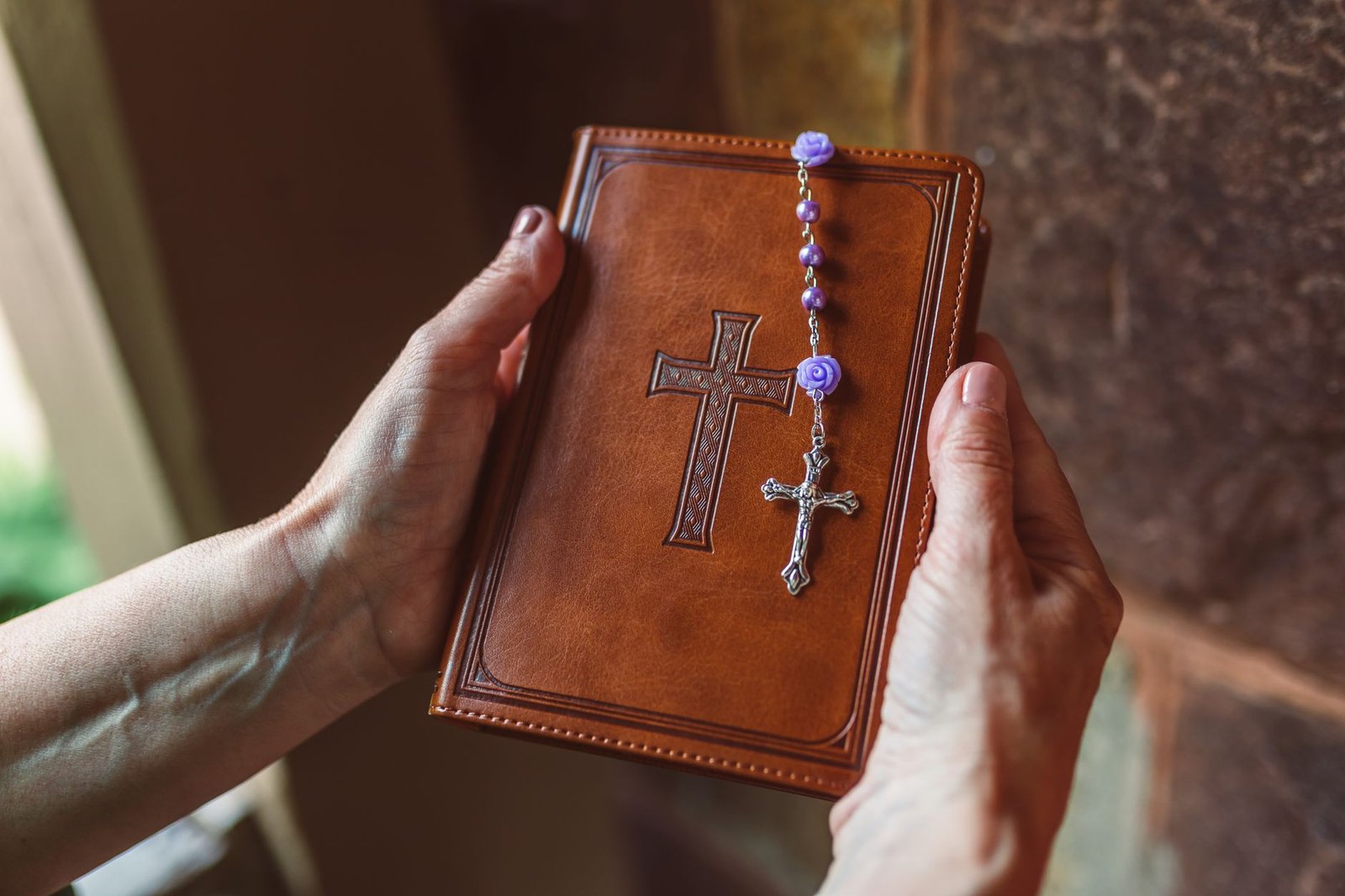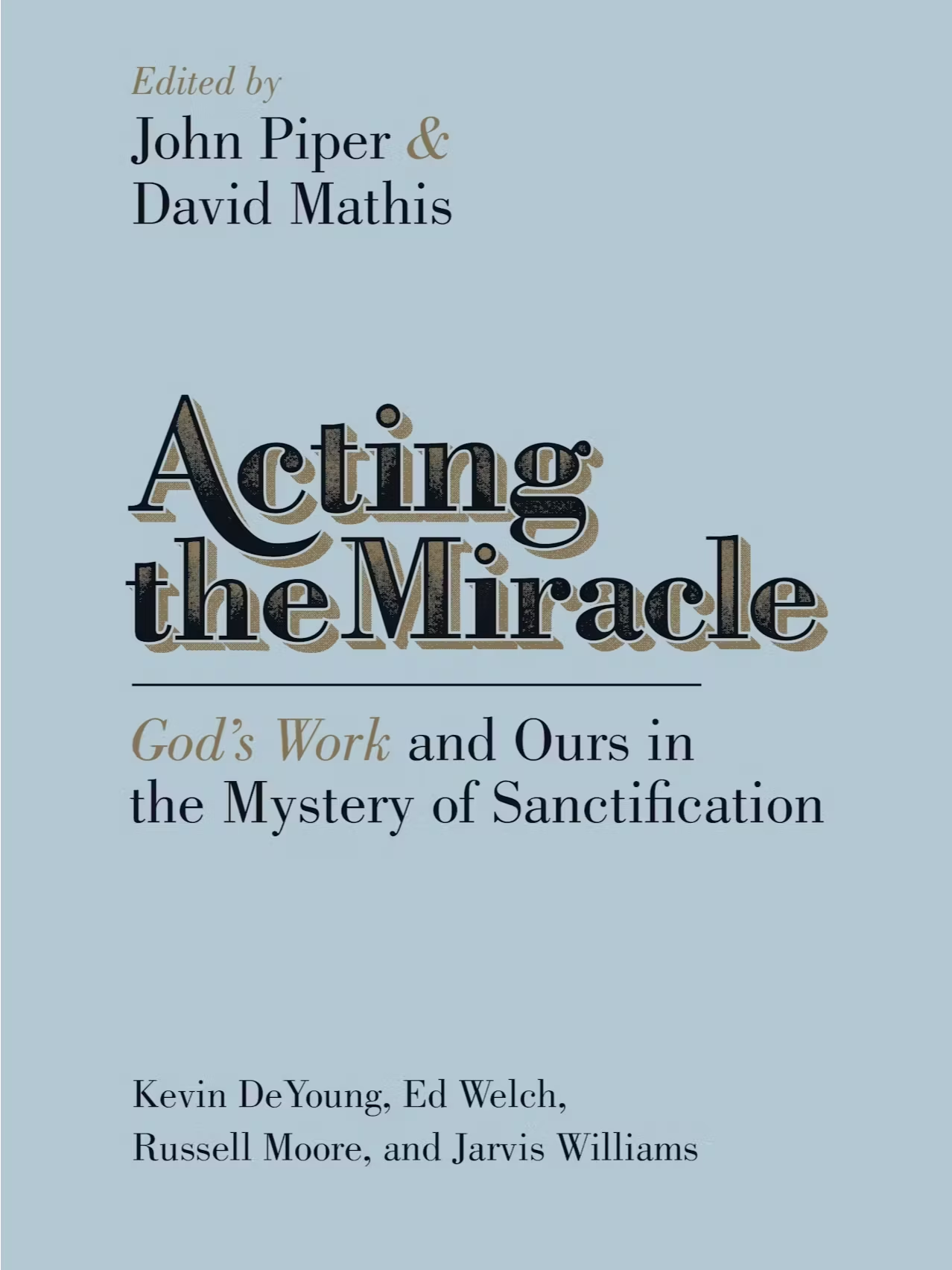

In various spiritual traditions, the act of repentance holds immense power. It is a stepping stone toward personal growth, transformation, and healing. A “Prayer of Repentance and Acceptance” offers individuals a chance to acknowledge their shortcomings, seek forgiveness, and embrace a path toward change. Whether you identify with a specific faith or are on a personal spiritual journey, the essence of this prayer can be a profound tool for introspection and renewal.
In this blog post, we will explore the significance of a prayer of repentance, how it can reshape our lives, and guide you through crafting your own prayer of acceptance. By understanding these components, you can foster a deeper relationship with yourself and, if applicable, with the divine.
Understanding Repentance: What Does It Mean?
Repentance is more than just feeling guilty about past actions; it is a deliberate act of turning away from wrongdoing and towards a more virtuous path. Here are some key components of repentance:
- Acknowledgment: Recognizing and admitting wrongdoings is crucial. Without acknowledging our actions, true change cannot occur.
- Regret: Feeling genuine sorrow for causing harm, whether to ourselves or others, encourages a desire to make amends.
- Commitment to Change: True repentance is marked by the intention to change one’s behavior and seek a better path.
Repentance can lead to feelings of relief and liberation, freeing us from the burdens of guilt and shame. It prepares our hearts for acceptance, both of ourselves and the grace of forgiveness from others or the divine.
The Role of Acceptance in the Prayer Process
Acceptance often follows repentance and is an essential aspect of personal and spiritual growth. It involves embracing our imperfections, understanding that we are all fallible, and forgiving ourselves for our past mistakes. Acceptance can be manifested through:
- Self-Forgiveness: Allowing ourselves to forgive our mistakes is key to moving forward.
- Embracing Imperfection: Acknowledging that perfection is unattainable helps foster compassion toward oneself and others.
- Living in the Present: Acceptance encourages us to be mindful and attentive to the present moment.
By combining both repentance and acceptance in our prayers, we create a space for healing and transformation.
Crafting Your Prayer of Repentance and Acceptance
Creating a personalized prayer can be a healing experience that connects you to your feelings and intentions. Here’s a simple structure to guide you:
1. Begin with Reflection
Start by reflecting on specific actions or thoughts you wish to repent for. Take a moment to write them down silently or out loud.
2. Acknowledge Your Feelings
Express how these actions made you feel. This step is about acceptance of your emotions and experiences.
3. Offer Your Repentance
Here is where you can formally express your desire for forgiveness. Use sincere language that resonates with you. An example could be:
“Dear [Divine Presence/Name/Spirit], I acknowledge my shortcomings. I am truly sorry for [specific actions], and I humbly seek your forgiveness.”
4. Express Your Intentions for Change
Make a commitment to alter your behavior or mindset. Consider using phrases like:
“I commit to [specific actions] going forward, and I ask for your guidance in this journey.”
5. Invite Acceptance
Conclude your prayer by inviting in acceptance, both of your flaws and the opportunities to grow. For example:
“Help me to embrace my imperfections and to forgive myself, as I strive for growth and understanding.”
Final Thoughts: Embracing Transformation Through Prayer
A “Prayer of Repentance and Acceptance” is not just a ritual but a transformative process. By embracing the principles of acknowledgment, regret, commitment, self-forgiveness, and acceptance, we can initiate profound changes in our lives. Here are a few takeaways:
- Empowerment Through Acknowledgment: Recognizing our shortcomings empowers us to change.
- Freedom in Forgiveness: Self-forgiveness frees us from the chains of guilt and shame.
- Growth Through Acceptance: Accepting our imperfections allows us to live more fully in the present.
Whether recited in solitude, shared with a community, or expressed in personal contemplation, this prayer can serve as a powerful catalyst for your spiritual and personal journey. Embrace it with an open heart, and watch as your path toward healing unfolds.
To deepen this practice, consider setting aside time regularly for reflection and prayer, allowing it to become a cherished part of your routine. After all, true transformation begins within.