Key Takeaways
- Embrace your unique identity
- Practice self-compassion daily
- Surround yourself with positivity
- Set personal goals for growth
In a world that constantly showcases the highlights of others’ lives through social media and ads, it’s easy to find ourselves wishing we were someone else. Whether it’s the allure of a glamorous lifestyle, the perfect body, or enviable talents, the comparison trap can often leave us feeling inadequate. But what if we could flip the script? Instead of wishing we were someone else, what if we embraced our unique identities and strengths? In this post, we’ll explore effective strategies to cultivate self-acceptance and appreciation for who you truly are.
Understanding the Comparison Game
The Roots of Comparison
Comparing ourselves to others is a natural human instinct, often rooted in our desire for validation and belonging. Social psychologist Leon Festinger introduced the concept of social comparison theory, suggesting that we determine our self-worth by comparing ourselves with others. The negative effects of this desire can lead to feelings of inadequacy and self-doubt.
Common Triggers:
- Social media feeds
- Celebrity culture
- Competitive environments like work or school
- Personal insecurities
Understanding these triggers is the first step toward combating them and fostering a healthier mindset.
Why We Wish to Be Someone Else
Wishing to be someone else can stem from various desires, including:
- Insecurity: Feeling inferior due to perceived flaws.
- Desire for a Different Life: Viewing others as having it easier or more successful.
- Lack of Self-Identity: Struggling to understand and embrace one’s uniqueness.
Recognizing these underlying reasons can empower us to address them head-on rather than succumbing to envy.

Embracing Your Unique Self
Cultivating Self-Compassion
Research shows that self-compassion can be a powerful antidote to feelings of inadequacy. It involves treating ourselves with kindness during moments of failure or suffering, rather than engaging in harsh self-criticism.
Ways to Practice Self-Compassion:
- Acknowledge your feelings: Accept that it’s okay to feel insecure at times.
- Talk to yourself like a friend: Use supportive language when addressing your flaws.
- Remember, everyone struggles: Realize that even those you admire have their own battles.
Identifying Your Strengths
Everyone possesses unique qualities that contribute to who they are. Taking the time to identify and celebrate these strengths can boost your self-esteem.
Steps to Discover Your Strengths:
- Self-Reflection: Take a moment to consider what you enjoy doing and what you excel at.
- Feedback: Ask friends and family what they believe your strengths are.
- Journaling: List accomplishments, traits, or experiences that make you proud.
Setting Personal Goals
Instead of comparing yourself to others, focus on personal growth by setting achievable and meaningful goals. This shifts the focus back to your journey and what you can control.
Guidelines for Setting Goals:
- Make them S.M.A.R.T: Specific, Measurable, Achievable, Relevant, and Time-bound.
- Break them down: Divide larger goals into manageable, actionable steps.
- Celebrate progress: Recognize accomplishments along the way, no matter how small.
Reflection Point
Take a moment to reflect on your unique qualities. Remember, your individual journey is valuable and needed in this world.
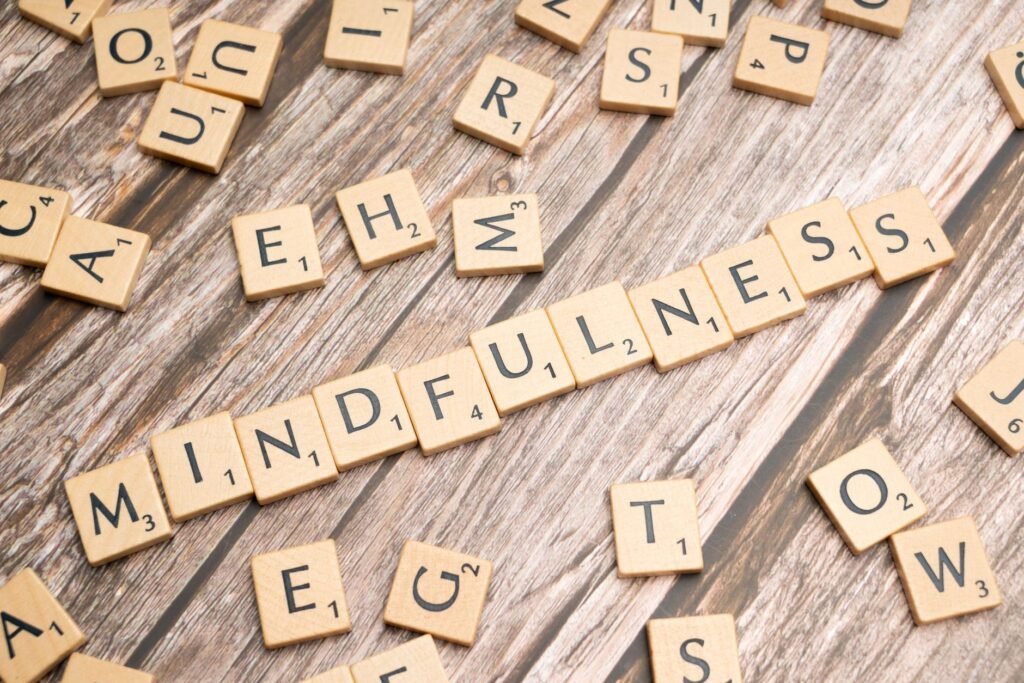
The Role of Mindfulness
Practicing Gratitude
Mindfulness encourages living in the moment and appreciating what we have rather than yearning for what we don’t. One effective practice is daily gratitude journaling.
Tips for Gratitude Journaling:
- List three things you’re grateful for each day.
- Reflect on positive experiences or interactions you’ve had.
- Consider what you appreciate about yourself.
Meditation and Self-Awareness
Meditation can enhance self-awareness and help alleviate negative thoughts associated with comparison. Simply spending a few minutes each day focusing on your breath can ground you and reinforce your sense of self.
Consider these simple meditation practices:
- Guided Meditations: Use apps or online resources to find sessions focused on self-acceptance.
- Body Scan: Focus on each part of your body, promoting a sense of connection rather than detachment from it.

Building a Supportive Community
Surround Yourself with Positivity
The people we spend time with can influence our self-perception significantly. Build a network of individuals who uplift and inspire you rather than those who trigger feelings of inadequacy.
Ways to Build a Supportive Network:
- Engage in communities that share your interests.
- Avoid toxic relationships that foster negative comparisons.
- Seek relationships that encourage mutual growth and respect.
Engage in Meaningful Conversations
Open discussions about self-acceptance and the pitfalls of comparison can foster deeper connections and enhance understanding among friends and family.
Frequently Asked Questions
How can I stop comparing myself to others?
To stop comparing yourself to others, focus on your own strengths and set personal goals. Remember, God created you uniquely, and your journey is important.
What does the Bible say about self-worth?
The Bible teaches that we are fearfully and wonderfully made (Psalm 139:14). Our worth is rooted in being God's creation, not in comparison to others.
How can I practice self-compassion?
You can practice self-compassion by treating yourself kindly during tough times and acknowledging that everyone has struggles. God loves you just as you are.
What steps can I take to build a supportive community?
To build a supportive community, engage with uplifting individuals, avoid toxic relationships, and seek connections that encourage mutual growth in Christ.
Conclusion: Embrace Your Unique Journey
It’s natural to find ourselves envious of others, especially in a society that glorifies perfection. However, it’s essential to remember that comparison is the thief of joy. By cultivating self-compassion, recognizing our unique strengths, setting personal goals, practicing mindfulness, and surrounding ourselves with positive influences, we can shift our focus from wishing we were someone else to appreciating the unique journey that is our own.
So, next time you catch yourself wishing you were someone else, take a deep breath, reflect on your own worth, and remind yourself that your uniqueness is your superpower. Embrace who you are, for the world needs individuals like you—imperfectly perfect, just as you are.