
Key Takeaways
- Tattoos can reflect personal faith
- Intent behind body art matters
- New Testament emphasizes honoring God
- Personal conviction is key in decision-making
The question of whether or not to get a tattoo is a deeply personal one; it often intertwines with individual beliefs, cultural significance, and spiritual convictions. With tattoos gaining mainstream popularity, many people are turning to religious texts for guidance. For those of the Christian faith, the Bible is the ultimate source of inspiration and wisdom. But what exactly does the Bible say about tattoos? Let’s explore various scripture passages, their interpretations, and how they relate to the art of tattooing.
The Old Testament: The Foundation of the Debate
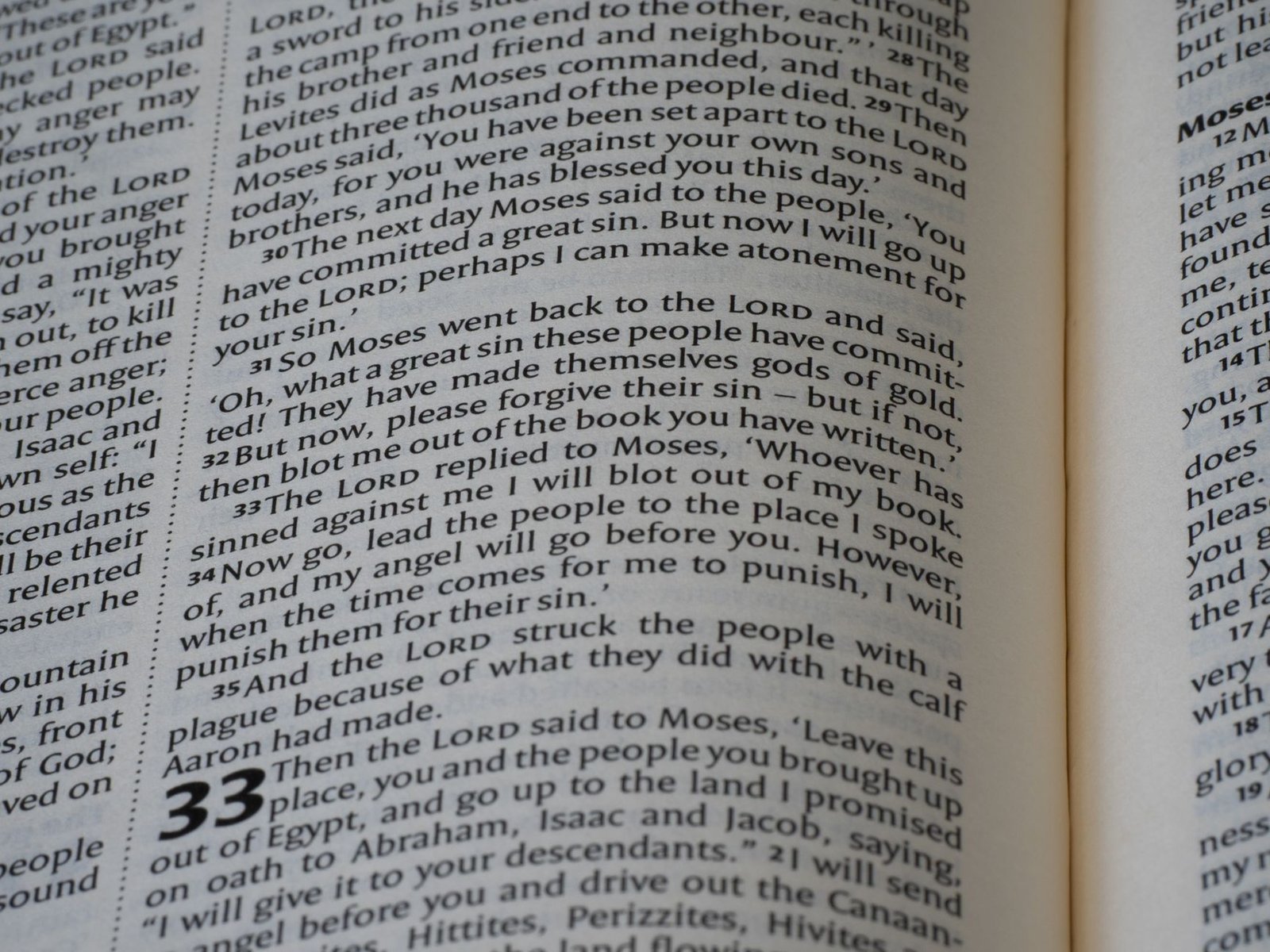
One of the most frequently cited verses regarding tattoos comes from the book of Leviticus in the Old Testament.
Leviticus 19:28
“You shall not make any cuts on your body for the dead or tattoo yourselves: I am the Lord.” (Leviticus 19:28, ESV)
This verse is part of the Mosaic Law and reflects ancient practices of mourning, which often involved modifying one’s body. It’s important to note that this scripture is set within a broader cultural context where tattooing had different meanings and implications.
Contextual Considerations
- Cultural Practices: The ancient Israelites were instructed to avoid practices common to neighboring cultures, which often involved tattoos related to idol worship or pagan rituals.
- Spiritual Intent: The prohibition is more about the intent behind the body modifications rather than the act itself. Probing deeper, this suggests that if the motivation behind tattooing is not aligned with spiritual beliefs, it may be questionable.

New Testament Insights: The Heart Over the Body
While the Old Testament provides specific prohibitions, the New Testament adopts a different approach regarding our bodies and spiritual expressions.
1 Corinthians 6:19-20
“Or do you not know that your body is a temple of the Holy Spirit within you, whom you have from God? You are not your own, for you were bought with a price. So glorify God in your body.” (1 Corinthians 6:19-20, ESV)
This passage reminds Christians to honor their bodies as sacred. It implies that whatever we choose to do—tattooing included—should glorify God.
Emphasizing Intent and Choice
- Personal Expression: Tattoos can serve as personal expressions of faith, love, or life experiences. If the intent behind a tattoo is to honor God or convey a meaningful message, it may be seen positively.
- Community Acceptance: Different Christian communities have varying perspectives on tattoos. Some see them as an act of rebellion against God, while others embrace them as a form of artistic expression and personal testimony.
Reflection Point
Consider your motivations and the significance behind a tattoo. Reflecting on its meaning can deepen your faith journey.

Tattoos as a Form of Testimony
It’s common to use tattoos to tell a story or reflect personal beliefs. Many Christians choose tattoos that represent their faith or important life events.
Popular Faith-Inspired Tattoo Themes
Here are some common motifs that reflect spiritual beliefs:
- Verses or Quotes: Many opt for their favorite Bible verses or inspirational quotes that guide their lives.
- Symbols: Common symbols include crosses, doves, or fish which signify faith and commitment to Christ.
- Dates: Tattoos commemorating significant events, such as a baptism date or the loss of a loved one, can carry deep personal meaning and serve as testimony to God’s impact on the wearer’s life.

The Contemporary Perspective: Balance and Respect
In today’s society, the views on tattoos are more diverse than they were in biblical times. This reflects a broader acceptance of personal expression in various forms, including body art.
Engaging in Meaningful Conversations
- Ask Questions: When considering a tattoo, engage in conversations with spiritual leaders, friends, or family about their views. Understanding different perspectives can deepen your insight.
- Reflect on Motivation: Before getting a tattoo, ask yourself why you want it. Is it an expression of something meaningful, or is it a fleeting trend? Reflecting on your motivation can provide clarity and peace.
Frequently Asked Questions
What does the Bible say about tattoos?
The Bible references tattoos in Leviticus 19:28, which advises against body modifications for mourning. However, the New Testament emphasizes honoring God with our bodies.
Can tattoos represent my faith?
Yes, many Christians use tattoos as expressions of their faith, such as scripture verses or symbols that signify their beliefs and life experiences.
Are tattoos a sin?
Interpretations vary; some view tattoos as sinful, while others see them as personal expressions of faith. It's essential to consider your intentions and relationship with God.
How can I choose a meaningful tattoo?
Reflect on what holds significance in your life and faith. Engage with spiritual leaders and loved ones to gain insights that help guide your decision.
Conclusion: Personal Conviction Above All
The Bible’s stance on tattoos is not definitive, as interpretations vary widely among different denominations and cultures. While Leviticus clearly advises against them in a historical context, the New Testament promotes a different dialogue about the body as a temple.
Ultimately, the decision to get a tattoo should be approached with thoughtful consideration, respect for one’s faith, and a clear understanding of individual motivations. While scripture can provide guidance, it’s essential to balance personal expression with the values that you hold dear. Whether adorned with art or not, the most crucial aspect remains glorifying God in every aspect of life.