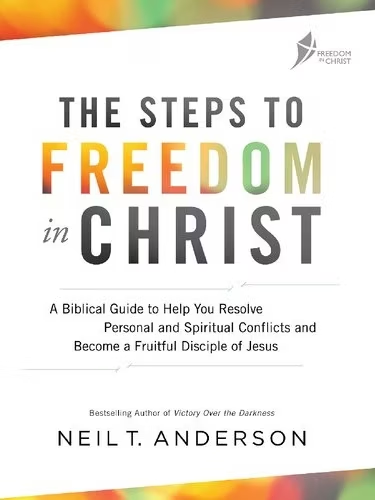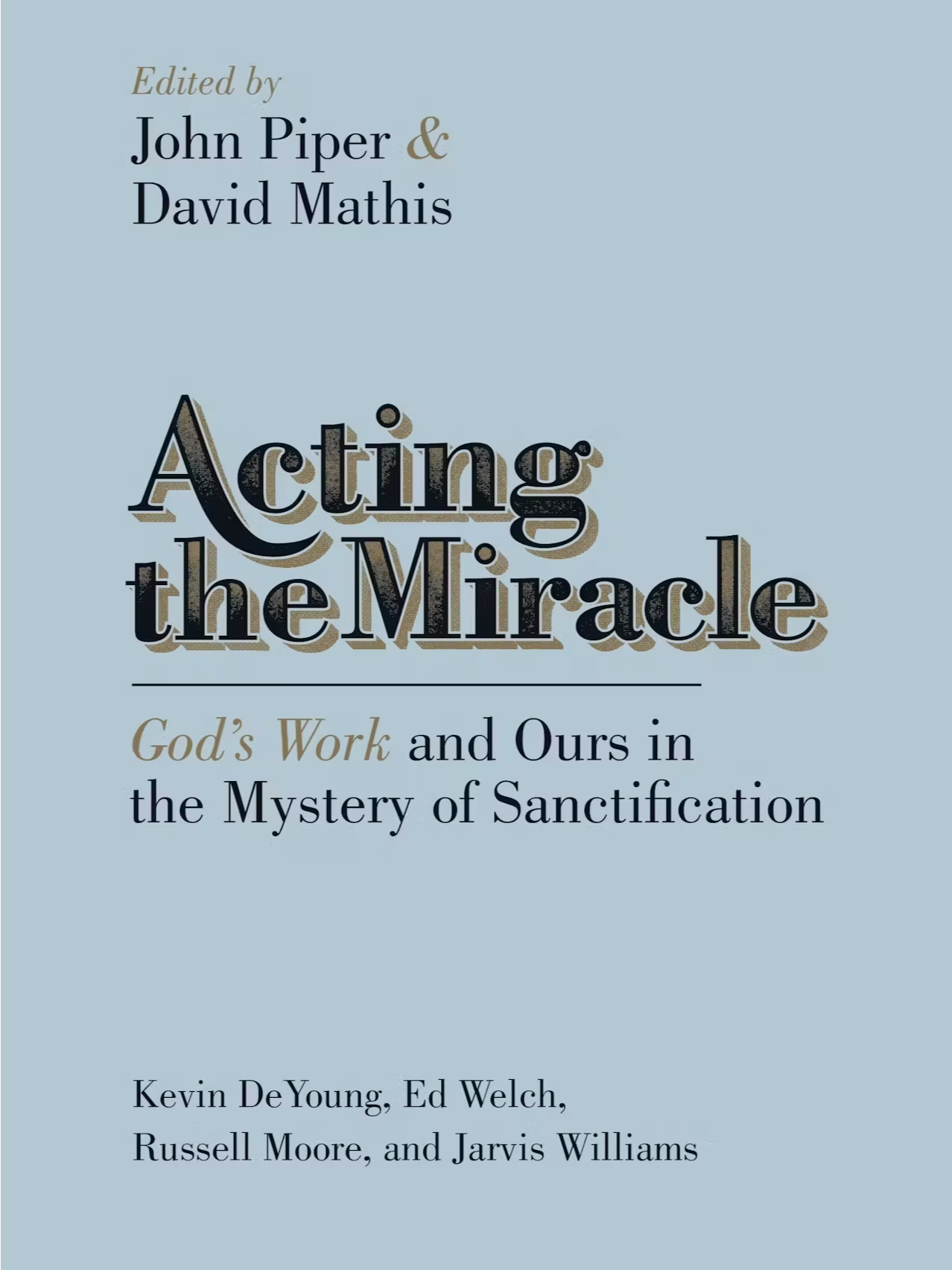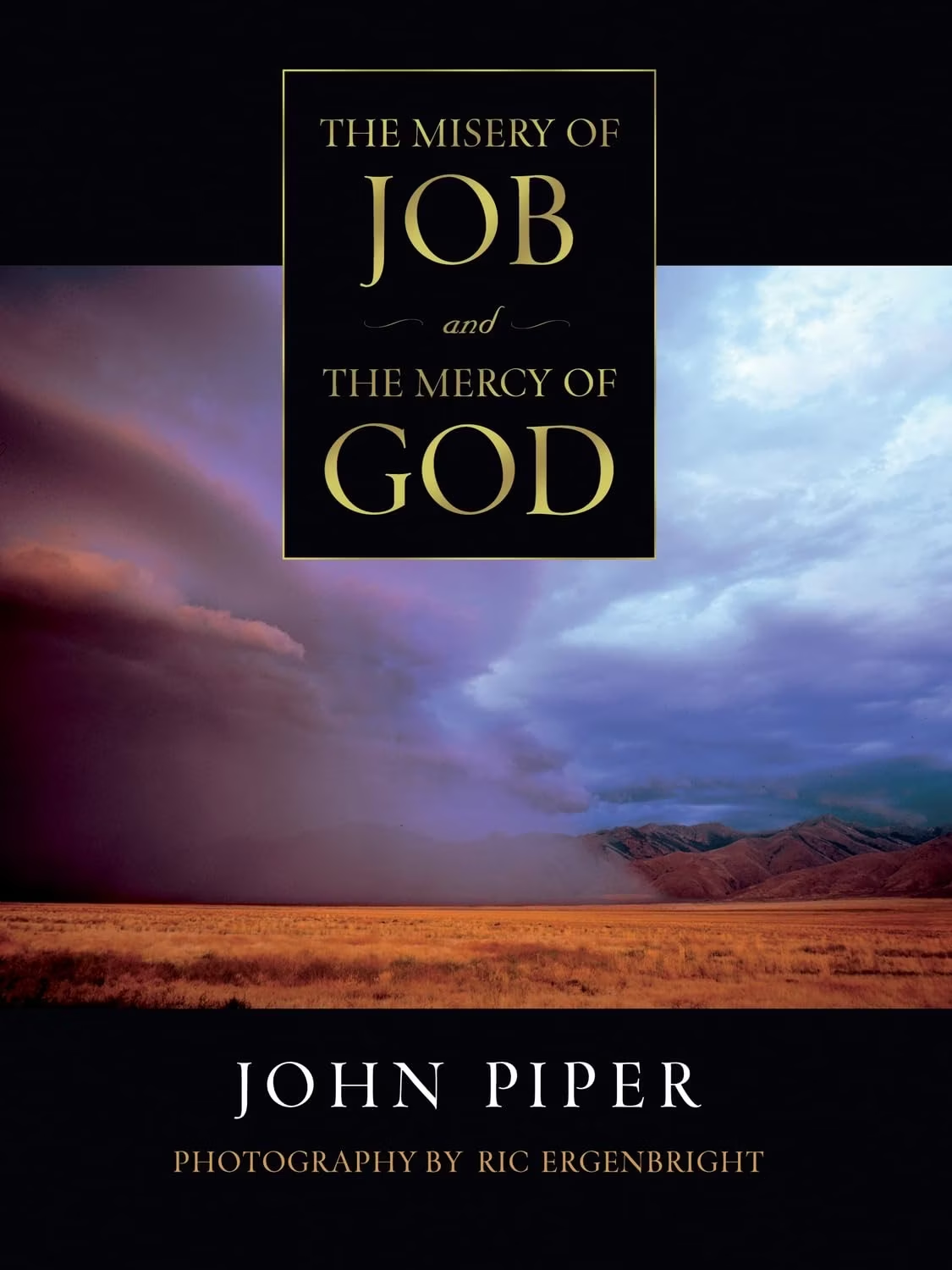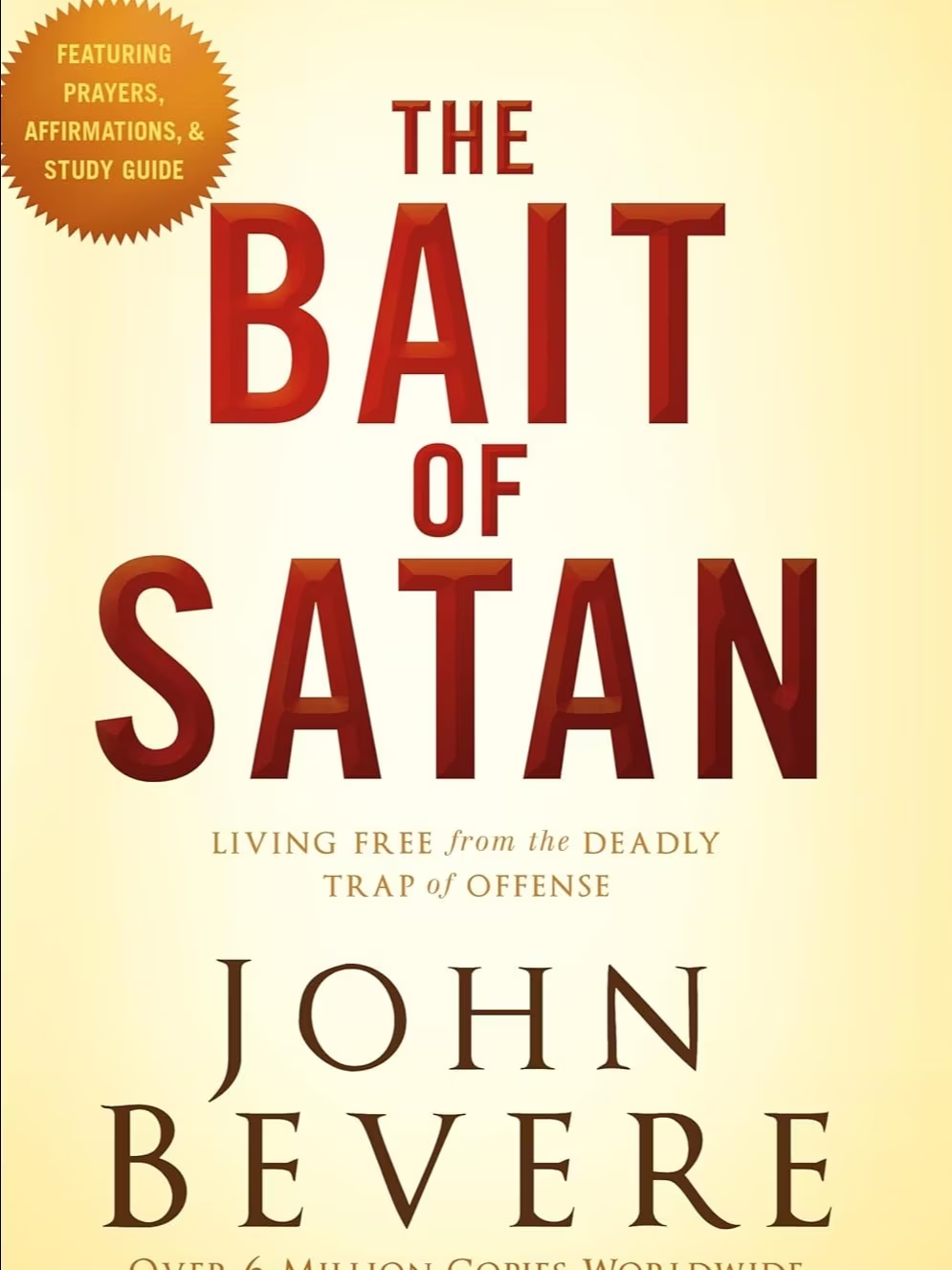

Anger is a natural human emotion. We all feel it—from mild irritation in traffic to deep frustration in relationships or life circumstances. However, when anger goes unmanaged, it can damage our health, harm relationships, and distance us from God’s peace. Thankfully, the Bible offers timeless wisdom on anger management, guiding us toward patience, self-control, and healing.
In this post, we’ll explore powerful Bible verses about anger management, understand what Scripture teaches about handling anger, and learn how to apply these lessons in everyday life. Whether you’re struggling with quick temper or seeking spiritual growth, God’s Word provides practical and comforting guidance.
What Does the Bible Say About Anger?
The Bible does not teach that anger itself is always sinful. Even Jesus expressed righteous anger (Mark 11:15–17). However, Scripture clearly warns against uncontrolled or sinful anger—the kind that leads to bitterness, revenge, and broken relationships.
The key biblical principle is this: anger must be controlled, not consumed.
“Be angry, and do not sin; do not let the sun go down on your wrath.”
— Ephesians 4:26 (NKJV)
This verse reminds us that while anger may arise, how we respond determines whether it becomes harmful.
Related Posts:




Key Bible Verses About Anger Management
Below are some of the most powerful Scripture passages that offer guidance on managing anger in a healthy, God-honoring way.
1. Practice Patience and Self-Control
“Whoever is slow to anger is better than the mighty, and he who rules his spirit than he who takes a city.”
— Proverbs 16:32
This verse reframes strength—not as physical power, but as emotional and spiritual self-mastery. True strength lies in controlling our reactions rather than being ruled by them.
Other helpful verses include:
- Proverbs 14:29 – “Whoever is slow to anger has great understanding…”
- Galatians 5:22–23 – Self-control is a fruit of the Spirit.
Takeaway: Pausing before reacting can prevent regret and promote wisdom.
2. Choose Gentle Words Over Harsh Responses
“A soft answer turns away wrath, but a harsh word stirs up anger.”
— Proverbs 15:1
Our words have power. When emotions run high, gentle speech can defuse tension, while harsh words often escalate conflict.
Practical application:
- Pause before responding when upset
- Speak calmly, even when emotions feel intense
- Ask God for wisdom in difficult conversations
3. Let Go of Bitterness and Resentment
“Get rid of all bitterness, rage and anger, brawling and slander, along with every form of malice.”
— Ephesians 4:31 (NIV)
Holding onto anger can quietly poison the heart. The Bible encourages believers to release resentment and seek emotional and spiritual freedom.
Related verses:
- Hebrews 12:15 – Warns against bitterness taking root
- Colossians 3:8 – Calls believers to put away anger and wrath
Reminder: Letting go of anger doesn’t excuse hurtful behavior—it frees you from its control.
4. Seek God’s Help Instead of Acting in Rage
“A fool gives full vent to his spirit, but a wise man quietly holds it back.”
— Proverbs 29:11
We often feel better after “venting,” but Scripture encourages reflection and prayer instead of impulsive reactions.
When anger rises, try:
- Praying before responding
- Removing yourself from tense situations
- Asking God for clarity and peace
“Cast your burden on the Lord, and He shall sustain you.”
— Psalm 55:22
5. Don’t Let Anger Lead to Sin
“Human anger does not produce the righteousness that God desires.”
— James 1:20
This verse serves as a sobering reminder: uncontrolled anger rarely leads to godly outcomes. Instead, it often results in words or actions we later regret.
Biblical wisdom for anger management includes:
- Listening more than speaking (James 1:19)
- Practicing humility
- Responding with love, even when wronged
Jesus’ Teachings on Anger and Forgiveness
Jesus placed great emphasis on the condition of the heart. In the Sermon on the Mount, He warned that anger harbored within can be just as harmful as outward actions.
“But I tell you that anyone who is angry with a brother or sister will be subject to judgment.”
— Matthew 5:22
Jesus also emphasized forgiveness as a path to healing:
“For if you forgive other people when they sin against you, your heavenly Father will also forgive you.”
— Matthew 6:14
Forgiveness doesn’t mean forgetting or excusing wrongdoing—it means releasing anger to God and allowing Him to heal your heart.
Practical Ways to Apply Bible Verses About Anger Management
Reading Scripture is powerful, but applying it transforms lives. Here are practical ways to live out these biblical teachings daily:
- Memorize key verses for moments of frustration
- Pray specifically when anger arises
- Reflect before reacting—ask, “Does this response honor God?”
- Seek accountability from trusted Christian friends
- Practice gratitude, which softens the heart and reduces irritability
Final Thoughts: Choosing Peace Over Anger
Anger may feel overwhelming, but it doesn’t have to control your life. The Bible offers wisdom, comfort, and practical instruction for managing anger in healthy, life-giving ways. Through Scripture, prayer, and intentional practice, we can replace rage with patience, bitterness with forgiveness, and chaos with peace.
Remember:
“The Lord is merciful and gracious, slow to anger and abounding in steadfast love.”
— Psalm 103:8
As we strive to reflect God’s character, managing our anger becomes not just a personal goal—but a spiritual journey toward deeper peace and stronger faith.
If you’re seeking calm in the chaos, start with God’s Word. It has the power to change hearts, renew minds, and restore peace—one verse at a time.