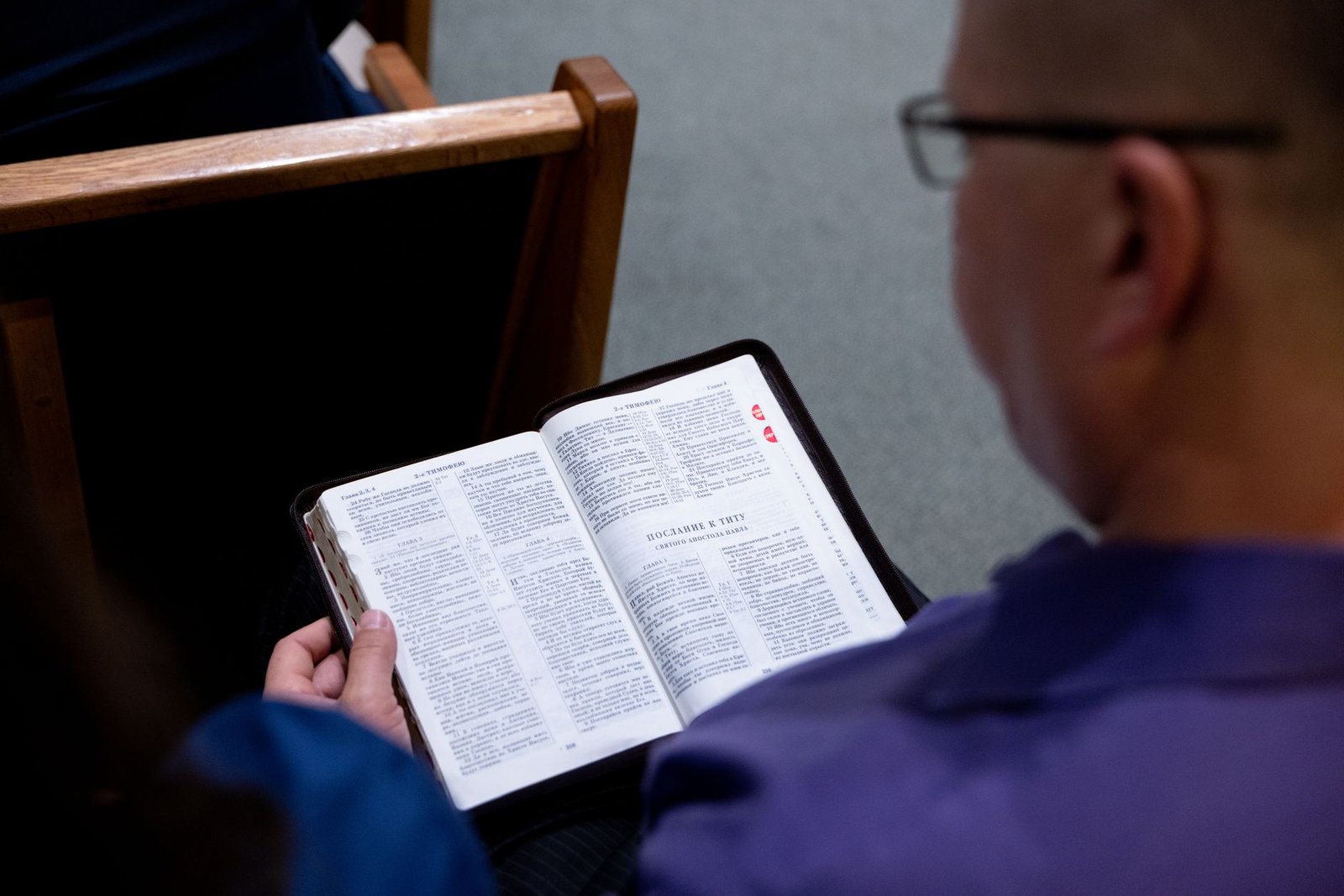

The topic of Bible verses about gay people is one of the most discussed—and often misunderstood—subjects in modern Christianity. For many believers, questions about faith and sexuality can feel deeply personal and sometimes confusing. What does the Bible actually say? How have interpretations evolved? And how can Christians respond with both truth and love?
In this post, we’ll explore key biblical passages often referenced in discussions about homosexuality, examine their historical and cultural context, and consider how different Christian perspectives approach these scriptures today.
Why Context Matters When Reading the Bible
Before diving into specific verses, it’s important to understand a foundational principle of biblical interpretation:
Scripture should always be read in context—historical, cultural, and linguistic.
The Bible was written across thousands of years in societies vastly different from our modern world. Language, customs, and understandings of relationships were not the same as today. Because of this, many scholars emphasize studying the original Hebrew and Greek words, as well as the historical setting, before drawing conclusions.
Old Testament Verses Often Referenced
Several Old Testament passages are commonly cited in discussions about homosexuality.
Related Posts:




1. Leviticus 18:22
“Do not have sexual relations with a man as one does with a woman; that is detestable.”
2. Leviticus 20:13
“If a man has sexual relations with a man as one does with a woman, both of them have done what is detestable.”
Understanding the Context
These verses are part of the Holiness Code in Leviticus—laws given specifically to the nation of Israel. These laws also include:
- Dietary restrictions (Leviticus 11)
- Prohibitions against wearing mixed fabrics (Leviticus 19:19)
- Regulations about ceremonial cleanliness
Many Christian scholars note that Christians today do not follow all Old Testament ceremonial laws. Interpretations differ on whether these verses express:
- A timeless moral principle, or
- A culturally specific law tied to ancient Israelite religious identity
New Testament Passages and Their Interpretation
The New Testament includes several passages often discussed in relation to sexuality.
1. Romans 1:26–27
In this passage, Paul describes people who “exchanged natural relations for unnatural ones.”
Key Considerations
- Paul was writing within the context of Greco-Roman society, where exploitative sexual practices were common.
- Some scholars argue the passage addresses excessive lust and idolatry rather than committed same-sex relationships.
- Others interpret it as a broader condemnation of same-sex behavior.
2. 1 Corinthians 6:9–10
This passage lists various behaviors that Paul says are sinful. Two Greek words here are frequently debated:
- Malakoi
- Arsenokoitai
The exact meaning of these words has been widely discussed among theologians. Translations vary, and scholars disagree about whether they refer specifically to consensual same-sex relationships as understood today.
3. 1 Timothy 1:9–10
This passage contains similar language to 1 Corinthians and is also subject to interpretation based on the Greek terms used.
Different Christian Perspectives Today
Christian views on LGBTQ+ relationships vary significantly across denominations and communities. Broadly speaking, perspectives tend to fall into three categories:
1. Traditional View
- Sexual relationships are intended for marriage between a man and a woman.
- Same-sex sexual behavior is considered inconsistent with biblical teaching.
- Emphasis is placed on celibacy for same-sex attracted believers.
2. Affirming View
- Biblical passages often cited are understood as addressing specific historical practices, not loving same-sex relationships.
- Committed same-sex marriages are viewed as compatible with Christian faith.
- Focus is placed on love, justice, and inclusion.
3. Middle or Pastoral Approaches
- Emphasis on dialogue and compassion.
- Acknowledgment of doctrinal complexity.
- Encouragement of treating LGBTQ+ individuals with dignity regardless of theological stance.
What Did Jesus Say?
One important question often asked is: Did Jesus specifically mention homosexuality?
The Gospels do not record Jesus directly addressing same-sex relationships. However, Jesus consistently emphasized:
- Love for God and neighbor (Matthew 22:37–40)
- Mercy over legalism (Matthew 9:13)
- Compassion toward marginalized individuals
- Avoiding judgment (Matthew 7:1–5)
For many Christians, Jesus’ teachings shape how they approach discussions about sexuality—with humility and love.
How to Approach This Topic with Faith and Compassion
Regardless of theological position, most Christian leaders agree on several important principles:
- Every person is created in the image of God (Genesis 1:27).
- All people fall short and are in need of grace (Romans 3:23).
- Christians are called to love one another deeply (John 13:34–35).
- Discussions about sexuality should be marked by respect, not hostility.
In deeply personal areas such as identity and relationships, conversations within faith communities require careful thought, empathy, and prayer.
Frequently Asked Questions (FAQ)
Does the Bible clearly condemn gay people?
The Bible addresses certain sexual behaviors, but interpretations vary on how those passages apply to modern understandings of sexual orientation and same-sex relationships. Many Christians stress the importance of distinguishing between orientation and behavior.
Can someone be both Christian and gay?
Many LGBTQ+ individuals identify as committed Christians. Different denominations and churches offer differing teachings and levels of affirmation.
Why is this topic so debated?
The debate centers around language translation, ancient cultural norms, theological interpretation, and changing social understandings of sexuality.
Conclusion: Reading Scripture with Wisdom and Grace
When exploring Bible verses about gay people, it’s essential to move beyond sound bites and single verses. Scripture deserves thoughtful study, historical awareness, and spiritual humility.
Christian communities continue to wrestle with these questions, seeking to balance faithfulness to Scripture with the call to love others deeply. Regardless of one’s interpretation, approaching this topic with compassion, respect, and an open heart reflects the spirit of Christ more than judgment ever could.
If you’re navigating these questions personally, consider speaking with a trusted faith leader, studying reputable biblical scholarship, and seeking community where honest conversations are welcomed.
Faith grows strongest not in fear—but in truth and love.