Key Takeaways
- Understanding her illness is crucial
- Your presence offers comfort
- Emotional support strengthens bonds
- Cherish every moment together
Introduction
When a grandparent falls ill, it can be an emotional and challenging time for families. Our grandmothers often hold a special place in our hearts, having nurtured us with love, wisdom, and countless memories. It can be difficult to navigate the feelings of worry and helplessness that arise when they aren’t well. In this post, we will discuss practical ways to support your grandma during her illness, the importance of emotional connection, and how to cherish the moments that truly matter. Whether you’re looking for ways to cheer her up or practical tips for caregiving, this article aims to be your guide.
Understanding the Situation
Identifying the Illness
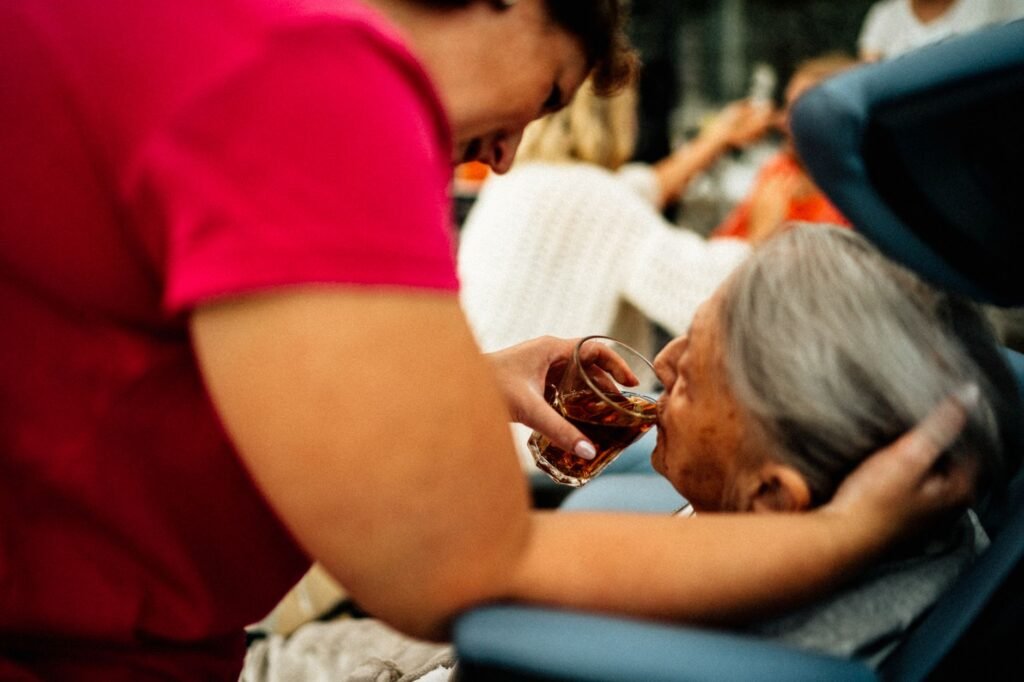
Before diving into care strategies, it’s essential to understand your grandma’s specific illness. This can range from chronic conditions to temporary ailments, each requiring different approaches. Take the time to have open conversations with her and her healthcare providers to grasp her condition fully.
Common Health Issues Among Grandparents
Some common health issues that affect grandmothers include:
- Chronic Conditions: Diabetes, heart disease, arthritis.
- Acute Illnesses: Flu, pneumonia, infections.
- Mental Health: Dementia, depression, anxiety.
Understanding these issues can help you provide the right kind of support and foster a more nurturing environment.
Reflection Point
Remember that your love and presence can make a significant difference in her healing journey. Stay connected and uplift her spirit.
Practical Ways to Support Your Grandma
Be Present
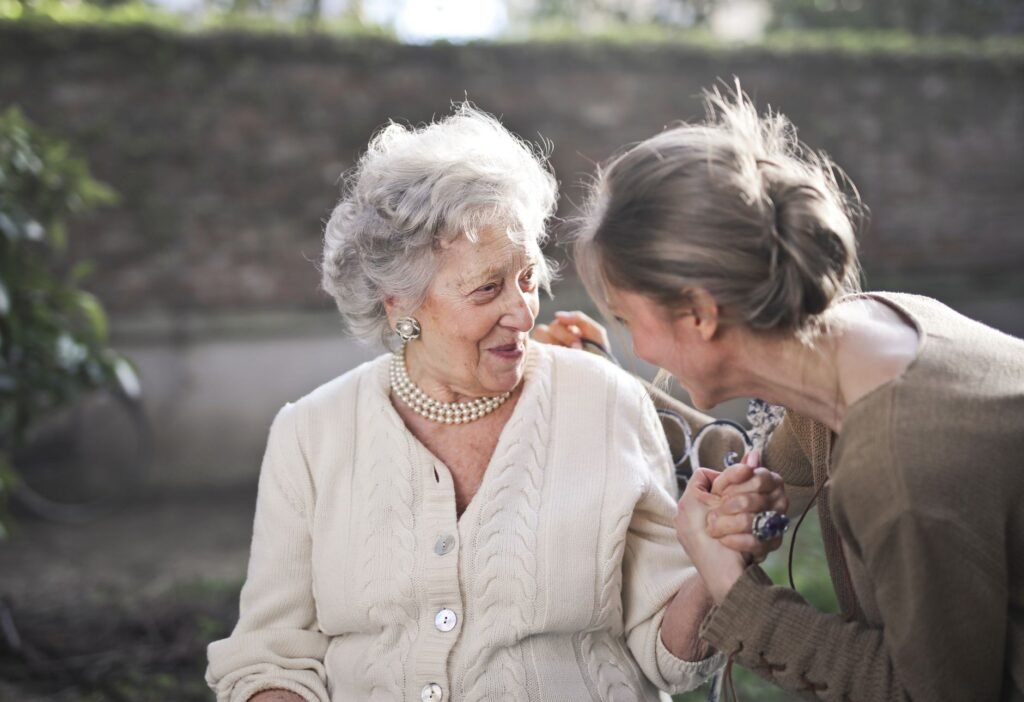
One of the most powerful things you can do is to simply be there. Your physical presence can be a great comfort.
- Frequent Visits: Make it a point to check in regularly, even if it’s just for a short time.
- Video Calls: If distance is a barrier, use technology to stay connected.
Create a Comfortable Environment
Help make her surroundings more comforting.
- Comfort Items: Bring her favorite blanket, books, or games.
- Declutter: A tidy space can reduce stress and anxiety.
Aid in Daily Tasks
During her illness, your grandma might find it challenging to carry out daily activities. Offer assistance in:
- Personal Hygiene: Help with bathing, grooming, or getting dressed.
- Meal Preparation: Prepare nutritious meals tailored to her needs.
- Medication Management: Ensure she takes her medications on time.
Encourage Healthy Habits
Promote a healthy lifestyle that aligns with her medical advice. This could include:
- Balanced Diet: Discuss meal options rich in nutrients.
- Hydration: Remind her to drink plenty of fluids.
- Gentle Exercise: If possible, encourage light physical activity to keep her spirits up.
Emotional Support: The Heart of Care
Foster Open Communication
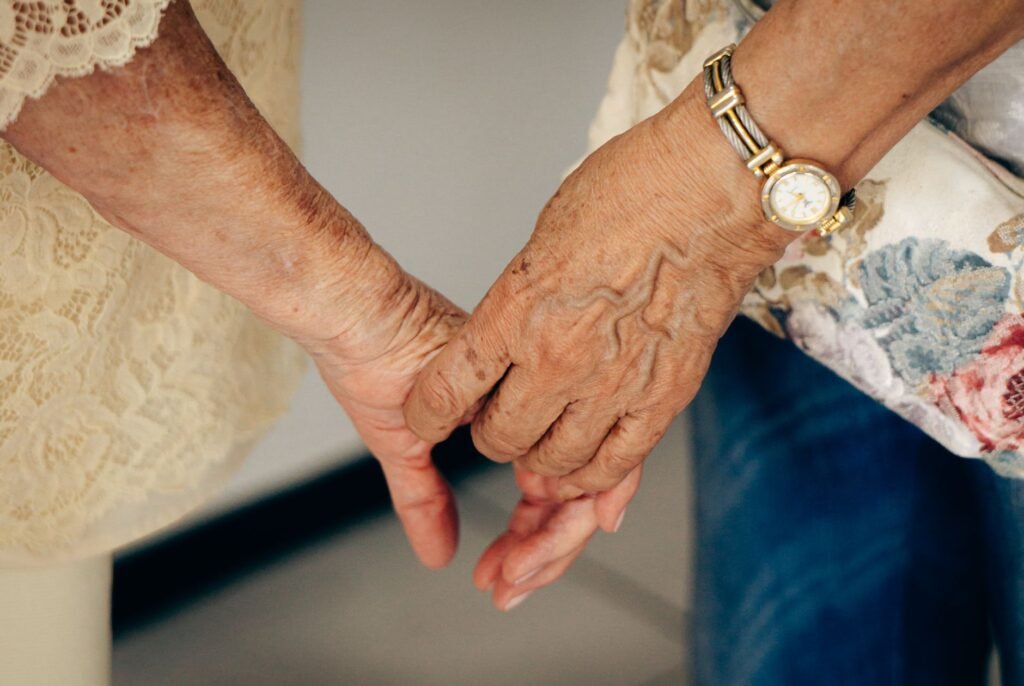
Encourage her to share her feelings. Creating a safe space for open discussions can alleviate feelings of isolation.
- Listen Actively: Show empathy and understanding; sometimes, just having someone listen can mean the world.
- Share Memories: Reminiscing about good times can uplift her spirits, reinforcing your bond.
Provide Encouragement and Positivity
Maintain a positive outlook, which can greatly influence her mood.
- Affirmations: Use positive affirmations to uplift her.
- Celebrate Small Wins: Whether it’s completing a task or feeling slightly better, celebrate these moments together.
Cherish the Moments
In times of hardship, it’s essential to focus on spending quality time together. Consider:
- Creating Memories: Engage in activities that she enjoys—watching her favorite movies, playing cards, or taking short walks.
- Capture Moments: Take photos or keep a journal of your time together; these can become cherished mementos.
Frequently Asked Questions
How can I help my grandma feel less lonely?
To alleviate her loneliness, make regular visits, engage in conversation, and share memories that bring joy. Your presence can be a source of comfort and connection during tough times.
What are some healthy meal ideas for my grandma?
Focus on nourishing meals that are easy to prepare, like soups, stews, or smoothies. Incorporate plenty of fruits, vegetables, and whole grains to support her health and recovery.
How can I manage my feelings of helplessness while caring for her?
It’s natural to feel helpless; remember to pray and seek God's guidance. Sharing your feelings with trusted friends or family can also provide support and perspective.
What should I do if my grandma refuses help?
Approach the situation gently, expressing your concern and love for her well-being. Encourage open communication about her feelings and reassure her that accepting help is a sign of strength.
Conclusion
Supporting a sick grandma is a journey filled with challenges and opportunities for growth, emotion, and deepened love. While you strive to take care of her physical needs, don’t underestimate the emotional connection that good communication, presence, and positivity can foster. Cherish the moments you have together; they are a treasure that can uplift not only her spirit but also your own.
When you put in the effort to show you care, you will reflect a bond that transcends illness—one built on love, respect, and cherished memories. Remember, a little love and compassion go a long way in making this difficult time a little easier for your beloved grandma.
Further Study