
Introduction to Abraham: A Man of Faith
Abraham, originally named Abram, is a towering figure in biblical history, revered not only as the father of the Israelites but also as a patriarch in the Islamic tradition. His journey begins in the land of Ur of the Chaldeans, where he is called by God to embark on a remarkable journey of faith. This call would lead him to become a cornerstone in God’s plan for humanity. Through Abraham’s life, we see a profound narrative of trust, obedience, and the unfolding of divine promises.
In Genesis, we read about how God chose Abraham to be the father of many nations, signifying a pivotal moment in the biblical narrative. Abraham’s willingness to leave his familiar surroundings reflects a powerful theme of obedience that resonates throughout Scripture. His life is a testament to how God uses individuals to fulfill His divine purposes, often in ways that are beyond human understanding.

The Call of Abraham: Leaving the Familiar
The story of Abraham begins with a divine call: “Go from your country and your kindred and your father’s house to the land that I will show you” – Genesis 12:1. This call required a radical departure from everything Abraham knew. It is not merely a physical move; it is a profound act of faith that demonstrates true reliance on God’s guidance. Abraham’s response to this call reveals his character and sets the stage for his entire life of faith.
Abraham’s journey illustrates a fundamental principle of the Christian walk: trusting in God often means stepping into the unknown. Each of us may face a moment where we are called to leave our comfort zones, whether that be a job, a relationship, or even a way of thinking. Abraham’s example encourages us to trust in God’s plan, even when we cannot see the end result.
Reflection Point
Consider the ways God is calling you to step out in faith today, just as He did with Abraham.
The Covenant: God’s Promises to Abraham
God’s promises to Abraham unfold through a series of covenants that establish a deep and abiding relationship between God and Abraham. The first significant covenant is found in Genesis 12, where God promises Abraham three key things: land, descendants, and blessings. These promises are not only for Abraham but extend to all nations through his lineage.
One of the most profound aspects of this covenant is the assurance of a land for Abraham’s descendants, which would eventually become Israel. This promise is pivotal, as it outlines God’s plan for His chosen people and sets the stage for the redemptive history that follows. The repetition of these promises throughout Abraham’s life, particularly in Genesis 15 and Genesis 17, highlights God’s unwavering faithfulness.
The Sign of the Covenant
In Genesis 17, God gives Abraham the sign of the covenant: circumcision. This act serves as a physical representation of the spiritual commitment that Abraham and his descendants are to uphold. It is a reminder that being chosen by God comes with responsibilities and expectations.
The significance of this covenant can also be seen in the New Testament, where Paul elaborates on Abraham’s faith. He emphasizes that it is not through the law but through faith that we are considered children of Abraham. This connection ties the Old and New Testaments together, illustrating that God’s promise extends beyond time and culture.
The Testing of Abraham: Faith in Action
Abraham’s faith is put to the ultimate test when God commands him to sacrifice his son Isaac. This narrative in Genesis 22 is one of the most challenging passages in Scripture, yet it profoundly illustrates the depth of Abraham’s trust in God.
When God asks Abraham to offer Isaac, it is not merely a test of obedience but an invitation to demonstrate faith in the face of unimaginable loss. Abraham prepares to follow through, believing that God could even raise Isaac from the dead. As he raises the knife, God intervenes, providing a ram as a substitute sacrifice. This moment serves not only as a test but also foreshadows the ultimate sacrifice of Jesus Christ, underscoring the theme of substitutionary atonement that runs through the Bible.
Abraham’s willingness to sacrifice Isaac reveals a profound truth: true faith often requires us to relinquish our most treasured possessions and desires. It challenges us to ask ourselves what we are willing to surrender for the sake of our relationship with God.
The Legacy of Abraham: A Father of Many Nations
Abraham’s legacy extends far beyond his lifetime. He is recognized as the father of many nations, including the Jews, Christians, and Muslims. His faith and obedience to God set a standard for generations to come, illustrating what it means to walk in faith.
In Romans 4, Paul describes Abraham as “the father of all who believe,” emphasizing that it is faith, not lineage, that connects us to this patriarch. This perspective invites all believers into the family of God, transcending cultural and ethnic boundaries to unify us under one faith.
Abraham’s life serves as a blueprint for our own journeys of faith. His struggles, victories, and unwavering trust in God’s promises encourage us to pursue our relationship with God wholeheartedly. Through both triumph and trial, Abraham exemplifies the power of faith in action.
Abraham’s Relationships: A Model of Faith and Influence
Abraham’s relationships, particularly with his wife Sarah and his nephew Lot, provide further insight into his character and faith. Sarah, who bore the child of promise, faced her own trials with doubt and disbelief. Yet, Abraham remained steadfast, often interceding for her and demonstrating patience in God’s timing.
His relationship with Lot illustrates the challenges of familial ties and the necessity of making difficult choices. When their herds grew too large, Abraham graciously allowed Lot to choose the land he desired, showing selflessness and maturity. This decision ultimately sets the stage for future conflicts but also reveals Abraham’s commitment to peace and harmony.
These relational dynamics remind us that our walk of faith impacts those around us. How we respond to challenges in relationships can either reflect the love of God or create obstacles to our witness. Abraham’s example encourages us to pursue healthy relationships rooted in faith, grace, and love.
Abraham’s Faith in the Face of Doubt
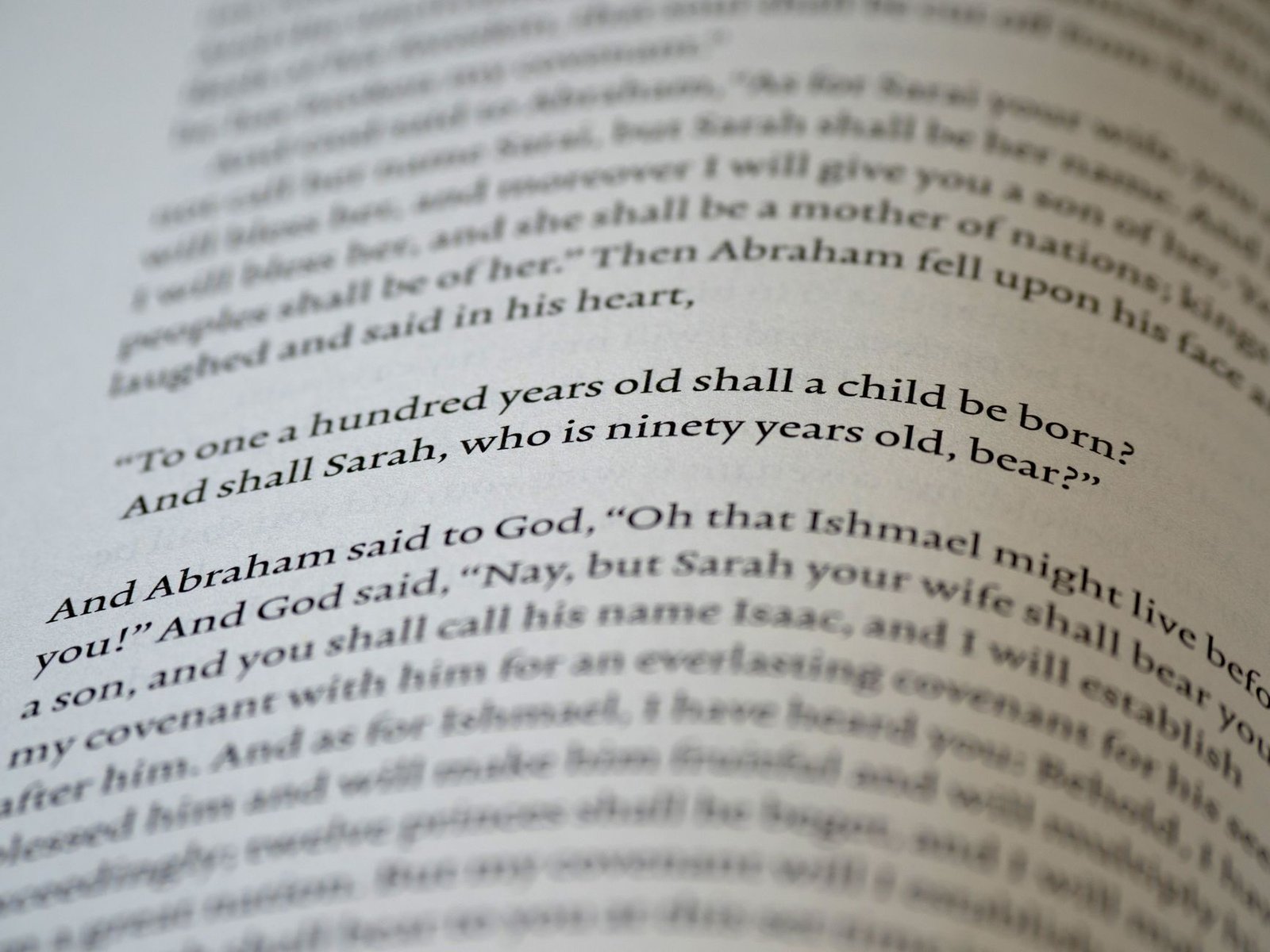
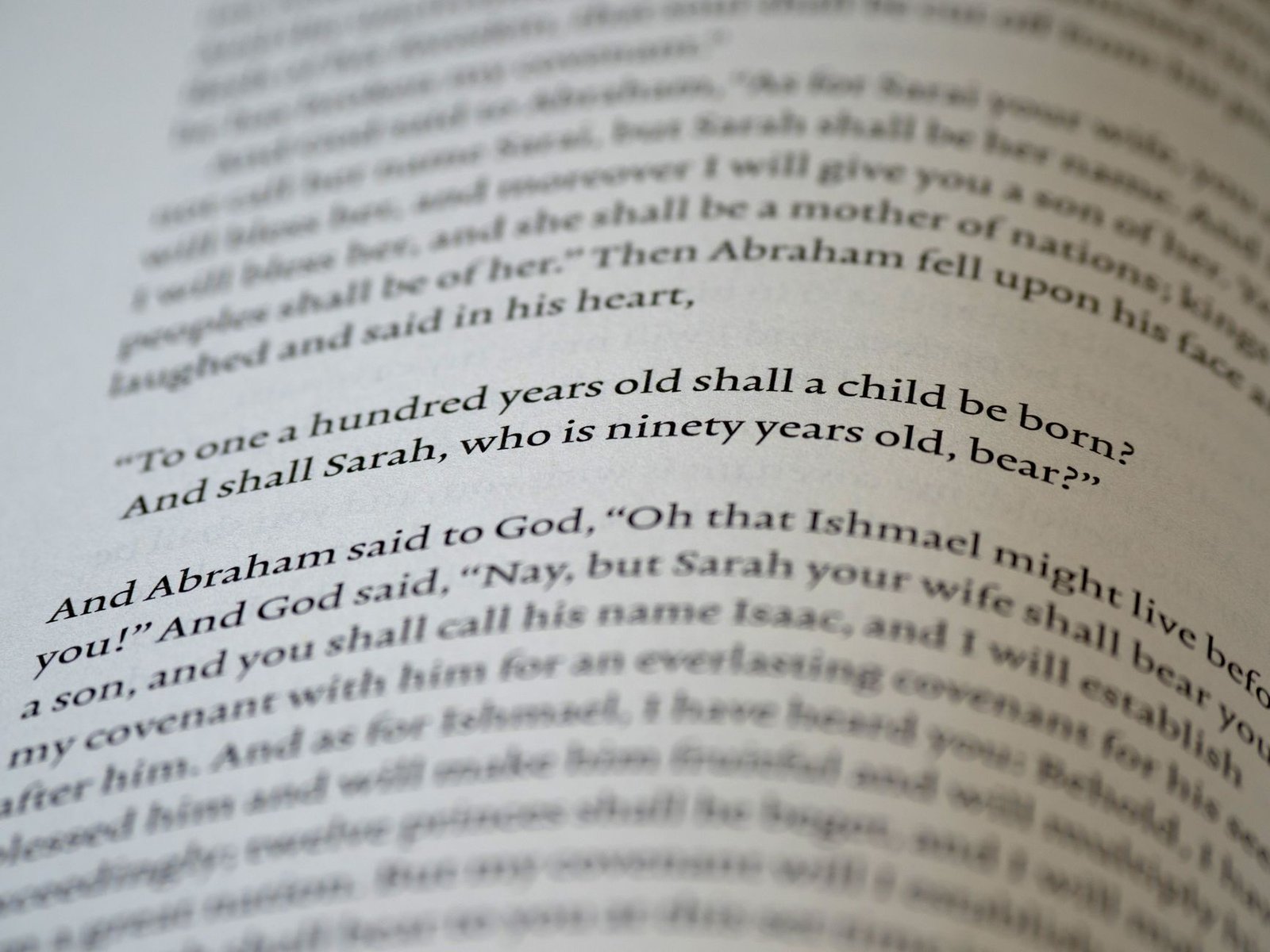
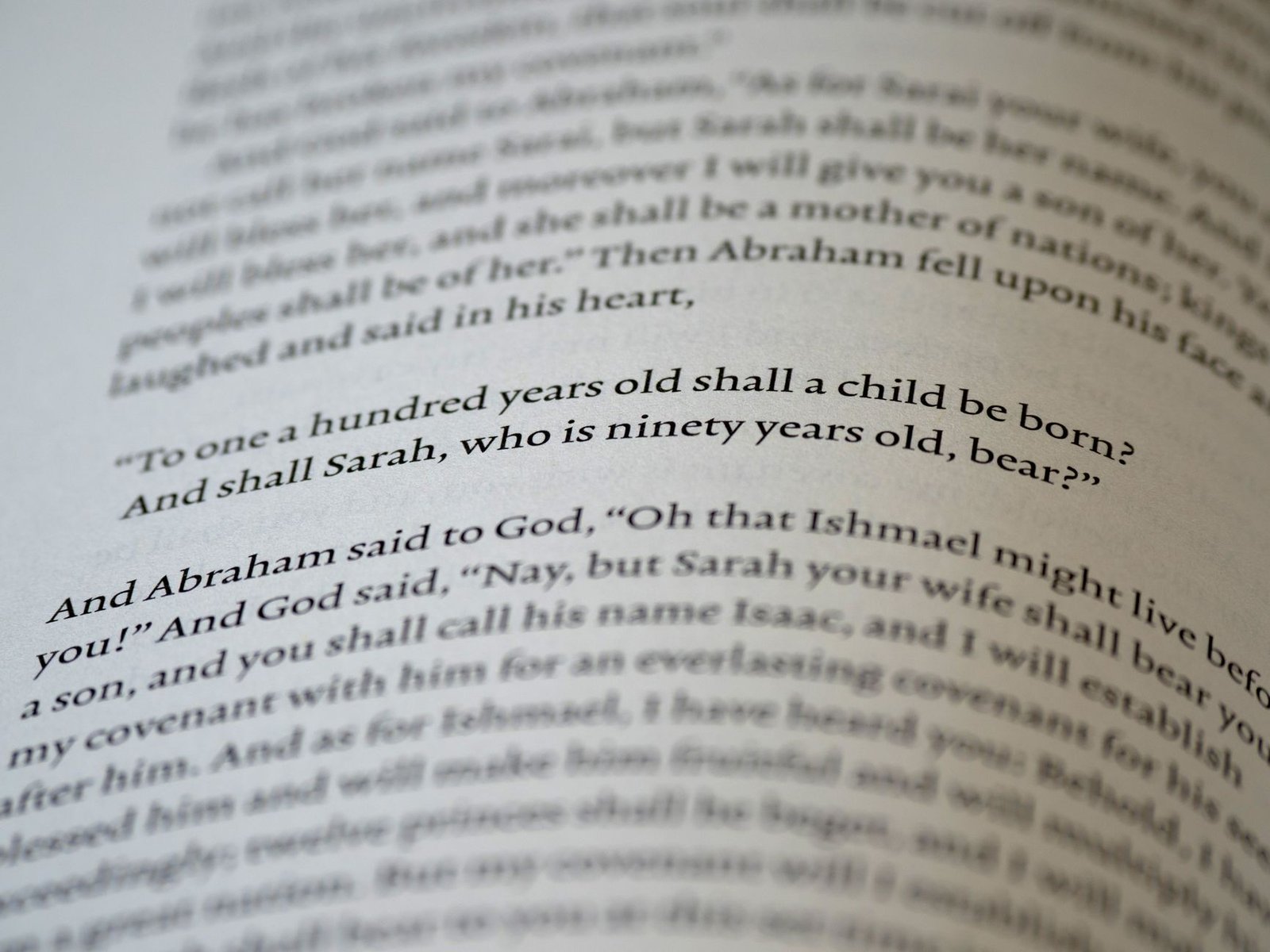
Throughout his journey, Abraham faced numerous moments of doubt. Despite the promises made to him, the years without an heir were filled with uncertainty. At times, he took matters into his own hands, such as when he fathered Ishmael through Hagar due to impatience with God’s timing.
This aspect of Abraham’s story resonates with many of us. We often find ourselves in seasons of waiting, leading to moments of doubt and temptation to take control of our situations. However, God remained faithful to Abraham’s original promise, demonstrating that His plans are not thwarted by our mistakes.
Learning from Abraham’s journey teaches us to embrace patience and trust in God’s perfect timing. Our doubts do not disqualify us from God’s promises; rather, they can become stepping stones to deeper faith as we witness His faithfulness in our lives.
God’s Presence in Abraham’s Life
Throughout Abraham’s journey, we see the consistent presence of God guiding and reassuring him. In moments of fear and uncertainty, God appeared to Abraham, reaffirming His promises and providing encouragement. These divine encounters illustrate the relational aspect of faith—God desires to be intimately involved in our lives.
Abraham’s altars, built in response to God’s revelations, serve as physical reminders of his commitment to worship and recognize God’s presence. Each altar signifies a moment of encounter, a place where Abraham acknowledged God’s faithfulness.
In our own lives, creating “altars” can help us remember God’s faithfulness. Whether through journaling, prayer, or memorializing significant moments, these practices can ground us in our faith and remind us of God’s unwavering presence.
The Role of Abraham in God’s Redemptive Plan
Abraham is pivotal in the unfolding of God’s redemptive plan. His faith and obedience set into motion the lineage that would ultimately lead to Jesus Christ, the fulfillment of God’s promise to bless all nations.
This connection showcases the continuity of God’s plan throughout Scripture. From Abraham to Moses, and then to Christ, each figure plays a role in the narrative of redemption. Abraham’s life exemplifies the faith required to be part of God’s story, reinforcing that our individual stories contribute to a larger, divine purpose.
Recognizing our place in God’s redemptive plan invites us to live with intention and purpose. Just as Abraham’s faith impacted generations, our faith can influence those around us, leaving a lasting legacy that honors God.
Conclusion: Embracing the Journey of Faith
The life of Abraham serves as a powerful reminder of what it means to trust and obey God. His journey was not without challenges, doubts, and mistakes, yet through it all, he remained a faithful servant of God. As we reflect on his life, we are encouraged to embrace our own journeys of faith, trusting that God is with us every step of the way.
Abraham’s story invites us to explore our relationship with God, to step out in faith, and to believe in His promises. In moments of uncertainty, we can look to Abraham as a model of perseverance and faithfulness, knowing that God’s plans for us are good and filled with hope.
Abraham’s Covenant with God
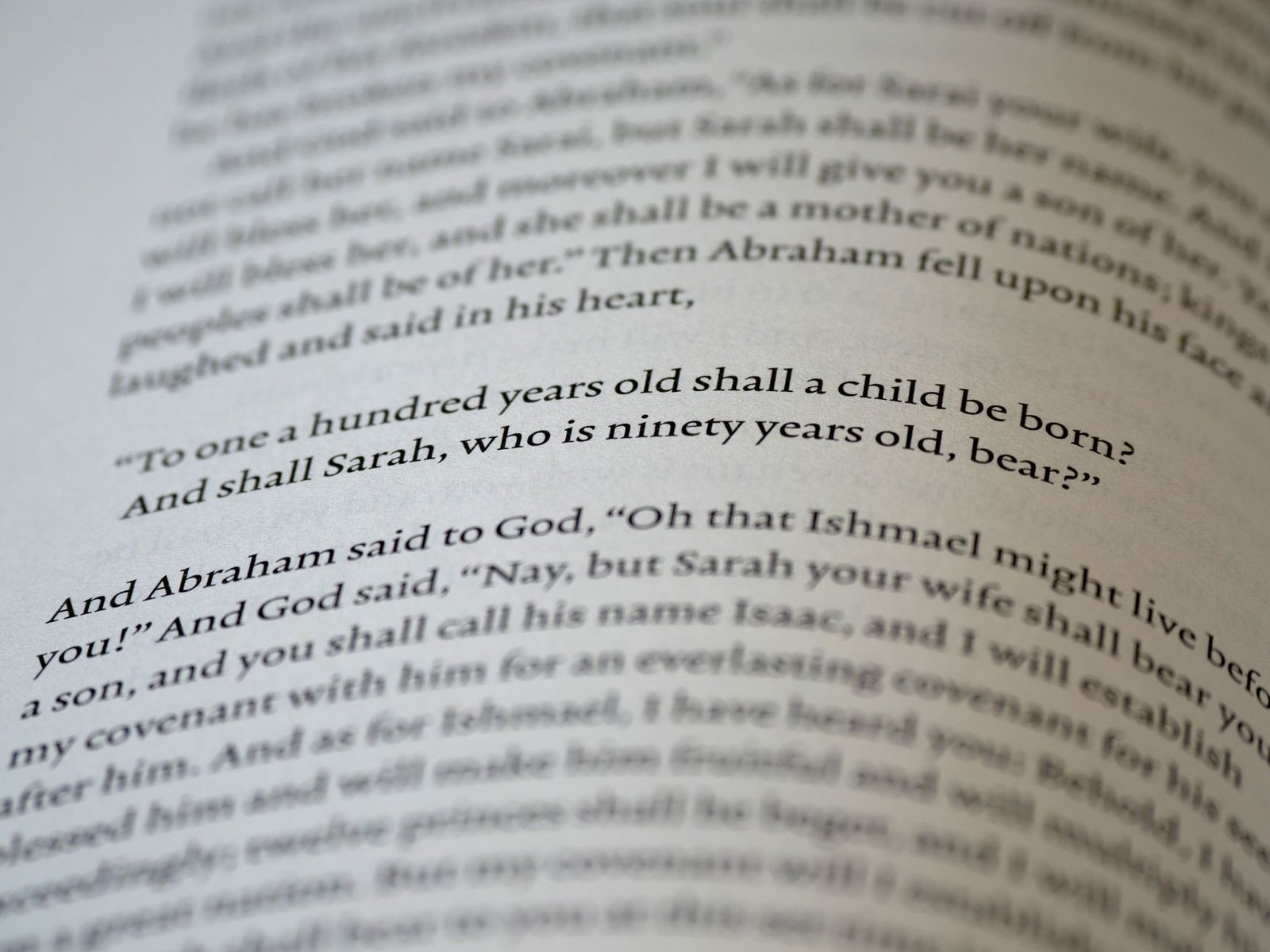
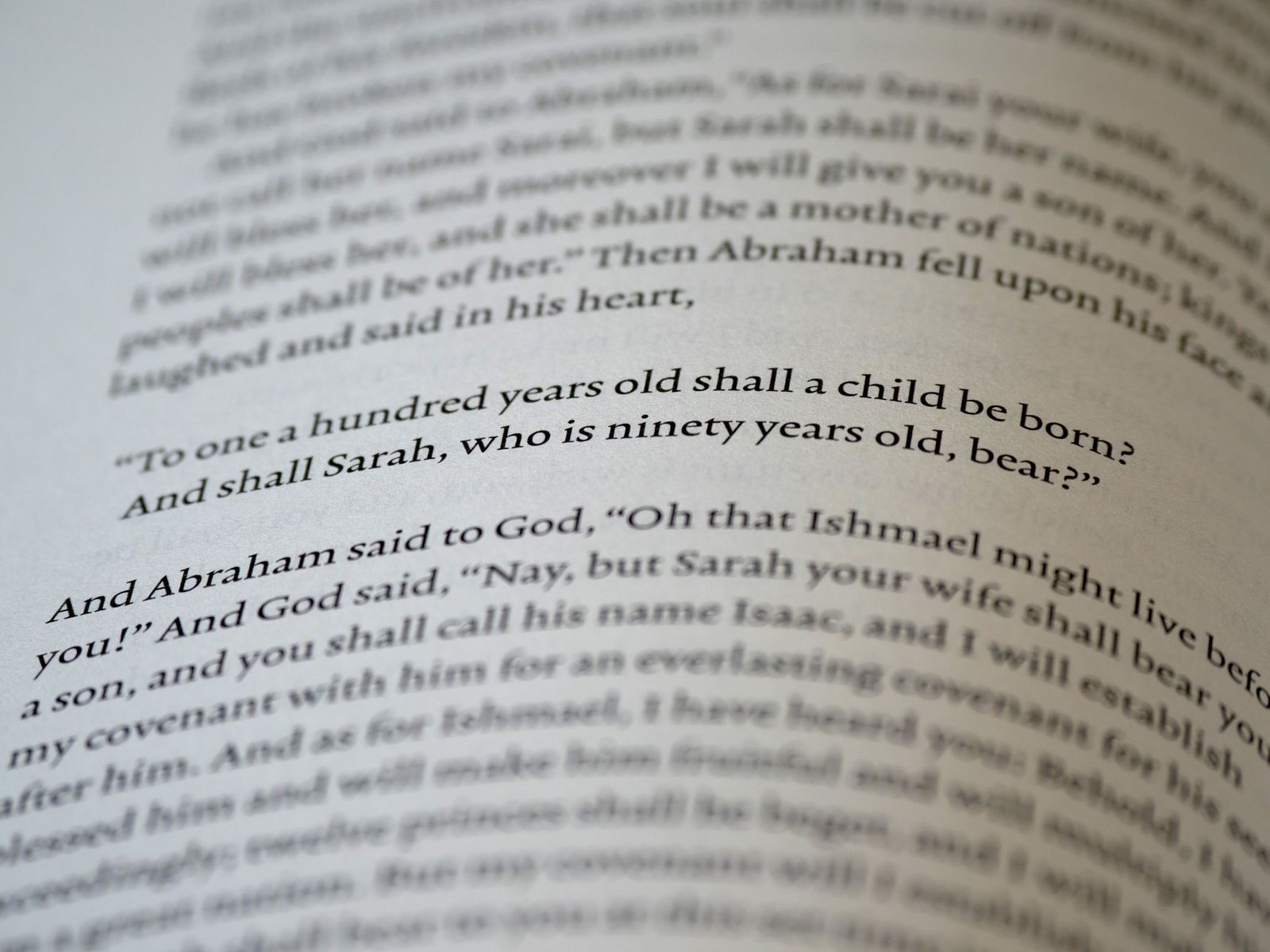
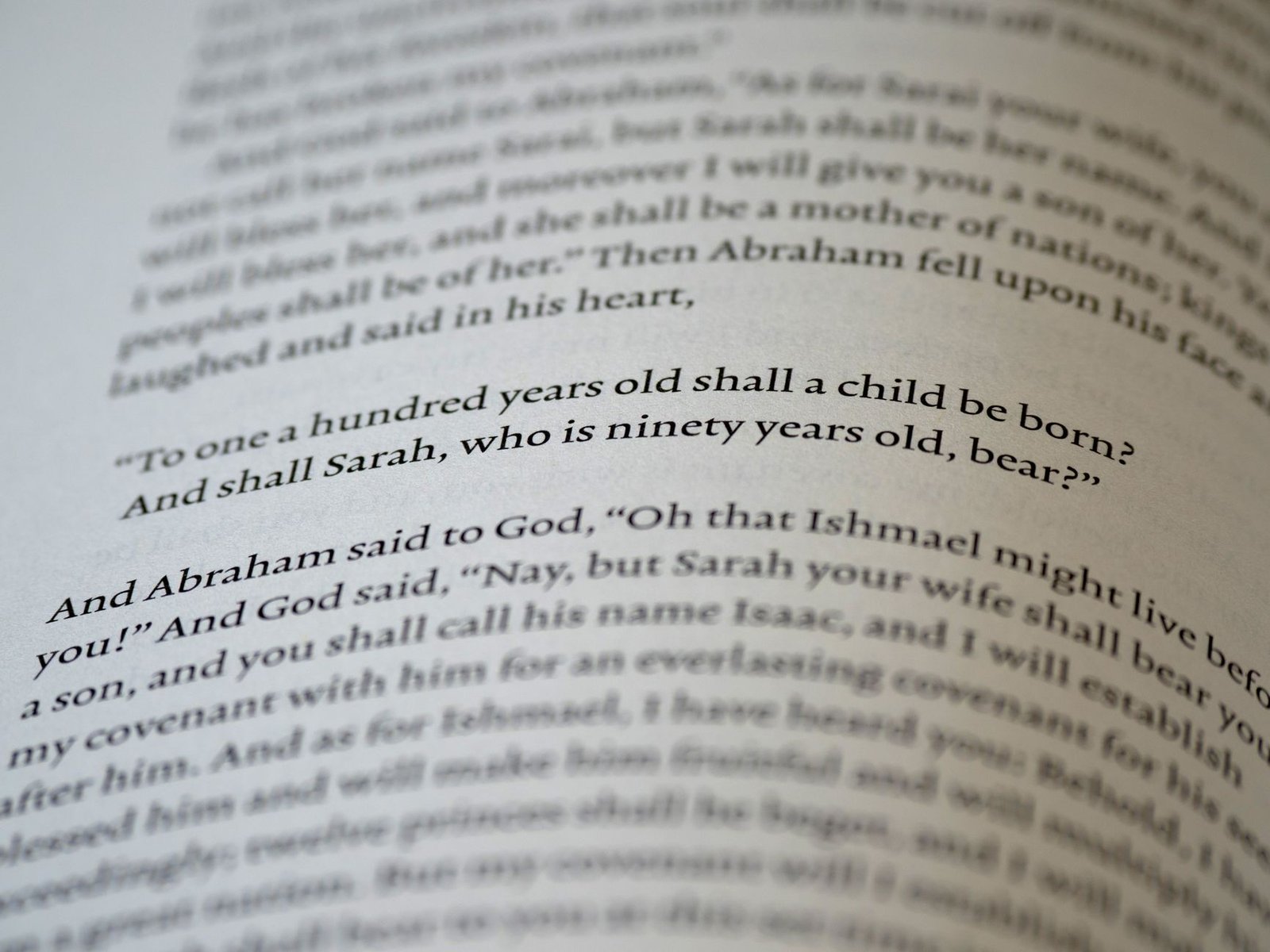
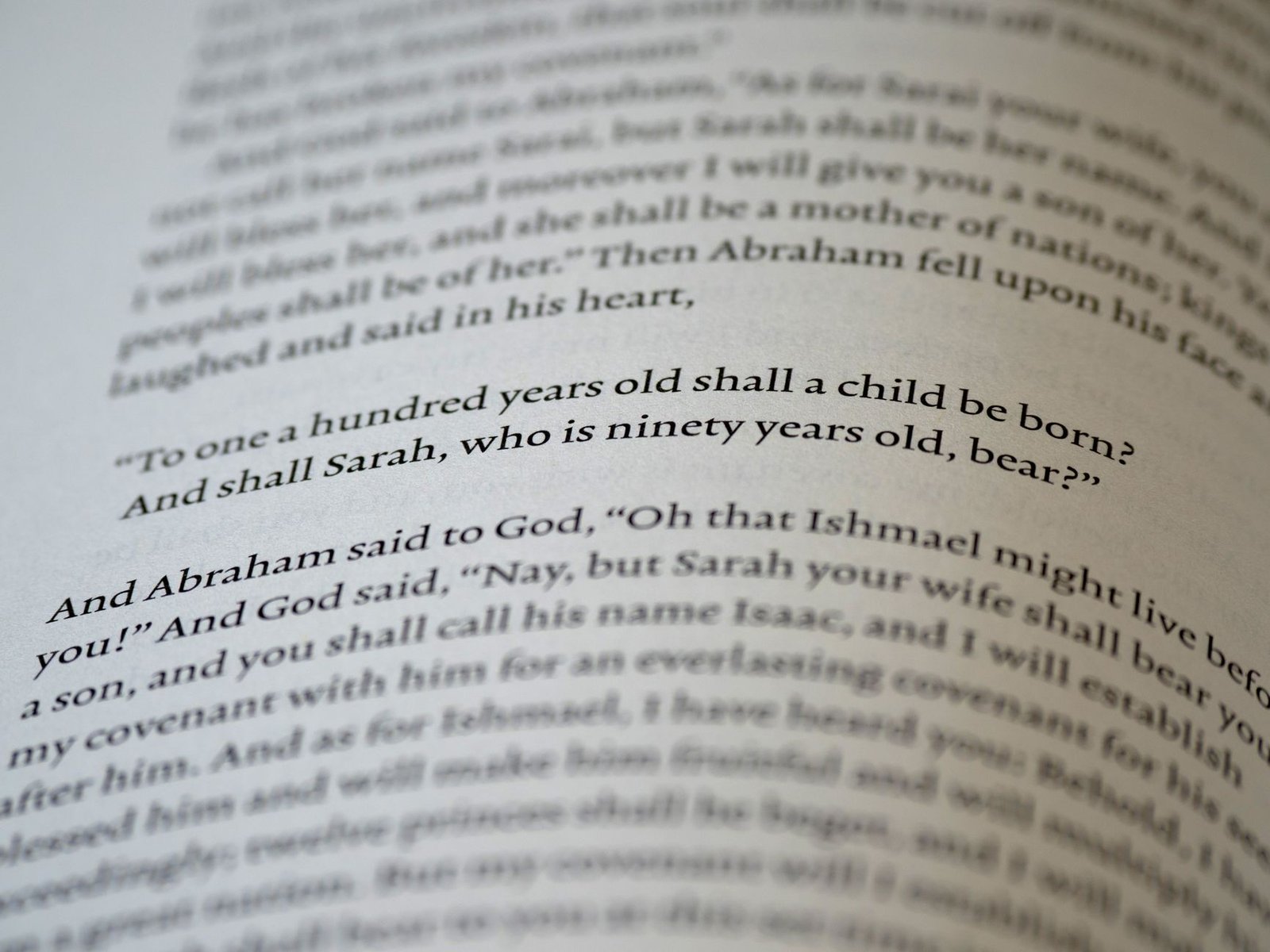
One of the most significant aspects of Abraham’s life is the covenant that God established with him. This covenant is pivotal not only for Abraham but for the entirety of biblical history. In
“I will make you into a great nation, and I will bless you; I will make your name great, and you will be a blessing.” – Genesis 12:2
, God promises Abraham both a great nation and blessings that would extend to the world. This foundational promise underlines the theme of covenant throughout Scripture, which reveals God’s desire for a relationship with humanity.
Key Takeaways
- Abraham was called to leave his home
- His faith was tested through sacrifice
- God made covenants with Abraham
- Abraham's legacy continues in faith today
The covenant is further solidified through the rite of circumcision, which serves as a physical sign of God’s promise. In
“This is my covenant with you: You will be the father of many nations.” – Genesis 17:4
, God reiterates the promise and establishes the expectation of faithfulness from Abraham and his descendants. This covenant not only marked Abraham’s lineage but also set the stage for Israel’s identity as God’s chosen people.
The significance of this covenant extends to the New Testament, where Paul emphasizes in
“If you belong to Christ, then you are Abraham’s seed, and heirs according to the promise.” – Galatians 3:29
that through faith in Christ, believers become heirs of the promises made to Abraham. This connection highlights the continuity of God’s plan and the unifying nature of faith across generations.
Abraham’s Intercession: A Model of Advocacy
Abraham’s role as an intercessor is another critical dimension of his character, demonstrating the importance of prayer and advocacy in the life of faith. In the narrative of Sodom and Gomorrah, Abraham boldly approaches God to plead for the cities, showcasing his deep concern for justice and mercy. He petitions God, asking,
“Will you sweep away the righteous with the wicked?” – Genesis 18:23
, and engages in a dialogue that reveals his heart for the innocent and his understanding of God’s nature.
This act of intercession not only highlights Abraham’s relationship with God but also serves as a powerful example for believers today. His willingness to stand in the gap for others challenges us to consider how we might advocate for those in need, whether through prayer, support, or action. Abraham’s intercession illustrates that faith is not only a personal journey but also a communal responsibility, urging us to seek the welfare of others as we walk in obedience to God.
Through his example, we learn that our prayers can influence outcomes and that God listens to the cries of His people. Just as Abraham’s intercession for Sodom reflects God’s desire for mercy, we too are called to intercede for our communities, nations, and the world, trusting in God’s compassion and justice.
Abraham’s Legacy of Faithfulness
Abraham’s faithfulness to God sets a profound example for generations to come. His willingness to obey God’s commands, even in difficult circumstances, illustrates a deep trust in God’s promises. One of the most notable tests of his faith occurred when God commanded him to sacrifice his son Isaac. In this moment of extreme obedience, Abraham demonstrated unwavering faith, believing that God could raise Isaac from the dead. This is affirmed in the New Testament: “By faith Abraham, when God tested him, offered Isaac as a sacrifice.” – Hebrews 11:17.
Abraham’s legacy is not only about his faith but also about his actions that stemmed from that faith. The willingness to sacrifice his son reflects a profound trust in God’s plan, and it foreshadows the ultimate sacrifice of Christ. This act of obedience has made Abraham a model of faithfulness for believers, reminding us that true faith often requires us to step into the unknown, trusting that God is working for our good.
The Significance of Abraham’s Hospitality
Abraham’s story also highlights the virtue of hospitality, particularly in the encounter with the three visitors in “The LORD appeared to Abraham near the great trees of Mamre.” – Genesis 18:1. In this moment, Abraham exemplifies the cultural importance of welcoming strangers, offering them food and rest. His eagerness to serve these visitors underscores the biblical principle of hospitality, which is a reflection of God’s love and generosity.
This encounter with the visitors serves a dual purpose: it illustrates Abraham’s character and foreshadows the announcement of the miraculous birth of Isaac. The visitors affirm God’s promise to Abraham, stating: “I will surely return to you about this time next year, and Sarah your wife will have a son.” – Genesis 18:10. Abraham’s hospitality not only enriches his relationship with God but also brings blessings into his life.
For believers today, Abraham’s practice of hospitality calls us to extend kindness and generosity to others, recognizing that in serving others, we may encounter God in unexpected ways. Whether through acts of kindness or openness in our homes, we can reflect the heart of God in our communities.
Frequently Asked Questions
What did God promise Abraham?
God promised Abraham that he would be the father of many nations, that his descendants would be as numerous as the stars, and that through him, all nations would be blessed.
How did Abraham demonstrate his faith?
Abraham demonstrated his faith by obeying God's command to leave his homeland and by trusting God when asked to sacrifice his son Isaac.
What is the significance of Abraham in the Bible?
Abraham is significant as the father of faith, representing the covenant relationship between God and His people, and serving as a model of obedience and trust.
How did God test Abraham's faith?
God tested Abraham's faith by asking him to sacrifice Isaac, which was a profound challenge that revealed Abraham's deep trust in God's plan.
Final Thoughts
Reflecting on Abraham's life encourages us to embrace faith and obedience in our own journeys. His story is a testament to God's faithfulness and the extraordinary outcomes of trusting Him.