The Call of Abraham: A New Beginning
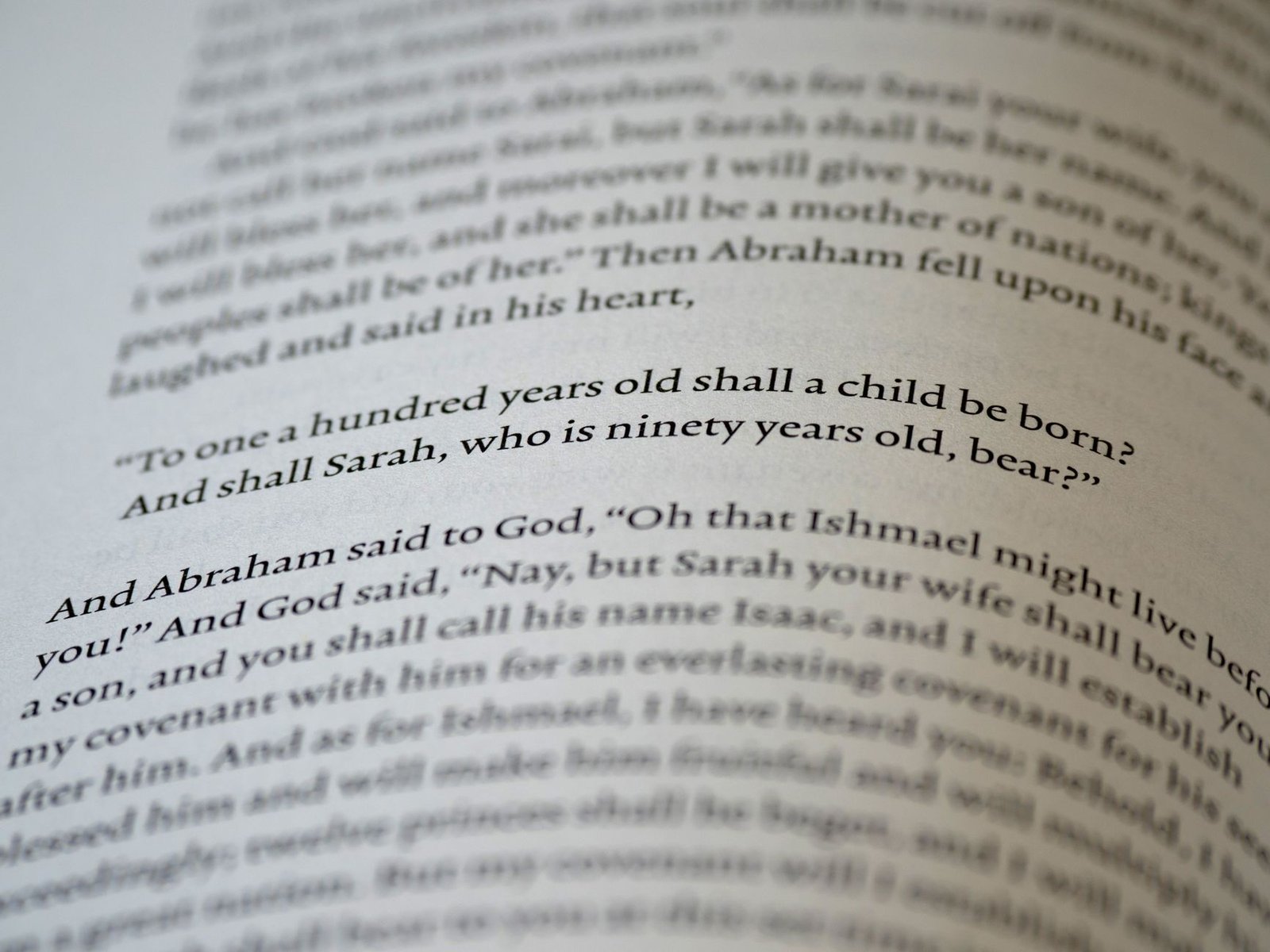
At the age of seventy-five, Abraham received one of the most profound calls in biblical history. God instructed him to leave his homeland, Ur of the Chaldeans, and journey to a land He would show him. This moment marked not just a geographical shift but a spiritual awakening. Abraham’s obedience, despite not knowing his destination, speaks volumes about faith. He left behind comfort and familiarity to embrace the unknown, trusting in God’s promise to make him a great nation. In this call, we see the essence of faith: stepping out in trust when the path is unclear.
“Go from your country, your people and your father’s household to the land I will show you.” – Genesis 12:1
Abraham’s willingness to respond to God’s call encourages us to evaluate our own lives. Are there areas where God is calling us to step out in faith? Like Abraham, we may not have all the answers, but the journey begins with trust.
The Covenant: A Promise of Legacy
God made a covenant with Abraham that was pivotal in biblical history. This covenant included promises of land, descendants, and blessings, which set the foundation for the nation of Israel. The significance of this covenant cannot be overstated; it represented a divine commitment that would extend through generations.
In Genesis, God explicitly outlines His promises, assuring Abraham that his descendants would be as numerous as the stars in the sky. This moment was not just about Abraham; it was about the establishment of a people chosen to reflect God’s glory. The covenant also required Abraham to respond with faithfulness, marking the beginning of a reciprocal relationship between God and His chosen servant.
“I will establish my covenant between me and you, and your descendants after you for the generations to come, to be your God and the God of your descendants after you.” – Genesis 17:7
This covenant reminds us that God’s promises are not only for the ancient patriarchs but extend to all who believe. As we navigate our own uncertainties, we can rest in the assurance that God is faithful to His promises, just as He was with Abraham.
Reflection Point
Consider how your own faith journey mirrors Abraham's, especially in times of uncertainty and promise.
The Birth of Isaac: The Fulfillment of Promise
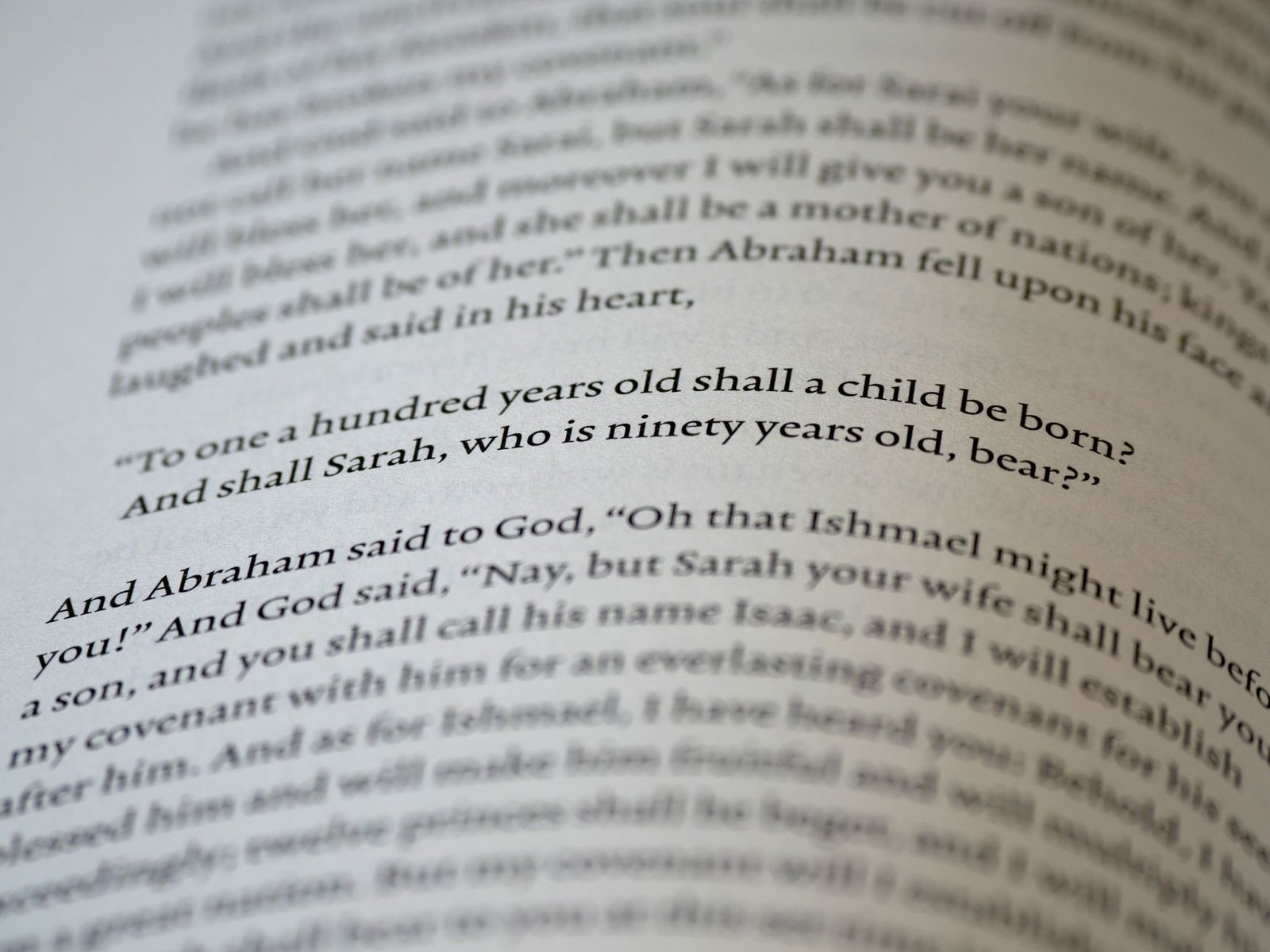
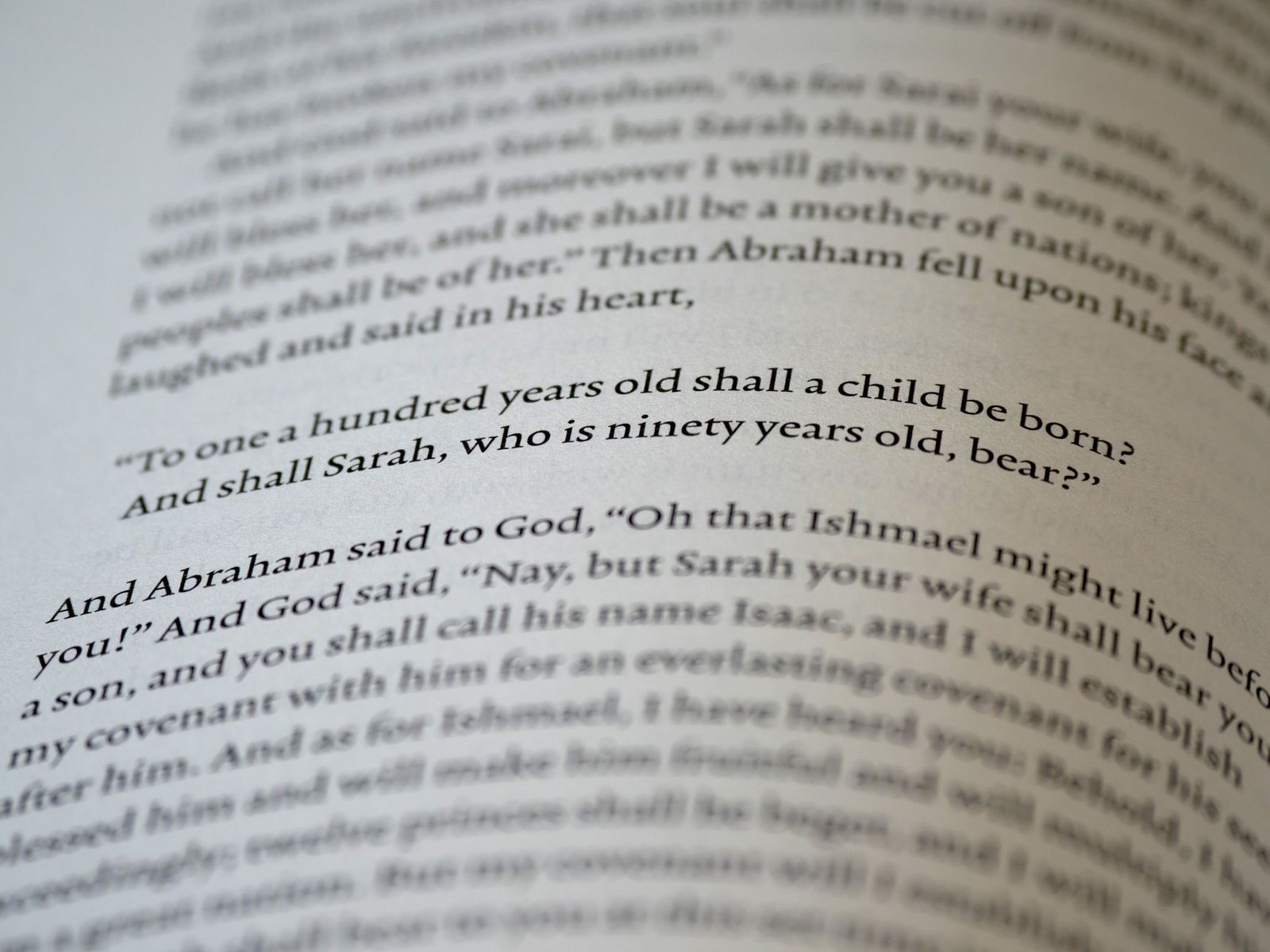
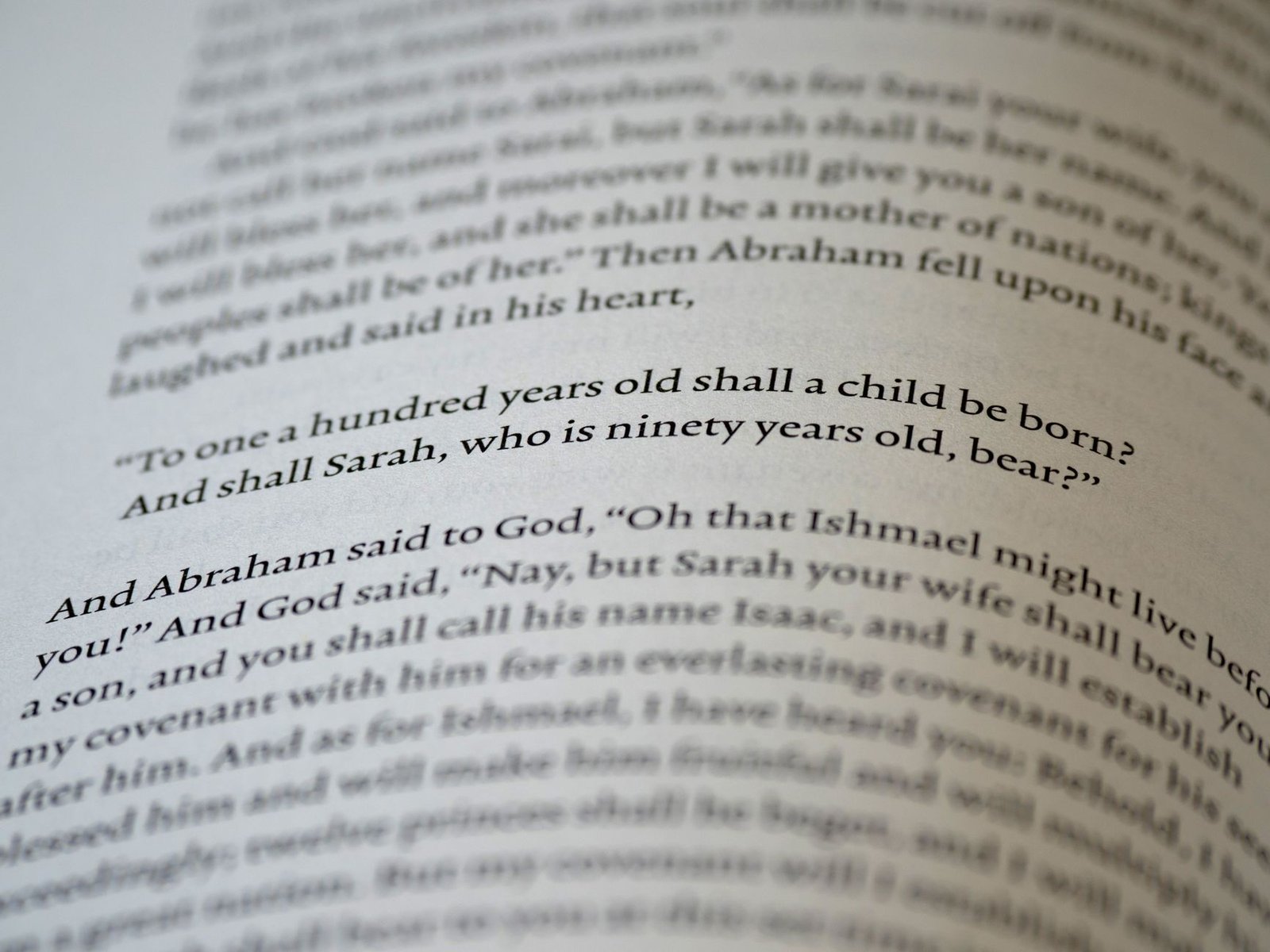
After years of waiting and feeling the weight of God’s promise, Abraham and Sarah finally welcomed their son, Isaac. This event was monumental, not merely for Abraham and Sarah, but for the unfolding story of redemption. Isaac’s birth represented the tangible fulfillment of God’s promise to Abraham, affirming that nothing is impossible for God.
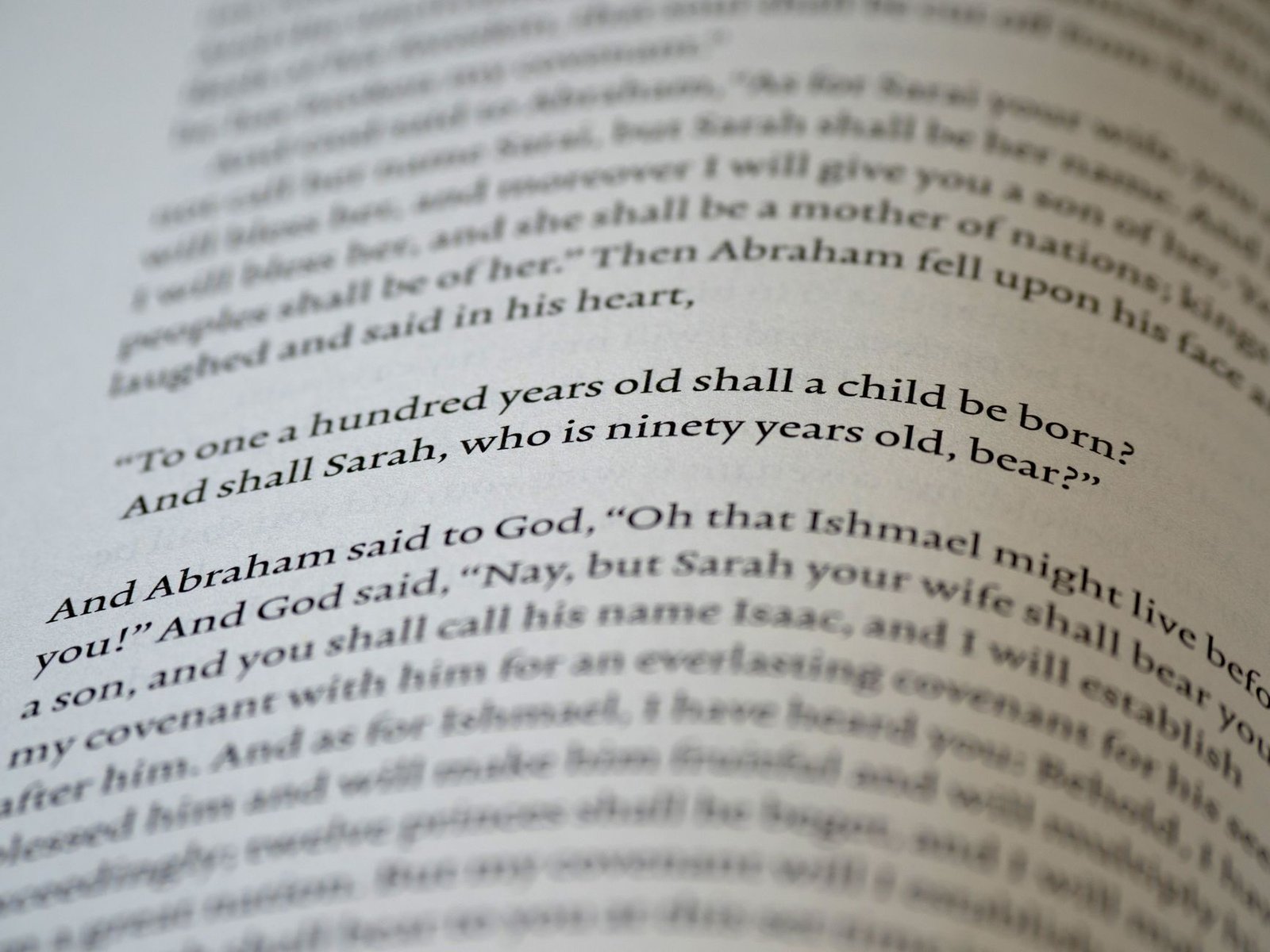
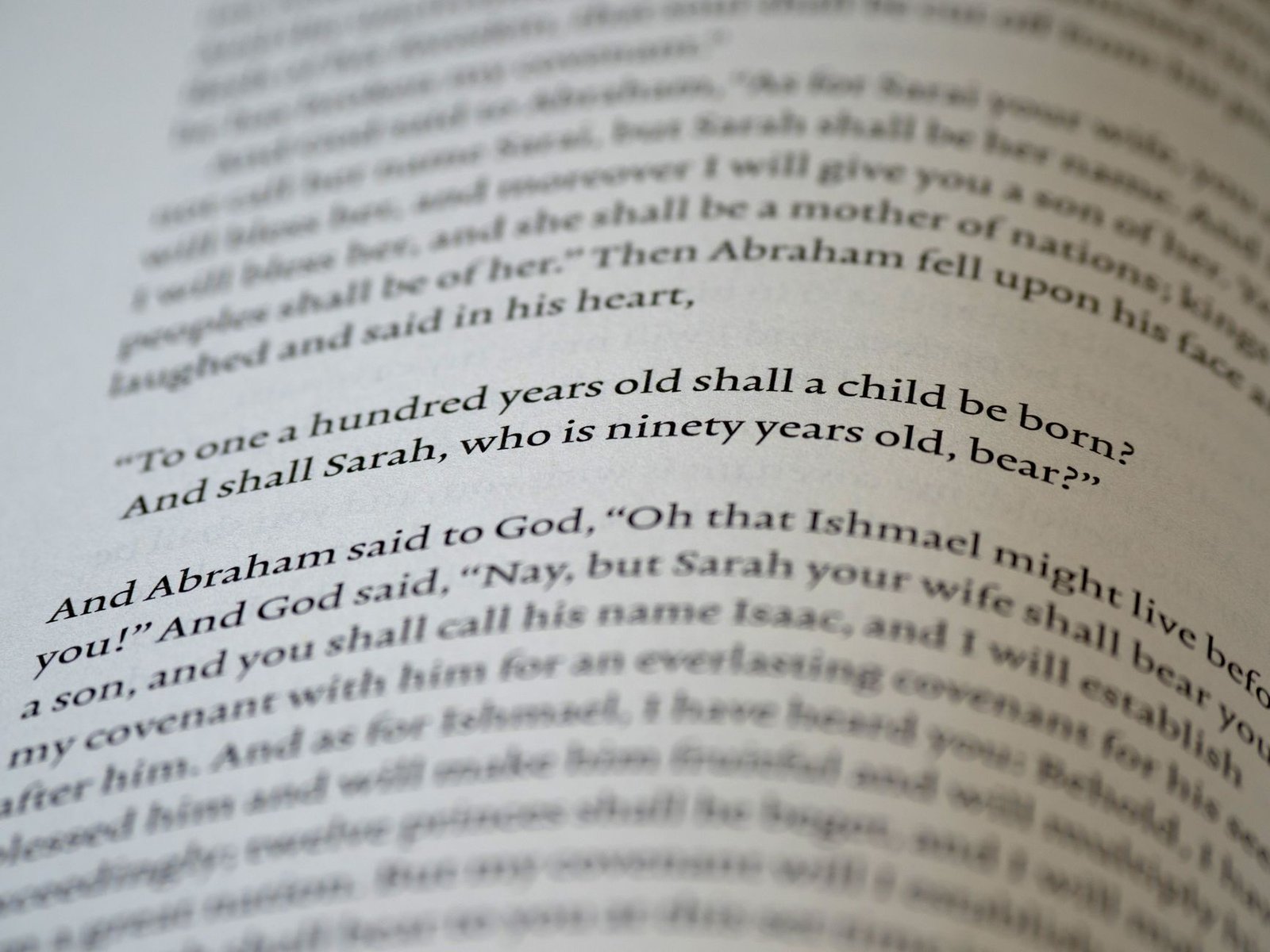
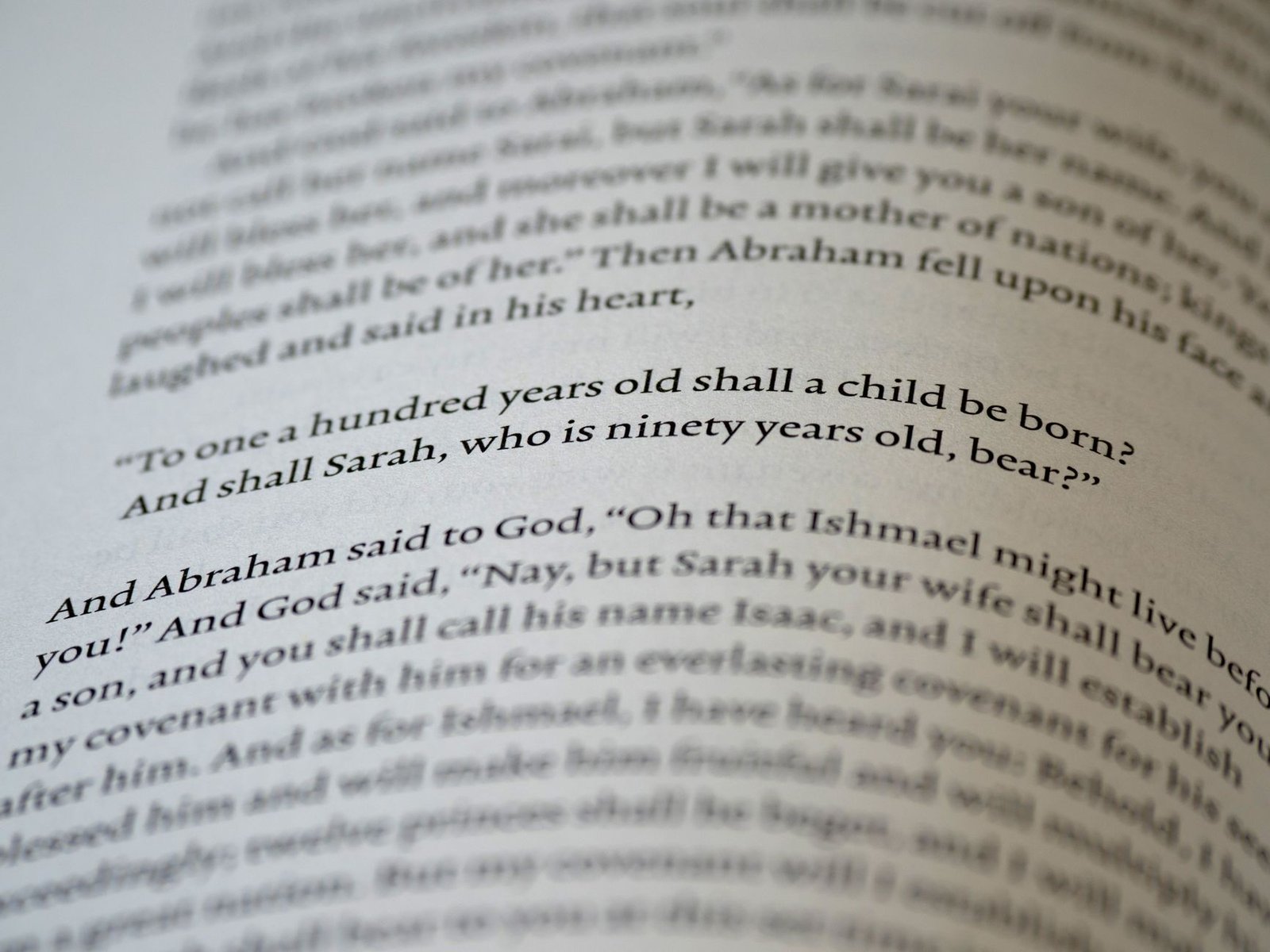
The joy of this moment was heightened by the years of struggle and doubt that preceded it. Sarah, initially skeptical, laughed at the prospect of having a child in her old age. Yet God’s faithfulness shone through, teaching us that His timing is perfect, even when we cannot see it.
“Is anything too hard for the Lord?” – Genesis 18:14
Isaac’s birth not only brought joy but also solidified Abraham’s identity as the father of many nations. It serves as a reminder that God’s promises often require patience and unwavering faith. As we wait for our own desires and dreams to unfold, we can draw strength from Abraham’s journey.

The Test of Faith: Sacrificing Isaac
One of the most profound tests of Abraham’s faith came when God commanded him to sacrifice Isaac. This moment is both heartbreaking and awe-inspiring. Abraham, fully aware of the covenant promise regarding his son, faced an unimaginable dilemma: to obey God or hold onto the very promise he had long awaited.
As he prepared for the sacrifice, Abraham displayed unwavering trust in God’s character despite his situation. He believed that even if he sacrificed Isaac, God could raise him from the dead. This profound faith was met with God’s intervention, as He provided a ram in place of Isaac.
“Do not lay a hand on the boy,” he said. “Do not do anything to him. Now I know that you fear God, because you have not withheld from me your son, your only son.” – Genesis 22:12
This story challenges us to consider what we hold dear in our lives. Are we willing to surrender our deepest desires to God? It reminds us that true faith often involves sacrifice and trust, knowing that God is aware of our needs and desires.
The Intercession for Sodom: A Heart of Compassion
Another significant moment in Abraham’s life occurred when he interceded for the cities of Sodom and Gomorrah. Upon learning of God’s intention to destroy these cities due to their wickedness, Abraham’s heart of compassion compelled him to plead for mercy.
In this dialogue with God, Abraham boldly asked if the cities could be spared for the sake of a few righteous people. His willingness to advocate for the wicked reveals a profound aspect of his character: a heart that seeks to reflect God’s mercy and justice. Abraham’s intercession showcases the power of prayer and advocacy, reminding us that we, too, can stand in the gap for others.
“Then Abraham approached him and said: ‘Will you sweep away the righteous with the wicked?'” – Genesis 18:23
This moment encourages us to consider the importance of interceding for those who may be lost or struggling. Like Abraham, we are called to stand in prayer for our communities, trusting that God hears our cries for mercy.
The Legacy of Faith: Abraham as Our Father
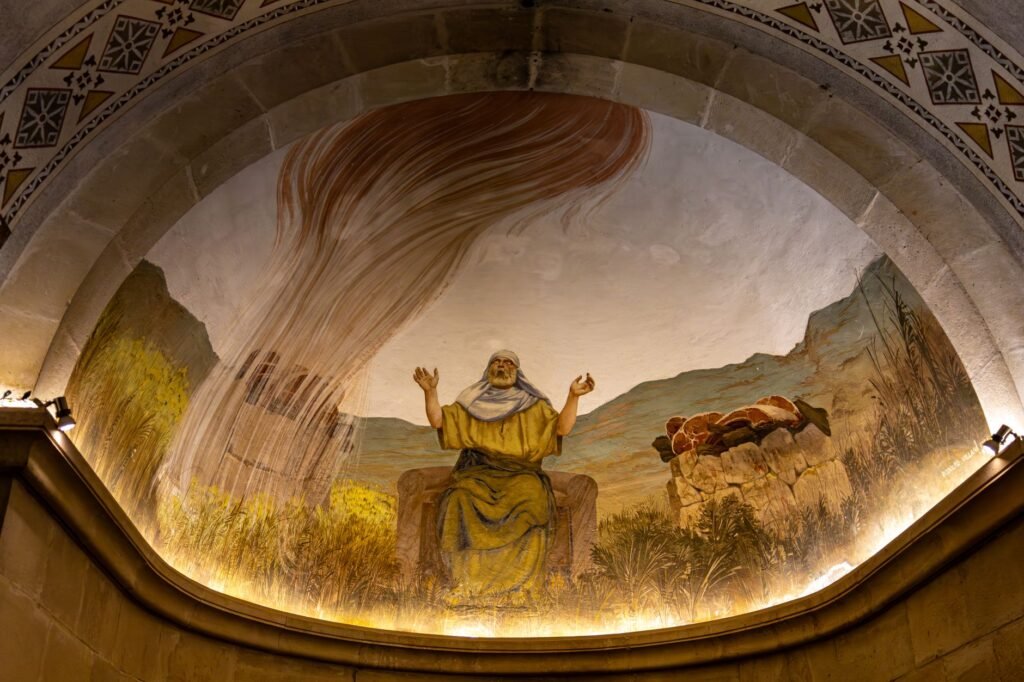
Abraham’s journey was not just about his own experiences; it laid the foundation for a legacy of faith. He is often referred to as the “father of faith” and is a significant figure in Judaism, Christianity, and Islam. His life exemplifies the essence of faith — believing in God’s promises even when circumstances seem impossible.
In the New Testament, Paul emphasizes that Abraham’s faith was credited to him as righteousness, highlighting the importance of faith over works. This notion resonates deeply with believers today, reminding us that it is our faith in Jesus Christ that connects us to the promises made to Abraham.
“He believed God, and it was credited to him as righteousness.” – Romans 4:3
Abraham’s legacy teaches us that our lives can have a lasting impact, even beyond our time on earth. By living out our faith authentically, we can inspire future generations to trust in God’s goodness and faithfulness.
Conclusion: Embracing Our Own Journey of Faith
Abraham’s life is a testament to the journey of faith that many of us experience. It is a journey filled with challenges, waiting, testing, and ultimately, deepening trust in God. As we reflect on Abraham’s moments of obedience, struggle, and intercession, we are reminded that our own journeys can mirror his in many ways.
Like Abraham, we may face times of uncertainty and test. Yet, through his story, we see that faith does not mean the absence of doubt; rather, it is the choice to trust God amidst those doubts. As we navigate our own paths, may we find courage in Abraham’s example to step out in faith, wait on God’s promises, and intercede for those around us.
Through every significant moment in Abraham’s life, we see not just a man, but a servant of God who exemplified what it means to walk by faith. His legacy continues to inspire us to trust God wholeheartedly, knowing that He is always faithful to His word.
The Covenant of Circumcision: A Sign of Commitment
In Genesis 17, God further solidified His covenant with Abraham through the institution of circumcision. This act was not merely a physical sign but a profound commitment to the covenant relationship established between God and Abraham. It represented a mark of identity for Abraham’s descendants, setting them apart as God’s chosen people.
Key Takeaways
- Abraham exemplifies faith in God's promises
- His covenant with God transformed his life
- Key events shaped Abraham's legacy
- Trusting God amidst uncertainty is essential
God commanded Abraham, saying,
“This is my covenant with you and your descendants after you, the covenant you are to keep: Every male among you shall be circumcised.” – Genesis 17:10
This moment emphasizes the importance of obedience and commitment to God’s commands. It illustrates how our relationship with God requires both belief and action. Just as Abraham responded to God’s call with faith, this sign of circumcision called for a physical manifestation of that faith in the lives of his descendants. It serves as a reminder that faith is not merely an internal belief but is often expressed through tangible acts of obedience.
The Encounter with Melchizedek: A Recognition of Divine Authority
Another pivotal moment in Abraham’s life is his encounter with Melchizedek, the king of Salem and a priest of God Most High. After Abraham’s victory over the kings who had taken Lot captive, Melchizedek came to bless him, acknowledging God’s role in Abraham’s triumph.
In this encounter, Abraham offered a tithe of the spoils to Melchizedek, which signifies his recognition of Melchizedek’s divine authority and priesthood. This moment illustrates the importance of honoring God through our resources and acknowledges His sovereignty over our victories.
“And blessed be God Most High, who delivered your enemies into your hand.” – Genesis 14:20
Melchizedek’s blessing reinforced Abraham’s understanding of God’s providence in his life, teaching us the significance of humility and gratitude in our own victories. By giving a tenth, Abraham demonstrated that all he had came from God, encouraging us to maintain a posture of thankfulness and generosity in our lives.
The Promise of a Nation: God’s Vision for Abraham’s Descendants
God’s promise to Abraham extended beyond individual blessings to encompass the establishment of a great nation. In Genesis 12:2, God proclaimed,
“I will make you into a great nation, and I will bless you; I will make your name great, and you will be a blessing.” – Genesis 12:2
This promise reveals God’s intention for Abraham’s legacy to impact not just his immediate family but the entire world. Through Abraham’s lineage, the nation of Israel would emerge, ultimately leading to the fulfillment of God’s redemptive plan through Jesus Christ.
Abraham’s faithfulness and obedience set the stage for this divine vision, reminding us that our lives can contribute to a larger purpose. Each of us is called to play a role in God’s unfolding story, serving as vessels of His blessing to others, just as Abraham was.
The Test of Sacrifice: Abraham’s Ultimate Obedience
One of the most profound tests of Abraham’s faith occurred when God commanded him to sacrifice his beloved son, Isaac. This moment highlights the depth of Abraham’s trust in God and his willingness to obey, even in the face of unimaginable pain. As Abraham prepared to offer Isaac, he demonstrated a faith that was unwavering, believing that God could fulfill His promises regardless of the circumstances.
“Take your son, your only son, whom you love—Isaac—and go to the region of Moriah. Sacrifice him there as a burnt offering on a mountain I will show you.” – Genesis 22:2
As Abraham ascended the mountain with Isaac, he embodied the essence of faith, declaring, “God himself will provide the lamb for the burnt offering, my son.” (Genesis 22:8). This moment serves as a powerful reminder that true faith often requires us to surrender what we hold most dear, trusting that God has a greater plan. Abraham’s eventual substitution of a ram in place of Isaac illustrates God’s provision and foreshadows the ultimate sacrifice of Jesus Christ for humanity.
The Promise of a Covenant: The Stars and the Sand
In Genesis 15, God reassured Abraham of His promise regarding his descendants through a profound covenant ceremony. After Abraham expressed concern about his lack of an heir, God took him outside and directed him to look at the stars, promising that his offspring would be as numerous as the stars in the sky.
“Look up at the sky and count the stars—if indeed you can count them. Then he said to him, ‘So shall your offspring be.'” – Genesis 15:5
This moment signifies not only God’s commitment to Abraham but also the vastness of His plans for humanity. The imagery of the stars and sand emphasizes the abundance of God’s blessings and the breadth of His promises. Abraham’s belief in God’s word was credited to him as righteousness, illustrating the fundamental biblical principle that faith is the key to a relationship with God.
This covenant reminds us that even in moments of doubt or waiting, God’s promises remain steadfast. We are encouraged to hold onto the hope of His word and trust that He is working in our lives in ways we may not yet comprehend.
The Journey to the Promised Land: A Step of Faith
Abraham’s journey began with a call to leave his homeland and venture into the unknown. God’s command to “go to the land I will show you” required immense faith and courage. This pivotal moment set the stage for the establishment of Israel and the fulfillment of God’s promises.
“The Lord had said to Abram, ‘Go from your country, your people and your father’s household to the land I will show you.'” – Genesis 12:1
Abraham’s willingness to leave behind his familiar surroundings exemplifies the essence of following God’s call, even when the destination is unclear. His journey to Canaan was marked by challenges, yet it was also a testament to God’s faithfulness. Each step Abraham took in obedience brought him closer to the realization of God’s promises.
This journey speaks to believers today, reminding us that faith often involves stepping out into the unknown. Just as Abraham trusted God to lead him, we too are called to trust in God’s guidance as we navigate our own paths, knowing that He has a purpose for each step we take.
Frequently Asked Questions
What are the key moments in Abraham's life?
Key moments in Abraham's life include God's call to leave his homeland, the covenant of circumcision, the birth of Isaac, and his test of faith on Mount Moriah.
How did Abraham demonstrate faith?
Abraham demonstrated faith by obeying God’s commands, trusting in His promises, and being willing to sacrifice his son Isaac, showing deep commitment to God.
What is the significance of Abraham's covenant with God?
The covenant established a special relationship between God and Abraham, promising land, descendants, and blessings, which would impact the entire nation of Israel.
How does Abraham's story relate to believers today?
Abraham's story illustrates the importance of faith, obedience, and trust in God's promises, encouraging believers to rely on God amidst their own life journeys.
Final Thoughts
The life of Abraham reminds us that faith is a journey filled with challenges and triumphs. His legacy continues to inspire us to trust God wholeheartedly.