The Call of Abraham: A Leap of Faith
Abraham, originally named Abram, was called by God while living in Ur of the Chaldeans. This call was not just a geographical shift, but an invitation to step into a relationship with the Almighty. God instructed him to leave behind everything familiar—the safety of his homeland, his family ties, and the comforts of his established life. Imagine the fear and uncertainty that must have accompanied such a monumental decision. Yet, Abraham responded with remarkable faith.
In Genesis, we see that God promised Abraham that he would become the father of a great nation. Despite Abraham’s age and the barrenness of his wife Sarah, he chose to believe God’s word. This initial act of obedience teaches us that faith often requires leaving our comfort zones and embracing the unknown.
The Covenant: God’s Unbreakable Promise
As Abraham journeyed, God established a covenant with him, promising that his descendants would inherit the land of Canaan. This covenant was profound, creating a lasting legacy that would shape the course of biblical history.
God reassured Abraham that his descendants would be as numerous as the stars in the sky. Despite seeming impossible, Abraham believed God. His faith was credited to him as righteousness, showcasing the idea that faith is not merely a feeling but a decisive choice to trust in God’s character and promises.
This covenant with Abraham reminds us that God often works through people to fulfill His promises. We, too, are part of a divine plan, and just like Abraham, we are called to trust in God’s unchanging nature.
Reflection Point
Consider how Abraham's faith journey can inspire your own walk with God, especially during challenging times.
The Trials of Faith
Abraham’s journey was not without trials. One significant test came when God asked him to sacrifice his son Isaac. This command seemed contrary to everything Abraham had hoped for, yet he prepared to obey.
As he journeyed to Mount Moriah with Isaac, Abraham’s faith was put to the ultimate test. He believed that even if Isaac were to die, God could raise him back to life. This deep trust reveals a profound lesson: true faith often involves surrendering our most cherished dreams and loved ones to God.
When Abraham raised the knife to sacrifice Isaac, God intervened, providing a ram as a substitute. This moment illustrates not only God’s provision but also the foreshadowing of Christ’s own sacrifice. Abraham’s willingness to obey in such a painful moment exemplifies a faith that does not falter in the face of uncertainty.
The Importance of Obedience
Abraham’s life underscores the importance of obedience. He did not merely believe in God’s promises; he acted on them. Each step he took in faith was a testament to his commitment to God’s will.
His obedience was not always perfect. For instance, when faced with famine, Abraham temporarily sojourned in Egypt, where he lied about Sarah being his sister out of fear for his safety. This incident shows us that even the most faithful can falter. However, God’s grace was evident as He protected Sarah and restored their family.
Through these experiences, we learn that obedience to God is not about achieving perfection but about a heart posture that seeks to honor God in every situation. Abraham’s life teaches us that obedience is often a journey of growth, where we learn to trust God more deeply even as we struggle.
The Role of Intercession
Abraham also exemplified the power of intercession. In Genesis, when God revealed His plan to destroy Sodom and Gomorrah due to their wickedness, Abraham pleaded for the cities, asking if God would spare them for the sake of the righteous.
This act of intercession reveals the heart of a true follower of God. Abraham was not only concerned for his nephew Lot, who lived in Sodom, but also for the righteousness of God’s character. His persistent prayer teaches us the importance of standing in the gap for others, trusting that God hears our prayers and responds to our pleas.
Intercession is a vital part of our relationship with God. It calls us to engage with the world around us, advocating for those in need and seeking God’s mercy on behalf of others. Abraham’s example encourages us to be bold in our prayers, knowing that God listens.

The Legacy of Faith
Abraham’s legacy is one of faith. He is often referred to as the father of faith, and for good reason. His journey with God laid the foundation for not only his descendants but also for countless believers throughout history.
In the New Testament, Paul refers to Abraham’s faith as a model for believers, emphasizing that righteousness comes through faith and not merely through adherence to the law. Abraham’s life serves as a reminder that faith is a gift from God, one that we can freely receive and cultivate in our own lives.
Through Abraham, we see how faith can inspire generations. His story encourages us to consider the impact our faith may have on those around us. Just as Abraham’s faith influenced Isaac and Jacob, so too can our faith positively affect our families and communities.
The Nature of God Revealed
Throughout Abraham’s story, we see glimpses of God’s character—His faithfulness, mercy, and sovereignty. God repeatedly reassures Abraham of His promises, demonstrating that He is a God who keeps His word.
When God provides the ram for sacrifice, it highlights His nature as a provider. This revelation is a cornerstone of our faith; we can trust that God knows our needs and will provide in ways that often exceed our expectations.
Moreover, God’s willingness to engage with Abraham through the covenant relationship illustrates His desire for intimacy with His people. This is a powerful reminder that God is not distant or unapproachable; He longs for us to seek Him, to converse with Him, and to trust Him deeply.
Faith in Action: Abraham as a Model
Abraham’s life is a powerful model of faith in action. He did not merely believe in God’s promises; he actively pursued them with his life. From leaving his homeland to believing in God’s seemingly impossible promises, Abraham’s journey was marked by decisive action.
His story encourages us to put our faith into practice. This could mean stepping out in obedience to a calling, engaging in acts of service, or extending grace to those around us. Faith is not static; it is dynamic and requires our active participation.
As we reflect on Abraham’s life, we are challenged to consider how we can embody faith in our daily choices. Are we willing to step out of our comfort zones to follow God’s leading? Are we willing to act on the promises He has given us?
The Call to Trust God
Finally, Abraham’s story is a profound call to trust God. In a world filled with uncertainty and fear, we can look to Abraham’s example of unwavering faith. He teaches us that trust in God is not blind; it is rooted in the character of God and His past faithfulness.
Trusting God means believing that He has our best interests at heart, even when circumstances suggest otherwise. It means surrendering our plans and desires, confident that God’s ways are higher than our own. Abraham’s life exemplifies a trust that perseveres through trials, a trust that finds strength in God’s promises.
As we navigate our own journeys, may we cling to the lessons learned from Abraham. Let us cultivate faith, practice obedience, and engage in heartfelt intercession, all the while trusting in the goodness of our God.
As we reflect on the life of Abraham, may we be inspired to follow his example—to embrace the call of God, trust in His promises, and walk in faith.
The Covenant with God
One of the most significant aspects of Abraham’s life is the covenant that God established with him. This covenant was not merely a contract; it was a deep, binding agreement that included promises of land, descendants, and blessings. God assured Abraham, “Look toward heaven and number the stars, if you are able to number them.” – Genesis 15:5. This promise of numerous descendants highlights God’s ability to fulfill His word, even when circumstances seem impossible.
Key Takeaways
- Abraham exemplified unwavering faith
- He teaches us the importance of obedience
- God's promises are sure and steadfast
- Trusting God leads to divine blessings
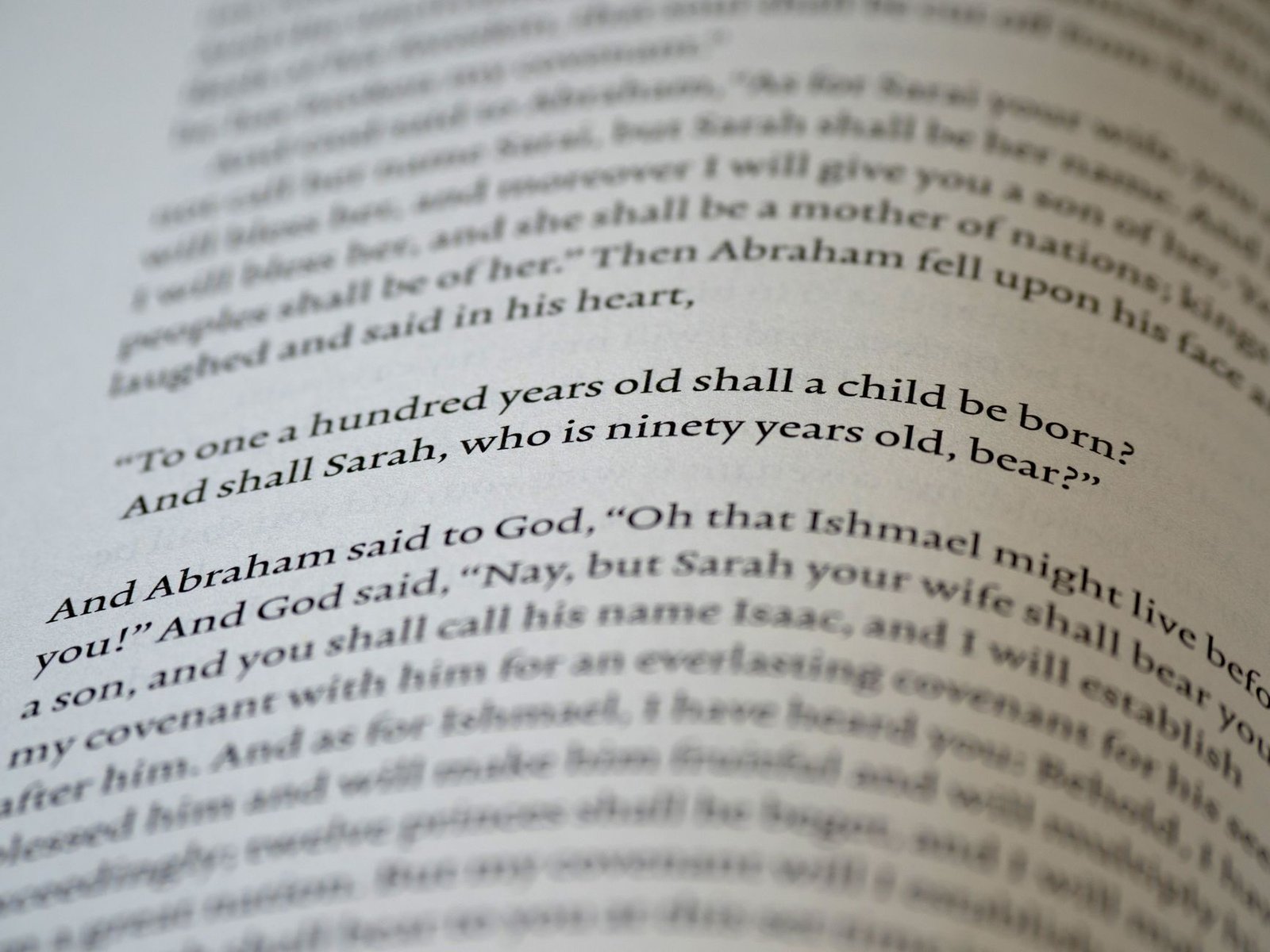
The covenant is a testament to God’s faithfulness and desire for relationship with humanity. In Genesis 17, God further solidified this covenant by changing Abram’s name to Abraham, meaning “father of many nations,” and instituting the sign of circumcision as a reminder of His promises. This narrative emphasizes the importance of commitment in our relationship with God. Just as God was faithful to His covenant, we are called to remain faithful to Him, trusting that His promises will come to fruition in our lives.
The Journey of Patience
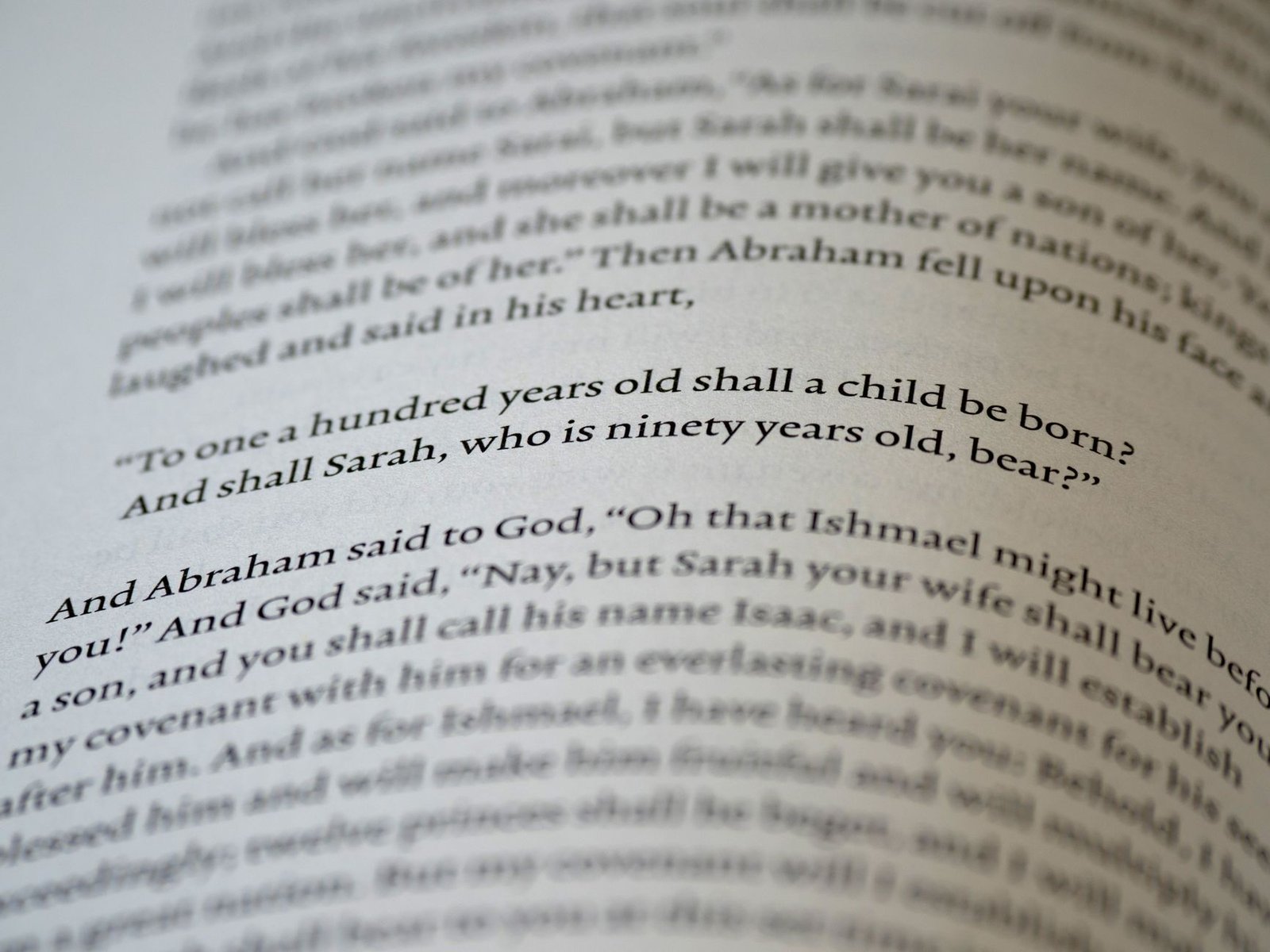
Abraham’s story also teaches us about the virtue of patience. Despite receiving God’s promises, Abraham faced years of waiting before he saw them fulfilled. The birth of Isaac did not occur until Abraham was nearly 100 years old, illustrating that God’s timing often differs from our own. As stated, “For the vision is yet for an appointed time; but at the end it will speak, and it will not lie. Though it tarries, wait for it; because it will surely come.” – Habakkuk 2:3.
This aspect of Abraham’s life encourages us to cultivate patience in our own faith journeys. It reminds us that waiting is often part of God’s plan, allowing us to grow in trust and dependence on Him. In moments of delay, we are invited to seek God more fervently, understanding that His plans are worth the wait. Abraham’s life exemplifies that the fulfillment of God’s promises may take time, but they are always worth the anticipation.
The Impact of Faithful Choices
Abraham’s decisions throughout his life display the profound impact our choices can have on our future and the future of those around us. His choice to leave his homeland in response to God’s call set in motion a chain of events that would affect generations. The decision to intercede for Sodom and Gomorrah was another critical moment, showcasing how one person’s faith and actions can influence the fate of others.
In Genesis 18:26, Abraham boldly asks God, “Will you indeed sweep away the righteous with the wicked?” This illustrates not only his concern for justice but also the power of standing up for what is right. Our choices, whether in faith or in daily life, can create ripples that affect our families, communities, and even the world. Abraham’s example challenges us to be mindful of our decisions and to pursue paths that honor God and reflect His character.
The Example of Intercession
Abraham’s role as an intercessor highlights the importance of prayer and advocacy in the life of a believer. When God revealed His plan to destroy Sodom and Gomorrah, Abraham boldly approached God, pleading for mercy on behalf of the righteous within those cities. His heartfelt dialogue with God demonstrates not only the depth of his relationship with the Lord but also the power of intercessory prayer.
“Will you indeed sweep away the righteous with the wicked?” – Genesis 18:23
This moment serves as a reminder that our prayers can influence the course of events. Abraham’s persistent appeals exemplify the faith and trust that we should have in God’s character, believing that He is just and merciful. Intercession is not just a duty; it is an expression of love and concern for others, encouraging us to advocate for those in need, just as Abraham did.
The Significance of Obedience
Abraham’s life stands as a testament to the significance of obedience in our walk with God. His willingness to obey God’s commands, even when they seemed difficult or incomprehensible, is a crucial lesson for us. The ultimate test of Abraham’s faith came when God commanded him to sacrifice his son Isaac. Abraham’s readiness to obey, despite the emotional turmoil it caused, demonstrates profound trust in God’s plans.
“Take your son, your only son Isaac, whom you love, and go to the land of Moriah, and offer him there as a burnt offering.” – Genesis 22:2
This narrative emphasizes that true faith is manifested through our actions. Abraham’s obedience was not merely compliance; it was a deep-rooted trust that God would fulfill His promises, even in the face of apparent contradictions. His example encourages us to reflect on our own lives: Are we willing to obey God, even when His commands challenge our understanding or require great sacrifice?
The Legacy of Faith
Abraham’s legacy is one of faith that transcends generations. He is not only revered in Christianity but also in Judaism and Islam, illustrating the far-reaching impact of his life. The promises made to Abraham extended beyond his own lifetime, establishing him as a foundational figure in the faith journeys of countless believers.
“I will make you a great nation, and I will bless you and make your name great, so that you will be a blessing.” – Genesis 12:2
This promise underscores the idea that our faith can leave a lasting legacy. Each step of faith we take today can have implications for future generations. As we strive to live in a way that honors God, we can trust that our actions, rooted in faith, will inspire and guide those who come after us. Abraham’s life challenges us to consider the impact of our faith—not just for ourselves, but for the family, friends, and communities we influence.
Frequently Asked Questions
What are the key lessons we can learn from Abraham?
Key lessons from Abraham include unwavering faith, the importance of obedience, and trusting in God's promises despite circumstances.
How did Abraham demonstrate faith?
Abraham demonstrated faith by obeying God's call to leave his homeland and by trusting in God's promises, even when they seemed impossible.
What was Abraham's relationship with God like?
Abraham had a personal and dynamic relationship with God, often communicating through prayers and receiving direct promises, showcasing deep intimacy.
How can we apply Abraham's lessons in our lives today?
We can apply Abraham's lessons by cultivating faith, practicing obedience to God’s guidance, and trusting in His promises throughout life’s journey.
Final Thoughts
Abraham’s life is a testament to the power of faith and obedience. As we reflect on his journey, may we be inspired to trust God more deeply in our own lives.