The Early Life of Moses: A Miraculous Beginning
Moses’ story begins in Egypt, where a decree was issued to kill all Hebrew baby boys. Yet, God had a special plan for Moses. He was saved by his mother who placed him in a basket and set him afloat on the Nile River, where he was discovered by Pharaoh’s daughter. This act of providence speaks to God’s ability to protect and guide, even in the most perilous of circumstances.

Raised in the Egyptian palace, Moses experienced both privilege and identity crisis. He was aware of his Hebrew heritage, which led him to identify with his oppressed people. This inner conflict culminated in a moment of violence when Moses killed an Egyptian who was beating a Hebrew slave. This act forced him to flee to Midian, where he would spend the next forty years in exile, learning humility and dependence on God.
The Call of Moses: A Divine Encounter
While tending sheep in Midian, Moses encountered God in the form of a burning bush. This pivotal moment was not just about calling Moses to lead, but it also emphasized God’s holiness and power. God revealed His name—”I AM WHO I AM”—which signifies His eternal nature and sovereignty over all. This encounter teaches us the importance of recognizing God’s presence in our lives and responding to His call.

Moses hesitated in accepting his role as a leader, citing his lack of eloquence and authority. Yet, God reassured him, promising that He would be with him. This reassures us that God equips those He calls, reminding us that our inadequacies are not barriers to His plans.
Reflection Point
Consider how God may be calling you to step out in faith like Moses, trusting Him in every circumstance.
Moses’ Reluctance and God’s Assurance
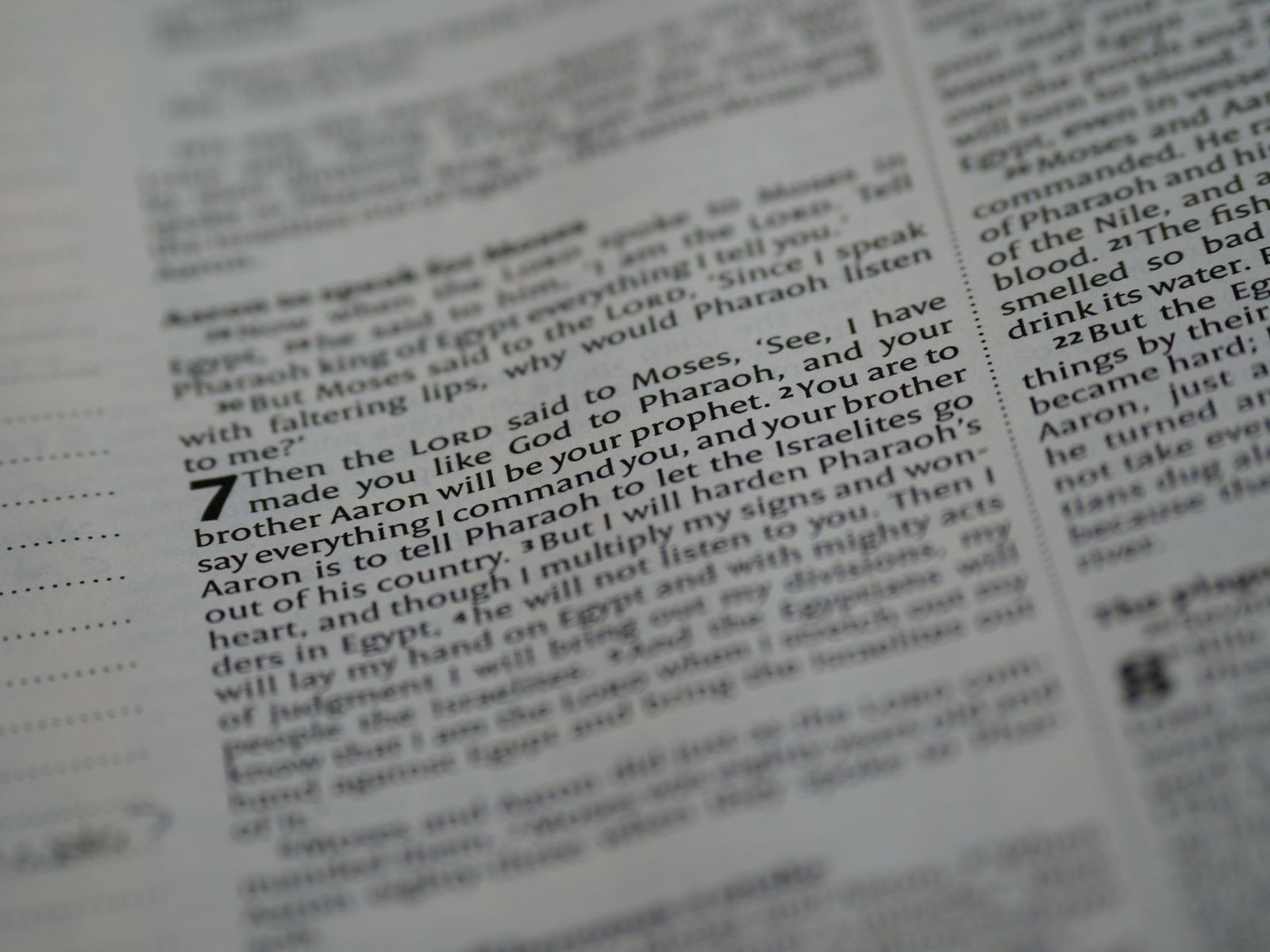
Even after God’s assurances, Moses was reluctant to go back to Egypt. He presented several objections, including his fear of rejection and inability to speak. God’s response was pivotal: He provided Aaron, Moses’ brother, as a spokesperson and empowered Moses with signs to authenticate his mission. This dynamic illustrates God’s patience and understanding when we struggle with doubt.
God’s response to Moses teaches us that when we feel inadequate, we can lean into God’s provision. He often places people around us to support our journey, just as He did for Moses with Aaron.
The Plagues: God’s Power on Display
Moses returned to Egypt with Aaron, and together they confronted Pharaoh, demanding the release of the Israelites. The subsequent plagues that God unleashed upon Egypt demonstrate His power over the gods of Egypt and His commitment to liberate His people. Each plague was a testament to God’s authority and a challenge to Pharaoh’s hardened heart.
God’s insistence on delivering His people reminds us that He is a God who fights for justice. The plagues serve as a poignant reminder that when God plans to liberate us, nothing can stand in the way of His will.
The Exodus: A Journey to Freedom
The culmination of Moses’ mission came with the Exodus, where the Israelites left Egypt under the cover of night, guided by God’s pillar of cloud by day and fire by night. This journey symbolizes the transition from slavery to freedom, both physically and spiritually.
As Christians, we see this as a foreshadowing of our own deliverance from sin. Just as the Israelites were freed from bondage, we too are invited into a life of freedom through Christ. Reflecting on this, we can appreciate the depth of God’s love and desire for our liberation.
The Crossing of the Red Sea: Trusting in God’s Deliverance
The Israelites faced a daunting challenge when they found themselves trapped between the Red Sea and Pharaoh’s advancing army. In this moment of crisis, Moses cried out to God, who instructed him to stretch out his hand over the sea. The waters parted, allowing the Israelites to cross on dry ground. This miraculous event emphasizes the importance of faith in seemingly impossible situations.
This story encourages us to trust God even when the path ahead seems blocked. Just as He provided a way for the Israelites, He can make a way for us in our struggles.
The Wilderness Experience: Lessons in Dependence
After their escape, the Israelites entered the wilderness, where they faced trials that tested their faith. They experienced hunger and thirst, leading them to grumble against Moses and God. Despite their lack of faith, God provided manna from heaven and water from a rock, illustrating His faithfulness even in their disobedience.
In our own wilderness experiences, we may feel abandoned or forgotten. Yet, like the Israelites, we are reminded that God provides for our needs, often in unexpected ways. This teaches us to rely on Him rather than our circumstances.
The Giving of the Law: A Covenant Relationship
At Mount Sinai, Moses received the Ten Commandments. This moment was significant as it established a covenant relationship between God and His people. The commandments were not just rules but guidelines for a life reflecting God’s holiness and character.
For Christians, these commandments continue to hold relevance. They serve as a moral framework that guides our actions and reflects our commitment to live in a way that honors God. The call to holiness resonates through the ages, inviting us to walk in obedience.
The Challenges of Leadership: Moses’ Intercession
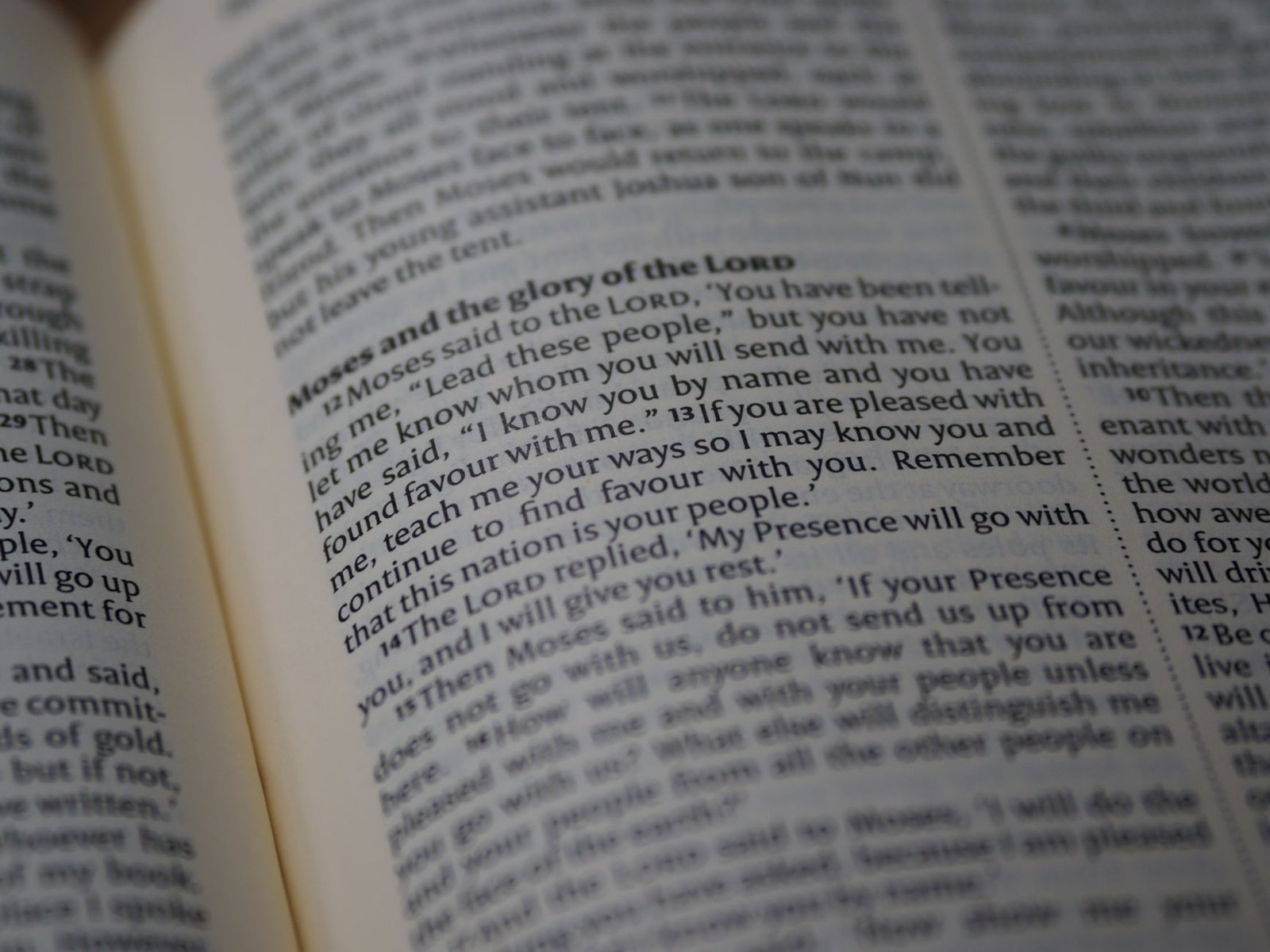
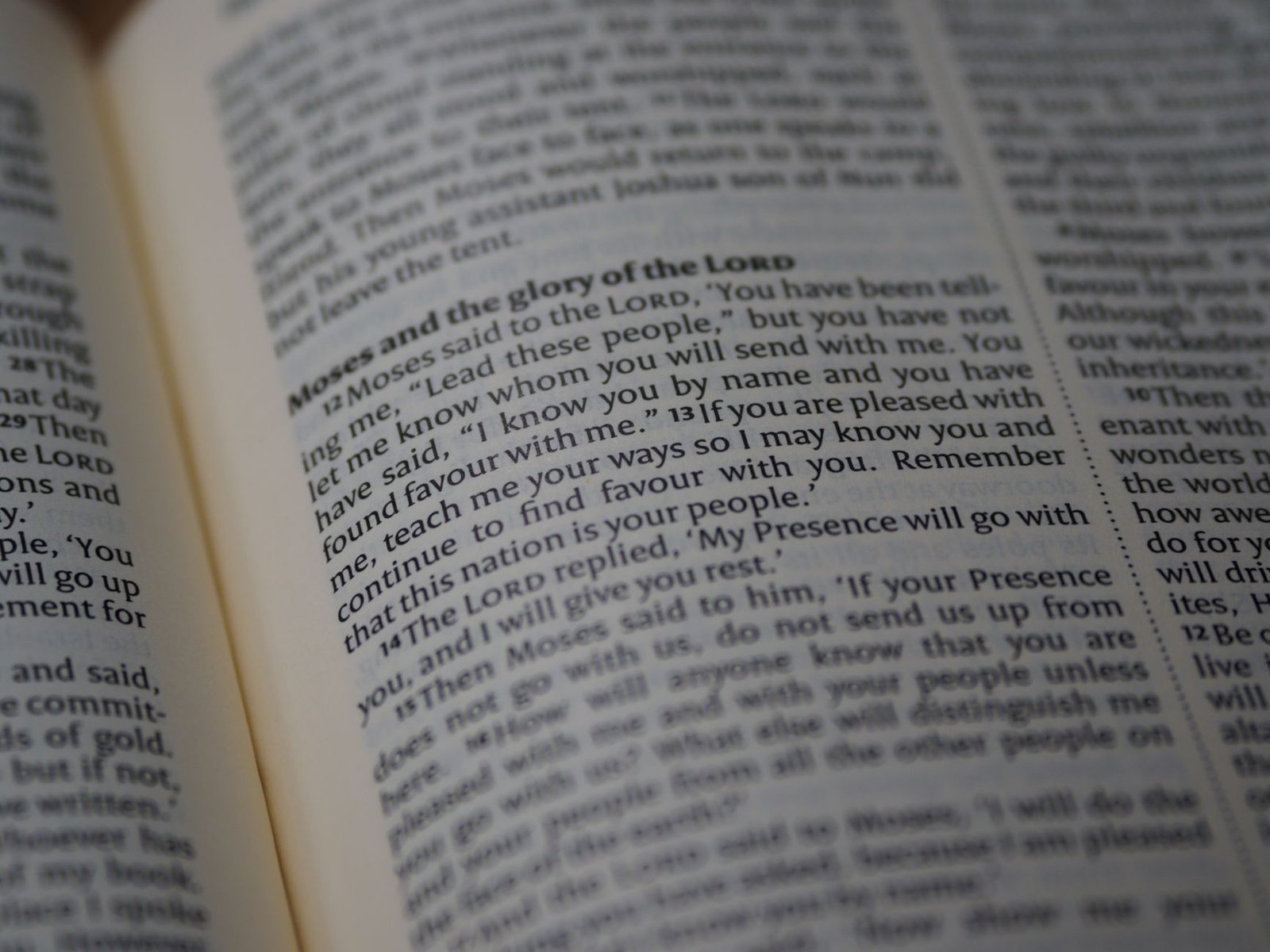
Moses faced numerous challenges as a leader. When the Israelites sinned by creating a golden calf, Moses interceded on their behalf, pleading with God to spare them. This act of intercession highlights Moses’ heart for his people and his deep relationship with God.
In our own leadership roles, whether in family, church, or community, we are called to intercede for others. This reflects God’s heart for reconciliation and reminds us of the power of prayer in seeking God’s mercy.
Moses’ Legacy: A Model for Faithfulness
Moses’ journey was not without its difficulties, yet he remained faithful to God’s call throughout his life. He demonstrated perseverance, humility, and a deep relationship with God. His legacy serves as a model for us to follow, encouraging us to trust God in every aspect of our lives.
As we reflect on Moses’ story, may we be inspired to cultivate our relationship with God, seeking His guidance and strength as we navigate our own journeys.

Moses’ life is a remarkable testament to God’s sovereignty and faithfulness. Through every trial, every victory, and every moment of doubt, God was present, guiding and leading His servant. By studying Moses’ story, we gain insights into our own faith journeys, learning to trust God more deeply and to respond to His call with courage and obedience.
The Importance of Obedience: Lessons from the Desert
Moses’ leadership was continually tested during the Israelites’ long journey through the desert. Their frequent complaints and rebellion against God highlighted the dangers of disobedience and a lack of trust. Despite witnessing miraculous signs, such as the parting of the Red Sea and the provision of manna, the Israelites struggled to remain faithful. This serves as a reminder for Christians today that obedience to God is integral to our spiritual journey. The consequences of disobedience can lead to prolonged struggles and missed blessings.
Key Takeaways
- Moses' journey teaches us about faith
- God uses ordinary people for His purposes
- Obedience leads to divine blessings
- Trusting God in uncertainty strengthens faith
“But my people did not listen to my voice; Israel would not submit to me.” – Psalm 81:11
The Role of Community in Spiritual Growth
Moses did not lead the Israelites alone. He relied on the counsel of Jethro, his father-in-law, who advised him to delegate authority to capable leaders among the people. This insight underscores the importance of community in spiritual growth and leadership. Just as Moses needed support, Christians are called to engage with a community of believers for encouragement, accountability, and shared wisdom.
“Where there is no guidance, a people falls; but in an abundance of counselors there is safety.” – Proverbs 11:14
Moses and the Promise of a New Covenant
Moses was instrumental in establishing the old covenant through the Law, but his life also points forward to the promise of a new covenant through Jesus Christ. The sacrifices and rituals outlined in the Law were shadows of the ultimate sacrifice Jesus would make for humanity. Moses’ role as a mediator between God and the Israelites foreshadows Christ’s role as our mediator, offering grace and redemption to all who believe.
“For this is the covenant that I will make with the house of Israel after those days, declares the Lord: I will put my laws on their hearts, and write them on their minds.” – Hebrews 10:16
The Power of Faith: God’s Promises Fulfilled
Moses’ life is a profound testament to the power of faith in God’s promises. From the burning bush to the Promised Land, Moses experienced God’s faithfulness at every turn. His unwavering trust in God’s word is exemplified when he boldly approached Pharaoh, despite his own insecurities about speaking. This reliance on God’s power rather than his own abilities demonstrates a key lesson for Christians: faith often requires stepping out of our comfort zones and trusting in God’s provision.
“And he said, ‘But I am slow of speech and of tongue.’ Then the Lord said to him, ‘Who has made man’s mouth? Who makes him mute, or deaf, or seeing, or blind? Is it not I, the Lord?'” – Exodus 4:10-11
In our own lives, we may encounter situations that seem insurmountable. Yet, like Moses, we are called to believe in God’s promises and act upon them, knowing that He equips us for the tasks He sets before us.
The Importance of Remembrance: Building Spiritual Monuments
Throughout their journey, Moses emphasized the importance of remembrance. God instructed the Israelites to establish monuments and celebrate festivals to remember His mighty acts of deliverance. This practice of remembrance is vital for maintaining faith, as it reinforces God’s past faithfulness and encourages hope for the future.
“You shall tell your son on that day, ‘It is because of what the Lord did for me when I came out of Egypt.'” – Exodus 13:8
For Christians today, creating our own spiritual monuments—whether through journaling, sharing testimonies, or participating in communal worship—helps us to reflect on God’s work in our lives. These acts of remembrance serve as reminders of His faithfulness, fueling our faith as we face new challenges.
The Call to Holiness: A Reflection of God’s Character
The giving of the Law at Sinai was not merely about rules; it was a call to holiness and a reflection of God’s character. Moses acted as a mediator, conveying God’s standards and expectations for His people. This call to holiness is still relevant for Christians, as we are called to reflect Christ’s character in our daily lives.
“You shall be holy, for I am holy.” – Leviticus 11:44
This call challenges us to examine our lives and seek alignment with God’s will. It reminds us that holiness is not a burden but an invitation to live in a way that brings glory to God and blesses others. In striving for holiness, we grow closer to God and become more effective witnesses in the world.
The Significance of God’s Presence: The Pillar of Cloud and Fire
Moses’ leadership was marked by the tangible presence of God among the Israelites. The pillar of cloud by day and the pillar of fire by night guided the people through the wilderness, symbolizing God’s constant guidance and protection. This divine presence served as a reminder of God’s faithfulness, reassuring the Israelites that they were not alone in their journey.
In our own lives, recognizing and seeking God’s presence is crucial. Just as the Israelites relied on the pillars for direction, Christians are invited to depend on the Holy Spirit for guidance and wisdom.
“For I know the plans I have for you, declares the Lord, plans to prosper you and not to harm you, plans to give you hope and a future.” – Jeremiah 29:11
The Call to Trust in God’s Timing
Moses’ journey to lead the Israelites out of Egypt and into the Promised Land was filled with waiting and uncertainty. Many times, the people faced delays and challenges that tested their faith. God’s timing often differed from their expectations, yet He remained faithful to His promises. Moses exemplified patience and trust in God’s plan, reinforcing the notion that God’s timing is perfect, even when it seems delayed.
As Christians, we are reminded to trust in God’s timing as we wait for answers to prayer or direction in our lives. Like Moses, we are called to remain faithful, understanding that God’s delays are not denials but opportunities for growth and deeper reliance on Him.
“Be still before the Lord and wait patiently for him; fret not yourself over the one who prospers in his way.” – Psalm 37:7
The Role of Worship: A Response to God’s Greatness
Worship played a significant role in Moses’ leadership and the life of the Israelites. After crossing the Red Sea, Moses led the people in a song of praise, celebrating God’s deliverance. This act of worship was not only a response to God’s miraculous acts but also a declaration of His greatness and their commitment to follow Him.
In the same way, Christians are called to worship as a response to God’s goodness and grace in their lives. Worship is an expression of gratitude, a way to acknowledge God’s sovereignty, and a means of drawing closer to Him.
“Sing to the Lord, for he has triumphed gloriously; the horse and his rider he has thrown into the sea.” – Exodus 15:1
Engaging in worship—whether through song, prayer, or acts of service—reinforces our relationship with God and reminds us of His faithfulness, encouraging us to remain steadfast in our faith journey.
Frequently Asked Questions
What are the main events in the life of Moses?
Moses' life includes his miraculous birth, leading the Israelites out of Egypt, receiving the Ten Commandments, and guiding the people through the wilderness. Each event showcases God's power and faithfulness.
How does Moses' story relate to Christian faith?
Moses' journey exemplifies themes of deliverance, obedience, and the importance of trusting God's plan, paralleling the journey of faith every Christian undertakes.
What can we learn from Moses' leadership?
Moses' leadership teaches us about humility, reliance on God, and the importance of listening to and serving the needs of others in our communities.
How did Moses demonstrate faith in God?
Moses demonstrated faith through his willingness to confront Pharaoh, trust God for miracles, and lead a reluctant people toward the Promised Land, despite overwhelming challenges.
Final Thoughts
The story of Moses is not just a historical account; it is a rich tapestry of faith lessons that resonate with our own lives. As we reflect on his journey, may we be inspired to trust God more fully and step boldly into the roles He has for us.