The Importance of Shared Faith in Relationships
When it comes to dating, shared faith plays a significant role in building a strong and enduring relationship. For Christians, faith is not just a part of life; it is the very foundation upon which life is built. When both partners share the same beliefs, they can support each other in their spiritual journeys, pray together, and grow together in their relationship with God. The concept of being “equally yoked” emphasizes the need for mutual understanding and commitment to faith.
In the Bible, the idea of being equally yoked is rooted in the agricultural practice of pairing two animals together to work the land. If the animals are mismatched in size or strength, they will struggle to work together efficiently. Similarly, in relationships, differing spiritual beliefs can lead to conflict and confusion. When two people are united in their faith, they can work together toward common spiritual goals, creating a bond that is both deep and meaningful.
Understanding the Risks of Unequal Yoking
Dating someone who does not share your faith can lead to several challenges. These challenges can manifest in various ways, impacting not only the romantic relationship but also each person’s spiritual health. When one partner is committed to a relationship with God and the other is not, it can lead to feelings of isolation or frustration.
The Bible cautions against being unequally yoked, as it highlights the potential for discord and misunderstanding. When facing moral decisions or life challenges, differing beliefs can lead to significant disagreements. For example, how do you approach issues like marriage, family, and raising children when your foundational beliefs are at odds? Such differences can create tension, making it difficult to maintain harmony in the relationship.
Reflection Point
Consider the foundational beliefs that guide your life, and how they align with those of your partner. Mutual faith can lead to deeper harmony.
The Power of Love and Understanding
While the challenges are real, love has the potential to overcome many obstacles. Many Christians have found themselves in relationships with individuals of different faiths and have navigated those complexities with grace and understanding. Love can indeed be a powerful force, but it must be approached with wisdom.
Engaging in open and honest conversations about faith can help bridge the gap between differing beliefs. It’s essential to ask questions, listen actively, and understand each other’s perspectives. When both partners are willing to engage in discussions about their faith and values, they can cultivate a deeper connection, even amidst their differences.
Praying for Guidance
Prayer is a vital aspect of any Christian’s life, especially when navigating relationships with differing beliefs. Asking God for wisdom and guidance can provide clarity on whether to pursue a relationship or to set boundaries. When praying, it’s crucial to seek God’s will and to be open to His direction.
As you pray, consider the qualities you desire in a partner. Are they aligned with your faith? Do they respect your beliefs? Engaging in prayer not only strengthens your relationship with God but also provides the insight needed to make wise decisions in your dating life.
Setting Healthy Boundaries
In any relationship, especially one involving differing faiths, setting boundaries is essential. These boundaries can protect both partners and ensure that spiritual growth remains a priority. Discussing and establishing these boundaries early on can prevent misunderstandings and frustrations down the road.
For instance, you might agree to respect each other’s beliefs without trying to convert one another. This approach fosters a safe space for both partners to express themselves without fear of judgment. It’s also important to identify what aspects of your faith are non-negotiable for you and communicate these clearly to your partner.
The Role of Community and Accountability
Having a supportive community can be invaluable when dating someone who does not share your faith. Surrounding yourself with fellow believers who can provide encouragement and accountability is essential. This community can offer perspectives and insights that help you navigate the relationship while remaining true to your faith.
Consider involving trusted friends or mentors in your relationship dynamics. They can provide wise counsel and be a source of support when challenges arise. Additionally, engaging in community activities, such as church events or Bible studies, can help both partners understand each other’s faith backgrounds better.
Navigating Life’s Major Decisions
One of the significant challenges in dating someone of a different faith arises when approaching major life decisions. Topics such as marriage, parenting, and financial management can become contentious if there is no spiritual alignment. It’s crucial to have ongoing conversations about these topics to assess compatibility.
For instance, if considering marriage, discussing how you intend to raise children in terms of faith can lead to significant insights. Will you practice religious traditions together? How will you approach the teaching of values and morals? These questions are pivotal in ensuring that both partners feel heard and understood.
Finding Common Ground
While it may seem daunting, finding common ground can be an enriching experience. It involves recognizing shared values and interests that extend beyond faith. Many people discover they have common goals, such as a passion for serving others, social justice, or community involvement.
Engaging in shared activities can create a deeper bond. Whether volunteering together, participating in community service, or engaging in hobbies, these experiences can strengthen the relationship and provide opportunities for meaningful discussions about values and beliefs.
Trusting God Through Uncertainty
In the face of uncertainty, trusting God is paramount. Each relationship is unique, and God knows the hearts of both partners. When faced with challenges, relying on God’s promises and faithfulness can provide comfort and direction.
Consider reflecting on scripture that speaks of God’s plans for our lives. Meditating on these verses can help ground you in His truth and lead you through the complexities of love and faith. Trusting in God’s timing and purpose can create peace amidst the struggles.
The Journey of Growth and Reflection
Dating someone who does not share your faith can be a journey of growth and reflection. It challenges you to define your beliefs, articulate them, and live them out authentically. This process can deepen your faith and encourage you to be more thoughtful in how you approach relationships.
Take time to reflect on what you have learned throughout the relationship. Whether it ends up being a long-term partnership or a season of growth, each experience contributes to your spiritual journey. Embrace the lessons and allow them to shape your perspective on love, faith, and relationships.

Conclusion: Seeking God’s Will
Ultimately, the decision to date someone who does not share your faith is deeply personal and should be approached with prayerful consideration. Seek God’s will and trust that He will guide you as you navigate the complexities of relationships. Remember, love is a beautiful gift, but it should always be rooted in a foundation of shared beliefs and respect for each other’s spiritual journeys.
As you engage with your partner, continue to foster open communication, mutual understanding, and respect for each other’s faith. Whether you find unity or face challenges, trust that God is with you every step of the way, guiding you toward His perfect plan for your life and relationships.

The Importance of Spiritual Compatibility
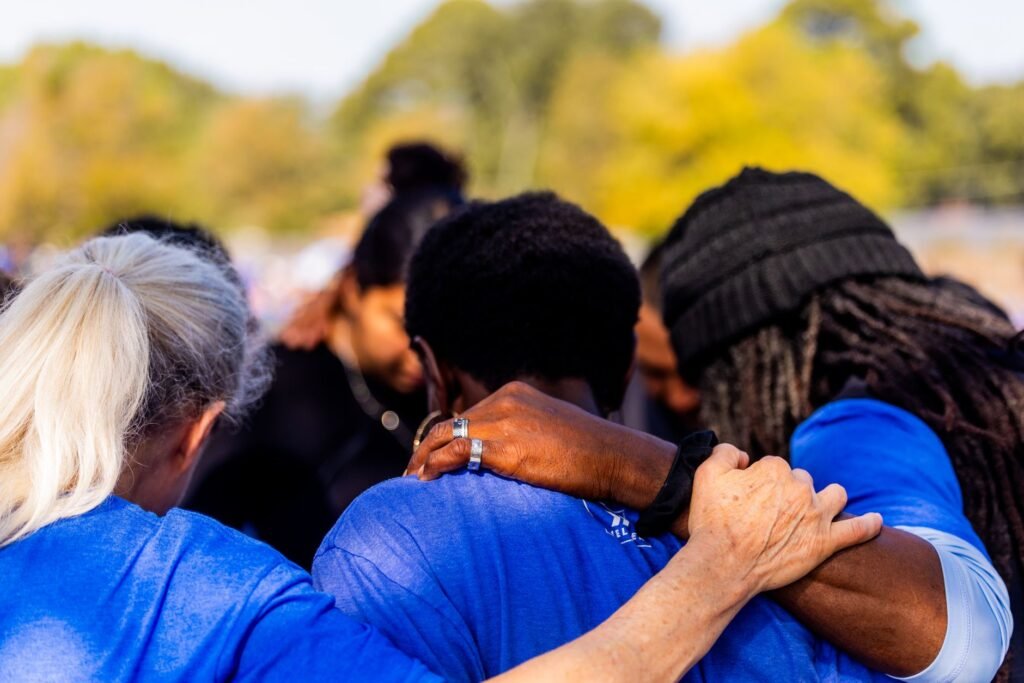
Spiritual compatibility is crucial in any romantic relationship. It serves as a foundation upon which trust, respect, and understanding can be built. When both partners share similar beliefs and values, they can better support each other in their spiritual journeys. This shared commitment often leads to a more profound emotional connection.
Key Takeaways
- Seek unity in faith
- Understand the risks of unequal yoking
- Prioritize spiritual health in relationships
- Love can bridge differences but requires wisdom
The Bible emphasizes the significance of unity in relationships. In
“Can two walk together, except they be agreed?” – Amos 3:3
, the prophet Amos highlights the necessity of agreement in order to maintain a harmonious walk together. For Christians, this agreement extends beyond mere compatibility; it involves a shared commitment to Christ and His teachings. Without this spiritual alignment, navigating life’s challenges together can become increasingly difficult.
Understanding the Risks of Unequal Yoking
The concept of being “unequally yoked” is a critical consideration for Christians when contemplating a relationship with someone of a different faith. This principle is derived from
“Be ye not unequally yoked together with unbelievers: for what fellowship hath righteousness with unrighteousness? and what communion hath light with darkness?” – 2 Corinthians 6:14
. This scripture warns against forming close partnerships with those who do not share the same values and beliefs, as it can lead to conflicts and challenges that may hinder spiritual growth.
Entering a relationship where spiritual beliefs differ significantly can create a power imbalance, where one partner’s faith may be undermined or disregarded. It’s essential to recognize these risks and weigh them carefully against the potential benefits of the relationship.
Seeking Guidance from Scripture
In navigating the complexities of dating someone who does not share your faith, turning to Scripture for guidance is invaluable. The Bible offers wisdom on relationships and the importance of aligning your life with God’s will. Passages such as
“Trust in the LORD with all thine heart; and lean not unto thine own understanding” – Proverbs 3:5
remind us to seek divine guidance in our decisions, including those regarding relationships.
Additionally,
“If any of you lack wisdom, let him ask of God, that giveth to all men liberally, and upbraideth not; and it shall be given him.” – James 1:5
encourages believers to seek God’s wisdom in times of uncertainty. Prayerfully seeking God’s direction can illuminate the path forward and help in discerning the right course of action regarding dating and relationships.
The Role of Prayer in Decision-Making
Prayer is a vital aspect of any relationship, especially when considering dating someone who does not share your faith. It allows for open communication with God, seeking His guidance, and aligning your heart with His will. As you pray about your relationship, ask for clarity and wisdom to understand what is best for both you and your partner.
“And all things, whatsoever ye shall ask in prayer, believing, ye shall receive.” – Matthew 21:22
This verse reminds us of the power of prayer when approached with faith. Engaging in prayer together with your partner, even if they do not share your beliefs, can foster deeper intimacy and understanding. It can also create a safe space for discussing your spiritual journey and the importance of faith in your life.
Encouraging Spiritual Growth in Your Partner
While dating someone who does not share your faith, you may find opportunities to encourage their spiritual growth. This does not mean forcing your beliefs upon them; rather, it involves sharing your faith authentically and demonstrating the love of Christ through your actions. Your relationship can serve as a testament to the transformative power of faith.
“Let your light so shine before men, that they may see your good works, and glorify your Father which is in heaven.” – Matthew 5:16
As you live out your faith, you may inspire your partner to explore spiritual questions and engage in discussions about your beliefs. Approach these conversations with love, patience, and respect, understanding that everyone’s spiritual journey is unique.
Setting Healthy Boundaries
Establishing healthy boundaries is crucial when dating someone of a different faith. These boundaries should protect your spiritual well-being while allowing for the growth of the relationship. Discussing what is acceptable in terms of spiritual practices, attendance at religious services, and participation in faith-based activities can help both partners navigate their differences respectfully.
“Above all, keep loving one another earnestly, since love covers a multitude of sins.” – 1 Peter 4:8
Setting boundaries does not imply a lack of love; instead, it reflects a commitment to maintaining your spiritual integrity while respecting your partner’s beliefs. Healthy boundaries encourage open dialogue about faith and can help prevent misunderstandings or resentment from arising as the relationship progresses.
Understanding the Power of Influence
In relationships, the influence one partner has on another can be significant. When considering a relationship with someone who does not share your faith, it’s essential to evaluate how your beliefs may influence each other over time. The Bible warns us about the potential for negative influences in “Evil communications corrupt good manners.” – 1 Corinthians 15:33. This verse reminds us that the company we keep can affect our character and faith.
While it is possible for a believer to positively influence their partner, the opposite can also happen. The risk of drifting away from one’s faith due to the influence of a partner who does not share the same beliefs is a serious concern. It is vital to remain vigilant about how the relationship may impact your spiritual walk.
The Role of Community Support
Having a supportive community is crucial for Christians, especially when engaging in relationships that may challenge one’s faith. Surrounding yourself with fellow believers who can offer encouragement, accountability, and wise counsel can help navigate the complexities of dating someone outside the faith. As stated in “Iron sharpeneth iron; so a man sharpeneth the countenance of his friend.” – Proverbs 27:17, the importance of mutual support in maintaining one’s faith cannot be overstated.
Engaging with a community can also provide a safe space to discuss challenges and seek guidance when faced with difficult decisions regarding your relationship. Consider involving trusted friends or mentors who can provide perspective and help you stay grounded in your faith as you explore your feelings for your partner.
Emphasizing the Importance of Faith in Future Plans
When dating someone who does not share your faith, it is crucial to discuss future plans and how faith may play a role in them. Issues such as marriage, raising children, and lifestyle choices can become significant points of contention if both partners are not aligned spiritually. “For I know the plans I have for you, declares the Lord, plans to prosper you and not to harm you, plans to give you hope and a future.” – Jeremiah 29:11 highlights that God has a purpose for our lives, and understanding how faith fits into those plans is vital.
Open conversations about your visions for the future can clarify where both partners stand and help identify potential conflicts early on. If both partners can respect each other’s views while seeking common ground, it can lead to a more fulfilling relationship, regardless of faith differences.
Frequently Asked Questions
What does the Bible say about dating non-believers?
The Bible warns against being "unequally yoked" with non-believers, emphasizing the importance of shared faith in relationships to foster unity and spiritual growth.
Can love overcome differences in faith?
While love is powerful, deep-rooted differences in faith can create challenges. Understanding and respect are crucial, but shared beliefs are foundational for spiritual harmony.
How should Christians approach dating with someone of a different faith?
Christians should approach such dating with prayer, seeking God’s guidance, and being honest about their faith commitments while assessing the potential for shared values.
What are the consequences of dating a non-Christian?
Dating a non-Christian can lead to spiritual conflict, misaligned priorities, and challenges in shared life goals, emphasizing the need for wisdom in relationship choices.
Final Thoughts
Relationships are complex, especially when faith is involved. Seek God’s wisdom, engage in honest conversations, and remember that love should always be rooted in understanding and respect.