
Defining Faith in the Biblical Context
Faith is a fundamental concept in Christianity, serving as the bedrock of our relationship with God. It is not simply an intellectual agreement but a deep-seated trust and reliance on God’s promises. Hebrews illustrates this beautifully by stating that faith is “the assurance of things hoped for, the conviction of things not seen.” This definition emphasizes both the certainty and the unseen nature of faith, encouraging believers to trust beyond their tangible experiences. The biblical narrative is rich with examples of individuals who embodied this faith, reminding us that it is a gift from God that grows as we seek Him.

The Role of Faith in Salvation
Understanding faith’s role in salvation is crucial for every believer. Ephesians teaches us that we are saved by grace through faith, underscoring that faith is not merely a work of our own but a response to God’s grace. This grace invites us into a relationship with Him, where faith becomes our means of accepting His gift of salvation. The act of believing in Jesus Christ as Lord and Savior is the cornerstone of Christian faith. It is through this relationship that we find hope and assurance of eternal life, leading us to live transformed lives in gratitude for God’s unmerited favor.
Reflection Point
Consider how your faith influences your daily decisions and interactions with others; let it guide you toward deeper trust in God.
Faith in the Life of Abraham
Abraham is often referred to as the father of faith, and his life illustrates how faith manifests in obedience. When God called Abraham to leave his homeland, he did so without knowing his destination. This radical obedience is a testament to his unwavering faith in God’s promises. Romans highlights that Abraham’s faith was credited to him as righteousness, showing us that faith is not just belief but an active response to God’s call. Like Abraham, we are called to step out in faith, trusting that God has a plan for us, even when the path is unclear.

The Connection Between Faith and Works
The relationship between faith and works is a topic of much discussion within Christianity. James emphasizes that faith without works is dead, illustrating that genuine faith naturally produces good works. This does not mean we earn our salvation through our actions; rather, our works are evidence of our faith in action. When we trust God, it compels us to live out our faith through love, service, and obedience. Therefore, examining our lives for fruits of faith can encourage us to reflect on the authenticity of our belief.
Faith Amidst Trials
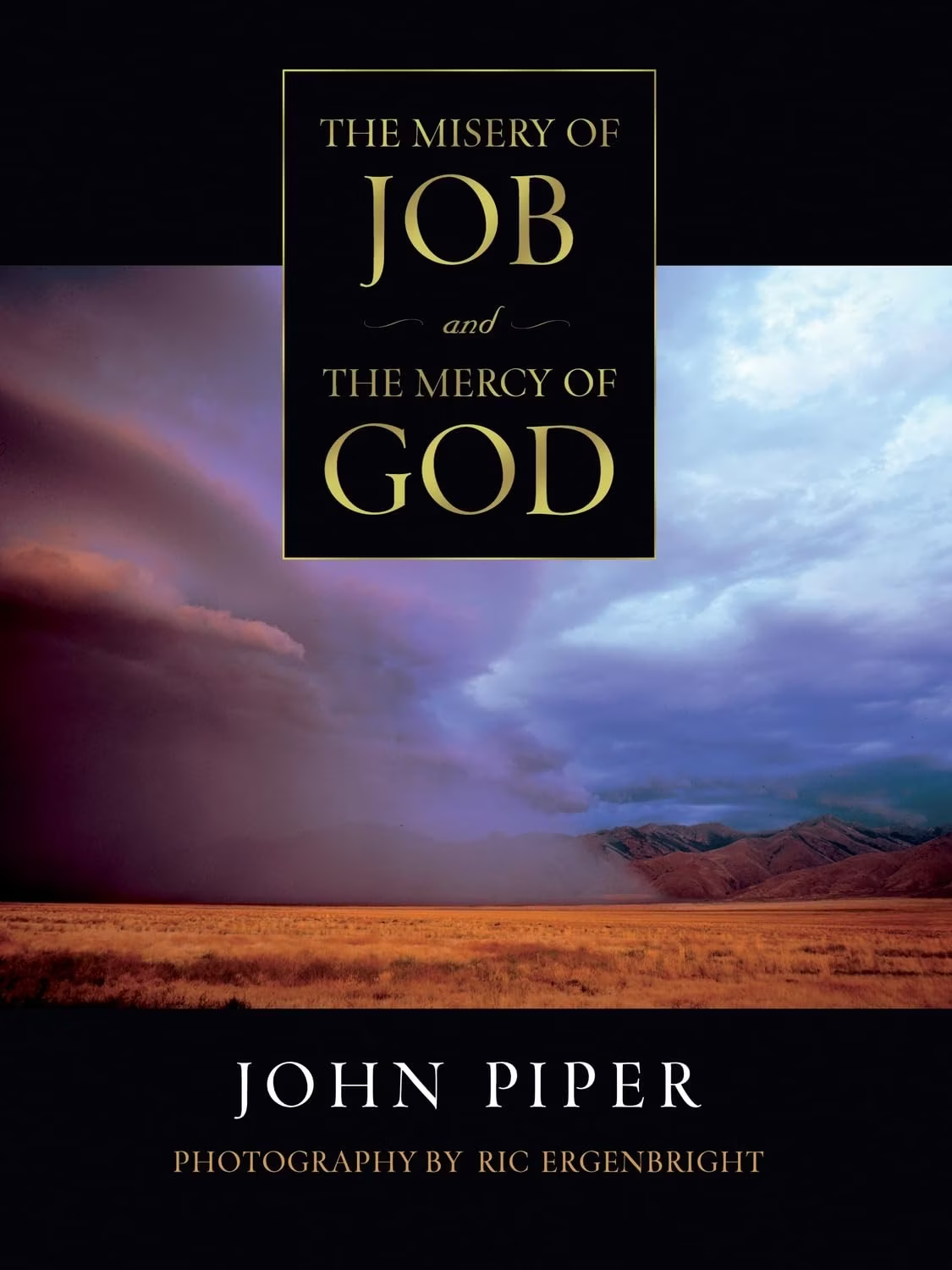
Life is filled with challenges, and faith often finds its deepest roots in times of trial. The Bible encourages us to consider it pure joy when we face trials, as these moments test our faith and produce perseverance. This process is not easy, but it is essential for spiritual growth. When we experience hardships, our faith is refined, teaching us reliance on God rather than ourselves. This dynamic is beautifully illustrated in the life of Job, who, despite his suffering, maintained his faith and trust in God. In our trials, we can find comfort in knowing that God is with us, using these experiences to shape us into His likeness.

The Assurance of Faith
Faith brings with it a profound sense of assurance. When we place our trust in God, we can rest in the promise that He is faithful. This assurance is not based on our circumstances but on God’s unchanging character. Hebrews reassures us that God is not a man, that He should lie; His promises are steadfast. This assurance provides peace in uncertainty, knowing that God is working all things for our good. It empowers us to face fears, knowing that our ultimate hope lies in His eternal promises.
The Community of Faith
Faith is not meant to be lived in isolation. The New Testament frequently emphasizes the importance of community among believers. We are called to encourage one another and build each other up in faith. The early church exemplified this as they gathered for prayer, worship, and teaching. In our modern context, being part of a faith community can bolster our own faith and provide support during challenging times. Sharing our testimonies and experiences allows us to see God’s faithfulness in action, deepening our collective trust in Him.
The Call to Live by Faith
Living by faith is a daily choice that involves surrendering our desires and trusting God’s will over our own. This call to faith is encapsulated in the mantra found in Habakkuk, “the righteous shall live by his faith.” This lifestyle of faith requires courage and commitment, as it often goes against the grain of societal expectations. It challenges us to act on what we believe, stepping out in obedience even when the outcome is uncertain. Every act of faith strengthens our relationship with God, leading to deeper intimacy and trust.
Growing in Faith
Faith is not static; it is a journey that evolves with our walk with God. It can grow through experiences, prayer, studying scripture, and engaging in fellowship. Romans speaks of faith coming from hearing, and hearing through the word of Christ, highlighting the importance of immersing ourselves in God’s word. As we learn more about His character and His ways, our faith matures. This growth may come gradually, but it is essential for navigating the complexities of life. Regularly reflecting on God’s past faithfulness can also encourage us to trust Him more deeply in our present and future.
The Impact of Doubt on Faith
Doubt is a natural part of the human experience, and it can challenge our faith. Biblical figures like Thomas and Peter experienced moments of doubt yet were ultimately restored in their relationship with Christ. Doubt does not disqualify us from faith; instead, it can lead to deeper understanding and a more robust belief system when we seek answers. Bringing our doubts to God in prayer can be a transformative experience, allowing us to wrestle with our questions while drawing closer to Him. Understanding that God welcomes our doubts can provide comfort in our spiritual journey.
The Power of Faith in Prayer
Faith plays a crucial role in our prayer life, shaping how we approach God and intercede for others. Jesus taught that faith as small as a mustard seed can move mountains, illustrating the transformative power of genuine belief in prayer. When we pray with faith, we align our hearts with God’s will, trusting that He hears us and acts according to His perfect timing. James reminds us that the prayer of a righteous person is powerful and effective, emphasizing that our faith-filled prayers can bring about significant change. This encourages us to approach God boldly, knowing that our faith can influence the world around us.
Key Takeaways
- Faith is trust in God’s promises
- It requires action and obedience
- Faith can grow through trials
- True faith brings peace and assurance
The Example of Faith in the New Testament
The New Testament is filled with examples of faith that serve as models for believers today. The faith of the centurion in Matthew is particularly striking; he recognized Jesus’ authority and believed that a word from Him could heal his servant. Jesus marveled at this faith, declaring that many would come from afar to dine in the kingdom of heaven, while those who were initially called would miss out. This story illustrates that faith transcends cultural and social boundaries, demonstrating that anyone can come to God with belief in His power. Additionally, the faith of the woman who bled for twelve years, who believed that touching Jesus’ garment would heal her, shows that faith can often be an act of desperation and hope. Jesus affirmed her faith, stating, “Your faith has healed you,” – Mark 5:34, reinforcing the idea that faith can lead to profound personal transformation and healing.
The Fruits of Faith in Daily Life
Faith manifests in various aspects of daily life, influencing our decisions, relationships, and overall outlook. Galatians speaks of the fruits of the Spirit, which include love, joy, peace, and patience—qualities that ought to flourish in the life of a believer. When faith is active, it cultivates these fruits, allowing us to reflect Christ’s character in our interactions with others. Moreover, living out our faith can impact those around us, as they witness our reliance on God in both triumphs and trials. This testimony can serve as a powerful witness, drawing others to experience the faith we hold dear. As we navigate life’s challenges, our commitment to living out our faith showcases the hope and assurance we have in Christ, ultimately pointing others to Him.
The Relationship Between Faith and Obedience
Faith is intrinsically linked to obedience in the life of a believer. The Bible illustrates that true faith naturally results in a life characterized by obedience to God’s commands. In 1 John, we read, “For this is the love of God, that we keep his commandments. And his commandments are not burdensome” – 1 John 5:3. This connection emphasizes that our faith is demonstrated not just in our beliefs but in our actions. When we trust God, we are compelled to follow His ways, reflecting our love and commitment to Him.
Additionally, the story of Abraham exemplifies this relationship. He obeyed God’s call to leave his homeland and journey to an unknown land, demonstrating his faith in God’s promises. Hebrews reminds us, “By faith Abraham obeyed when he was called to go out to a place that he was to receive as an inheritance” – Hebrews 11:8. Abraham’s obedience was a direct result of his faith, showcasing that genuine belief leads to a responsive heart willing to act in accordance with God’s will.
The Role of Faith in Overcoming Fear
Faith serves as a powerful antidote to fear, providing strength and courage in the face of uncertainty. The Bible frequently encourages believers not to fear, reminding us that God is with us. Isaiah reassures us, “Fear not, for I am with you; be not dismayed, for I am your God; I will strengthen you, I will help you, I will uphold you with my righteous right hand” – Isaiah
The Assurance of Faith in Trials
Faith offers believers assurance and hope, especially during trials and tribulations. The Apostle Paul writes in Romans, “We rejoice in our sufferings, knowing that suffering produces endurance, and endurance produces character, and character produces hope, and hope does not put us to shame” – Romans 5:3-5. This passage highlights how faith helps us to see trials as opportunities for growth rather than mere obstacles. By trusting in God’s plan, we can endure hardships with a perspective that focuses on the ultimate outcome of our faith.
Moreover, the story of Job serves as a profound example of maintaining faith in the midst of suffering. Despite losing everything, Job remained steadfast, proclaiming, “Though he slay me, I will hope in him” – Job 13:15. His unwavering faith, even in the face of immense loss and confusion, is a testament to the strength that faith can provide during life’s most challenging moments.
The Community of Faith
Being part of a faith community is vital for nurturing and sustaining our faith. Hebrews encourages believers to “consider how to stir up one another to love and good works, not neglecting to meet together, as is the habit of some, but encouraging one another” – Hebrews 10:24-25. This call to communal faith emphasizes the importance of fellowship in bolstering our spiritual journey. Through shared experiences, prayers, and encouragement, we can uplift one another, reminding each other of God’s promises and faithfulness.
Furthermore, the early church exemplified this communal aspect of faith, as they devoted themselves to teaching, fellowship, breaking of bread, and prayer – Acts 2:42. Their unity and commitment to one another not only strengthened their faith but also served as a powerful witness to those outside the church, drawing many to believe.
The Hope of Faith in Salvation
At the core of Christian faith is the hope offered through salvation by grace. Ephesians reminds us, “For by grace you have been saved through faith, and this is not your own doing; it is the gift of God” – Ephesians 2:8. This foundational truth highlights that faith is not merely about personal effort or merit but about accepting God’s grace through Jesus Christ. This gift of salvation instills a confident hope that transcends our circumstances, allowing believers to face life with assurance and peace.
Moreover, the hope of eternal life is a central tenet of faith, as expressed in John, “For God so loved the world, that he gave his only Son, that whoever believes in him should not perish but have eternal life” – John 3:16. This promise serves as a cornerstone for believers, encouraging us to live in light of eternity, impacting how we navigate our present lives with an unwavering hope rooted in God’s faithfulness.
Frequently Asked Questions
What is the biblical definition of faith?
In the Bible, faith is often described as confidence in what we hope for and assurance about what we do not see. It is a firm belief in God's promises and His character.
How can I strengthen my faith?
Strengthening faith involves prayer, immersing oneself in scripture, and participating in community worship. Regularly reflecting on God's faithfulness can also bolster your trust in Him.
Why is faith important in a Christian's life?
Faith is essential as it connects believers with God, facilitates salvation, and empowers us to live according to His will. It is through faith that we experience transformation and hope.
Can faith coexist with doubt?
Yes, faith can coexist with doubt. Many biblical figures experienced doubt yet continued to seek God. It is through honest struggles that faith can deepen and grow.
Final Thoughts
Faith is a journey filled with ups and downs, yet it is through this journey that we learn to trust God more profoundly. Embrace your faith, even amidst uncertainties, as it leads you closer to Him.