
Introduction
The end of life represents one of the most solemn and significant dimensions of human existence. It is both inevitable and deeply personal, yet frequently avoided in public discourse due to its emotional weight. From a biblical perspective, however, death is neither meaningless nor final. Instead, it constitutes a transition within the broader framework of God’s eternal plan. For believers in Christ, the end of earthly life marks the beginning of a new and everlasting reality in the presence of God.
Scripture offers a comprehensive theological understanding of death, combining realism about its inevitability with profound hope grounded in divine promise. This dual perspective enables believers to approach the end of life not with despair, but with confidence, peace, and spiritual clarity. Moreover, biblical teaching provides guidance not only for those nearing death but also for individuals supporting loved ones through loss.
This article examines key biblical passages concerning the end of life, providing theological reflection on mortality, eternity, suffering, and hope. It further explores how these truths shape the believer’s perspective and conduct throughout life.
The Reality of Death and the Promise of Eternity
The Bible consistently affirms the finite nature of human life. Psalm 90:12 states:
“Teach us to number our days, that we may gain a heart of wisdom.”
This verse highlights the importance of recognizing life’s brevity. The act of “numbering our days” is not merely a reflection on mortality but a call to intentional living. Awareness of life’s limits encourages moral clarity, disciplined priorities, and spiritual readiness.
Related Posts:




However, Scripture does not present death as an ultimate endpoint. Rather, it introduces the concept of eternal life, particularly for those who are in Christ. In John 11:25–26, Jesus declares:
“I am the resurrection and the life. The one who believes in Me will live, even though they die, and whoever lives by believing in Me will never die.”
This statement fundamentally redefines death. Physical death remains a reality, yet it does not terminate existence. Instead, it becomes a passage into continued life with God. The promise of resurrection ensures that death does not possess ultimate authority.
Therefore, the biblical view integrates two realities. First, human life is temporary and should be lived with awareness of its limits. Second, eternal life provides continuity beyond death, transforming its meaning from finality to transition.
Living with an Eternal Perspective
The concept of eternal perspective plays a central role in shaping how believers approach both life and death. In Philippians 1:21–23, the Apostle Paul writes:
“For to me, to live is Christ and to die is gain.”
This statement reflects a profound theological orientation. Life is valuable because it provides an opportunity to serve Christ. However, death is described as “gain” because it results in direct communion with Him. This dual valuation removes the fear traditionally associated with death and replaces it with anticipation grounded in faith.
An eternal perspective reorders priorities. When individuals view life through the lens of eternity, temporary concerns lose their dominance. Material accumulation, social status, and short-term achievements become secondary to spiritual growth, moral integrity, and relational investment.
Furthermore, this perspective encourages purposeful living. Believers are motivated to engage in acts of service, compassion, and evangelism, recognizing that such actions carry eternal significance. Consequently, awareness of life’s end enhances, rather than diminishes, the value of present existence.
Comfort in Times of Suffering or Loss
The experience of approaching death or losing a loved one often involves emotional distress, uncertainty, and grief. Scripture addresses these realities by emphasizing God’s presence and compassion.
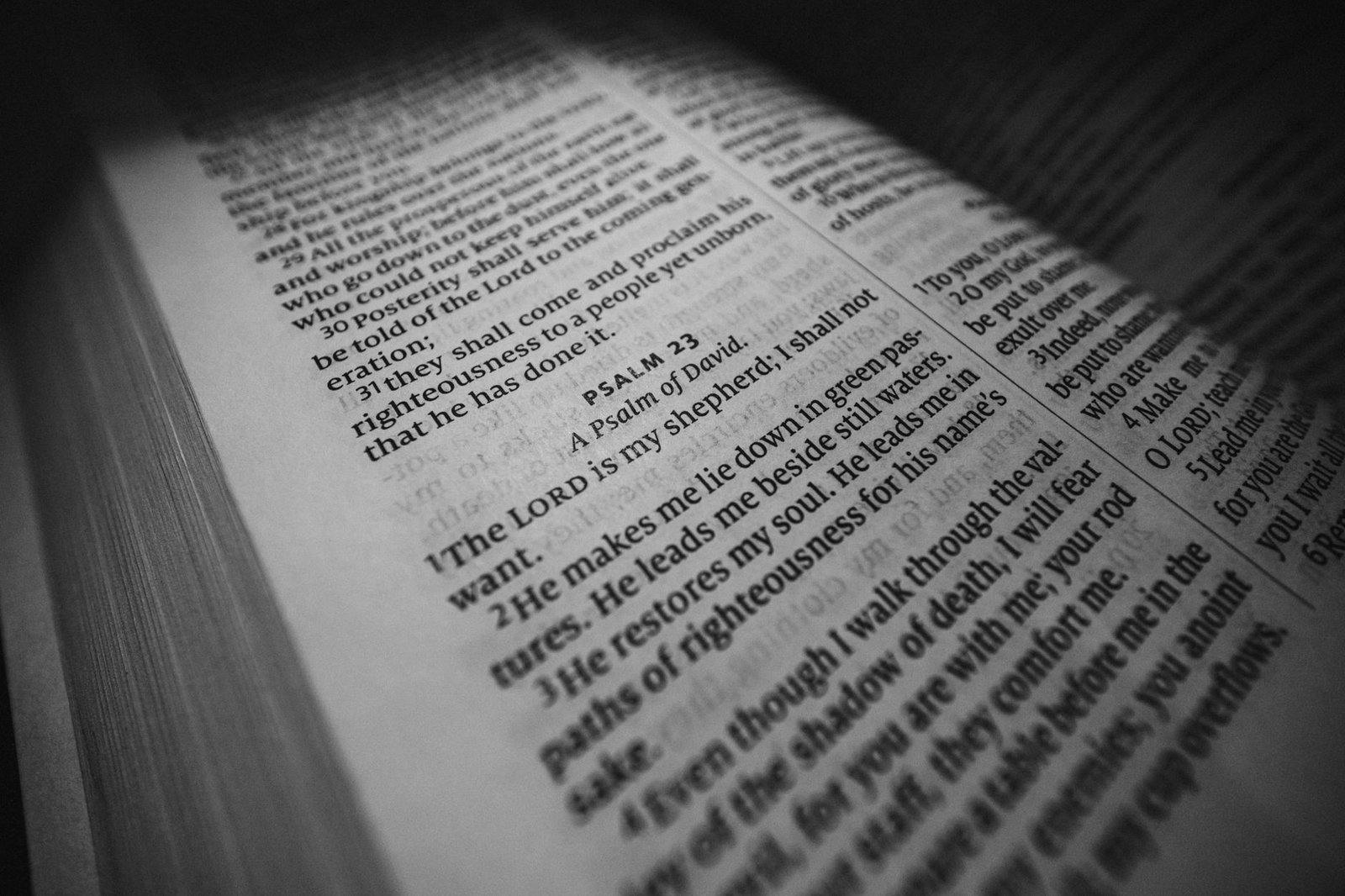
Psalm 23:4 provides a vivid expression of divine accompaniment:
“Even though I walk through the valley of the shadow of death, I will fear no evil, for You are with me; Your rod and Your staff, they comfort me.”
This passage does not deny the existence of danger or fear. Instead, it introduces the assurance of God’s presence within those circumstances. The metaphor of the shepherd conveys protection, guidance, and care. The believer is not abandoned at the moment of death but is accompanied through it.
Revelation 21:3–4 further expands this theme by presenting a vision of ultimate restoration:
“God’s dwelling place is now among the people, and He will dwell with them… He will wipe every tear from their eyes. There will be no more death or mourning or crying or pain.”
This eschatological promise provides profound comfort. It affirms that suffering is temporary and that God’s final purpose involves complete renewal. The absence of death and pain signifies not merely relief but transformation of existence.
For those grieving loss, these passages offer both consolation and hope. Grief is acknowledged as real and legitimate, yet it is framed within a larger narrative of restoration and reunion.
Death as a Transition, Not a Defeat
A central biblical theme is the transformation of death from an enemy into a defeated power through Christ. In 1 Corinthians 15:54–55, Paul writes:
“Death has been swallowed up in victory. Where, O death, is your victory? Where, O death, is your sting?”
This passage reflects the culmination of Christ’s redemptive work. Through His resurrection, death’s power is fundamentally altered. It no longer functions as a permanent separation but as a temporary passage.
This theological development has significant implications. First, it removes the ultimate fear associated with death. Second, it redefines the believer’s relationship with mortality. Death is no longer viewed as a catastrophic end but as an event within God’s sovereign plan.
Moreover, this perspective encourages resilience. Believers can face suffering, illness, and mortality with confidence, knowing that these experiences do not determine their ultimate destiny.
The Importance of Faith at the End of Life
Faith occupies a central role in the believer’s experience of the end of life. Hebrews 11:13 describes individuals who lived and died in faith:
“All these people were still living by faith when they died… they admitted that they were foreigners and strangers on earth.”
This passage highlights the transient nature of earthly life and the enduring significance of faith. Believers are portrayed as pilgrims whose ultimate citizenship lies beyond this world.
Maintaining faith at the end of life involves trust in God’s promises, even when physical decline or uncertainty is present. It also involves acceptance of God’s timing and purposes.
Additionally, the end of life provides an opportunity for testimony. The manner in which believers approach death can reflect their trust in God and serve as a witness to others.
Hope of Resurrection and Eternal Life
The doctrine of resurrection forms the foundation of Christian hope regarding the end of life. 1 Thessalonians 4:13–14 states:
“We do not want you to be uninformed about those who sleep in death, so that you do not grieve like the rest… For we believe that Jesus died and rose again.”
This passage distinguishes Christian grief from despair. Believers grieve, but their grief is tempered by hope. The resurrection of Christ guarantees the future resurrection of believers.
This hope extends beyond the soul to the entire person. Biblical teaching affirms the restoration of both spiritual and physical existence in a renewed creation.
Therefore, the end of life is not merely an escape from suffering but the beginning of a restored and perfected existence.
Practical Reflections for Believers
The biblical understanding of the end of life carries several practical implications.
First, individuals are encouraged to live with intentionality. Awareness of mortality should inspire wise decision-making and ethical conduct.
Second, believers are called to cultivate spiritual readiness. This includes maintaining a relationship with God, practicing repentance, and nurturing faith.
Third, relationships should be prioritized. The end of life often clarifies the importance of love, forgiveness, and reconciliation.
Fourth, believers are encouraged to provide comfort to others. Sharing biblical hope can support those facing death or grieving loss.
Finally, individuals are called to trust God fully. Confidence in His promises reduces fear and fosters peace.
Conclusion
The end of life, while inevitable, is transformed by biblical revelation into a moment of profound significance and hope. Scripture presents death not as an ultimate termination but as a transition into eternal life with God. Through the promises of resurrection, divine presence, and ultimate restoration, believers are equipped to face mortality with confidence and peace.
The passages examined demonstrate that an eternal perspective reshapes how individuals live and how they approach death. Faith, trust, and alignment with God’s purposes provide stability amid uncertainty. Furthermore, the hope of resurrection ensures that grief is accompanied by expectation rather than despair.
In a world that often fears death, the biblical message offers a distinct alternative. It invites believers to view the end of life through the lens of redemption, thereby transforming fear into assurance and uncertainty into hope.
Further Reading
PRAYER TO KNOW GOD
PRAYER FOR THE JOY OF COMPANIONSHIP
BIBLE VERSES ABOUT GODS PROTECTION
How the Bible Teaches Us to Pray Without Ceasing
BIBLE VERSES ABOUT STAYING STRONG IN RELATIONSHIPS
PRAYER FOR LONELINESS IN MY MARRIAGE
10 Inspiring Prayers for Joy