The Divine Blueprint: Created in the Image and Likeness of God
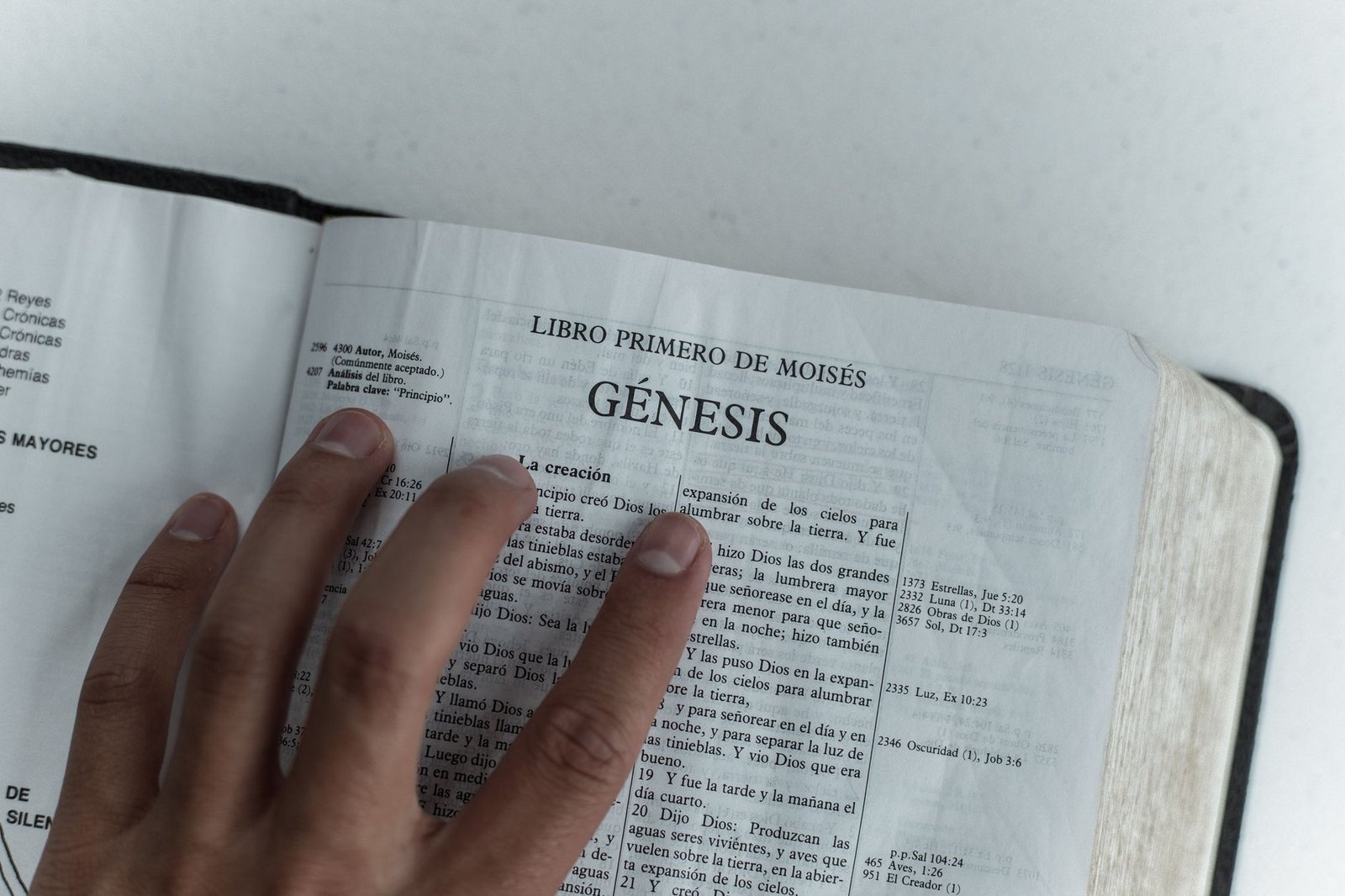
When the Scriptures open, we are introduced to a God who speaks reality into being. Galaxies are summoned with a word, oceans are assigned their boundaries, and the earth is filled with an astounding array of plant and animal life. Yet, as the creation narrative reaches its climax in the first chapter of Genesis, the pace of the text changes noticeably. God moves from issuing broad commands to taking divine counsel within Himself. The creation of humanity is not an afterthought or an accidental byproduct of a cosmic explosion. It is the intentional masterpiece of the Almighty.
Key Takeaways
- Humanity is created in the image of God
- Our existence reflects divine craftsmanship and purpose
- We are called to relational community
- Jesus restores the marred image of humanity.
The creation of humanity stands entirely distinct from every other created thing. Animals were brought forth according to their various kinds, but human beings were brought forth according to the image of God. This foundational truth, often referred to by theologians as the Imago Dei, anchors our understanding of human dignity, purpose, and value.
“Then God said, ‘Let us make man in our image, after our likeness. And let them have dominion over the fish of the sea and over the birds of the heavens and over the livestock and over all the earth and over every creeping thing that creeps on the earth.’ So God created man in his own image, in the image of God he created him; male and female he created them.” – Genesis 1:26-27
To be made in the image of God means that humans were designed to reflect God’s character, exercise loving stewardship over His creation, and enjoy conscious, personal fellowship with Him. The ancient Hebrew word translated as “image” (tselem) often referred to a representative statue set up by a king to display his authority in distant realms. Human beings were created to be living representatives of the invisible King throughout the earth. Every human life—regardless of age, capability, heritage, or social standing—possesses sacred worth because every human bears this royal signature.
Dust from the Ground and the Breath of Life: Humanity’s Dual Nature
While the first chapter of Genesis provides a magnificent, high-level overview of creation week, the second chapter zooms in to provide an intimate, personal account of how God formed the first man. Here, we discover the fascinating dual nature of our existence: we are made of the humblest earthly materials, yet animated by the breath of heaven itself.
“then the LORD God formed the man of dust from the ground and breathed into his nostrils the breath of life, and the man became a living creature.” – Genesis 2:7
The Hebrew word for “formed” used in this passage is yatsar, a verb that depicts an artist or a potter shaping clay with great care and intentionality. God did not simply issue a distant command for man to exist; He knelt down into the dust of the earth and molded the first human being. The term for man, adam, is directly linked to the word for ground, adamah. We are physically tied to the soil under our feet, reminding us of our frailty and dependence on the Creator.
Yet dust alone does not make a man. The physical form remained inert until God leaned down and breathed His own breath—His neshamah—into the man’s nostrils. At that sacred moment, man became a “living creature” or a living soul (nephesh chayyah). This intimate act reveals that human life is sustained directly by God’s continuous impartation of spirit and life. We are fragile vessels holding divine breath, designed to live in constant dependence upon the One who gave us life.
Reflection Point
Take a moment to meditate on your identity as a reflection of God's image. Consider how that impacts your relationships and purpose.
Woven in the Dark: God’s Intimate Craftsmanship in the Womb
The Bible makes clear that God’s creative activity regarding humanity did not end in the Garden of Eden. The creation of every individual human being is a personal act of divine craftsmanship. King David captured this marvelous reality in one of the most beloved passages in the Psalter, reflecting on how God brought him into existence within his mother’s womb.
“For you formed my inward parts; you knitted me together in my mother’s womb. I praise you, for I am fearfully and wonderfully made. Wonderful are your works; my soul knows it very well.” – Psalm 139:13-14
David uses imagery drawn from the textile arts, describing God as “knitting” or weaving together the intricate pathways of human physiology. Long before an infant sees the light of day, God is actively present in the hidden places of maternal development, arranging genetic codes, shaping organs, and bestowing individual personality. The phrase “fearfully and wonderfully made” conveys a sense of deep awe and reverence. When we contemplate the complexity of the human body and mind, the proper response is not self-congratulation, but reverent worship of the Craftsman.
Understanding that God personally fashioned us brings immense comfort to hearts struggling with feelings of insignificance or self-doubt. You are not a biological accident or an unintended consequence of natural processes. Your existence was willed by God, your frame was fashioned by His hands, and your life possesses purpose because the divine Sculptor shaped you for His glory.
Male and Female He Created Them: Complementarity and Relational Design
In the narrative of Genesis, God repeatedly observes His creation and pronounces it “good.” Light, seas, vegetation, and creatures all receive this divine approval. However, in Genesis chapter two, God makes an unprecedented statement about something that is not good.
“Then the LORD God said, ‘It is not good that the man should be alone; I will make him a helper fit for him.'” – Genesis 2:18
Adam was placed in an unfallen paradise, enjoying unhindered communion with God. Yet God declared that man’s solitary existence was incomplete. Man was made for community, for shared purpose, and for relational fellowship with another creature who shared his essential nature. None of the animals could fill this void, for none were made in God’s image.
God then caused a deep sleep to fall upon Adam, took a rib from his side, and fashioned the woman, Eve. When Adam awoke and beheld her, he erupted in the first recorded human poetry: “This at last is bone of my bones and flesh of my flesh” (Genesis 2:23). The creation of woman from man’s side highlights absolute equality of nature alongside beautiful distinction.
- Equal Dignity: Both man and woman are made in the image of God (Genesis 1:27) and are joint heirs of divine grace.
- Relational Complementarity: God designed male and female to complete one another, providing a foundation for marriage, family, and human society.
- Reflecting God’s Trinity: Just as God exists in an eternal unity of divine Persons, human relationality reflects the communal nature of the Creator.

Crowned with Glory and Honor: Humanity’s Position in the Order of Creation
When we look up at the vastness of the universe—billions of galaxies stretching across light-years of space—it is natural to feel incredibly small. King David felt this same sense of wonder thousands of years ago as he gazed at the night sky over Judea. Yet his meditation led him to a striking conclusion regarding the unique standing God granted to mankind.
“When I look at your heavens, the work of your fingers, the moon and the stars, which you have set in place, what is man that you are mindful of him, and the son of man that you care for him? Yet you have made him a little lower than the heavenly beings and crowned him with glory and honor.” – Psalm 8:3-5
Compared to the cosmos, humanity appears fragile and fleeting. Yet God has crowned human beings with “glory and honor,” assigning us a regal position within the created order. We were created to serve as caretakers over the work of His hands. This privilege is not a license for exploitation, but a sacred mandate to manage, protect, and cultivate the resources of the earth in a way that reflects God’s wise and benevolent lordship.
This mandate highlights the nobility of human work and responsibility. Whether we are raising children, tilling soil, creating art, solving scientific problems, or governing communities, we express our God-given design when we exercise good stewardship over the world around us.
The Potter and the Clay: Absolute Sovereignty and Total Dependence
Scripture repeatedly utilizes the metaphor of the potter working with clay to illustrate God’s absolute right over human creation and destiny. As finite creatures, we do not define our own purpose; our purpose is defined by the One who fashioned us.
“But now, O LORD, you are our Father; we are the clay, and you are our potter; we are all the work of your hand.” – Isaiah 64:8
This reality strikes at the heart of human pride. Modern culture often encourages individuals to view themselves as entirely self-made, autonomous beings who can define their own truth, identity, and morality. Scripture gently brings us back to reality by reminding us that we are simply clay in the hands of the Master Potter.
Elihu, speaking to Job in his season of profound grief and questioning, affirmed this same truth regarding human vitality:
“The Spirit of God has made me, and the breath of the Almighty gives me life.” – Job 33:4
Every pulse of our heart, every breath that fills our lungs, and every thought formed in our minds relies on the continuous sustaining power of God. Recognizing our role as clay brings true freedom. We do not have to shoulder the impossible burden of creating our own identity or sustaining the universe; we simply submit to the loving hands of the Potter who knows how to shape us into vessels of honor.
The Marred Image: The Tragedy of the Fall and Human Brokenness
A faithful biblical study of humanity’s creation cannot stop at the pristine perfection of Eden. We must also acknowledge the catastrophe that occurred when human beings chose rebellion over obedience to their Creator. When Adam and Eve yielded to temptation, human nature suffered a catastrophic fracture.
Because of sin, physical death entered the human experience, bringing fulfillment of God’s tragic warning regarding our earthly origin:
“By the sweat of your face you shall eat bread, till you return to the ground, for out of it you were taken; for you are dust, and to dust you shall return.” – Genesis 3:19
The image of God in man was not completely erased by the Fall, but it was severely distorted and marred. Like a priceless painting splattered with dark ink, or a crystal mirror shattered into a thousand pieces, human nature retained its structural dignity while losing its moral perfection. We see the effects of this fallen nature all around us and within ourselves: in sickness, sorrow, relational strife, selfishness, and physical death.
The doctrine of human origin explains both the greatness and the brokenness of humanity. It explains why human beings are capable of astonishing acts of self-sacrificing love and creative genius, while simultaneously being capable of terrible cruelty and destruction. We are noble creatures who have suffered a great fall, in desperate need of redemption and restoration.
The Image Restored: Re-created in Christ Jesus
The story of human creation finds its ultimate fulfillment not in Genesis, but in the person and work of Jesus Christ. The New Testament reveals Jesus as the perfect, unblemished image of the invisible God (Colossians 1:15). Where the first Adam failed, bringing sin and death into the world, the “Last Adam”—Jesus Christ—succeeded, bringing righteousness and life.
Through faith in Jesus Christ, God undertakes a work of spiritual re-creation. The Holy Spirit renews the marred divine image within us, restoring us to the fellowship and purpose for which we were originally brought into being.
“Therefore, if anyone is in Christ, he is a new creation. The old has passed away; behold, the new has come.” – 2 Corinthians 5:17
This spiritual rebirth is not a mere polishing of our old self; it is a profound internal transformation. God begins an ongoing work of shaping us into the likeness of His Son. The apostle Paul highlights this ongoing redemptive artistry when he writes to the believers in Ephesus:
“For we are his workmanship, created in Christ Jesus for good works, which God prepared beforehand, that we should walk in them.” – Ephesians 2:10
The Greek word translated as “workmanship” in this verse is poiema, from which we derive our English word poem. You are God’s poem, His masterpiece, re-created in Christ Jesus to carry out good works that He arranged for your life long ago. Redemption is God’s grand project of restoring His damaged creation to its intended splendor.
Living Out Our Divine Origin: Practical Implications for Daily Faith
The truth regarding how humanity was created is not simply an abstract theological topic to be debated; it is a transformative truth that impacts how we live every single day. When we embrace what Scripture teaches about our origins, it transforms our worldview, our self-understanding, and our relationships with others.
1. Honoring the Sacred Value of Every Human Life
Because every single person is crafted by God and bears His image, we are called to treat every human being with dignity, respect, and compassion. The apostle James highlights the practical connection between theology and our speech when he rebukes hypocritical language:
“With it we bless our Lord and Father, and with it we curse people who are made in the likeness of God.” – James 3:9
We cannot truly honor the Creator while despising those who bear His image. Recognizing the divine origin of humanity compels us to oppose injustice, defend the vulnerable, love our neighbors, and reject all forms of prejudice, racism, and hatred. Every person you meet today is a soul fashioned by Almighty God.
2. Grounding Identity in the Creator’s Voice
Many people suffer from a persistent crisis of identity, constantly striving to prove their worth through career performance, physical appearance, social status, or the approval of others. The biblical doctrine of creation anchors our identity in an unshakeable foundation: you matter because God created you, loved you, and formed you for His purpose.
Your ultimate value is not determined by your accomplishments, your failures, or the opinions of those around you. It was established when God breathed life into humanity and personally knit you together. Resting in your identity as God’s creature frees you from the exhausting treadmill of self-validation.
3. Cultivating Living Gratitude and Worship
Finally, understanding our creation leads us directly into authentic worship. When we realize that our very existence is a gift from God, every morning we wake up becomes an invitation to thanksgiving. We do not own our lives; we are stewards of a precious gift entrusted to us by our Creator.
May our hearts echo the words of the heavenly worship recorded in Scripture, giving glory to the One who brought us into being:
Our origin is in the mind of God; our present life is sustained by His breath; and our eternal future is secured by His grace in Christ. Knowing where we came from gives us absolute clarity on where we are going and how we ought to walk today.
Frequently Asked Questions
What does it mean to be made in the image of God?
Being made in the image of God means that humans reflect God's character and have inherent dignity and value. This foundational truth underscores our purpose to represent God's love and stewardship over creation.
How does the Fall affect humanity's relationship with God?
The Fall introduced sin into the world, distorting the image of God within humanity and creating a barrier between us and God. However, through faith in Christ, we can experience restoration and renewed fellowship with our Creator.
What is the significance of God’s craftsmanship in creating each individual?
God's intimate craftsmanship in creating each person signifies that every life is valuable and purposeful. As expressed in Psalm 139, God actively shapes us with care, demonstrating His love and intentionality in our existence.
How can I find my purpose as a created being?
Understanding that you are created in God's image helps clarify your purpose. Seek to reflect His character, engage in loving relationships, and steward the resources of the earth for His glory, allowing Him to guide you in fulfilling your calling.
Final Thoughts
As we reflect on our creation, let us remember the inherent worth bestowed upon each of us by our Creator. Embrace the truth that you are crafted with love and purpose, and seek to live out that divine design in every aspect of your life. May we find joy and fulfillment as we journey together in our shared humanity and faith.
Further Study