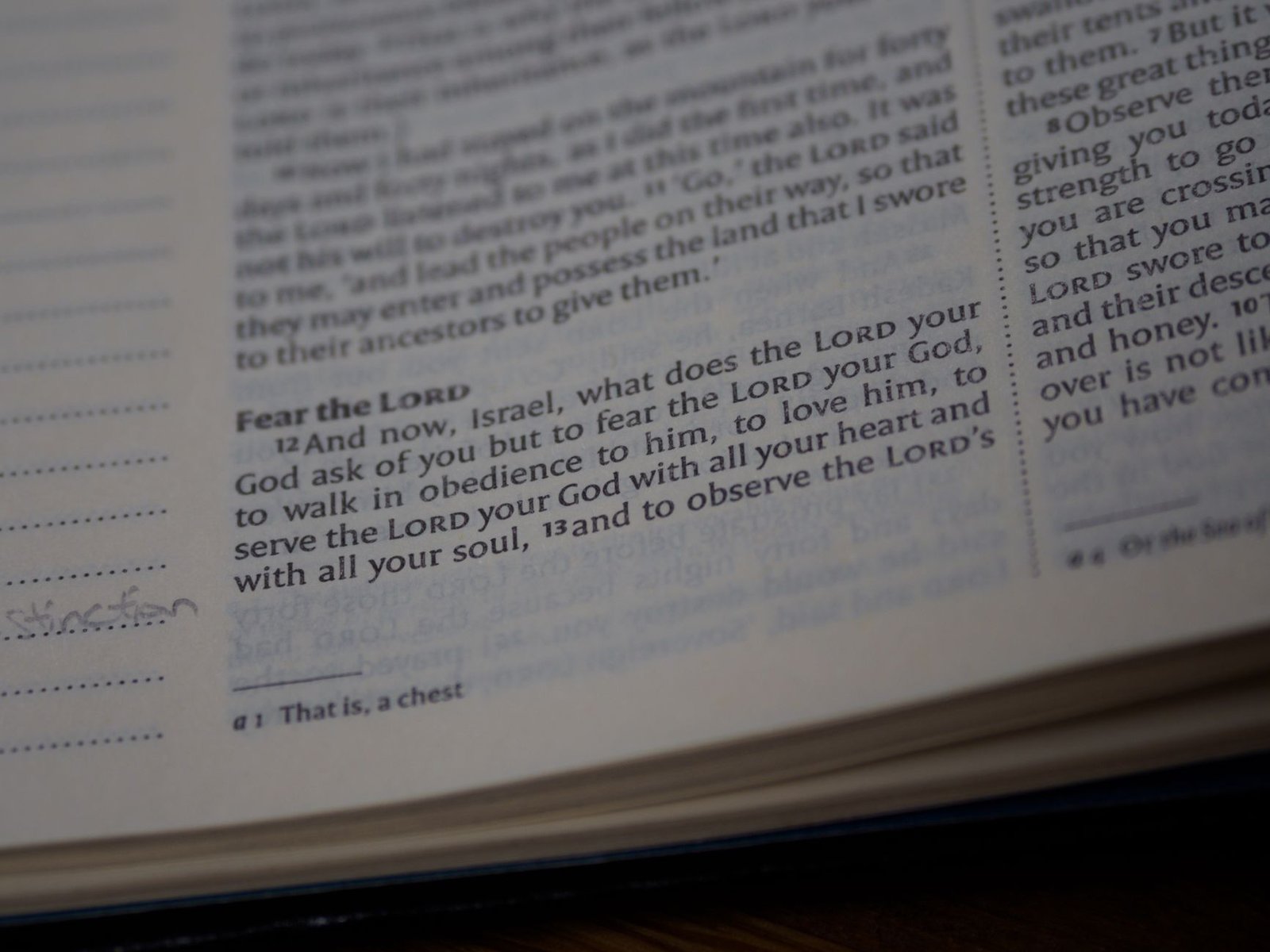
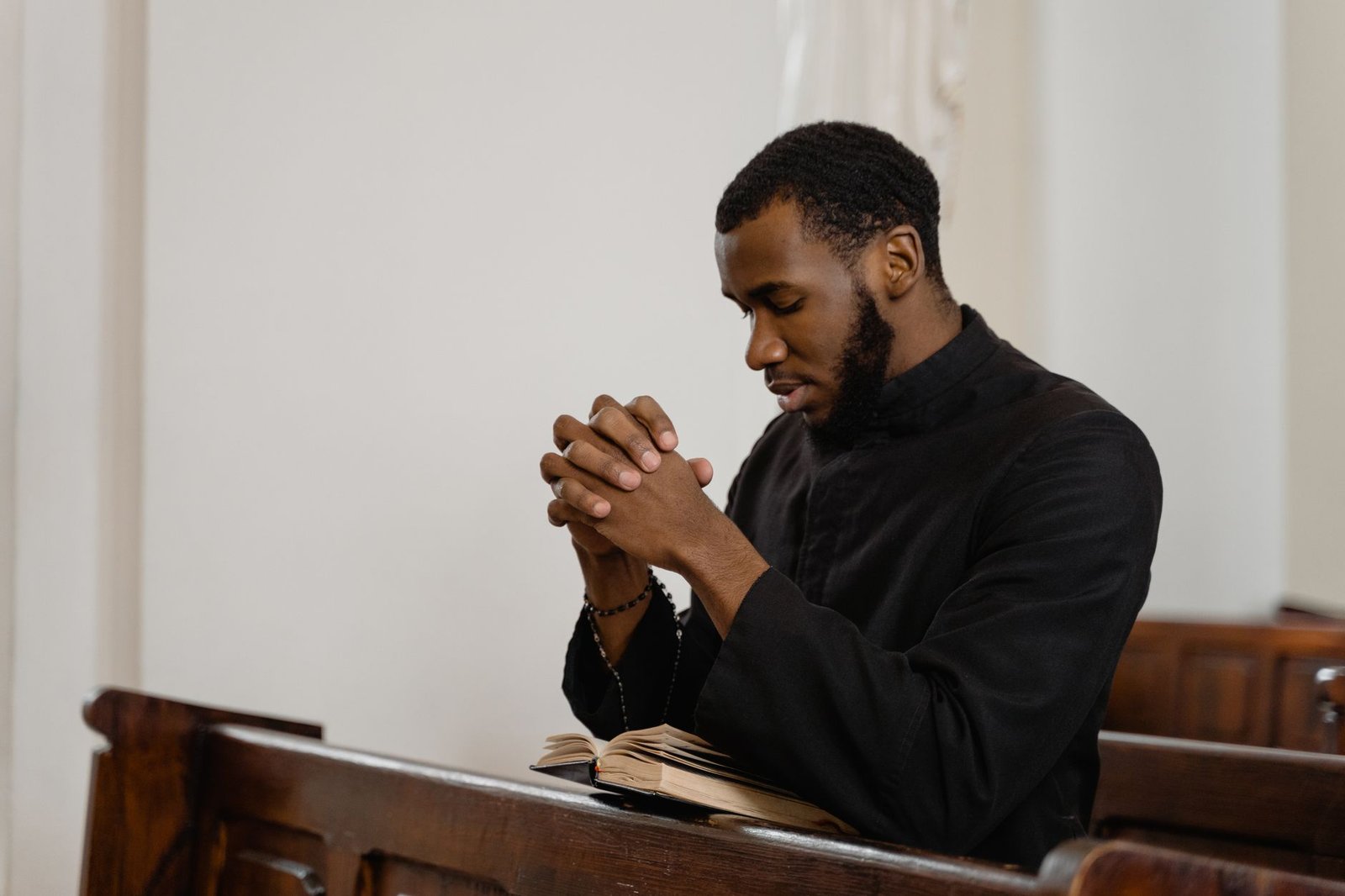
Fear is an intrinsic part of the human experience; it can surface in many forms—fear of failure, rejection, loss, or the unknown. While it can serve a protective function, alerting us to danger, it can also be paralyzing, leading us to avoid opportunities or isolate ourselves. It’s essential to recognize that even the most faithful among us experience fear. Biblical figures, from Moses to David, faced daunting fears. Understanding fear as a common struggle can help us to be gentle with ourselves as we navigate these feelings.
A serene image of a person praying in nature, embodying peace amidst fear.
God’s Promises in Times of Fear
The Bible is replete with promises that remind us of God’s unwavering presence. He commands us not to fear, reassuring us with His support. When we recall the words of Scripture, we find comfort and courage. For instance, the promise that God is our refuge and strength can remind us that we are never truly alone in our struggles.
“Fear not, for I am with you; be not dismayed, for I am your God; I will strengthen you, I will help you, I will uphold you with my righteous right hand.” – Isaiah
Reflection Point
Take a moment to identify your fears and bring them to God in prayer, trusting in His promises for peace.
Transforming Fear into Faith
One of the most profound ways to handle fear biblically is to transform it into faith. This transformation involves recognizing fear as an opportunity to deepen our trust in God. Scripture encourages us to shift our focus from our fears to God’s promises. When we do this, we can experience peace that surpasses understanding, as Paul describes.
Key Takeaways
Fear is a common struggle
God's presence calms our fears
Scripture offers practical wisdom
Prayer strengthens our faith
“Do not be anxious about anything, but in everything by prayer and supplication with thanksgiving let your requests be made known to God. And the peace of God, which surpasses all understanding, will guard your hearts and your minds in Christ Jesus.” – Philippians 4:6-7
By actively engaging in prayer and seeking God’s guidance, we can replace our fears with faith. This practice allows us to see our situations through the lens of God’s sovereignty and love.
The Role of Community in Overcoming Fear
Another biblical approach to handling fear involves the support and encouragement of a community. The early church exemplified this as believers came together to share their struggles and pray for one another. In times of fear, having a network of support can provide strength, accountability, and comfort.
“Therefore encourage one another and build one another up, just as you are doing.” – 1 Thessalonians 5:11
Engaging with fellow believers can help us confront our fears collectively. Sharing testimonies of overcoming fear can inspire hope and remind us that we are not alone in our struggles. Through fellowship, we can uplift one another and remind each other of God’s faithfulness.
Practicing Gratitude to Alleviate Fear
Gratitude is a powerful tool that can significantly diminish fear. When we focus on the blessings in our lives, we create a mindset that fosters trust in God. The Bible encourages us to give thanks in all circumstances, which can shift our perspective from what we fear to what we cherish.
“Give thanks in all circumstances; for this is the will of God in Christ Jesus for you.” – 1 Thessalonians 5:18
By intentionally practicing gratitude, we can combat fear and anxiety. Keeping a gratitude journal or regularly reflecting on our blessings can help cultivate a heart filled with peace and contentment, enabling us to face our fears with renewed strength.
Seeking God Through Prayer and Meditation
Prayer is a fundamental aspect of handling fear biblically. It allows us to communicate our worries and anxieties directly to God, fostering a sense of intimacy and trust. When we bring our fears before God, we acknowledge His power over our circumstances and invite His peace into our hearts.
“The Lord is near to the brokenhearted and saves the crushed in spirit.” – Psalm 34:18
In moments of fear, setting aside time for prayer and meditation can be transformative. Engaging in quiet reflection allows us to listen for God’s voice and guidance. The practice of meditating on Scripture can also provide clarity and reassurance, reminding us of God’s promises and character.
Consider incorporating specific prayers into your routine, such as asking for strength, wisdom, and courage in facing fears. This continual dialogue with God can help alleviate anxiety and foster a deep sense of reliance on His will.
Embracing the Reality of Fear with Faith
Understanding that fear is a natural emotion can help us to embrace it without judgment. The Bible acknowledges the reality of fear while encouraging us to respond with faith. Courage does not mean the absence of fear, but rather the ability to act in spite of it. Joshua, as he took on the daunting task of leading the Israelites into the Promised Land, was reminded to be strong and courageous.
“Have I not commanded you? Be strong and courageous. Do not be frightened, and do not be dismayed, for the Lord your God is with you wherever you go.” – Joshua 1:9
This command highlights that, while fear may be present, it does not have to dictate our actions. By acknowledging our fears and choosing to move forward in faith, we demonstrate trust in God’s presence and provision. This brave step forward can lead to growth and new opportunities, allowing us to experience God’s faithfulness even in challenging times.
The Power of Worship in Overcoming Fear
Worship serves as a powerful antidote to fear, redirecting our focus from our problems to the greatness of God. Singing praises, meditating on worship songs, or engaging in communal worship can uplift our spirits and reinforce our faith. Biblical worship allows us to declare God’s sovereignty and goodness, which can diminish the grip of fear in our lives.
“God is our refuge and strength, a very present help in trouble.” – Psalm 46:1
Incorporating worship into your daily routine—whether through music, prayer, or reading psalms—can cultivate an atmosphere of peace and trust. When we worship, we are reminded of the vastness of God’s love and the assurance that He is always with us, helping us to confront our fears with confidence.
Understanding God’s Perspective on Fear
To handle fear effectively, it’s crucial to grasp how God views it. The Bible offers insight into God’s perspective, reminding us that He understands our fears but calls us to trust Him above them. In times of anxiety, it helps to remember that God is not surprised by our fears; instead, He invites us to cast our burdens upon Him.
“Cast all your anxieties on him, because he cares for you.” – 1 Peter 5:7
This verse emphasizes God’s desire to carry our fears, encouraging us to release our anxieties into His capable hands. By acknowledging His care, we can alleviate the weight of our fears and embrace a more profound sense of peace.
Finding Strength in Scripture
Another biblical approach to overcoming fear is to immerse ourselves in Scripture. The Word of God is filled with verses that speak directly to our fears, providing reassurance and strength. Memorizing and meditating on these verses can empower us to confront our fears with a sense of confidence rooted in God’s promises.
“When I am afraid, I put my trust in you.” – Psalm 56:3
This simple yet profound statement from David illustrates the act of turning to God in moments of fear. By making Scripture a central part of our lives, we can draw on God’s truth whenever fear arises, reminding us of His faithfulness and our identity as His children.
The Importance of Self-Reflection and Acknowledgment
Handling fear also involves self-reflection and acknowledgment of our feelings. The Bible encourages us to examine our hearts and minds, which can aid in understanding the root causes of our fears. Self-awareness allows us to confront our fears rather than avoid them, leading to growth and healing.
“Search me, O God, and know my heart; try me and know my thoughts.” – Psalm 139:23
This plea for introspection is vital, as it allows God to illuminate areas in our lives where fear may be taking hold. By bringing these fears before Him, we can seek His guidance on how to overcome them and align our thoughts with His truth.
Frequently Asked Questions
What does the Bible say about fear?
The Bible teaches that fear is common, but encourages us not to be afraid, as God is with us and provides strength and courage.
How can I overcome my fears according to Scripture?
Overcoming fear involves trusting in God's promises, praying for strength, and relying on the comfort of the Holy Spirit in our lives.
Is fear a sin in the Bible?
While feeling fear is not a sin, allowing it to control us can lead to doubt and hinder our faith in God’s promises.
How can prayer help with fear?
Prayer connects us with God, allowing us to express our fears, seek His guidance, and receive peace that surpasses understanding.
Final Thoughts
Fear may feel isolating, but remember that you are not alone. God invites you to lay your fears at His feet, transforming your anxiety into peace through faith.