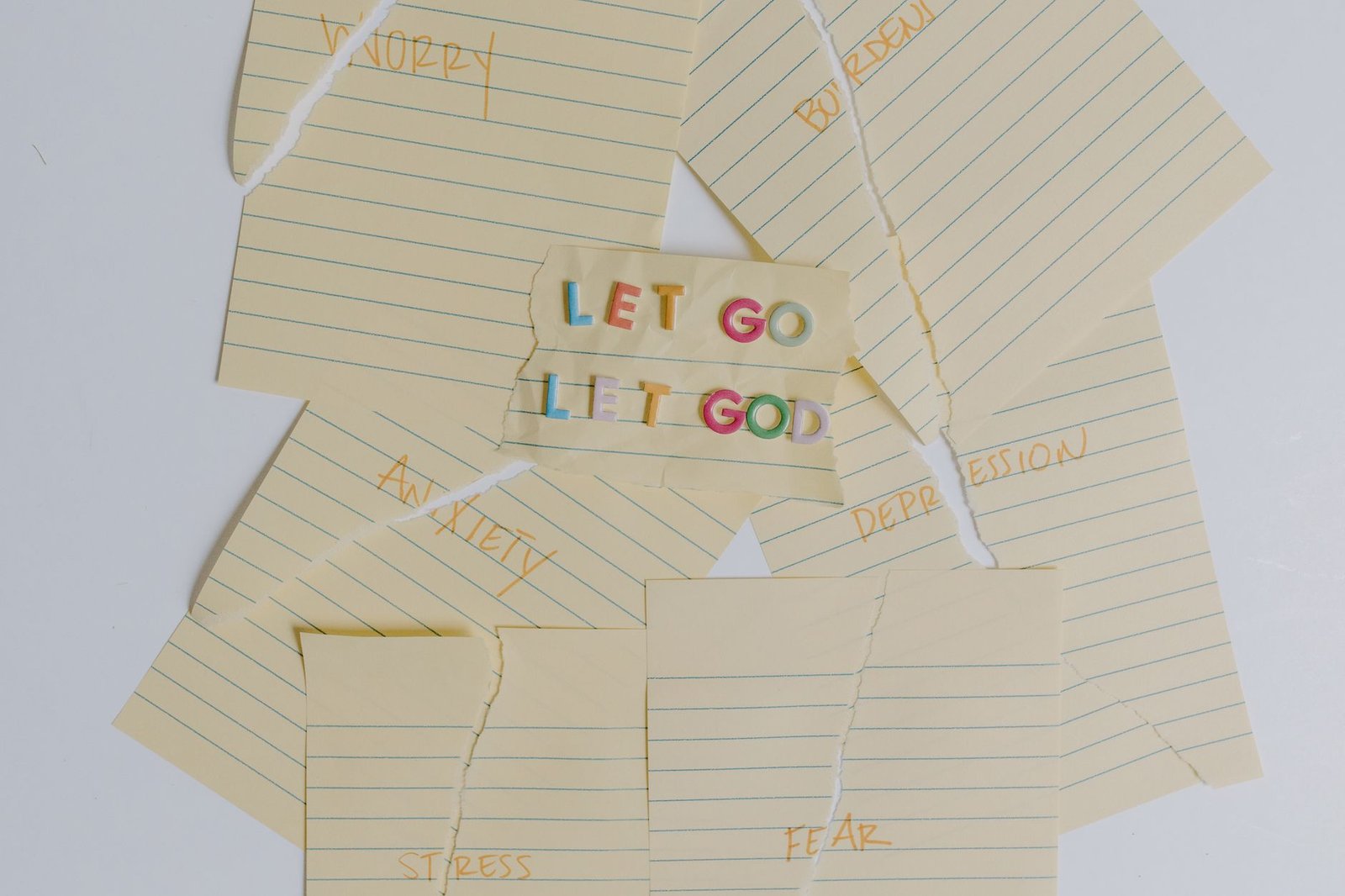
In today’s fast-paced world, fear and anxiety are common companions, often creeping into our lives uninvited. They can manifest as fleeting moments of unease or as overwhelming conditions that inhibit our ability to function optimally. Understanding how to overcome these feelings is crucial for fostering a balanced and fulfilling life. In this guide, we will explore practical strategies for managing and diminishing fear and anxiety, enabling you to embrace courage and tranquility.
Understanding Fear and Anxiety
Before delving into strategies for overcoming fear and anxiety, it’s essential to understand what these emotions are and why they occur.
What are Fear and Anxiety?
- Fear is an emotional response to a perceived threat. It can be rational and life-saving, triggering the fight-or-flight response necessary for survival.
- Anxiety, on the other hand, is often characterized by excessive worry or unease about future events. It is more about anticipation rather than a direct threat.
Common Triggers
- Personal health and well-being concerns
- Financial uncertainties
- Social interactions or public speaking
- Significant life changes, such as moving or changing jobs
Understanding these core concepts allows you to recognize your emotions and learn how to manage them effectively.
Techniques for Managing Fear and Anxiety
Successfully overcoming fear and anxiety involves both mental and physical approaches. Here are some techniques that can help bring calm and clarity.
Practice Mindfulness
Mindfulness involves staying present in the moment and focusing on the here and now, which can help reduce anxiety caused by dwelling on past events or future uncertainties.
- Meditation: Regular meditation practice can significantly reduce anxiety and enhance emotional well-being by calming the mind and improving focus.
- Deep Breathing: Engage in deep breathing exercises whenever you start feeling overwhelmed. Inhale slowly through your nose, hold, and exhale through your mouth.
Cognitive Behavioral Therapy (CBT)
CBT is a structured, goal-oriented approach that helps individuals change negative thought patterns contributing to fear and anxiety.
- Identify and Challenge Negative Thoughts: Write down your fears and anxieties, and analyze them critically. Challenge irrational thoughts with logical alternatives.
- Exposure Therapy: Gradually expose yourself to the situations or objects you fear to desensitize your reactions over time.
Maintain a Healthy Lifestyle
Physical health strongly influences mental health, and maintaining a balanced lifestyle plays a crucial role in managing anxiety.
- Regular Exercise: Engaging in regular physical activity helps release endorphins, which act as natural stress relievers.
- Balanced Diet: Consuming a nutritious diet with ample vitamins and minerals supports mental well-being.
- Adequate Sleep: Ensure you get sufficient rest, as sleep deprivation can exacerbate anxiety levels.
Build a Support System
A strong support network can provide the reassurance and perspective needed to face and overcome fear and anxiety.
- Connect with Friends and Family: Regular interactions with loved ones can provide comfort and alleviate feelings of isolation.
- Seek Professional Help: Therapists and counselors can offer guidance tailored to your specific needs and circumstances.
Cultivating Resilience and Courage
Building resilience is integral to managing fear and anxiety in the long term. Here’s how you can nurture these qualities in your daily life:
- Set Small Goals: Achieving small, manageable objectives can boost confidence and pave the way toward tackling larger challenges.
- Celebrate Progress: Recognize and celebrate each step forward, no matter how small, to reinforce positive changes.
- Practice Gratitude: Shift focus towards gratitude by reflecting on the positives daily, which can foster a more optimistic outlook.
Conclusion
Overcoming fear and anxiety is not about eliminating these emotions but rather managing them in a way that they do not control your life. By understanding the nature of these emotions, applying practical management techniques, and cultivating resilience, anyone can learn to navigate fear and anxiety effectively. Embrace the journey toward a more courageous and tranquil mind, and remember that support and change are always possible.
When fear and anxiety arise, let them be a reminder of your capacity for growth and the potential to achieve a balanced, fulfilling life.