

Key Takeaways
- Spiritual stability provides inner peace
- Mindfulness enhances emotional awareness
- Journaling reveals personal insights
- Community connection fosters support
In a world flooded with unprecedented challenges and endless distractions, many of us find ourselves grappling with confusion about our purpose, relationships, and even fundamental beliefs. Whether it’s through a global crisis, personal loss, or the fast pace of technological change, moments of uncertainty are inevitable. How do we navigate these turbulent waters without losing our spiritual footing? The answer lies in cultivating spiritual stability. In this blog post, we’ll explore practical strategies to embrace spiritual resilience during chaotic times, guiding us back to a sense of peace and clarity.
Understanding Spiritual Stability
Before diving into practical methods, it’s essential to grasp what spiritual stability means. At its core, spiritual stability refers to a state of inner peace and resilience that allows an individual to remain grounded amidst life’s unpredictable nature. It serves as an anchor, helping you maintain your core values and beliefs even when external circumstances seem overwhelming.
Why Is Spiritual Stability Important?
- Enhances Decision-Making: A strong spiritual foundation provides clarity, enabling better choices.
- Fosters Emotional Resilience: It assists in coping with stress, anxiety, or grief, allowing for healthier emotional processing.
- Encourages Community Connection: A stable spirit can help build and nurture relationships, reinforcing a sense of belonging.
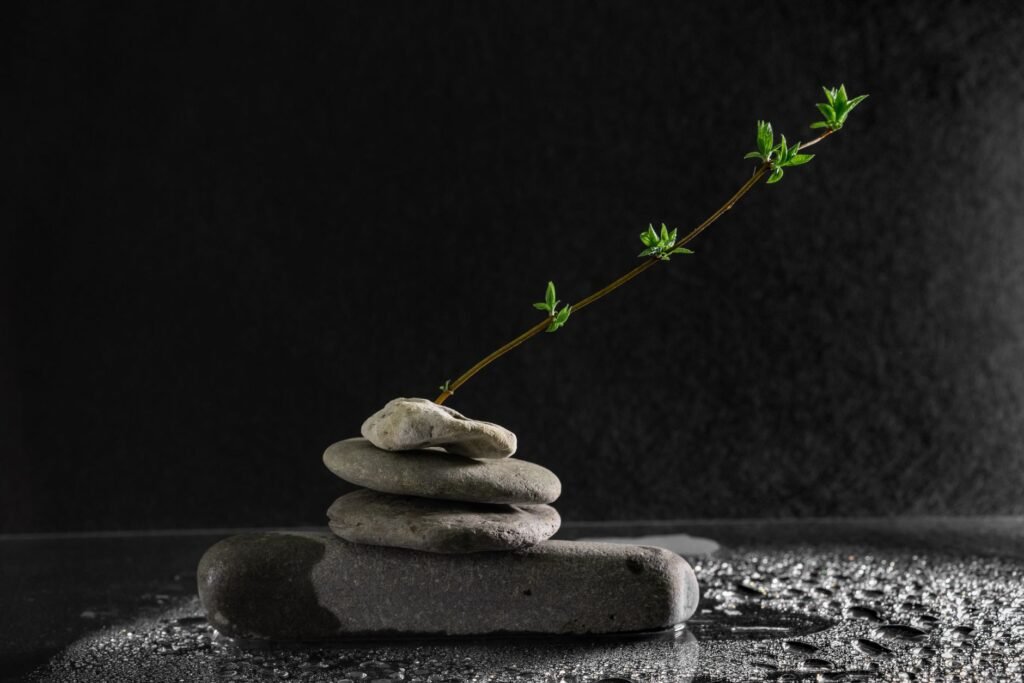
Strategies for Enhancing Spiritual Stability
In times of confusion, employing specific practices can pave the way toward greater spiritual stability. Below are some effective strategies:
1. Mindfulness and Meditation
Mindfulness practices, such as meditation, help center the mind and promote emotional awareness. Here’s how to get started:
- Set a Routine: Dedicate a few moments each day to sit quietly and focus on your breath.
- Guided Meditations: Use apps like Headspace or Insight Timer for structured sessions.
- Mindful Walking: Take a walk in nature, paying attention to the sights, sounds, and feelings around you.
2. Journaling for Clarity
Writing down thoughts and feelings can be therapeutic. Consider these journal prompts:
- What am I grateful for today?
- What fears are currently consuming my thoughts?
- When did I last feel connected to something greater than myself?
Journaling not only helps articulate feelings but can also reveal patterns or insights, bringing your internal state into focus.
3. Seek Community Support
Connect with others who share your spiritual or philosophical values. You might:
- Join a Group: Look for local or online spiritual groups that resonate with you.
- Engage in Discussions: Sharing perspectives helps to break down isolation and reinforces understanding.
- Attend Workshops or Retreats: These can deepen your experience and provide invaluable tools.
4. Embrace Nature
Nature has a grounding effect and can significantly enhance spiritual well-being. Here are some ways to take advantage of it:
- Go Outside: Spend time in natural settings, be it a park, beach, or forest.
- Practice Forest Bathing: This Japanese practice encourages immersing oneself in the forest atmosphere.
- Gardening: Cultivating plants can foster a sense of responsibility and connection to nature.
5. Establish Daily Rituals
Creating rituals can ground you and provide structure. Some ideas include:
- Morning Gratitude: Start each day by listing three things you’re grateful for.
- Evening Reflection: Wind down by reviewing your day and acknowledging your accomplishments.
- Weekly Digital Detox: Unplugging from technology can help clear mental clutter and bring back focus.
Reflection Point
Take a moment each day to reflect on your spiritual journey. Embrace the lessons learned during confusion to grow closer to God.
Frequently Asked Questions
How can I find peace during confusing times?
Finding peace in confusion often begins with prayer and grounding practices. Philippians 4:6-7 reminds us to present our requests to God, and His peace will guard our hearts and minds.
What role does community play in spiritual stability?
Community provides support and shared wisdom, which can strengthen our spiritual resilience. Ecclesiastes 4:9-10 emphasizes that two are better than one, as they can help each other in times of need.
How do I stay connected to God in chaotic times?
Staying connected to God involves regular prayer, meditation, and engaging with Scripture. James 4:8 encourages us to draw near to God, and He will draw near to us.
What are some practical ways to practice mindfulness?
Practical mindfulness can include daily meditation, mindful walking in nature, or journaling your thoughts. Philippians 4:8 advises us to focus on things that are true, noble, and praiseworthy, which aligns perfectly with mindfulness practices.
Conclusion: The Path Forward
Times of confusion can be transformative opportunities for spiritual growth. By actively engaging in practices that promote spiritual stability, we not only find comfort during chaotic times but also lay a strong foundation for future challenges. Remember, the journey toward spiritual clarity is not a solitary path; it requires patience, openness, and, most importantly, connection—to ourselves and to others.
As you implement these strategies, remind yourself that confusion is a natural aspect of the human experience. Embrace it, learn from it, and allow it to guide you toward a deeper understanding of your spiritual self. In doing so, may you find the peace and strength needed to navigate life’s ups and downs with grace and resilience.
Further Study