
Key Takeaways
- Understand the roots of intolerance
- Build a supportive community
- Educate others to foster understanding
- Advocate for change and acceptance
In today’s ever-evolving world, our beliefs and values are often put to the test. While many enjoy the freedom to express their faith openly, others find themselves facing intolerance, discrimination, and even persecution simply for their beliefs. This post aims to provide support and resources for those enduring faith-based intolerance, exploring the challenges they encounter and offering constructive ways to cope and advocate for change.
Understanding Faith-Based Intolerance
Faith-based intolerance arises when individuals or groups act with hostility or discrimination towards others based on their religious beliefs. Unfortunately, this phenomenon can manifest in various forms, such as:
- Verbal Abuse: Insults or derogatory remarks aimed at one’s beliefs.
- Social Exclusion: Isolation from community and social groups due to differing beliefs.
- Physical Violence: Attacks or threats based purely on faith.
- Institutional Discrimination: Unequal treatment in workplaces, schools, or public spaces.
The Roots of Intolerance
To address intolerance effectively, it is essential to understand its roots. Various factors contribute to this societal issue, including:
- Cultural Differences: Often, ignorance about unfamiliar beliefs leads to fear and hostility.
- Historical Conflicts: Past tensions between differing faiths can perpetuate negative stereotypes.
- Media Portrayal: Sensationalized narratives can skew the public’s perception of a particular faith.
- Religious Extremism: Extreme views can foster an environment where intolerance thrives.

Coping Strategies for Those Affected
If you find yourself facing intolerance for your faith, it’s crucial to develop coping strategies that can help protect your mental and emotional well-being. Here are some effective methods to consider:
1. Build a Support Network
- Connect with Like-minded Individuals: Join local or online groups of individuals who share your beliefs. Engaging in supportive communities can foster resilience and connectedness.
- Seek Professional Help: Consider speaking with a counselor who understands your faith issues. Mental health professionals can provide coping techniques tailored to your experiences.
2. Educate Others
- Initiate Conversations: When appropriate, engage in educational discussions that foster understanding and empathy. Share your perspective and experiences without being confrontational.
- Provide Resources: Distribute literature, articles, or documentaries that explain your beliefs and help dispel myths.
3. Focus on Self-Care
- Practice Mindfulness: Activities such as meditation, prayer, or yoga can help center your thoughts and maintain peace of mind amid challenges.
- Pursue Hobbies: Engaging in creative outlets or physical activities can be a healthy distraction and boost your overall well-being.
4. Advocate for Change
- Get Involved in Community Initiatives: Participate in local interfaith dialogues or outreach programs that promote tolerance and understanding.
- Engage with Advocacy Groups: Join organizations that work to combat discrimination and support individuals facing faith-based intolerance.
Reflection Point
Remember that your faith is your strength; lean on it and the community around you to find peace and resilience.

Finding Strength and Resilience
Despite the challenges that come with intolerance, remember that your faith is a source of strength. Embracing your beliefs and connecting with others can be empowering. Here are a few ways to maintain resilience in the face of adversity:
- Reflect on Your Values: Revisit the core tenets of your faith; these foundational beliefs can provide comfort and guidance.
- Keep a Journal: Writing about your experiences can serve as a therapeutic outlet and help you process feelings of intolerance.
- Celebrate Your Faith: Engaging in rituals, traditions, or community work can reinforce your sense of identity and purpose.
Frequently Asked Questions
How can I cope with intolerance for my faith?
Coping with intolerance involves building a support network, practicing self-care, and educating others about your beliefs, fostering understanding.
What should I do if I face discrimination at work?
Address workplace discrimination by documenting incidents, seeking support from HR, and connecting with advocacy groups that can assist you.
How can I educate others about my faith?
Engage in open conversations, share literature about your beliefs, and invite others to learn and discuss in a respectful manner.
What role does prayer play in facing intolerance?
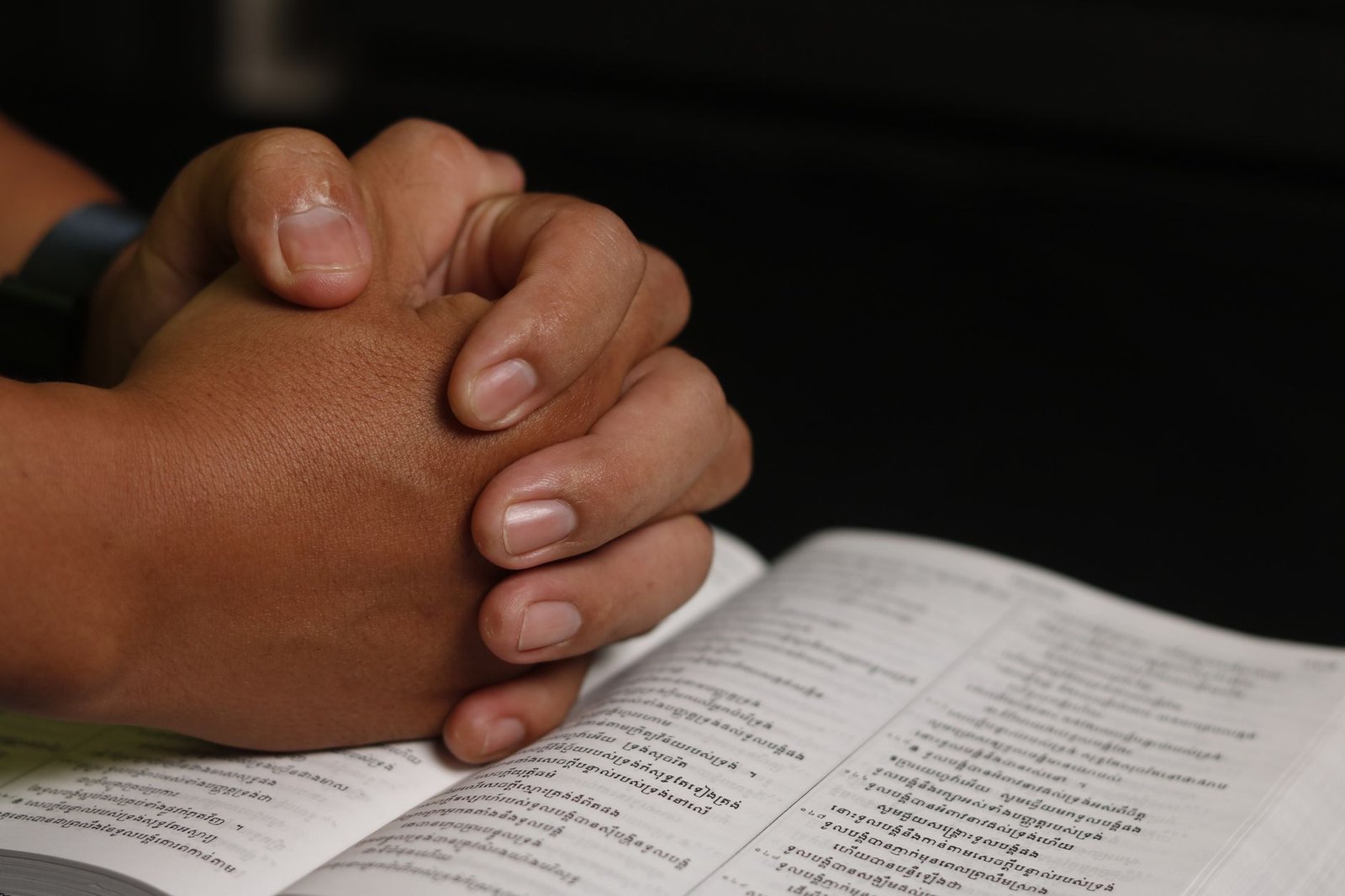
Prayer can provide comfort and strength, helping you find peace and guidance as you navigate the challenges of intolerance.
Conclusion: Standing Together Against Intolerance
Intolerance for one’s faith can be a lonely and painful journey. Yet, by seeking support, educating others, and advocating for goodwill, individuals can transform their challenge into a profound testament of faith. Remember, you are not alone, and every effort made toward understanding and acceptance can contribute to a more inclusive world.
Let us stand together against intolerance, promote empathy across differing beliefs, and create a future where faith is celebrated, rather than weaponized. Whether through personal resilience or collective action, we can foster a society that embraces diversity and nurtures compassion. Together, we can promote a culture where everyone, regardless of their faith, can live freely and authentically.