
Key Takeaways
- Trust is essential during uncertainty
- Open communication fosters trust
- Empathy strengthens relationships
- Leading by example inspires trust
In our increasingly unpredictable world, trust can often feel like a fragile commodity. Whether it’s in relationships, businesses, or even with our governments, uncertainty can breed doubt and apprehension. However, in times of turmoil and change, building and maintaining trust is essential. How can we cultivate this invaluable quality when circumstances seem less than favorable? In this blog post, we’ll explore the dynamics of trust, how to foster it during challenging times, and the positive impacts that can emerge from a strong foundation of confidence.
Understanding Trust: A Foundation for Resilience
What is Trust?
At its core, trust is a belief in the reliability, truth, ability, or strength of someone or something. In interpersonal relationships, trust allows for open communication and collaboration. Within organizations, it fosters a positive culture and can significantly enhance employee morale. During times of uncertainty—be it personal, societal, or economic—the level of trust often dictates how individuals and groups navigate challenges.
The Importance of Trust in Times of Uncertainty
During periods of instability, trust becomes even more vital for several reasons:
- Facilitates Communication: Trust encourages open dialogue, which can lead to better understanding and problem-solving.
- Promotes Loyalty: Whether among team members or customers, trust fosters loyalty, ensuring that individuals stick together even when circumstances are rocky.
- Enhances Collaboration: In a climate of uncertainty, organizations that actively build trust find that collaboration improves, leading to more innovative solutions.
- Mitigates Fear: Trust can reduce anxiety around the unknown. When people feel confident in their leaders or their community, they are more likely to face challenges with courage.
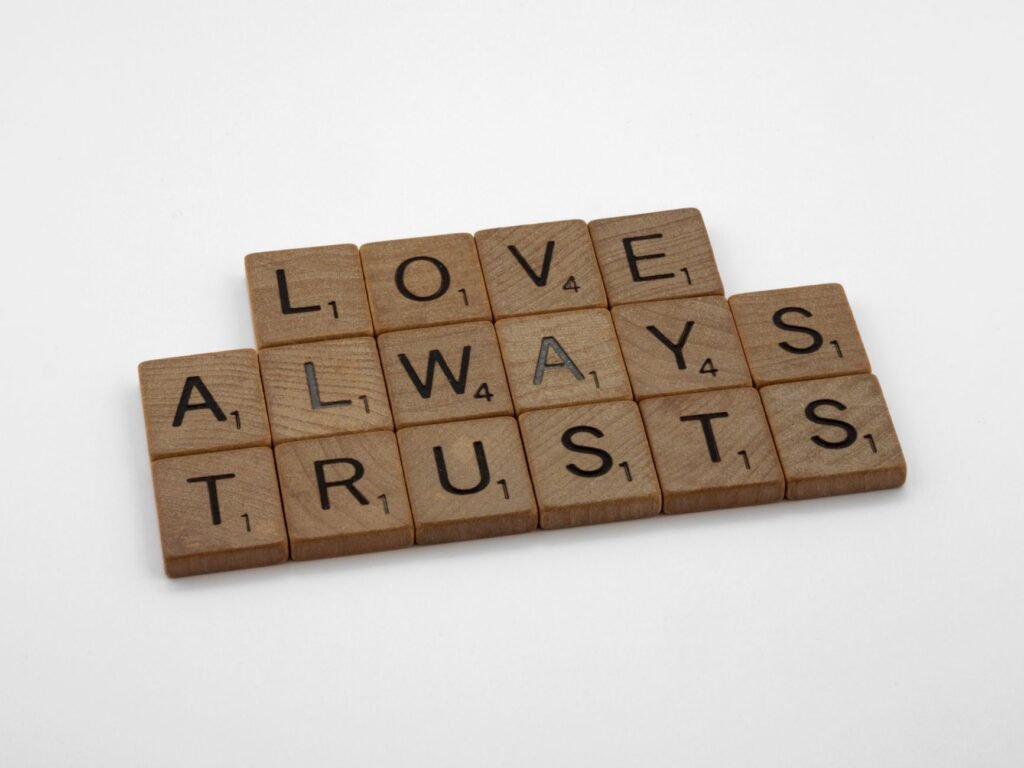
Strategies to Build Trust
Creating a culture of trust is not a quick fix; it requires consistent effort and intentionality. Here are several strategies that can be employed across different settings:
1. Open and Transparent Communication
In times of uncertainty, the instinct might be to withhold information or sugarcoat the situation. However, this often leads to greater mistrust. Instead:
- Share Updates Regularly: Keep your audience informed about what is happening. Whether positive or negative, information helps mitigate uncertainty.
- Encourage Feedback: Create channels where individuals can express their concerns and ideas without fear of repercussions.
2. Consistency and Reliability
Reliability is a cornerstone of trust. Inconsistent behavior can create doubt and confusion. To enhance reliability:
- Follow Through on Promises: If you commit to an action, make sure to deliver on it. This builds a track record that people can rely on.
- Set Clear Expectations: When people know what to expect, they are more likely to trust that you will deliver.
3. Show Empathy and Understanding
Empathy is a powerful tool in building trust. When people feel understood and valued, they are more likely to open up and invest their trust in others.
- Acknowledge Feelings: Recognize that uncertainty can lead to fear or frustration. Validate these feelings while providing support and understanding.
- Personalize Interactions: Take the time to know individuals and their concerns, which fosters a deeper connection.
4. Lead by Example
Leadership plays a critical role in cultivating trust. Demonstrating vulnerability, integrity, and ethics can inspire others to do the same.
- Model the Behavior You Want to See: Be honest about your own uncertainties and the steps you’re taking to address them.
- Maintain Integrity: Uphold your values and ethics, even when it’s tempting to compromise for short-term gains.
Reflection Point
In uncertain times, take a moment to reflect on how you can actively build trust in your relationships and community. Every small effort counts.
The Long-Term Benefits of Trust
Investing in trust isn’t just beneficial for managing current uncertainties; it has long-term payoffs. High levels of trust lead to:
- Improved Relationships: Strong trust lays the groundwork for lasting relationships, both personal and professional.
- Increased Resilience: Teams and individuals who trust each other are better equipped to handle crises and bounce back.
- Better Performance: Organizations with a foundation of trust enjoy higher productivity and engagement among their teams.
Frequently Asked Questions
How can I build trust in my relationships?
Building trust starts with open communication and empathy. As Proverbs 27:17 says, "Iron sharpens iron," so encourage honest dialogue and mutual respect.
Why is trust important during tough times?
Trust provides a foundation for resilience and collaboration. When we trust one another, we can face challenges together, as Ecclesiastes 4:9-10 reminds us of the strength in partnership.
What role does leadership play in building trust?
Leaders set the tone for trust through their actions. By modeling integrity and vulnerability, they create an environment where others feel safe to do the same, echoing 1 Peter 5:3.
How can I encourage trust within my team?
Encourage open dialogue and acknowledge your team's feelings. As Romans 12:10 teaches us, we should "outdo one another in showing honor," fostering an atmosphere of mutual respect.
Conclusion: The Enduring Value of Trust
In conclusion, while uncertainty is an inescapable part of life, the way we respond to it can shape our experiences significantly. By earning and fostering trust amidst chaos, individuals and organizations can navigate challenges with greater confidence and resilience. After all, trust is not just about mitigating fear—it’s about creating an environment where individuals are empowered to thrive even in the face of adversity. As we move forward in an ever-changing world, let us commit to building trust as a steadfast foundation for a brighter, more secure future.
As you ponder the impact of trust in your own life or workspace, remember: it starts with commitment, consistency, and a genuine connection to those around you. In times of uncertainty, let trust be your guiding light.