
Prayer for Those in Hospital During the Night: A Beacon of Hope and Comfort
In the stillness of the night, hospitals transform into places of profound vulnerability. The quiet corridors echo with the whispers of uncertainty and the soft footfalls of those who keep vigil over their loved ones. At such times, prayer becomes an essential comfort, a beacon of hope for patients, family members, and caregivers alike. Whether you’re by a bedside or miles away, prayer offers solace amid the shadows.
The Nighttime Struggle: More Than Just Physical Ailments
The nighttime in hospitals can test the spirit as much as the body. Fear, anxiety, and the unknown crowd together, often amplifying in the silence.
Challenges Faced at Night
- Isolation: Patients may feel secluded when visiting hours end and the hustle and bustle recedes.
- Fear of the Unknown: Nighttime can bring heightened fears about diagnoses or upcoming procedures.
- Disrupted Sleep: The environment may hinder restful sleep due to regular checks and unfamiliar sounds.
In these moments, prayer acts as a grounding force, providing comfort and a sense of connection.
The Power of Prayer: Comfort in Connection
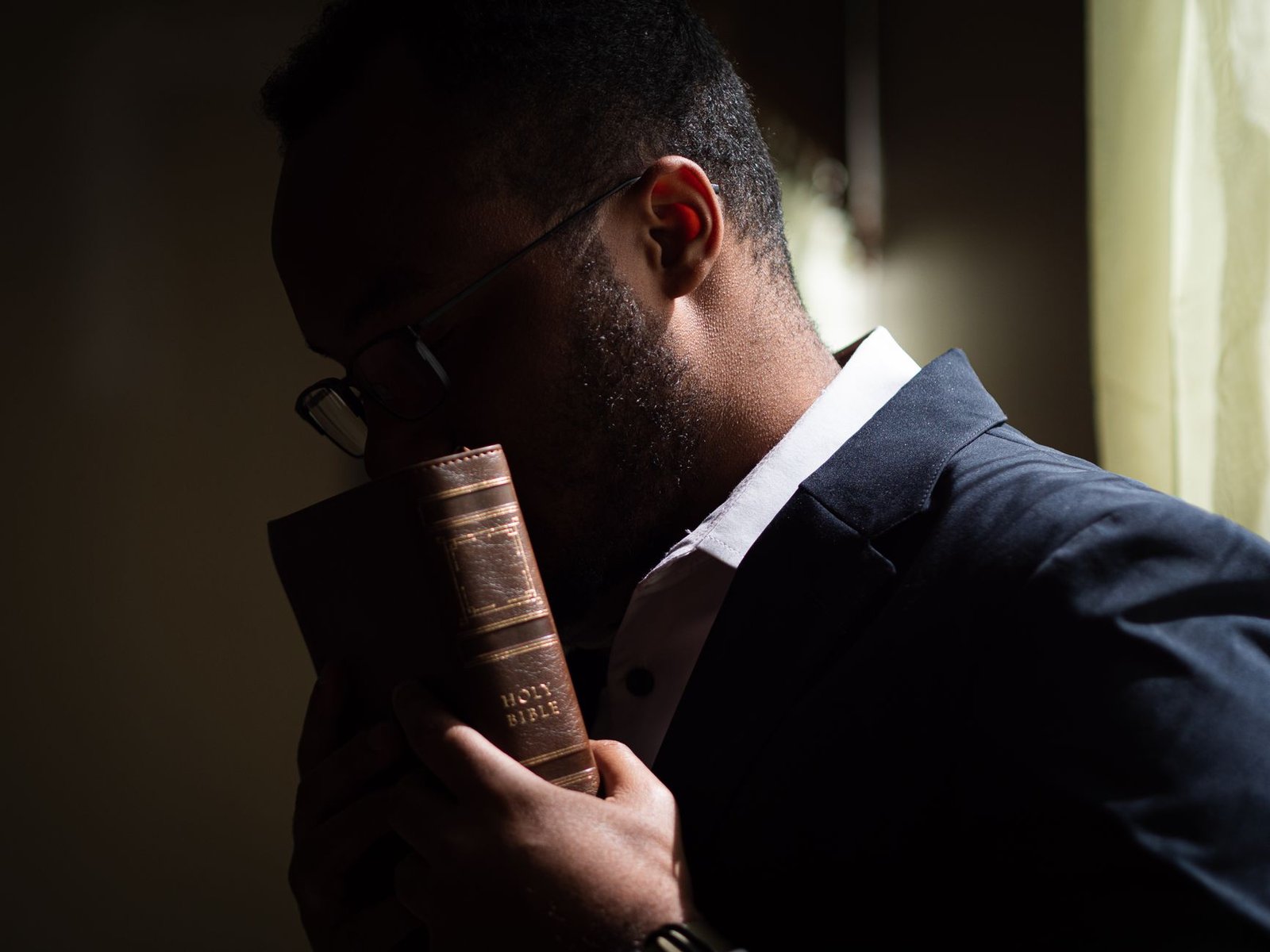
Prayer is not merely a ritual but a lifeline that connects us to something greater than ourselves. It offers psychological and emotional benefits that can be especially comforting during the hushed hours of the night.
Spiritual Reassurance
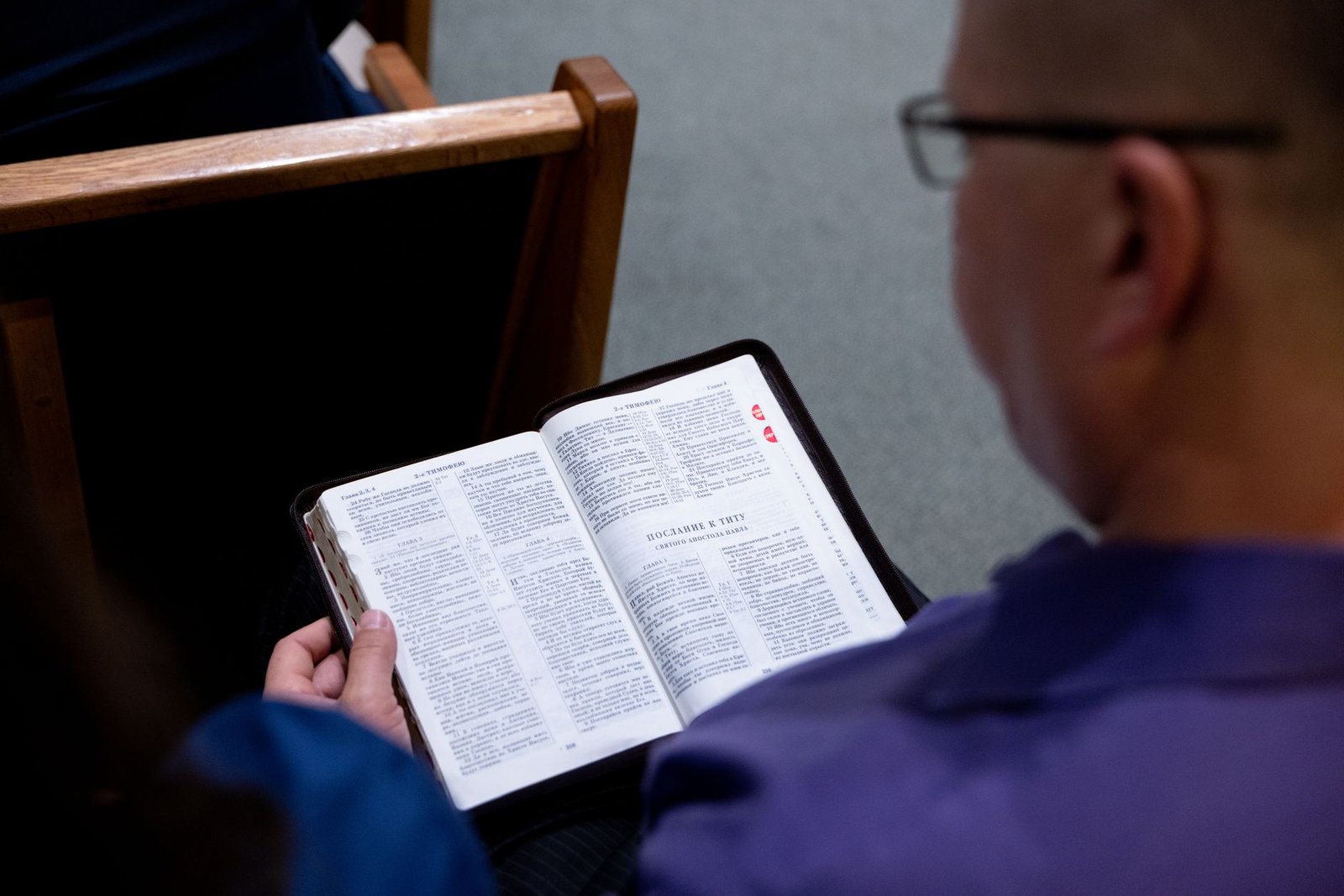
Biblical examples highlight the calming power of prayer. One such narrative is the story of Paul and Silas in prison. Despite their dire circumstances, they prayed and sang hymns (Acts 16:25). Their faith provided peace and led to their miraculous release.
Related Posts:




- Encourages Peace: Prayer can quiet the churning mind and bring peace, invoking the presence of God.
- Instills Hope: It serves as a reminder that we are never alone and that a Higher Power watches over us.
- Offers Personal Strength: Engaging in prayer can fortify the spirit, providing resilience against emotional and physical challenges.
Practical Prayer Techniques for Nighttime
Transform the night from a period of anxiety into a sacred time of reflection and strength through prayer.
Simple and Effective Prayers
- The Lord’s Prayer: This universal prayer is a source of comfort and familiarity.
- Personal Conversations: Speak sincerely to God about specific fears and hopes.
- Thanksgiving: Focus on gratitude, acknowledging small blessings, even amid difficult circumstances.
Meditative Practices
- Scriptural Meditation: Choose comforting verses to meditate on, like Psalm 23, “The Lord is my shepherd; I shall not want.”
- Breath Prayers: Simple phrases repeated during deep breathing can calm the mind, such as “God is with me.”
Experiences from Real Lives
The power of prayer during hospital nights has been evidenced by countless testimonies. One heartfelt account is from a mother who sat by her daughter’s hospital bed, praying Psalm 91 for protection. Though the night was challenging, she described feeling enveloped in peace and strength that carried them through the ordeal. Such stories abound, each a testament to the transformative power of prayer.
Conclusion: A Call to Continue the Vigil
In conclusion, prayer is a powerful ally in the nighttime hospital experience. It provides solace, connects us to the divine, and imparts strength. Whether you find yourself in a hospital room or supporting someone from afar, know that prayer is a force that transcends walls and binds hearts with hope and healing.
Embrace the Night with Prayer: Let this quiet time become your chapel space, where whispered prayers become sheer walls of strength, creating ripples of peace across wounded hearts and weary spirits.