Introduction to Moses’ Life and Calling
Moses is perhaps one of the most recognized figures in the Bible, a man through whom God performed extraordinary acts and led an entire nation to freedom. His life is a tapestry woven with themes of divine purpose, struggle, and ultimate triumph. From the moment of his birth, when he was hidden from Pharaoh’s decree to kill all Hebrew boys, to his final days on Mount Nebo, Moses’ life was marked by God’s clear hand guiding him. The story of Moses invites us to look deeper into the character of God and the ways He uses ordinary people for His extraordinary purposes.
The Early Life of Moses
Moses was born into a time of great oppression for the Israelites in Egypt. His mother, Jochebed, demonstrated incredible faith and courage by placing him in a basket and setting him afloat on the Nile river, where he was discovered by Pharaoh’s daughter. Raised in the palace, Moses enjoyed privileges but was also aware of his Hebrew heritage. As he grew older, the tension within him escalated, leading to his fateful decision to kill an Egyptian who was beating a Hebrew slave. This act forced him into exile, setting the stage for God to prepare him for his calling.

Reflecting on Leadership
Consider how God may be calling you to lead in your own life, trusting in His guidance like Moses did.
God’s Call at the Burning Bush
Moses’ life took a dramatic turn when he encountered God in the form of a burning bush on Mount Horeb. This moment was transformative; God revealed His name as “I AM” and commissioned Moses to lead the Israelites out of Egypt. Moses hesitated, questioning his ability and worthiness for such a monumental task. Yet God assured him of His presence and provision. This exchange highlights the common human struggle of feeling inadequate when faced with God’s calling.
Moses’ Objections and God’s Assurance
In his initial reluctance, Moses voiced several objections—his lack of eloquence, his fear of rejection, and concern for how the Israelites would respond. Each time, God responded with reassurance and instruction. He provided Moses with signs and miracles to perform, such as turning his staff into a serpent and making his hand leprous only to restore it. These signs were not just miraculous acts but also served as affirmations of God’s power and Moses’ authority as His chosen leader. Through these exchanges, we see how God patiently addresses our fears, reminding us that He equips those He calls.
The Confrontation with Pharaoh
Upon returning to Egypt, Moses confronted Pharaoh with God’s message: “Let my people go.” This bold act of obedience set into motion a series of events that would lead to the liberation of the Israelites. However, Pharaoh’s hardened heart and refusal to comply resulted in God sending ten plagues upon Egypt. Each plague was a demonstration of God’s sovereignty and power, challenging the false gods of Egypt. Moses’ unwavering commitment to God’s command, despite Pharaoh’s resistance, exemplifies the strength found in faith and obedience.
The Exodus and the Parting of the Red Sea
The climactic moment of Moses’ leadership came during the Exodus, when God led the Israelites out of Egypt. As they approached the Red Sea, they faced a terrifying situation—the Egyptian army in hot pursuit, the sea before them, and no apparent escape. It was here that Moses demonstrated profound faith. He stretched out his staff, and God parted the waters, allowing the Israelites to walk through on dry ground. This miraculous event not only showcased God’s power but also solidified Moses’ role as a leader chosen by God to guide His people to freedom.
Receiving the Law on Mount Sinai
Following their escape, Moses led the Israelites to Mount Sinai, where he would receive the Law from God. This moment is foundational for the identity of the Israelite community. God gave Moses the Ten Commandments, establishing a covenant relationship with His people. The giving of the Law was not merely a set of rules but an expression of God’s desire for His people to live in relationship with Him and with one another. Moses’ role as mediator between God and the Israelites underscores the significance of obedience and holiness in the life of faith.
The Wilderness Journey and Israel’s Challenges
The journey through the wilderness was fraught with challenges. The Israelites often complained, expressing a longing for the comforts of Egypt despite their newfound freedom. Moses faced the burden of leadership amid their discontent. He interceded on their behalf when God’s anger flared, demonstrating his deep care for the people and his commitment to God’s purpose. This period highlighted both Moses’ humanity and the patience required in leadership, reminding us that faith is often tested in times of trial.

Moses’ Leadership Style and Characteristics
Moses was not a perfect leader; he struggled with doubts, anger, and frustration. Yet, his willingness to listen to God and his humility in seeking help from others, like his father-in-law Jethro, exemplified a true servant leader. He appointed elders to assist him in judging the people’s disputes, demonstrating the importance of community and shared leadership. Moses’ life teaches us that effective leadership is rooted in humility, dependence on God, and a willingness to collaborate with others.
The Legacy of Moses
Moses’ story concludes with his view of the Promised Land from Mount Nebo, where he was not allowed to enter due to an earlier act of disobedience. Yet, his legacy endures through the Law and the lessons he imparted to the Israelites. His life is a testament to God’s faithfulness and the transformative power of obedience. Through Moses, we see how God can use an imperfect person to fulfill His perfect will.
Application for Our Lives
Moses’ journey invites us to reflect on how God might be calling us in our own lives. Are there areas where we feel inadequate or fearful, yet God is asking us to step out in faith? His story encourages us to trust in God’s presence and provision, just as Moses did. We must remember that our calling, though daunting, can lead to profound impact when rooted in obedience and faith.
Moses’ life reminds us that God often uses the least likely candidates for His greatest works. He equips us with what we need to fulfill His purpose, whether it’s through our unique gifts, our experiences, or even our struggles. As we seek to follow His call, may we embrace our role in His story with courage and conviction.
The Intercession of Moses: A Model for Prayer and Advocacy
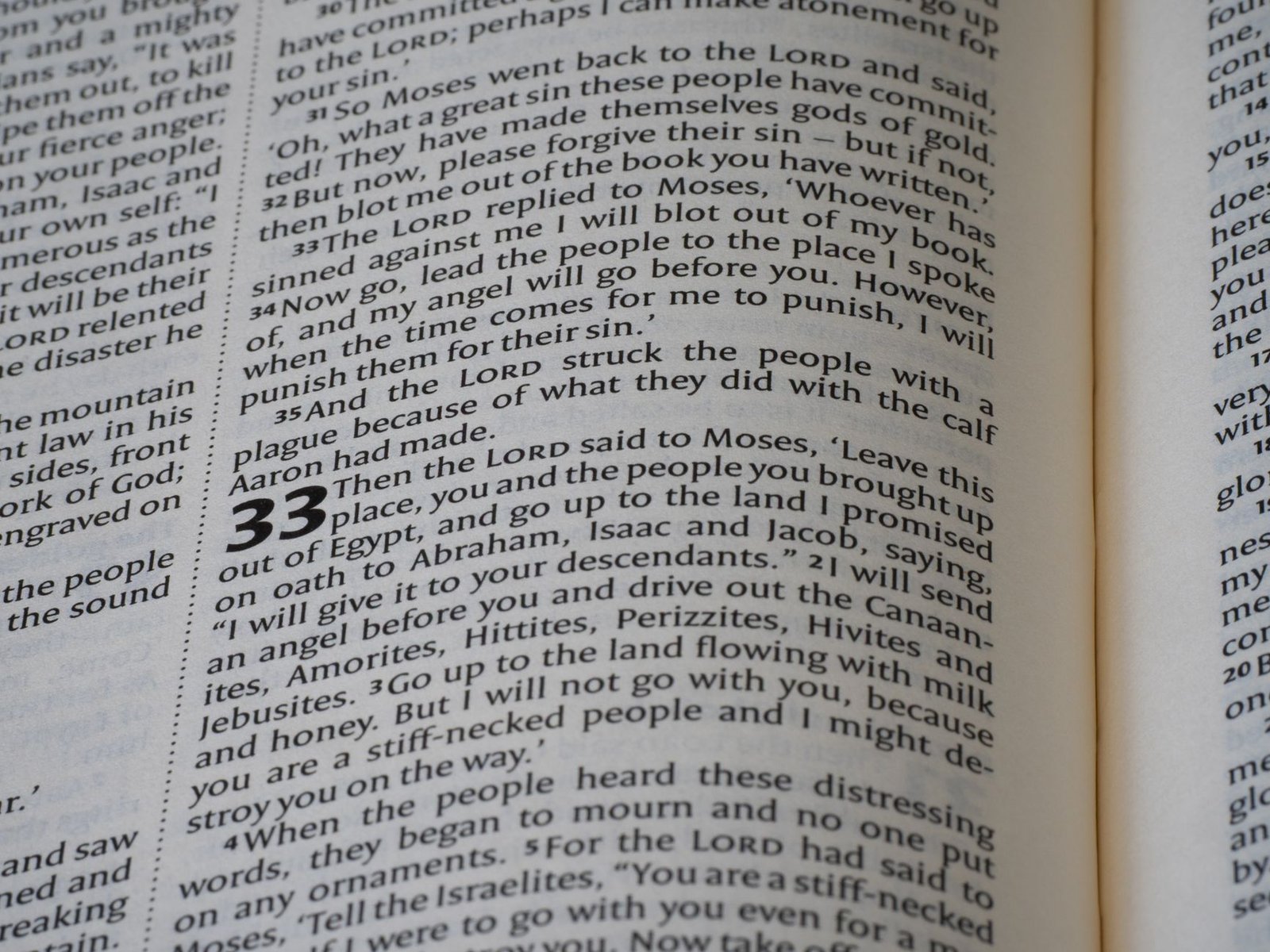
Moses frequently interceded on behalf of the Israelites, demonstrating the power of prayer and the importance of standing in the gap for others. When the people sinned by worshipping the golden calf, God’s anger burned against them, and He threatened to destroy them. In a remarkable display of leadership and compassion, Moses pleaded with God, saying, “But now, please forgive their sin, but if not, then blot me out of the book you have written” – Exodus 32:32. This selfless act underscores the depth of Moses’ commitment to his people and the role of an intercessor.
Key Takeaways
- Moses was chosen for divine leadership
- His faith was tested repeatedly
- Obedience led to miraculous events
- Moses' life reflects God's faithfulness
His intercession not only revealed his deep connection with God but also highlighted the relational aspect of God’s justice and mercy. Through Moses, we learn that advocacy through prayer is vital, as it reflects both our love for others and our desire for God’s will to be accomplished in their lives.
Moses and the Covenant: A Divine Partnership
The covenant established between God and the Israelites through Moses is central to the biblical narrative. At Mount Sinai, Moses received the Ten Commandments, which served as the foundation for the nation’s identity and relationship with God. God said, “If you obey me fully and keep my covenant, then out of all nations you will be my treasured possession” – Exodus 19:5. This covenant was not merely a set of rules; it was a profound partnership that required mutual commitment. Moses acted as the mediator who conveyed God’s expectations to the people, emphasizing the seriousness of their response to His commands.
Throughout his leadership, Moses exemplified what it means to live in covenant with God. His willingness to obey and his dedication to teaching the Law to the Israelites highlight the importance of understanding and embracing God’s guidelines for a life of holiness and community. The covenant relationship established through Moses continues to resonate in the lives of believers today, reminding us of our call to live in obedience to God.
The Foreshadowing of Christ in Moses’ Life
Moses’ life and mission serve as a foreshadowing of Jesus Christ, the ultimate deliverer. Just as Moses delivered the Israelites from slavery in Egypt, Jesus offers deliverance from sin and spiritual death. In the New Testament, we see this connection when Stephen refers to Moses as “the one who was sent to be their ruler and deliverer” – Acts 7:35. Both figures were chosen by God to lead and save their people, though their methods and contexts differed.
Moses also pointed to Christ in his role as a mediator. As Moses stood between God and the people, conveying God’s law, Jesus stands as the mediator of a new covenant, offering grace and truth. This connection enriches our understanding of both figures and deepens our appreciation for God’s unfolding plan of redemption throughout Scripture. Moses’ life encourages us to recognize how God prepares the way for His ultimate purposes through the faithful service of His chosen leaders.
The Signs and Wonders: Demonstrating God’s Power Through Moses
Throughout the narrative of Exodus, God empowered Moses with signs and wonders to authenticate his leadership and demonstrate His sovereignty over Egypt. The plagues that fell upon Egypt were not only aimed at convincing Pharaoh to release the Israelites but also served as profound displays of God’s might and authority. For instance, when Moses turned the Nile River into blood, it was a direct challenge to the Egyptian gods who were believed to control the waters. God commanded Moses, saying, “Tell Aaron, ‘Take your staff and stretch out your hand over the waters of Egypt to turn them to blood'” – Exodus 7:19.
The signs Moses performed were pivotal in shaping the Israelites’ faith and their understanding of God’s character. Each plague culminated in the Passover, which showcased God’s mercy and judgment, as He spared the Israelites while executing judgment on the Egyptians. This event foreshadows the sacrificial work of Christ, as the blood of the lamb marked the doorposts, providing safety for God’s people. The miraculous acts of Moses remind us that God often uses signs to reveal His presence and purpose, encouraging believers to trust in His power amidst adversity.
Moses’ Final Instructions: Preparing for a New Generation
As Moses approached the end of his life, he took the opportunity to prepare the Israelites for their future in the Promised Land. In his farewell address, he reviewed the Law and urged the people to remember their covenant relationship with God. He emphasized the importance of obedience, saying, “Now, Israel, hear the decrees and laws I am about to teach you. Follow them so that you may live and go in and take possession of the land” – Deuteronomy 4:1.
Moses’ reminders were vital as he recognized that the new generation would face challenges and temptations in Canaan. He encouraged them to remain steadfast and to teach their children the commandments of God, emphasizing that their faithfulness would lead to blessings. This call to discipleship is relevant today, as believers are reminded of the importance of passing down faith and values to future generations. Moses’ commitment to ensuring the spiritual well-being of the Israelites underscores the role of mentorship and instruction in nurturing a vibrant faith community.
Moses and the Theological Themes of Redemption and Deliverance
The story of Moses is rich with themes of redemption and deliverance, which resonate throughout Scripture. His life exemplifies how God intervenes in human history to bring about salvation. The Israelites’ escape from slavery in Egypt is a powerful symbol of God’s desire to free His people from bondage, not only physically but spiritually as well. Moses, as the chosen leader, becomes a vessel of God’s redemptive plan, guiding the people through trials toward a promised future.
Moreover, the Exodus narrative foreshadows the ultimate redemption found in Jesus Christ, who delivers humanity from the bondage of sin. Just as Moses led the Israelites through the Red Sea, Christ leads believers through the waters of baptism into new life. The theological implications of Moses’ journey remind us of God’s faithfulness and His desire to rescue and restore His people. Through Moses, we see a picture of hope that continues to inspire faith in God’s promises and His ability to bring about change in our lives.
Frequently Asked Questions
How did God first call Moses?
God first called Moses through the burning bush, where He revealed His name and purpose for Moses to lead the Israelites out of Egypt.
What were some of the challenges Moses faced?
Moses faced numerous challenges, including Pharaoh's resistance, the people's complaints, and his own insecurities about speaking and leadership.
How did Moses demonstrate faith in God?
Moses demonstrated faith by obeying God’s commands, even when faced with danger, uncertainty, and the daunting task of leading a nation.
What legacy did Moses leave behind?
Moses left behind a legacy of faith, the Law, and a model of leadership that continues to inspire believers and leaders today.
Final Thoughts
Moses' story is a testament to God's faithfulness and the incredible ways He can use those who are willing to follow His call. As we reflect on Moses' journey, let us be inspired to trust in God's plans for our lives.
Further Study