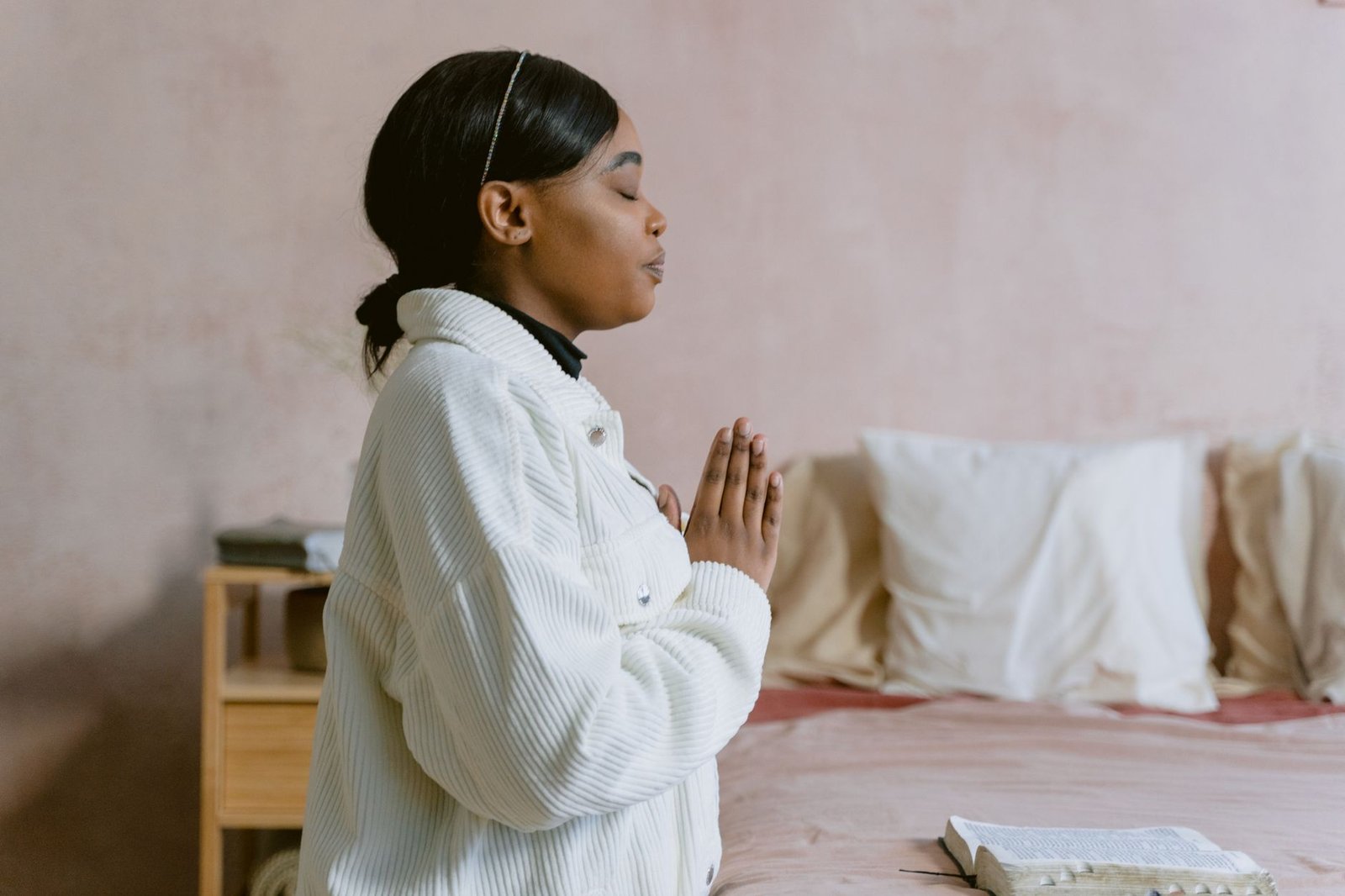
As the day winds down and the world quiets, many of us face the challenge of anxiety. The night, typically associated with rest, can sometimes bring with it a barrage of worries and fears that keep us awake. However, engaging in night prayers can be a profound way to find solace and peace in God’s presence. These prayers allow us to lay our burdens before Him, trusting that He cares for us and desires our well-being.
### The Importance of Night Prayer
Night prayer serves as a spiritual practice that helps us transition from the busyness of the day to a state of peace and restfulness. It’s a moment to reflect on our day, express gratitude, and bring our anxieties before God. The Bible encourages us not to be anxious but to present our requests to God with prayer and thanksgiving. This practice not only calms our minds but also reinforces our trust in God’s sovereignty and love.
### Acknowledging Our Anxiety
Before we can pray effectively, we must acknowledge our feelings of anxiety. It’s essential to recognize that experiencing anxiety does not make us weak or unfaithful. Many biblical figures faced overwhelming fears and uncertainties. Bringing our anxiety to God in prayer allows us to be honest about our struggles while inviting Him into our circumstances.
### Crafting Your Night Prayers
Night prayers don’t need to be elaborate or formal. They can be simple, heartfelt conversations with God. You might start by addressing your feelings directly. For example, you could say:
“Lord, I come to you tonight feeling anxious about [specific concern]. I know that you are in control, and I ask for your peace to fill my heart.”
This type of prayer acknowledges your anxiety and shifts your focus toward God’s power and presence.
### Seeking God’s Peace
As you pray, ask God for His peace to guard your heart and mind. The Bible tells us that the peace of God surpasses all understanding and will guard our hearts and minds in Christ Jesus. Consider praying:
“Father, I ask for your peace to wash over me tonight. Help me to trust in your plans and release my worries into your capable hands.”
A prayer for peace can serve as a powerful reminder that we are not alone in our struggles.
### Expressing Gratitude
Incorporating gratitude into your night prayers can shift your perspective. Thank God for the blessings of the day, no matter how small. This practice can help counteract feelings of anxiety by redirecting your focus toward the goodness of God. You might say:
“Thank you, Lord, for the moments of joy I experienced today. Even amidst my worries, I recognize your hand at work in my life.”
### Praying for Others
Anxiety can often stem from concerns about loved ones. As you pray for your own peace, consider lifting up others who may be struggling. This not only deepens your prayer life but also reinforces the community aspect of faith. You might pray:
“Lord, I lift up my friend who is facing [specific situation]. Please grant them your peace and comfort during this difficult time.”
### Using Scripture in Your Prayers
Integrating Scripture into your night prayers can be encouraging and grounding. You might choose verses that speak to God’s promises or His capacity to provide peace. As you pray, you could say:
“Your Word says that you are my refuge and strength, an ever-present help in trouble. I claim that promise tonight.”
This not only enhances your prayer but also helps to meditate on God’s truth.
### Creating a Peaceful Environment
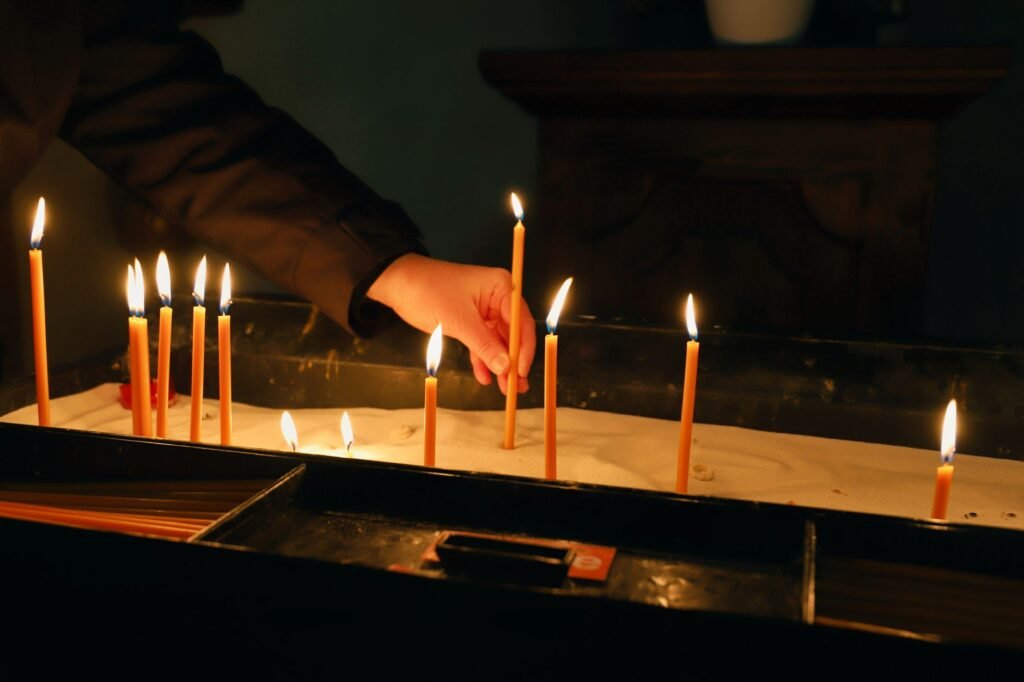
Our surroundings can impact our ability to pray and find peace. Consider creating a calming environment for your night prayers. This might involve dimming the lights, playing soft music, or lighting a candle. A peaceful atmosphere can help center your thoughts and facilitate a deeper connection with God.
### Making It a Habit
Establishing a routine of night prayer can create a sense of stability and security. Whether you choose to pray for a few minutes or longer, consistency is key. Over time, this practice can transform your mindset, allowing you to approach anxiety with a heart that rests in God’s promises.
### Embracing Silence
Sometimes, the most powerful prayer is simply being still before God. In the quiet moments before sleep, allow yourself to sit in silence and listen for His voice. This practice can help you to calm your racing thoughts and foster a deeper connection with God.
### Finding Comfort in Community
Lastly, don’t underestimate the power of communal prayer. Sharing your burdens with trusted friends or family members and praying together can provide immense relief. This community support not only helps ease anxiety but also strengthens your faith as you witness God working in the lives of others.

As you incorporate these practices into your night routine, remember that God is near. He invites you to cast all your anxieties on Him, for He cares for you. Allow each night prayer to be a stepping stone toward deeper intimacy with God, where anxiety can be exchanged for His perfect peace.
Night prayers can become a sacred moment, a time of connection, reflection, and release. In the stillness of the night, may you find comfort and assurance in God’s unfailing love, knowing that He holds your worries and fears in His capable hands.
Praying with Faith and Expectation
When engaging in night prayers, it’s important to approach God with faith and expectation. The Bible reassures us that when we pray, we should believe that we have received what we ask for. This faith-based approach not only encourages us but also aligns our hearts with God’s will. Consider praying:
Key Takeaways
- Night prayers can calm anxious hearts
- Prayer brings peace and comfort
- God promises to be with us always
- Trusting God alleviates fear
“Therefore I tell you, whatever you ask for in prayer, believe that you have received it, and it will be yours.” – Mark 11:24
By praying with confidence, we open ourselves to receive God’s peace and provision, trusting that He hears our prayers and responds according to His perfect timing and plan.
Visualizing God’s Promises
Another powerful tool in night prayers is visualization. As you pray, take a moment to visualize God’s promises in your life. Picture His peace enveloping you like a warm blanket or imagine His light dispelling the darkness of your worries. This can be an effective way to reinforce the truths found in Scripture. You might pray:
“For I know the plans I have for you, declares the LORD, plans to prosper you and not to harm you, plans to give you hope and a future.” – Jeremiah 29:11
Visualizing God’s promises can help solidify your trust in Him, allowing anxiety to diminish as you focus on His faithfulness and goodness.
Reflection Point
As you prepare for sleep, take a moment to reflect on God’s promises and surrender your worries to Him.
End with Surrender
Concluding your night prayers with a sense of surrender can be transformative. Acknowledge that while you may not have control over your circumstances, you can release your worries into God’s hands. This act of surrender is a declaration of faith, allowing you to rest in His care. You could say:
“I trust in you, Lord, and I surrender my worries. Help me to rest peacefully, knowing you are in control.” – Psalm 55:22
By surrendering your anxieties, you invite God’s peace into your life and create space for restful sleep, confident in His presence throughout the night.
Focusing on God’s Character
As you pray at night, it can be helpful to meditate on the character of God. Reflecting on who God is can provide comfort and stability in times of anxiety. Consider His attributes such as His faithfulness, love, and sovereignty. You might say:
“The LORD is my shepherd; I shall not want.” – Psalm 23:1
This reminder that God cares for you as a shepherd cares for their sheep can help alleviate feelings of anxiety. By acknowledging His nature, you can find reassurance that He will provide for your needs, both spiritually and physically.
Engaging in Spiritual Warfare
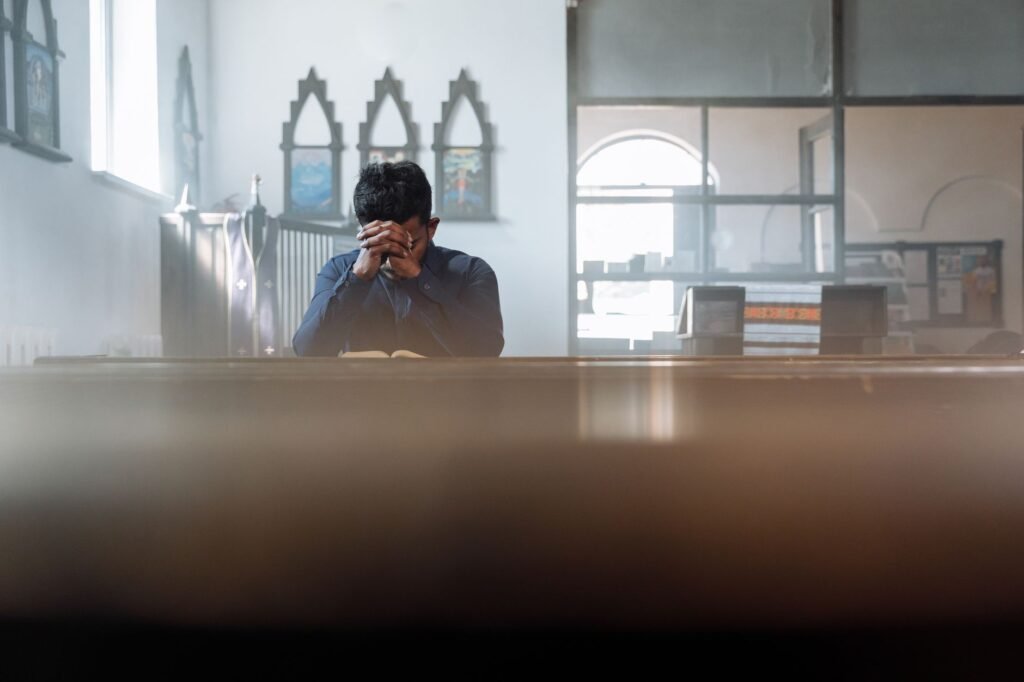
Nighttime can be a vulnerable time, and it’s essential to recognize the spiritual battles we may face. Praying for protection and strength against anxiety can be a vital part of your night prayers. You can claim God’s authority over your fears and worries. Consider praying:
“For we do not wrestle against flesh and blood, but against the rulers, against the authorities, against the cosmic powers over this present darkness.” – Ephesians 6:12
By engaging in spiritual warfare through prayer, you acknowledge the reality of anxiety as a struggle that is not just physical or emotional, but spiritual as well. Ask God to equip you with the armor of God, as described in Ephesians 6:10-18, so you can stand firm against any anxiety that tries to overwhelm you.
Listening for God’s Guidance
In your night prayers, take moments to listen for God’s guidance. Prayer is a two-way conversation, and allowing space for God to speak can lead to profound insights and peace. You might say:
“Be still, and know that I am God.” – Psalm 46:10
As you quiet your mind and heart, be attentive to the thoughts, images, or scriptures that come to mind. This practice can help you feel more connected to God and more assured in His plans for your life. Trust that He will provide clarity and direction, even amidst anxiety.
Practicing Gratitude in Prayer
Incorporating gratitude into your night prayers can significantly shift your perspective. Rather than focusing solely on your worries, take time to express thankfulness for the blessings in your life. This practice can foster a sense of peace and contentment. You might pray:
“Give thanks in all circumstances; for this is the will of God in Christ Jesus for you.” – 1 Thessalonians 5:18
As you list out things you are thankful for, you may find that your anxiety diminishes, replaced by a deeper sense of appreciation for God’s provision and presence.
Utilizing Scripture for Comfort
Choosing specific Bible verses to meditate on can serve as a source of comfort during night prayers. Memorizing these verses allows you to recall them in times of anxiety, reinforcing your faith. For instance, consider the words:
“Casting all your anxieties on him, because he cares for you.” – 1 Peter 5:7
By repeating these comforting truths, you remind yourself of God’s love and care, helping to quell anxious thoughts and instill a sense of calm as you prepare for sleep.
Setting Intentions for the Night
As part of your night prayers, consider setting intentions for the upcoming day or week. This practice not only provides clarity on what you hope to achieve but also invites God into your plans. You might say:
“Commit your work to the LORD, and your plans will be established.” – Proverbs 16:3
By surrendering your intentions to God, you can release the pressure of perfectionism and anxiety, trusting that He will guide your steps and help you navigate challenges with confidence.
Frequently Asked Questions
How can night prayers help with anxiety?
Night prayers can help center your thoughts on God and His promises, reducing feelings of anxiety and promoting peace as you prepare for sleep.
What are some examples of night prayers for anxiety?
Simple prayers expressing your fears, seeking God’s comfort, and asking for restful sleep can be effective night prayers for anxiety.
Is there a specific posture for night prayer?
While there is no specific posture required for prayer, many find kneeling or lying down with an open heart helps them focus on their conversation with God.
Can I pray for others at night?
Absolutely! Praying for others at night can deepen your connections and is a powerful way to lift their burdens to God.
Final Thoughts
As you incorporate night prayers into your routine, remember that God is always listening. Allow His peace to wash over you, filling your mind and heart with comfort and hope.
Further Study