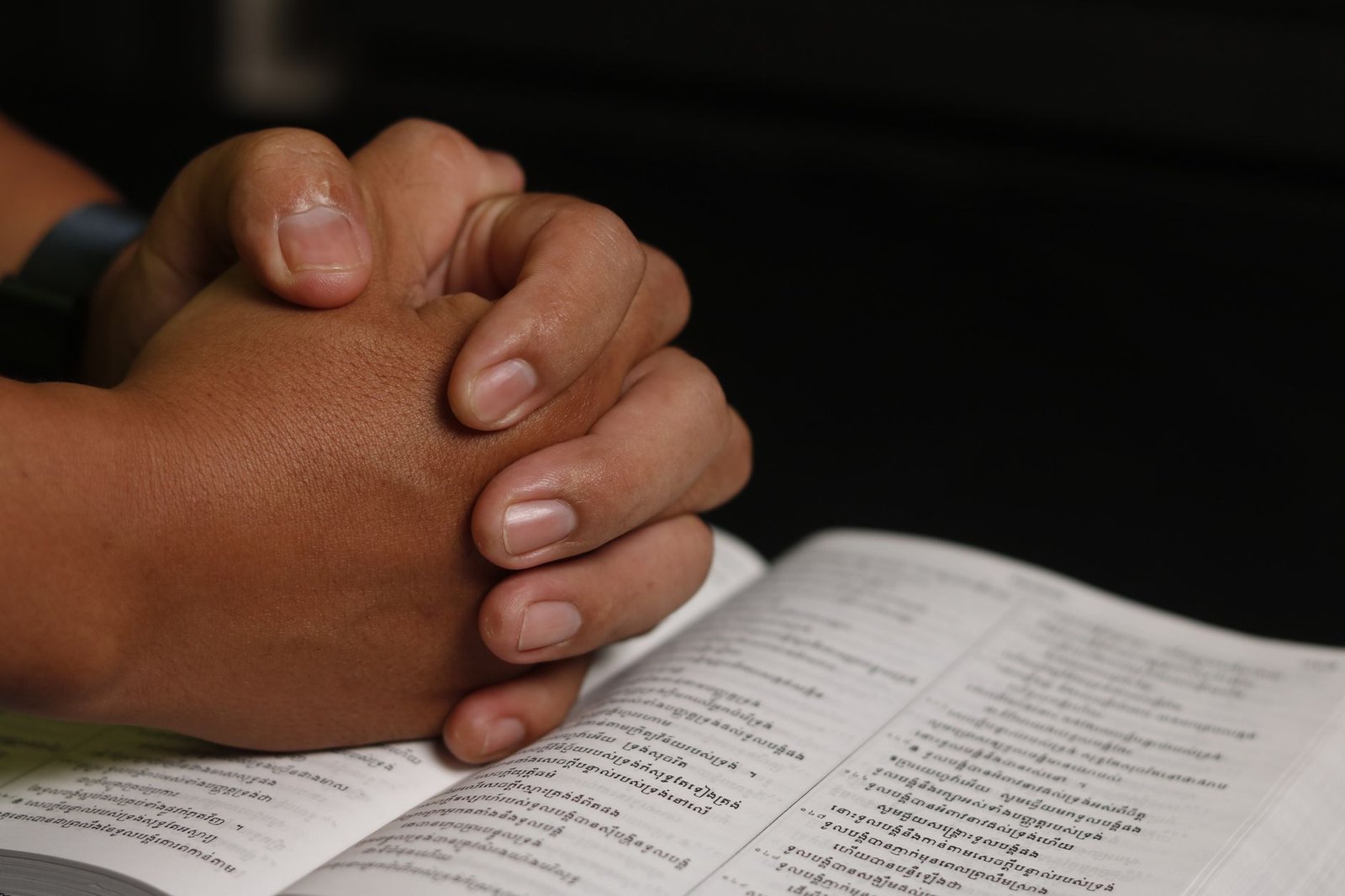

The Importance of Prayer in Troubling Times
Life often brings unexpected challenges that can leave us feeling overwhelmed and isolated. During these difficult times, prayer serves as a vital connection to our Creator. It is an opportunity to express our fears, seek wisdom, and find solace in the presence of God. The act of praying opens our hearts and minds, allowing us to process our emotions and lift our burdens before God.
When we pray, we are not simply reciting words; we are engaging in a deep conversation with the One who knows us intimately. In moments of distress, this connection can remind us that we are not alone and that God is actively working in our circumstances, even when we cannot see it.
Understanding the Nature of God’s Presence
In times of hardship, it is essential to remember that God is always present. His nature is one of compassion and understanding. He invites us to bring our concerns to Him, as seen in the invitation to cast our anxieties on Him because He cares for us. When we approach God in prayer, we can do so with the confidence that He is listening.
Reflecting on the character of God can provide comfort. He is described as our refuge and strength, an ever-present help in trouble. This assurance reminds us that regardless of how daunting our circumstances may seem, God is with us, ready to provide the support we need.
Reflection Point
In moments of struggle, consider how prayer can transform your perspective and draw you closer to God.
Praying with Vulnerability
Vulnerability in prayer can be transformative. It allows us to be honest with God about our feelings, doubts, and fears. When we lay bare our struggles, we invite God into our pain. This openness can lead to healing and a deeper relationship with Him.
Being vulnerable in prayer also means acknowledging our need for help. It is okay to confess our weaknesses and ask God for strength. This acknowledgment can pave the way for God’s grace to flow into our lives.
Finding Peace Through Prayer
In the midst of chaos, prayer can be a source of peace. When we turn to God in prayer, we can experience a sense of calm that transcends our circumstances. This peace is not the absence of problems but rather the presence of God within our turmoil.
The practice of prayer can help us center our thoughts and focus on the truths of God’s Word. Meditating on Scripture while we pray can help us align our hearts with God’s promises, reminding us that we can trust Him, regardless of what we face.

The Role of Community in Prayer
While personal prayer is essential, communal prayer can amplify our strength during difficult times. Engaging with a community of believers allows us to share our burdens and support one another through prayer.
Scripture encourages us to bear one another’s burdens. When we come together in prayer, we can uplift one another and create a network of support. This shared experience can foster deeper connections and help us to feel less isolated during our trials.
Creating a Prayer Routine
Establishing a prayer routine can be beneficial, especially during difficult times. Setting aside specific moments in your day for prayer can help you remain focused and intentional. This routine doesn’t have to be rigid; it can be flexible, allowing you to adapt as your needs change.
Consider incorporating different forms of prayer into your routine, such as thanksgiving, intercession, and confession. Each type of prayer holds unique significance, helping you to connect with God in various ways.
Journaling Your Prayers
Journaling can be a powerful tool for deepening your prayer life. Writing down your prayers allows you to articulate your thoughts and feelings more clearly. It also creates a record of God’s faithfulness over time. As you look back, you may find encouragement in how God has answered your prayers or provided comfort in the past.
Praying God’s Word
Incorporating Scripture into your prayers can enhance your spiritual experience. Praying through the Bible allows you to align your requests with God’s promises and purposes.
For example, if you are feeling anxious, you might pray passages that speak of God’s peace. This practice not only enriches your prayers but also helps you to internalize God’s Word, giving you strength and guidance in times of trouble.

Seeking God’s Guidance
When facing challenging situations, seeking divine guidance through prayer is crucial. It is essential to ask God for wisdom and clarity in decision-making. Prayerful reflection allows us to consider how our choices align with God’s will for our lives.
In these moments, it can be helpful to listen for God’s voice. This involves quieting our hearts and minds, allowing space for the Holy Spirit to speak. God may provide insights through Scripture, a sense of peace, or even through the counsel of trusted friends.
Embracing Hope in Prayer
Prayer is not only about expressing our struggles; it is also about embracing hope. When we pray, we are reminded of God’s faithfulness and the hope we have in Him. This hope can sustain us in our trials and remind us that our circumstances do not define our future.
As we pray, we can hold onto the hope that God is at work, even when we cannot see it. This hopeful perspective can transform our outlook and empower us to persevere through challenges, trusting that God is leading us toward a brighter future.
Moving Forward with a Prayerful Heart
As we navigate difficult times, let us commit to a life of prayer. It is a powerful tool that can bring us closer to God and help us find strength in our struggles. Embracing prayer as a way of life can lead to profound transformation, not only in our circumstances but also in our hearts.
Let your prayer life be a reflection of your relationship with God, filled with honesty, vulnerability, and hope. Remember that in every season, God is with you, ready to listen and respond.
Praying for Others in Times of Need
In addition to seeking prayer for ourselves, it is equally important to pray for others who are facing difficulties. Intercessory prayer allows us to stand in the gap for those we love and even for those we may not know personally. This selfless act of praying for the needs of others can foster a sense of community and compassion.
Key Takeaways
- Prayer connects us with God
- Vulnerability in prayer invites healing
- Faith grows through struggle
- Community prayer strengthens bonds
When we intercede for others, we reflect the heart of Christ, who constantly advocates for us before the Father. In Romans 8:34, we are reminded that “Christ Jesus who died—more than that, who was raised to life—is at the right hand of God and is also interceding for us” – Romans 8:34. By following His example, we tap into the power of collective prayer that can bring about healing, comfort, and provision for those in need.
Consider setting aside time to pray specifically for friends, family, or even global issues that weigh heavily on your heart. You might also create a prayer list to keep track of those needs and the ways God answers them, fostering a sense of connection and accountability.
Prayer as a Means of Spiritual Warfare
During challenging times, it is essential to recognize that we are often engaged in spiritual warfare. Our struggles may not just be physical or emotional; they can also be spiritual in nature. Ephesians 6:12 reminds us that “we do not wrestle against flesh and blood, but against the rulers, against the authorities, against the cosmic powers over this present darkness” – Ephesians 6:12. Understanding this can shape how we approach prayer during difficult seasons.
Prayer becomes a powerful weapon in this spiritual battle. It can help us to resist temptation, seek refuge from the enemy’s attacks, and find strength to stand firm in our faith. Engaging in prayers of protection, deliverance, and strength can fortify our spirits and keep us aligned with God’s will.
Incorporating prayers of spiritual warfare into your routine can be beneficial. For instance, you might pray for discernment to recognize the enemy’s lies or ask for the Holy Spirit’s guidance in resisting negative thoughts. Remember, we are not fighting alone; God equips us with the armor we need to stand strong.
The Transformative Power of Gratitude in Prayer
In difficult times, it can be easy to focus solely on our struggles and losses. However, incorporating gratitude into our prayers can shift our perspective and lift our spirits. Acknowledging the good in our lives, even amidst trials, aligns us with God’s heart and reminds us of His provisions.
1 Thessalonians 5:16-18 encourages us to “Rejoice always, pray continually, give thanks in all circumstances; for this is God’s will for you in Christ Jesus” – 1 Thessalonians 5:16-18. This passage highlights that gratitude is not just an option but a vital part of our spiritual journey.
When we thank God for His past faithfulness, we cultivate a mindset of hope and trust. This practice can be as simple as starting or ending your prayers with a list of things you are thankful for. By focusing on gratitude, we can find joy even in the midst of hardship and strengthen our faith in God’s ongoing goodness.
Finding Peace Through Prayer
In times of turmoil, one of the greatest gifts prayer offers is peace. When we bring our worries and fears before God, we can experience a profound sense of calm that transcends our circumstances. Philippians 4:6-7 reminds us, “Do not be anxious about anything, but in every situation, by prayer and petition, with thanksgiving, present your requests to God. And the peace of God, which transcends all understanding, will guard your hearts and your minds in Christ Jesus” – Philippians 4:6-7. This passage encourages us to exchange our anxiety for God’s peace, which acts as a guard over our hearts and minds.
As we practice bringing our concerns to God, we can find reassurance in His sovereignty and love. This peace does not mean that our problems will disappear, but rather that we can face them with a heart anchored in faith. Embracing this peace requires intentionality, allowing us to remain steadfast even when the winds of life are turbulent.
Community and Prayer Support
During difficult times, the importance of community cannot be overstated. Surrounding ourselves with fellow believers who are committed to prayer can provide immense comfort and strength. Hebrews 10:24-25 encourages us to “consider how we may spur one another on toward love and good deeds, not giving up meeting together, as some are in the habit of doing, but encouraging one another” – Hebrews 10:24-25. Engaging with a community that prays together fosters connection and support, reminding us that we are not alone in our struggles.
Participating in group prayers, whether in person or virtually, can amplify our prayers and help us to bear one another’s burdens. Sharing our challenges and victories in prayer creates a sense of solidarity and mutual encouragement. Consider joining a prayer group or starting one with friends or family, creating a safe space for sharing, praying, and growing together in faith.
The Role of Silence and Listening in Prayer
Often, prayer is viewed as a time for speaking to God, but it is equally important to include silence and listening in our prayer practice. In the stillness, we can tune our hearts to hear God’s voice more clearly. Psalm 46:10 reminds us, “Be still, and know that I am God” – Psalm 46:10. This directive to be still invites us to pause and reflect, allowing God to speak into our lives.
Incorporating moments of silence into your prayer time can help you cultivate a deeper awareness of God’s presence. It can be beneficial to set aside time to listen after presenting your requests or concerns. Whether through meditation, contemplation, or simply sitting in silence, these practices can lead to greater clarity and insight as we seek God’s guidance and comfort.
The Importance of Persistence in Prayer
In facing difficulties, persistence in prayer becomes crucial. Life’s challenges can often feel overwhelming, leading us to question whether our prayers are being heard or if we should continue praying. However, Scripture encourages us to be steadfast in our prayers. Luke 18:1 teaches us that “Jesus told his disciples a parable to show them that they should always pray and not give up” – Luke 18:1. This parable emphasizes the importance of perseverance, illustrating that consistent prayer can lead to breakthroughs and answers in God’s timing.
When we commit to persistent prayer, we are exercising our faith and trust in God’s plans. It’s a reminder that even when we do not see immediate results, God is still at work behind the scenes. Keeping a prayer journal can help track our requests and the patience needed while waiting for God’s response. It can also serve as a testimony of His faithfulness when He answers our prayers.
The Role of Scripture in Prayer
Integrating Scripture into our prayer life can enrich our communication with God and provide us with the foundation we need during challenging times. The Word of God is alive and powerful; it can guide, comfort, and strengthen us. Hebrews 4:12 tells us, “For the word of God is alive and active. Sharper than any double-edged sword, it penetrates even to dividing soul and spirit, joints and marrow; it judges the thoughts and attitudes of the heart” – Hebrews 4:12.
When we pray Scripture, we align our desires with God’s promises. This practice can also help us articulate our thoughts and feelings more clearly. For example, if you are praying for comfort, you might incorporate verses such as Psalm 34:18, which states, “The Lord is close to the brokenhearted and saves those who are crushed in spirit” – Psalm 34:18. This not only reassures us of God’s presence but also deepens our understanding of His character as we pray His Word back to Him.
Prayer as a Means of Surrender
Another vital aspect of prayer during difficult times is the act of surrendering our burdens to God. Often, we may feel the need to control our circumstances, leading to stress and anxiety. However, prayer provides a powerful opportunity to release our worries and trust God with the outcomes. Matthew 11:28-30 invites us to “Come to me, all you who are weary and burdened, and I will give you rest” – Matthew 11:28-30. This invitation emphasizes that we can find solace in surrendering our struggles to Him.
Practicing surrender in prayer can involve explicitly naming the things we are worried about and asking God to take them from us. It may also mean letting go of our expectations of how situations should unfold. By acknowledging our limitations and embracing God’s sovereignty, we can experience a profound sense of peace and freedom. Surrendering in prayer becomes an act of faith, allowing us to trust in God’s goodness and perfect timing.
Frequently Asked Questions
How can I strengthen my prayer life during difficult times?
Strengthening your prayer life can begin with setting aside dedicated time for prayer, being honest about your struggles, and incorporating Scripture into your prayers for guidance and reassurance.
What should I pray for during challenging situations?
Pray for strength, guidance, and peace. Additionally, seek wisdom to navigate your challenges and ask for comfort not only for yourself but also for others facing similar difficulties.
Does God hear my prayers when I'm struggling?
Absolutely. God is always attentive to our prayers, especially in our times of need. He promises to be near to the brokenhearted and to save those who are crushed in spirit.
How can I pray for others who are going through tough times?
You can pray for others by lifting their specific needs to God, asking for their comfort, healing, and strength. Consider also reaching out to them with words of encouragement and support.
Final Thoughts
Praying through difficult times can significantly change our hearts and minds. Remember, you are never alone in your struggles; God is always listening, ready to embrace you with His love and peace.
Further Study