
Key Takeaways
- Prayer is a heartfelt conversation with God
- Silence can be a powerful form of prayer
- Scripture can guide your thoughts in prayer
- Community support enhances your prayer experience
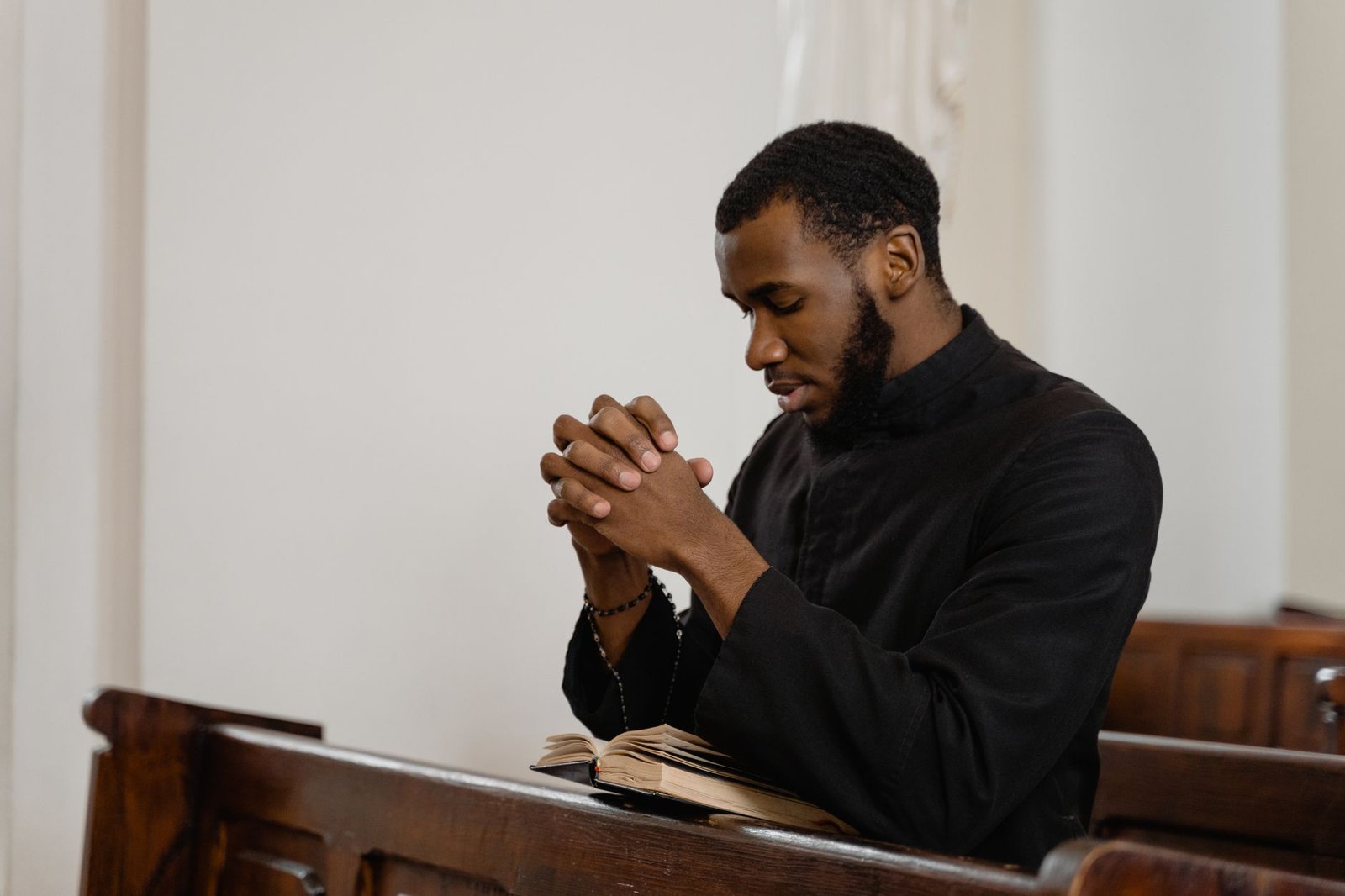
Prayer is one of the most profound ways to connect with the divine, yet many of us find ourselves at a standstill, uncertain of what to say. Whether you’re experiencing a major life change, grappling with grief, or simply feeling overwhelmed by the world around you, it’s common to feel tongue-tied in your spiritual practice. In these moments of uncertainty, the essence of prayer doesn’t have to be lost; instead, it can be an opportunity for profound personal growth. Let’s explore ways to pray when you don’t know where to start, embracing the stillness and allowing it to guide you.
Understanding Prayer: It’s More Than Words
Before diving into practical tips and techniques, it’s essential to understand that prayer is more than a rote recitation of words. It’s an expression of your heart, a conversation with the divine, and a vehicle for introspection. Here’s why many people find it hard to articulate their feelings in prayer:
- Emotional Overwhelm: Mixed emotions can make it hard to find the right words.
- Fear of Judgment: Worrying about how your prayers are perceived can stifle genuine expression.
- Lack of Clarity: In uncertain times, it’s tough to pinpoint exactly what you want or need.
Recognizing these challenges is the first step toward freeing yourself from the pressure of prayer. If you’re feeling this way, remember: it’s okay to be uncertain. It’s an invitation to dive deeper into your relationship with the divine.

Approaches to Prayer When Words Fail
When you find yourself at a loss for words, consider these effective strategies that can help you channel your thoughts and feelings into meaningful prayer.
1. Silent Reflection
Sometimes, the most powerful prayers are those spoken in silence. Taking a few moments to sit quietly can be transformative. Here’s how to do it:
- Find a Quiet Space: Create an environment that fosters calm—find a room, a garden, or a peaceful spot outdoors.
- Breathe Deeply: Calm your mind and body with intentional deep breaths.
- Focus Inward: Allow your thoughts to envelop you without judgment. Sit with your feelings, letting them flow naturally.
2. Use Scripture or Inspirational Texts
If you’re struggling to find your voice, turning to sacred texts can help guide you. Many people find comfort and clarity in passages from the Bible, Quran, or other spiritual literature. Here are a few tips:
- Choose a Passage: Select verses that resonate with your current situation.
- Meditate on the Words: Reflect on the meaning of the text—what it says about your life or challenges.
- Transform Text into Prayer: Use the passage as a foundation for your prayer. For example, if you read Philippians 4:6-7 about seeking peace, you could structure your prayer to ask for peace in your circumstances.
3. Write it Down
Journaling your thoughts and prayers can be a liberating way to express what you’re feeling. Here are some prompts to help you start:
- Feelings Inventory: Write down what emotions you are experiencing—fear, sadness, gratitude, or confusion.
- Gratitude Lists: List a few things you’re grateful for; gratitude can shift your perspective.
- Dialogue with God: Write a letter to God expressing your concerns, hopes, or just the randomness of your thoughts.
4. Incorporate Prayer Prompts
Having a collection of prayer prompts can ease the pressure of coming up with words. Here are some examples:
- “Help me find clarity in this situation.”
- “I am grateful for…”
- “Please guide me…”
- “I’m really struggling with…”
These prompts can serve as anchors, helping you navigate your uncertainty while inviting the divine presence into your life.
5. Community Prayer
Don’t hesitate to seek the support of others. Joining a prayer group or finding a trusted friend to pray with can ease the burden of solitary prayer. Community can provide strength and insight. Here’s what you can do:
- Attend Services: If comfortable, participate in local services that offer communal prayers.
- Join Online Groups: There are numerous online prayer communities where people share requests and pray together.
Reflection Point
Embrace the stillness in your heart; it can reveal deeper insights and connections with God.
Frequently Asked Questions
What should I do when I can’t find the words to pray?
When words escape you, consider silent reflection or journaling to express your feelings. Remember, God hears your heart even when you are silent.
How can Scripture help in my prayer life?
Scripture can serve as a foundation for your prayers, providing inspiration and guidance. Meditating on verses can help articulate your thoughts and emotions.
Is it okay to pray without knowing what to say?
Absolutely! Prayer is about connection, not perfection. God welcomes your honest heart, even in silence or uncertainty.
How can I find a prayer community?
Look for local churches, or explore online prayer groups. Connecting with others can provide support and encouragement in your prayer journey.
Conclusion: Embracing the Journey
Prayer is not about perfection; it’s about connection. When you feel lost and don’t know what to pray, remember that it’s okay to embrace the silence. Through reflection, scripture, writing, and community, you can discover many pathways to express your heart’s desires.
Ultimately, prayer is a journey—a way to engage with something greater than yourself, to seek understanding, solace, and love. Whether you find yourself in silence or filled with words, know that your heart is always heard. Allow yourself the grace to explore this spiritual landscape, and you may find that in the silence lies a profound connection that speaks volumes.

Further Reading
PRAYER TO KNOW GOD
PRAYER FOR THE JOY OF COMPANIONSHIP
BIBLE VERSES ABOUT GODS PROTECTION
How the Bible Teaches Us to Pray Without Ceasing
BIBLE VERSES ABOUT STAYING STRONG IN RELATIONSHIPS
PRAYER FOR LONELINESS IN MY MARRIAGE
10 Inspiring Prayers for Joy
Further Study