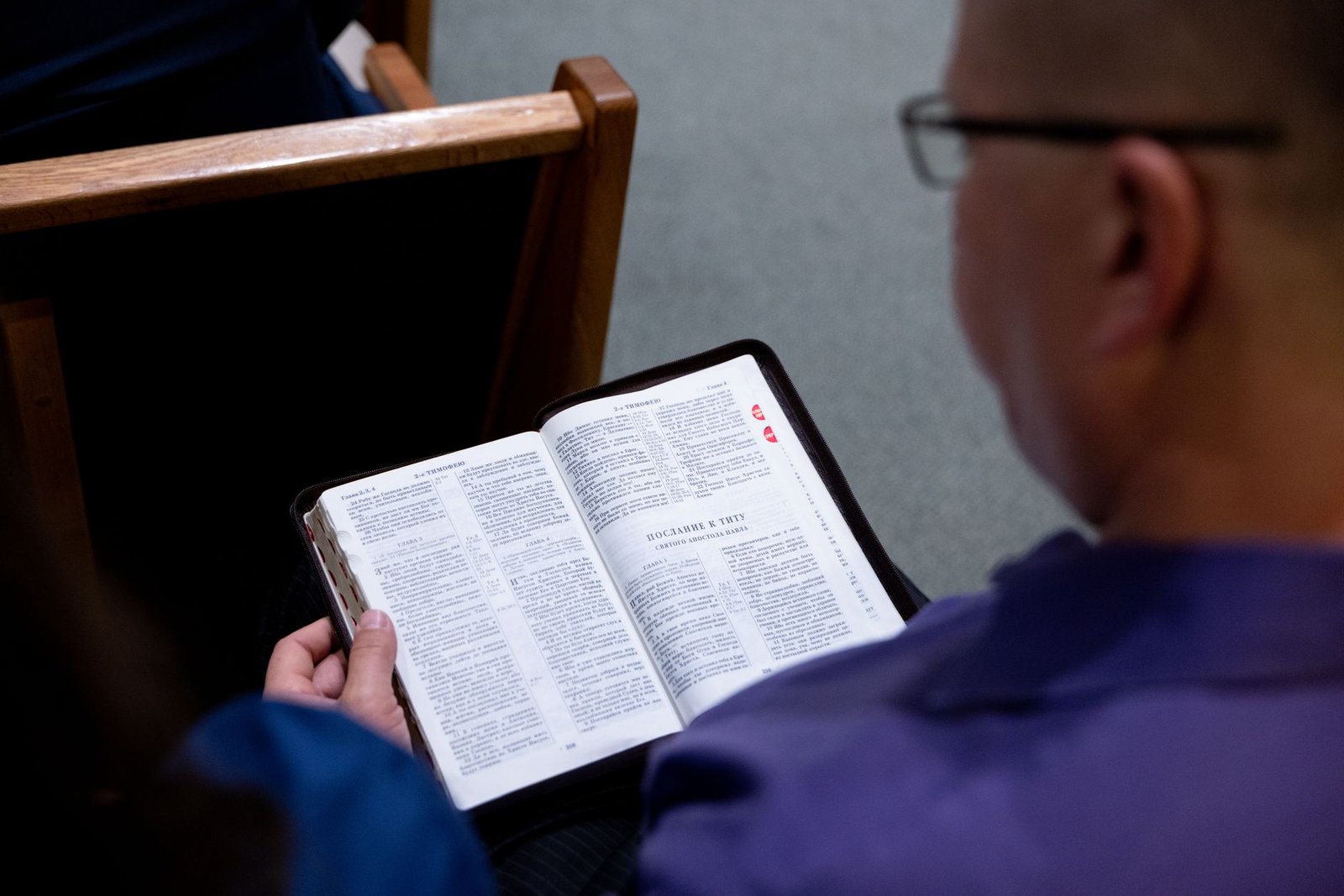

In a world marked by the complexities of substance use and mental health challenges, the power of prayer remains a poignant source of hope and healing. If you have a loved one struggling with drug addiction or dependency on medication, you might feel a heavy burden on your heart. These situations can leave us feeling helpless, overwhelmed, and uncertain of how to support those we care about. In times like these, turning to prayer can not only provide solace but also pave the way for healing and restoration.
In this blog post, we will explore the importance of prayer for loved ones in these trying situations, share some heartfelt prayers you can use, and offer practical ways to support your loved ones through their journey toward recovery.
The Healing Power of Prayer
1. Understanding the Impact of Addiction
Before diving into prayer, it’s essential to acknowledge the significant impact of drugs and medication on individuals and families:
- Emotional Distress: Addiction can create profound emotional turmoil for both the individual and their loved ones. Feelings of guilt, shame, and anger can be overwhelming.
- Physical Health Issues: Substance use can lead to various health problems, making recovery a multifaceted journey.
- Relational Strain: Trust breakdowns and communication barriers often emerge, creating distance between family members.
Recognizing these challenges can help frame your prayers and intentions, making them more meaningful.
2. Finding Comfort through Prayer
Praying for a loved one struggling with substance use is a way to channel your love, concern, and hope for their healing. Here are some key reasons why prayer can be impactful:
- Spiritual Connection: Prayer fosters a connection with a higher power, which can lead to a sense of peace amidst chaos.
- Building Resilience: Regularly praying for your loved one can strengthen your resolve to support them and remind you that you are not alone in this journey.
- Creating a Supportive Environment: Acknowledging your feelings and concerns through prayer can help create a nurturing atmosphere that encourages openness and healing.
Example Prayers for Healing and Strength
Prayers can take many forms, depending on your spiritual beliefs and practices. Below are some prayers specifically tailored to support loved ones on their journey through addiction:
1. A Prayer for Healing
“Dear God, I humbly come before You, seeking Your grace for [Loved One’s Name]. I ask You to wrap them in Your healing light, helping them to overcome the challenges they face. Please grant them the strength to resist temptation and the wisdom to seek help. Surround them with love and support, and guide them toward recovery. Amen.”
2. A Prayer for Strength
“Holy Spirit, I lift up [Loved One’s Name] to You. Grant them the strength they need to navigate their struggles. May they find courage in the darkest moments and clarity in their path toward healing. Let them feel Your presence with them, reminding them that they are not alone. Amen.”
3. A Prayer for Restoration
“Lord, I pray for the restoration of [Loved One’s Name]’s life. Restore not only their health but also their relationships and dreams. Help them to find hope and purpose in their journey toward recovery. May they feel Your love surrounding them always. Amen.”
Practical Tips to Support Your Loved Ones
In addition to prayer, your support can play a significant role in your loved one’s recovery. Here are some practical ways to offer assistance:
1. Be Present and Listen
Sometimes, all your loved one needs is someone to listen. Create a safe space for them to share their feelings without judgment.
2. Encourage Professional Help
Gently encourage them to seek professional help, whether through therapy, counseling, or support groups.
3. Educate Yourself
Reading up on addiction and recovery can significantly enhance your understanding and help you offer informed support. Books, articles, and reputable websites can be great resources.
4. Pray Together
Invite your loved one to pray with you. This shared experience can foster a deeper spiritual connection and sense of community in their recovery journey.
5. Set Boundaries
While it’s essential to support your loved one, it’s equally important to maintain your own emotional health. Set boundaries to protect yourself and ensure that your support remains constructive.
Conclusion: Embracing Hope through Prayer
In challenging times, prayer serves as a powerful tool that can bring comfort both to you and your loved one. While the journey of recovery from drugs or medication can be long and arduous, rest assured that love and prayer can be catalysts for change. Stay anchored in hope, embrace the power of prayer, and remain a steadfast source of love and support for those you cherish.
As you continue to pray for your loved ones, remember that healing is possible, and brighter days can lie ahead. Your unwavering faith and support may be just what they need to find their way back to themselves.