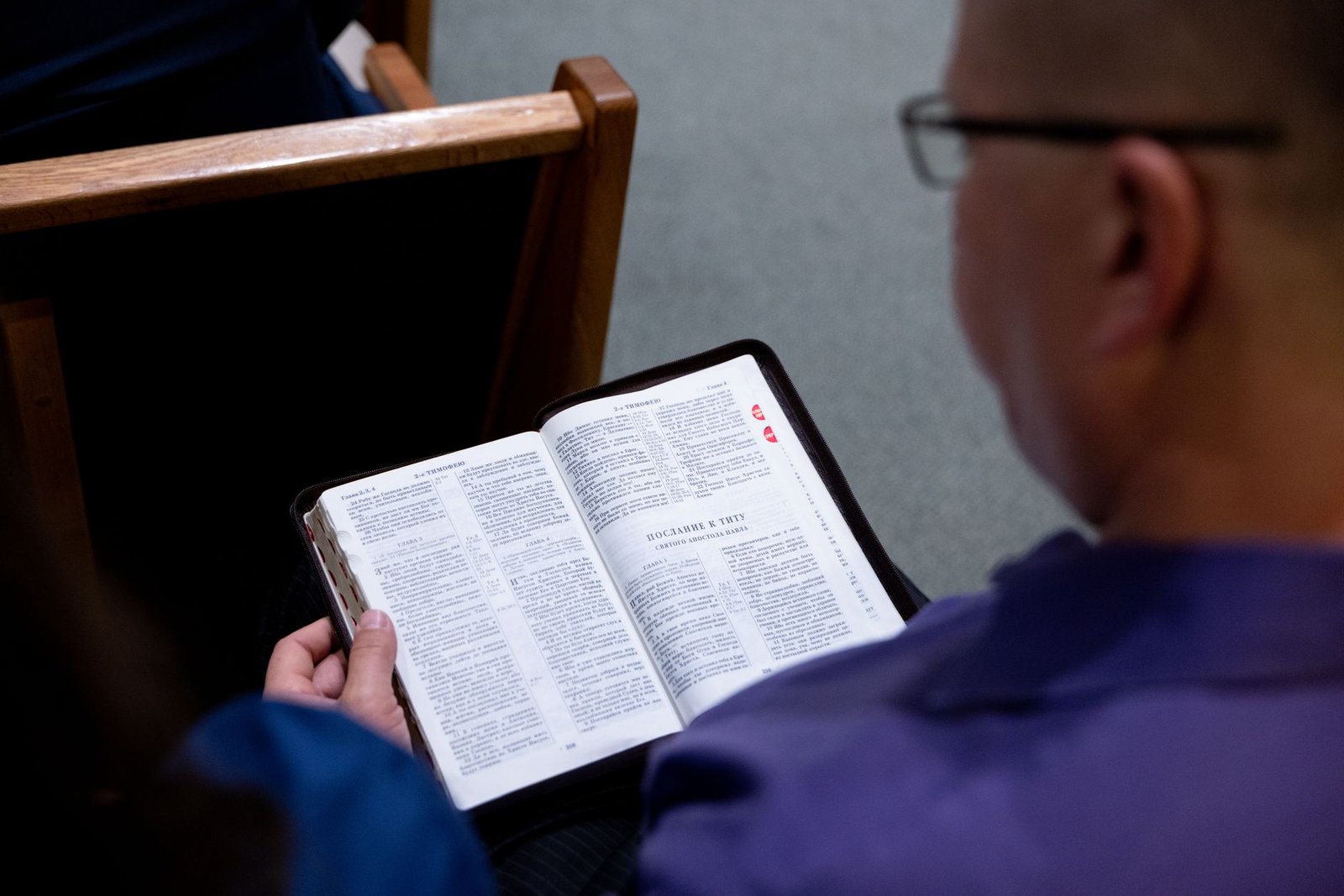

Entering a hospital can be an overwhelming experience for many. Whether you’re the patient or a loved one, the environment is often tinged with anxiety, fear, and uncertainty about what lies ahead. It is during these moments that a prayer can serve as a powerful source of comfort and hope. This blog explores the meaning behind a hospital patient’s prayer, its significance, and how it can provide solace in challenging times.
Understanding the Power of Prayer
Prayer, regardless of religious belief, has been shown to have therapeutic effects on both mental and emotional well-being. It can:
- Reduce Stress: A sense of connection to something greater can alleviate feelings of anxiety.
- Offer Comfort: Prayer can create a sense of peace and reassurance in vulnerable situations.
- Encourage Positive Outlook: Focusing thoughts on hope and healing can shift one’s mindset towards recovery.
For many, a prayer isn’t just a religious ritual; it’s a heartfelt expression communicating fears, hopes, and gratitude. In the context of a hospital, a patient’s prayer can encapsulate their wishes for healing and strength during a critical time.
Crafting Your Hospital Prayer
When you think of a prayer to recite before or during your hospital stay, consider including elements that resonate personally. Here is a simple structure to help you craft a meaningful prayer:
1. Acknowledge Your Situation
Recognizing where you are is important. Acknowledge your fears and the reason for your hospital visit.
Example: “In this moment of uncertainty, I recognize the weight of my circumstances…”
2. Express Gratitude
Wherever possible, express gratitude for the support you have, be it family, friends, or the medical staff attending to your needs.
Example: “Thank you for the love of my family and the dedication of the healthcare professionals…”
3. Ask for Strength and Healing
Be specific about the strength you wish to find and ask for healing—not only for yourself but also for others in similar situations.
Example: “Grant me the strength to face my challenges and heal my body…”
4. Conclude with Hope
End with a note of hope, reinforcing your faith in recovery and better days ahead.
Example: “May I emerge from this experience renewed in spirit and vigor…”
Example of a Hospital Patient’s Prayer
Here’s a simple example of a prayer that embodies the structure above:
“Dear God, in this moment of uncertainty, I recognize the weight of my circumstance. Thank you for the love of my family and the dedication of my healthcare team. Grant me the strength to face these challenges and heal my body, and may those around me also find comfort and healing. I trust in the journey ahead and hope for brighter days to come. Amen.”
The Role of Support Systems
Prayer can be enhanced when shared with a community. Friends, family, and spiritual leaders can join in unity to support the patient:
- Group Prayers: Organize a gathering where family and friends can collectively offer prayers.
- Online Communities: Utilize social media or faith-based forums to solicit prayers from a larger audience.
- Hospital Chaplaincy Services: Many hospitals have chaplains who can provide spiritual support and prayer.
Conclusion: Embracing Hope Together
The experience of being a hospital patient brings inherent challenges, but through a heartfelt prayer, patients can carve out moments of tranquility amid the chaos. Each prayer is a testament to resilience and hope, a reminder that, even in hardship, one is never truly alone.
Choosing to embrace prayer is not solely about seeking divine intervention; it’s a means of connecting—both with oneself and with a community. Whether you are the patient or a supporter, participating in this sacred practice can foster strength and unity as you navigate the path toward healing.
In moments of despair, may your words soar high, bringing comfort, hope, and ultimately, healing.