In many parts of the world, school board meetings play a crucial role in shaping education policies, enhancing student welfare, and building a strong community. For Christian schools, these gatherings often include prayer, a tradition that reflects the schools’ foundational beliefs and values. It’s more than just a formality; it’s a significant act that fosters a sense of belonging and spiritual connection among board members, educators, and parents alike. In this blog post, we will explore the importance of prayer at Christian school board meetings, the impact it has on decision-making processes, and how it strengthens the community as a whole.
The Role of Prayer in Christian Education
Christian education is rooted in biblical principles, and prayer serves a fundamental role in maintaining this spiritual foundation. Here’s why it matters:
1. Spiritual Guidance
Including prayer in school board meetings serves as a way to seek divine guidance in decision-making processes. It allows board members to reflect on their responsibilities and consider how their choices align with their faith.
2. Reinforcement of Values
Prayer reaffirms the values that underpin Christian education. It sets the tone for the meeting, reminding participants that their work aims to promote integrity, compassion, and excellence among students.
3. Community Building
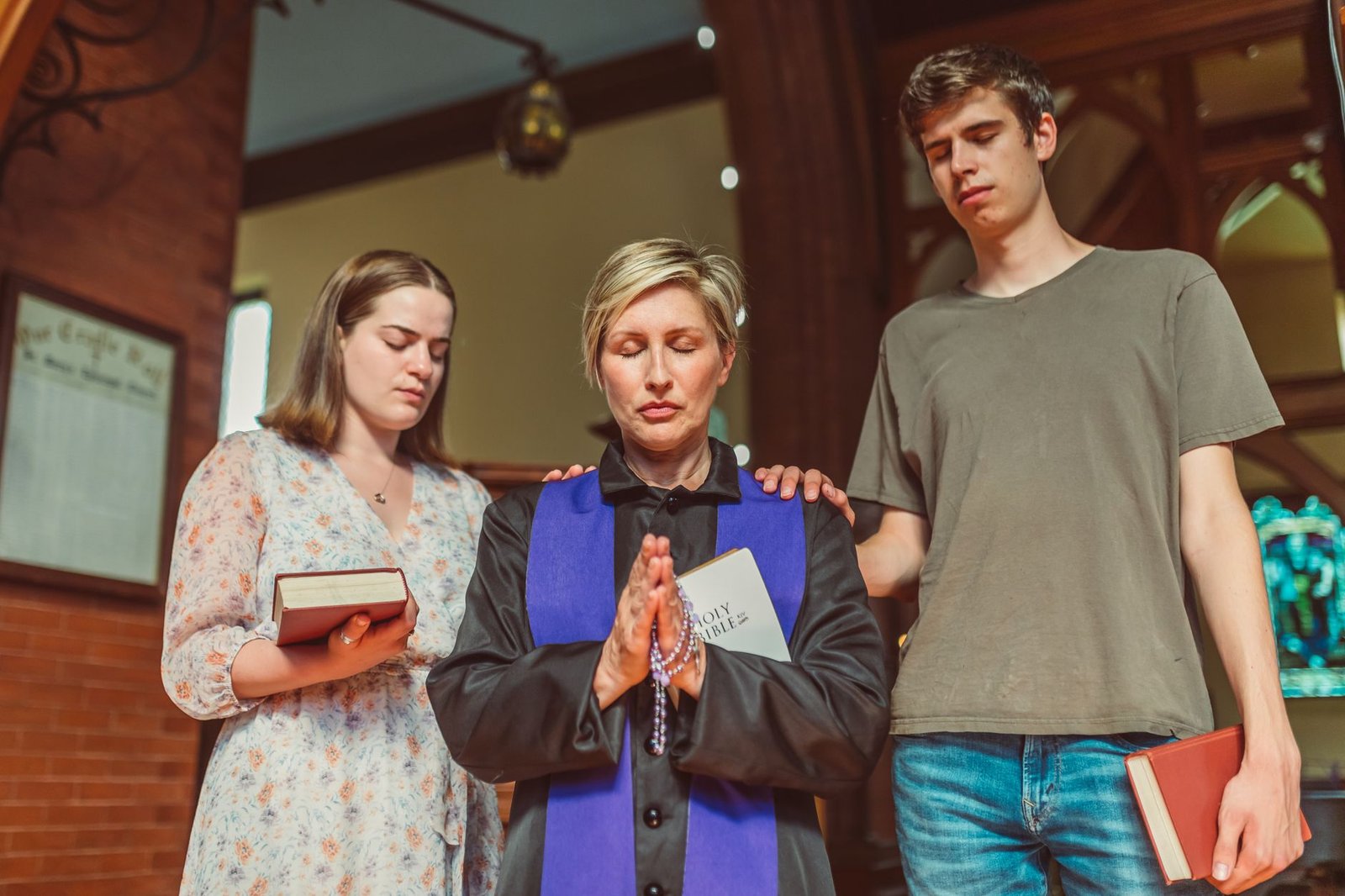
When board members come together in prayer, they forge deeper connections with one another. This shared spiritual practice can transform the dynamics within the board, leading to more collaborative and supportive environments.
Structuring the Prayer: A Considerate Approach
When it comes to prayer at school board meetings, structure can enhance its effectiveness. Here are some components that can be incorporated into the prayer:
Related Posts:


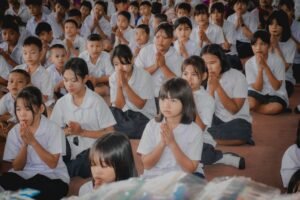

- Praise: Begin with expressions of gratitude for education and community.
- Guidance: Ask for wisdom in decision-making, particularly for items on the agenda.
- Unity: Pray for harmony among board members, ensuring everyone feels heard and respected.
- Impact: Emphasize the significance of the decisions being made and their potential impact on students, staff, and families.
The Benefits Beyond the Meeting
The practice of prayer during school board meetings extends its benefits beyond the meeting room. Here’s how:
Enhanced Decision-Making
Incorporating prayer encourages thoughtful deliberations. By seeking spiritual insight, board members are more likely to consider various perspectives, leading to more comprehensive and inclusive decisions.
Strengthened Relationships
When board members pray together, they cultivate trust and understanding. This enhanced camaraderie can lead to better collaboration on projects and initiatives benefiting the school community.
Increased Community Engagement
Parents and community members may feel more connected when they know their school board meetings begin with prayer. This encourages greater participation and investment in the school’s mission, resulting in a stronger, more united school community.
Addressing Controversies and Concerns
While prayer at school board meetings can be a source of unity and strength, it can also be a point of contention. It’s essential for school boards to navigate these challenges thoughtfully.
Respecting Diverse Beliefs
- Inclusivity: It’s critical to acknowledge and respect the diverse beliefs of all stakeholders. Boards can consider incorporating a moment of silence, allowing individuals to pray in their own ways.
- Open Dialogue: Encourage community discussions around the role of prayer to ensure that all voices are heard and respected.
Legal Considerations
Some areas may have legal stipulations regarding prayer in public meetings. School boards should familiarize themselves with local laws to ensure their practices align with guidelines while still honoring their Christian foundations.
Conclusion: Prayer as a Pillar of Strength
Incorporating prayer into Christian school board meetings is a rich tradition that aligns closely with the mission of nurturing faith and community. It provides spiritual guidance, promotes shared values, and fosters a sense of unity among board members. By embracing this practice thoughtfully and inclusively, school boards can cultivate a welcoming environment that respects diverse beliefs while reinforcing their core Christian principles.
As educational leaders gather to make decisions that impact students’ lives, let us remember the power of prayer—not just as a routine, but as a meaningful engagement that can lead to profound and positive change within our schools and communities. By giving voice to shared aspirations through prayer, we actively participate in cultivating a brighter future for our students and the larger community they are a part of.