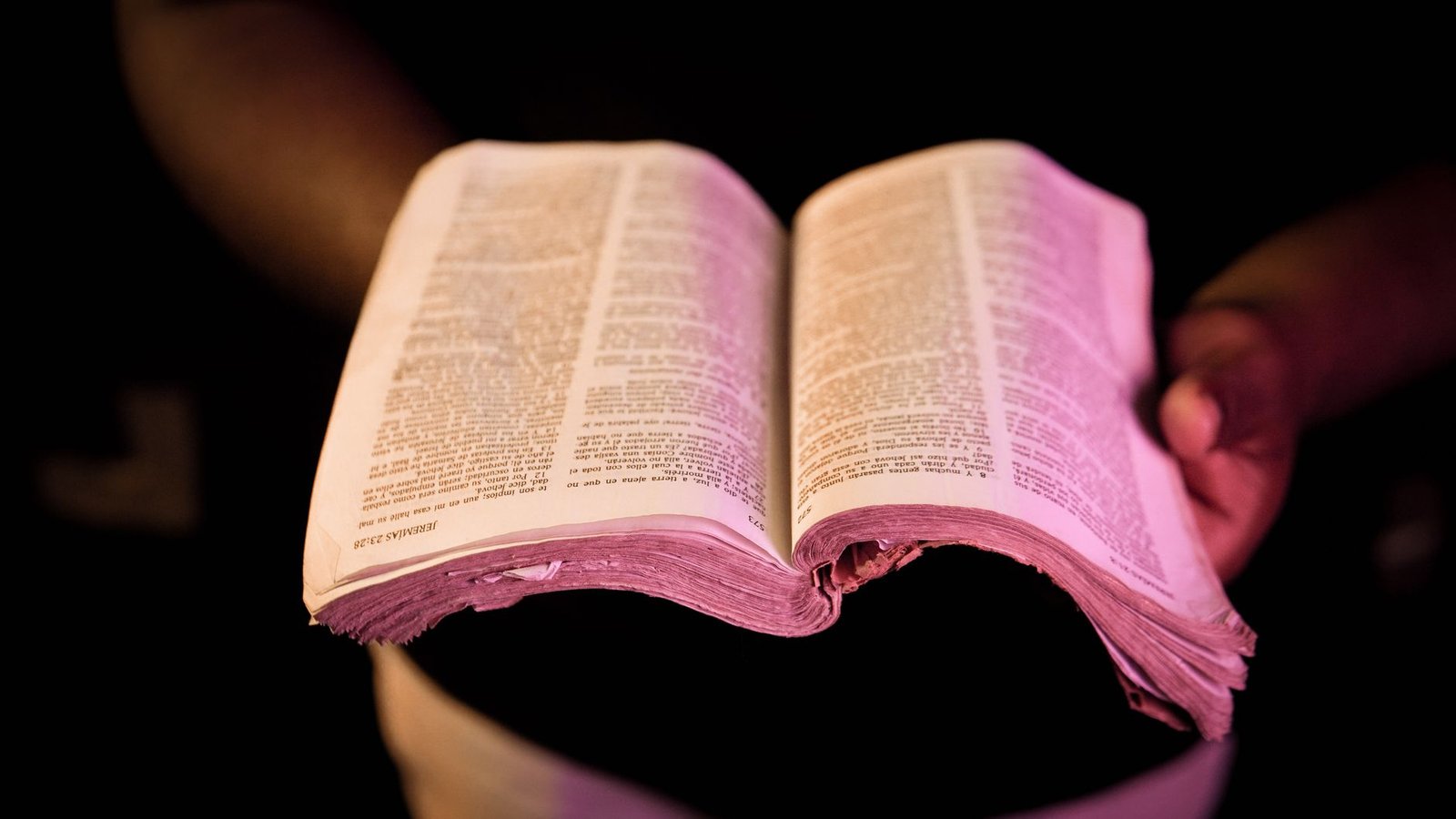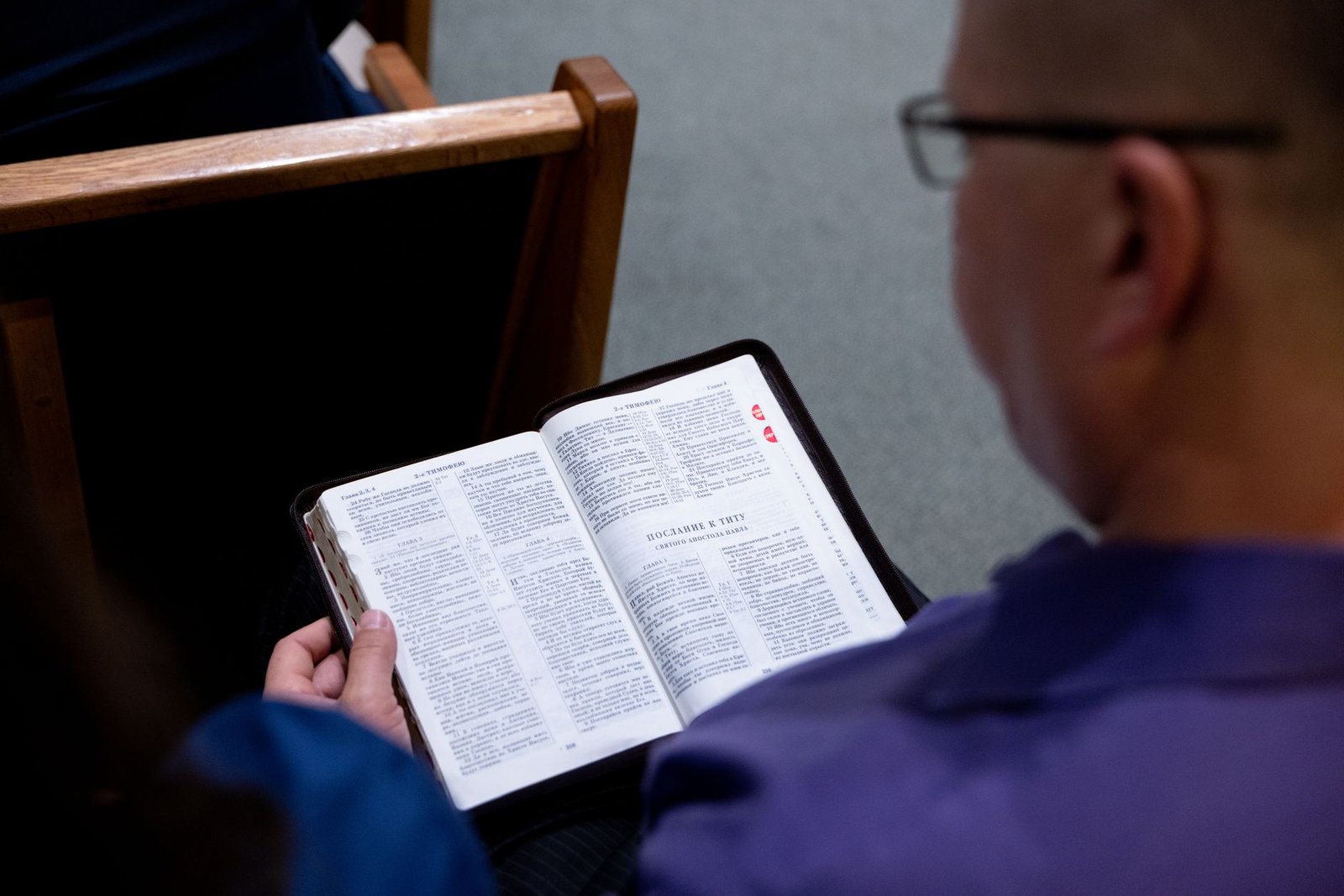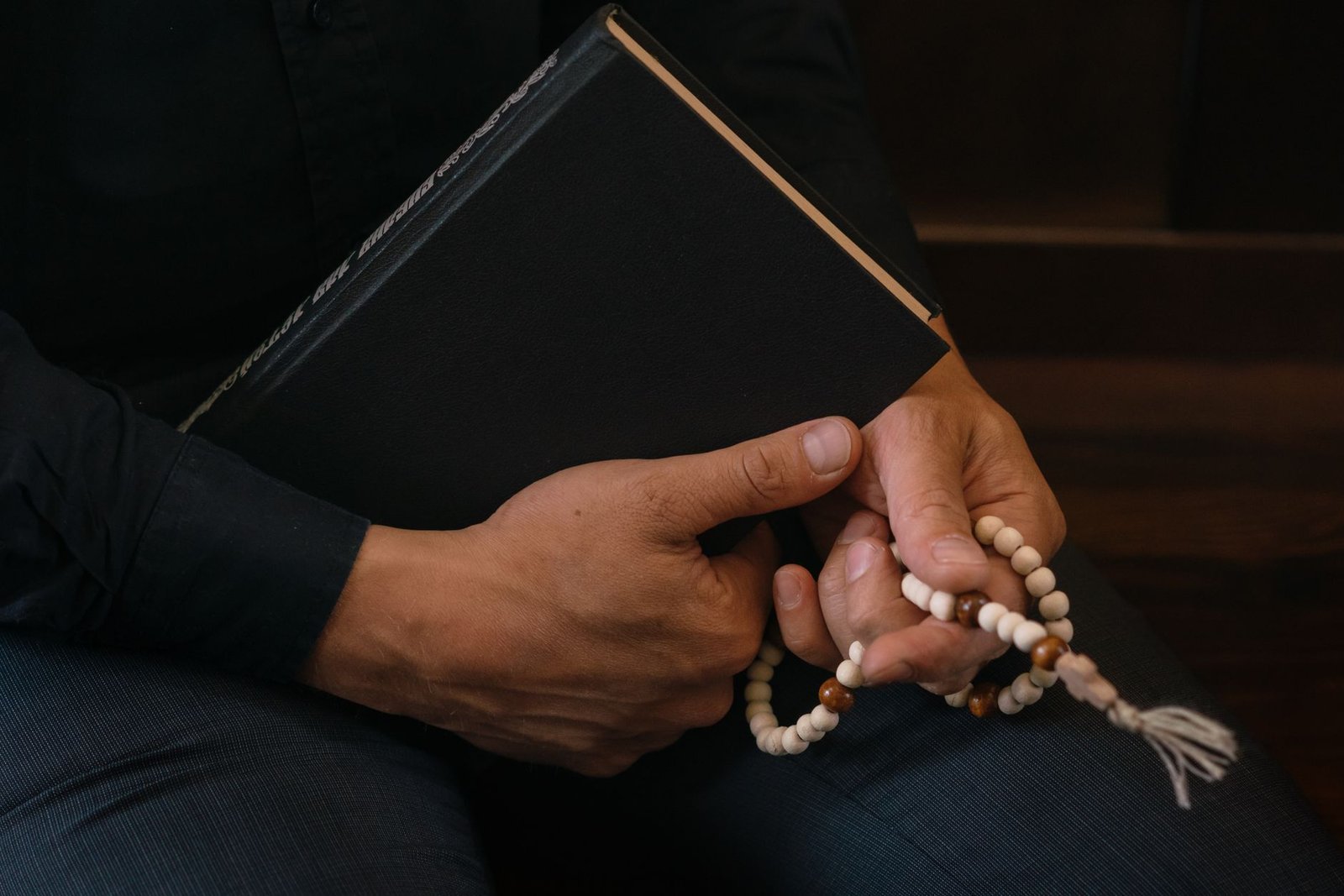

In times of distress, confusion, and trial, prayer stands as a beacon of hope for many. Whether we are faced with personal challenges, supporting others through hardships, or witnessing broader societal struggles, the act of praying can provide immense comfort and clarity. In this blog post, we will explore various types of prayers for those in need, their significance, and how they can foster a sense of community and well-being.
The Power of Prayer: Why We Pray for Others
Prayer, in its essence, serves multiple purposes. It is a vehicle through which we can express our deepest concerns, hopes, and desires for others. When we pray for those in need, we are not only drawing on our faith but also engaging our compassion. Here’s why prayer matters:
- Connection: Prayer fosters a connection to a higher power, encouraging us to lean on faith during trying times.
- Empathy: It allows us to step into someone else’s shoes, acknowledging their pain and suffering.
- Support: Through our prayers, we offer emotional and spiritual support, which can profoundly impact someone’s outlook.
Types of Prayers for Those in Need
Understanding that different situations call for different types of prayers is key to tailoring one’s approach appropriately. Here are a few examples:
1. Prayers for Healing
When someone is facing illness—be it physical, mental, or emotional—a prayer for healing can uplift their spirits. A simple yet heartfelt prayer can include:
“Dear God, please lay Your healing hands upon [Name]. Give them strength and peace during their recovery.”
2. Prayers for Comfort
In times of sorrow or loss, prayers for comfort remind us that we are never alone in our struggles. An example could be:
Related Posts:




“Heavenly Father, provide [Name] with the comfort they need during this difficult time. Surround them with love and support.”
3. Prayers for Guidance
Life can often lead to uncertainty. Prayers for guidance help individuals navigate their challenges, as shown in this example:
“Lord, illuminate the path for [Name]. Grant them wisdom as they face this difficult decision.”
4. Prayers for Strength
When faced with overwhelming adversity, individuals often need strength to endure. A prayer might reflect:
“Dear Lord, grant [Name] the strength to face their challenges bravely and with resilience.”
How to Incorporate Prayers into Daily Life
Incorporating prayer into everyday routines can help cultivate a more mindful and compassionate existence. Here are ways to make prayer a regular part of your life:
- Daily Intention Setting: Start or end your day by focusing on individuals you want to pray for.
- Prayer Chains: Get your community involved! Organizing prayer chains can amplify the power of collective prayer.
- Journaling: Keep a prayer journal to document your prayers and the outcomes, fostering a deeper sense of connection and reflection.
- Meditation and Mindfulness: Combine prayer with meditation, allowing for a calm and focused approach to expressing your hopes and desires.
Creating a Supportive Community Through Prayer
Beyond individual actions, prayer can forge strong communal bonds. Engaging in group prayers—whether in person or online—can deepen connections and create a supportive environment. Consider:
- Group Prayer Meetings: Dedicate time each week for communal prayers, perhaps in a local community center or place of worship.
- Online Prayer Groups: Utilize social media to create online groups where individuals can share their needs and receive collective prayers.
- Prayer Apps: Digital applications exist to connect like-minded individuals praying for similar causes or personal challenges.
Conclusion: The Transformative Power of Prayer
In our journey through life, trials and challenges are inevitable. However, prayer remains a powerful tool that connects us to our faith, nurtures our empathy, and fortifies our community bonds. By praying for those in need, we can extend our compassion beyond ourselves, offering hope, healing, and support.
Whether one is using personal or communal approaches to prayer, the connection to something greater than ourselves can lead to profound transformations in both the giver and the receiver. So, the next time you find someone in need—whether it’s a friend, family member, or even a stranger—take a moment to offer a heartfelt prayer. In doing so, you may just become a source of light in someone’s darkest hour.