Key Takeaways
- Surrendering brings peace and acceptance.
- Emotional resilience grows through letting go.
- Mindfulness enhances present moment awareness.
- Surrender fosters spiritual growth and connection.
In a world that often feels chaotic and overwhelming, the notion of surrendering our lives—our anxieties, ambitions, and struggles—to a higher power or greater purpose can seem both daunting and liberating. The essence of surrender lies not in giving up, but in embracing a profound peace that arises from trust, acceptance, and letting go. This blog post delves into the serenity that comes with a life surrendered, exploring how it can transform your mental, emotional, and spiritual well-being.
Understanding Surrender
What Does It Mean to Surrender?
Surrendering can carry different meanings for different people. At its core, it involves releasing control and trusting that things will unfold as they are meant to. This can be a deeply spiritual act or simply a shift in mindset.
- Spiritual Surrender: Letting go of the need to control outcomes, relying instead on faith and a higher power.
- Emotional Surrender: Acknowledging feelings and vulnerabilities without resistance, allowing oneself to heal.
- Practical Surrender: Accepting and embracing situations as they come rather than fighting against them.
The Contrast Between Control and Surrender
In an era where people pride themselves on being in control, the act of surrender can feel counterintuitive. Here’s how control and surrender differ:
| Control | Surrender |
|---|---|
| Creates anxiety and fear of the unknown | Fosters peace and acceptance |
| Is often rooted in ego | Is grounded in humility and trust |
| Leads to stress and burnout | Encourages relaxation and balance |
The Benefits of a Surrendered Life
Enhanced Mental Clarity
When you surrender the incessant need to control every aspect of your life, your mind can finally find stillness. Reduced mental chatter allows for clearer thought processes, enabling you to make more thoughtful decisions. Consider the following benefits:
- Improved focus: Less distraction from worries leads to better concentration.
- Creativity: A relaxed mind can think outside the box. Surrender can inspire new ideas and solutions.
- Reduced stress: With fewer mental burdens, you foster a calmer state of mind.
Emotional Resilience
Surrendering fosters emotional resilience, the ability to bounce back from challenging situations. Here’s how:
- Letting go of fear: You learn to handle difficulties without losing your sense of self.
- Healthy expression of emotions: By not resisting feelings, you develop a better understanding of your emotional landscape.
- Cultivating compassion: Acceptance of your own flaws makes you more empathetic towards others.
Spiritual Growth
A surrendered life often leads to profound spiritual insights. By letting go, you create space for growth and understanding:
- Connection to a higher purpose: You may discover or strengthen your relationship with a higher power, fostering a sense of belonging.
- Sense of purpose: Surrendering opens pathways to experiencing gratitude and living authentically.
- Mindfulness: Surrendering promotes living in the present moment, enhancing your appreciation for life’s simple joys.
Reflection Point
Take a moment to breathe deeply and reflect on what you can surrender today. Trust that God is guiding you.

Practical Steps to Embrace Surrender
Surrender is a practice, not a one-time event. Here are some actionable steps to help integrate surrender into your daily life:
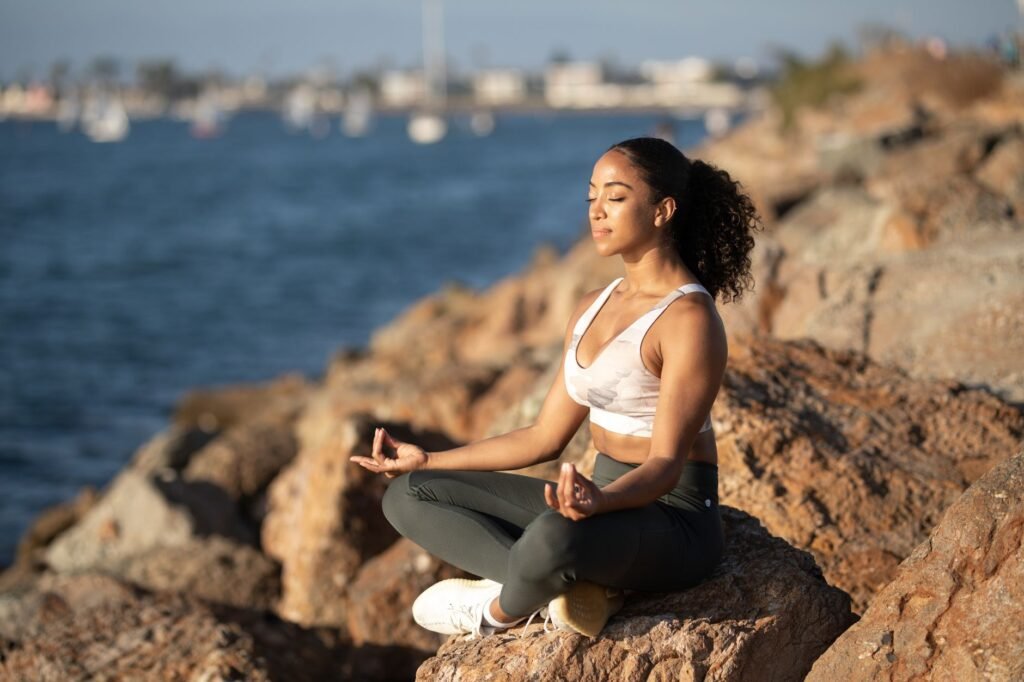
- Practice Mindfulness: Engage in mindfulness meditation to cultivate present moment awareness. Apps like Headspace or Calm can guide you through the process.
- Set Intentions Rather Than Goals: Instead of rigidly pursuing goals, set intentions that allow for flexibility and responsiveness to change.
- Create a Surrender Journal: Document your experiences and feelings related to surrender. Reflect on situations you find difficult to let go of and examine your attachments.
- Breathe It Out: Pay attention to your breath; deep breathing can aid in releasing tension and promoting relaxation.
- Seek Support: Join communities or seek guidance from spiritual leaders, mentors, or counselors who can offer insights on surrendering.
Frequently Asked Questions
What does it mean to surrender in a spiritual context?
In a spiritual context, surrender means letting go of control and trusting in God's plan. Proverbs 3:5-6 encourages us to trust in the Lord with all our heart.
How can surrender improve my emotional well-being?
Surrender allows you to acknowledge and process your emotions, leading to healing and resilience. Philippians 4:6-7 reminds us to cast our anxieties on God for peace.
What practical steps can I take to practice surrender?
You can practice surrender through mindfulness, setting flexible intentions, and journaling your thoughts. Psalm 46:10 invites us to be still and know that He is God.
Is surrender a sign of weakness?
No, surrender is a courageous act of faith and trust in God's goodness. 2 Corinthians 12:9 shows that God’s power is made perfect in weakness.
Conclusion
The serenity of a life surrendered to you is a journey filled with self-discovery, peace, and authenticity. It’s about releasing the need for control, trusting in the process, and allowing life to unfold in its own unique way. Embracing surrender isn’t a sign of weakness; rather, it reflects profound courage and wisdom. As you navigate this path, remember that you are not alone. Each step, no matter how small, leads you closer to the tranquility and fulfillment that comes from a life truly surrendered. Begin today, and open yourself to the beautiful possibilities that await.