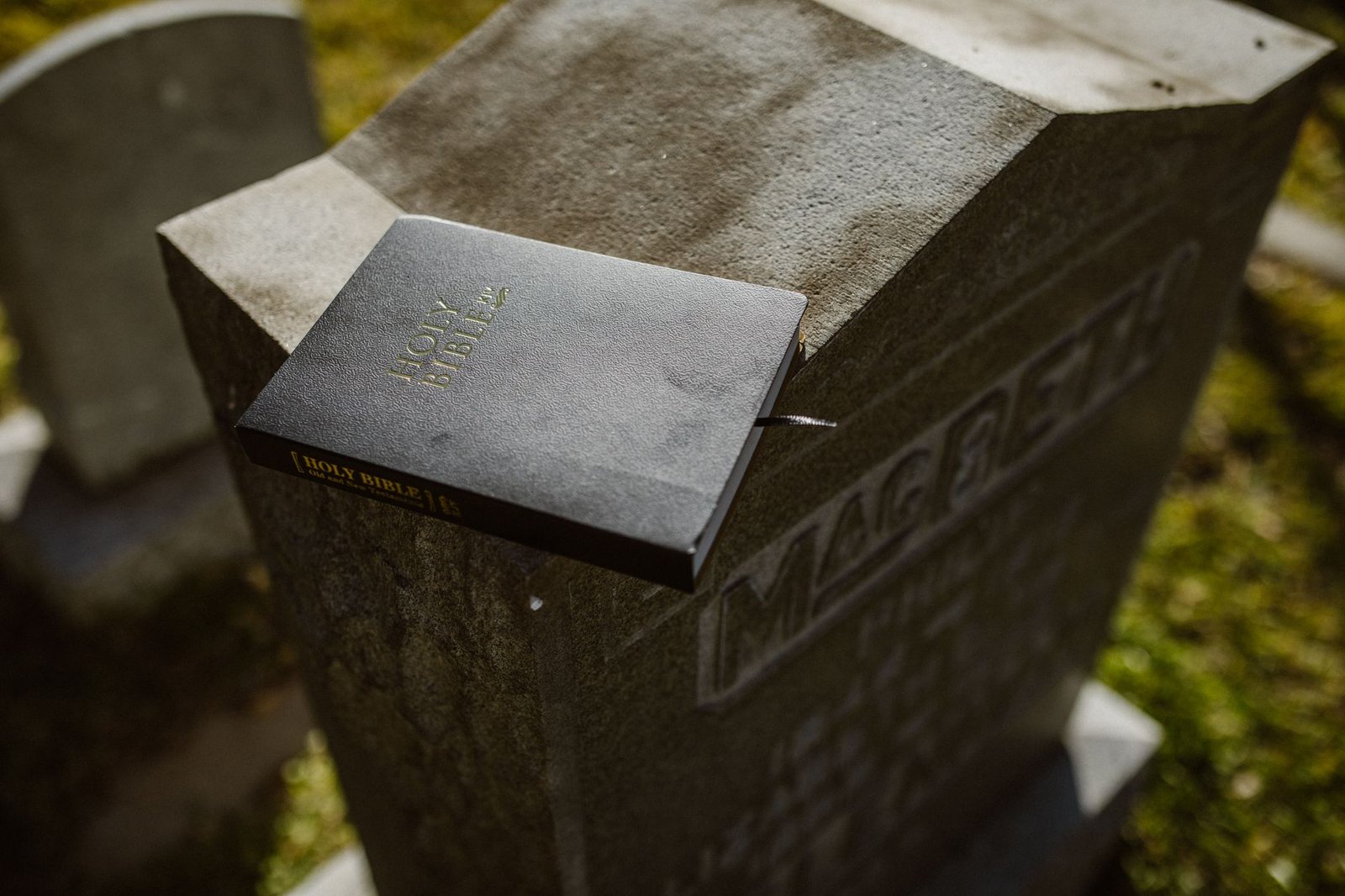
Key Takeaways
- The valley symbolizes life's trials
- Faith provides courage in fear
- We are not alone in our struggles
- Healing often comes through community
The phrase “The Valley of the Shadow of Death” is undoubtedly one of the most powerful and evocative lines found in literature and spiritual texts. Often associated with the biblical Psalm 23, it speaks to the depths of human fear, despair, and the quest for solace. But what does this phrase truly represent, and how can we apply its lessons to our lives today? In this blog post, we will explore the origins, interpretations, and personal meanings of this profound phrase, revealing its significance and relevance in the modern world.
The Origin of the Phrase
Psalm 23: A Brief Overview
The phrase originates from the widely cherished Psalm 23, traditionally attributed to King David. This psalm is famously recited in both religious ceremonies and moments of personal reflection. Here’s how the key verse reads in the King James Version:
“Yea, though I walk through the valley of the shadow of death, I will fear no evil: for thou art with me; thy rod and thy staff they comfort me.”
Historical Context
The imagery of valleys in Biblical literature often signifies places of trial and transition. The “valley of the shadow of death” particularly suggests an arduous journey through fear and despair. Historically, valleys were hazardous passages, fraught with dangers from both the natural world and human adversaries.

Symbolic Meanings
Confronting Fear and Mortality
The valley symbolizes not only physical danger but emotional and spiritual challenges. Here are some key themes associated with it:
- Fear and Vulnerability: Every individual faces moments of fear and uncertainty, particularly regarding death and loss.
- Courage and Faith: The psalmist’s declaration of fearlessness speaks to the power of faith in transcending daunting situations.
- Presence and Comfort: The acknowledgment of a guiding presence can provide immense comfort, especially in troubling times.
A Journey, Not a Destination
The phrase “walk through” indicates that the valley is not a permanent residence but a temporary experience. Life’s challenges are often just phases passed through rather than endpoints. This distinction can lead to a psychological shift, helping individuals focus on resilience and hope.
Reflection Point
Consider your own valleys and how they shape your journey. Seek comfort in faith and community as you navigate challenges.
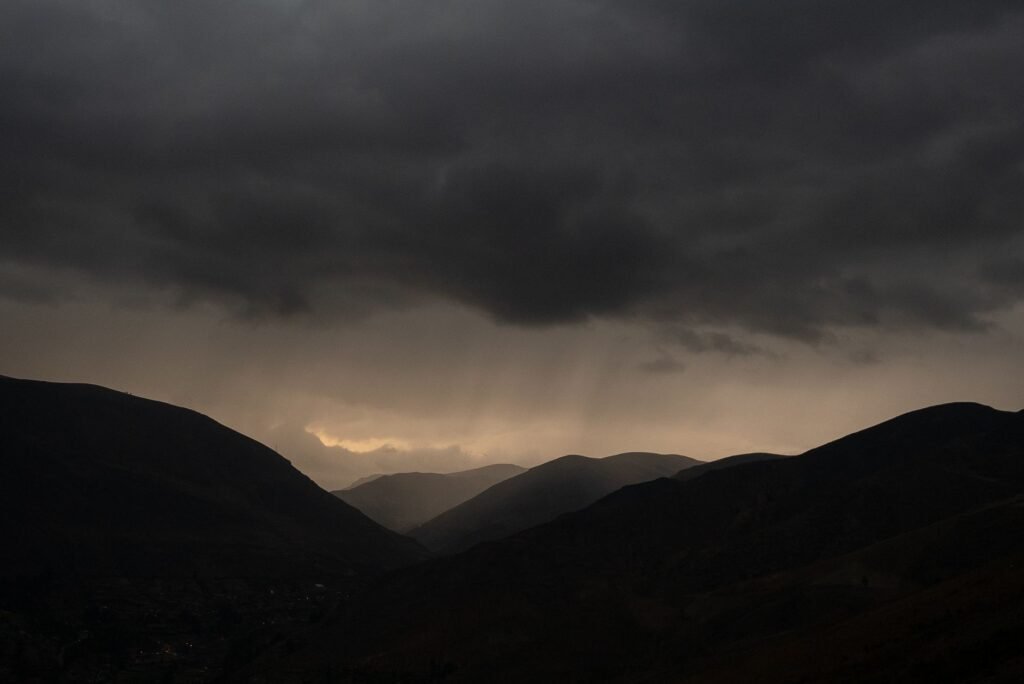
The Valley in Modern Life
Resilience in Difficult Times
Understanding the valley of the shadow of death as a metaphor for life’s challenges can help individuals cope with their struggles. Here are some daily applications:
- Recognizing Struggles: Acknowledge that everyone faces their own “valleys.” Sharing these struggles fosters community and connection.
- Embracing Vulnerability: Discussing fears and vulnerabilities can lead to personal growth and deeper relationships.
- Seeking Support: Whether through friends, family, or professional help, don’t hesitate to seek assistance during dark times.
Spiritual Perspectives
For many, the valley invites deeper spiritual exploration. How can faith or spirituality assist in navigating tough circumstances?
- Meditation and Reflection: Contemplation on one’s fears can lead to spiritual insights that drive healing and peace.
- Rituals and Practices: Engaging in spiritual practices, such as prayer, can offer a sense of connection and comfort while traversing hard times.
Real-life Examples
Navigating Illness
Consider someone battling a severe illness who likens their experience to walking through the valley of the shadow of death. This metaphor encapsulates the fear and uncertainty faced daily, while also illuminating their journey towards healing and connection with loved ones.
Overcoming Personal Loss
Individuals grieving the loss of a loved one often find themselves in this “valley.” Acknowledging this experience can foster conversations about grief, allowing both healing and the creation of meaningful support networks among peers.
Frequently Asked Questions
What does the valley of the shadow of death mean?
It represents the challenges and fears we face in life, particularly regarding death and loss, as expressed in Psalm 23.
How can I find comfort in difficult times?
Engaging in prayer, reflection, and seeking support from loved ones can help provide comfort during life's valleys.
What role does faith play in overcoming fear?
Faith can empower individuals to confront their fears, offering courage and a sense of divine presence during troubling times.
How can I support someone going through their valley?
Be present, listen actively, and offer encouragement. Sharing in their journey can foster connection and healing.
Conclusion: Embracing the Journey
The Valley of the Shadow of Death is more than just a phrase; it is a profound reflection of the human condition. By recognizing it as a metaphor for life’s trials, we can cultivate resilience, find comfort in community, and elevate our understanding of faith.
In facing our valleys, remember that you are not alone. Whether through spiritual guidance, friendships, or self-reflection, there is always a path to navigate the shadows. Let us take heart in knowing that, like the psalmist, we can confront our fears with courage and find solace as we continue on our journeys. Embrace your valley—it is an essential part of your story, leading you toward growth and renewal.