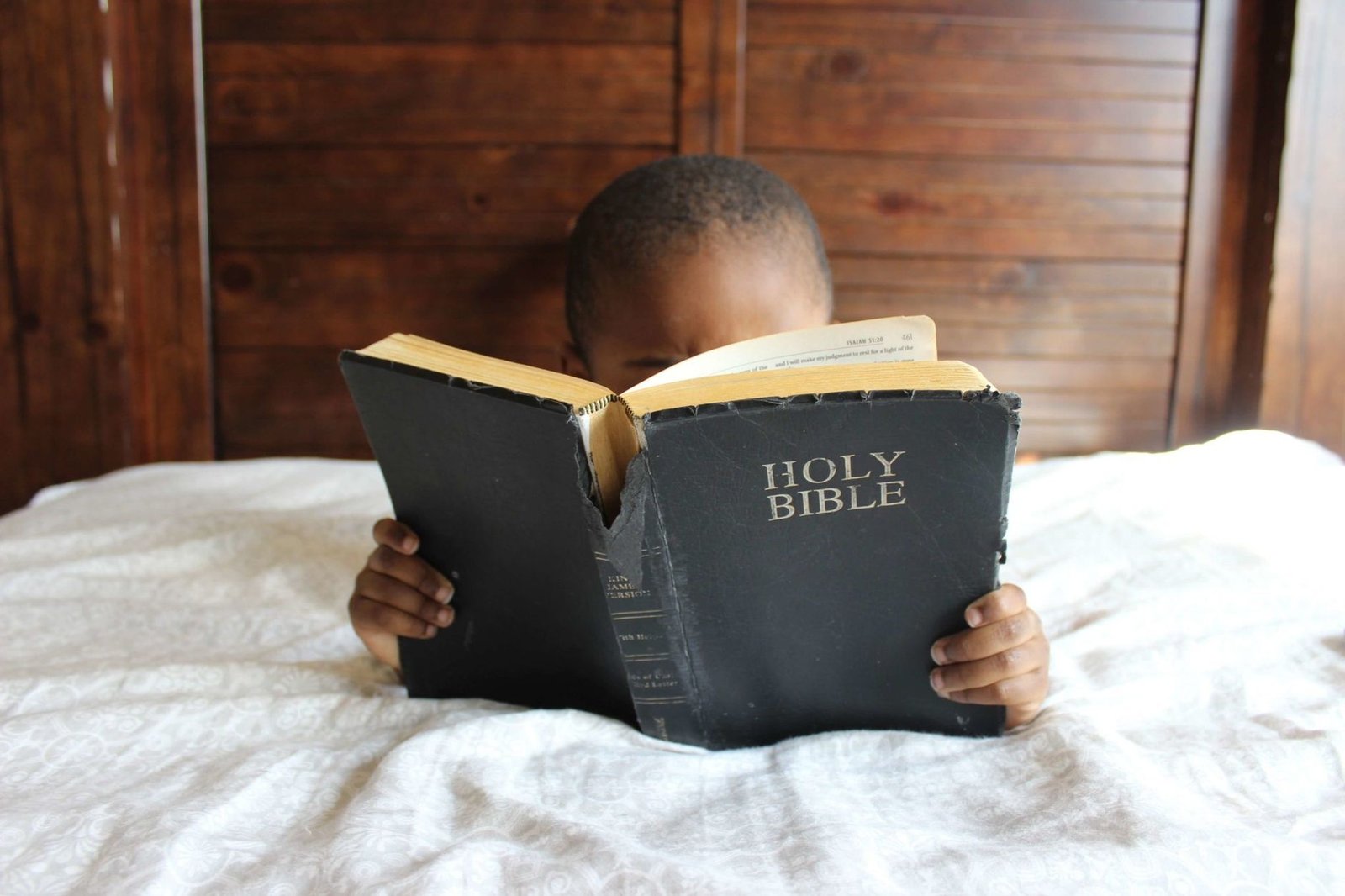
In a world that often feels chaotic and overwhelming, the most vulnerable among us—the children—require our attention and care. Each day, millions of students head to school not just to learn, but also to navigate challenges that extend far beyond the classroom. From economic instability and family issues to mental health struggles and bullying, these children carry burdens that can deeply impact their academic success and overall well-being. Today, we invite you to reflect on and engage with the power of prayer as a form of support for these vulnerable school children who are often overlooked.
Understanding the Vulnerability of School Children
Before we dive into the significance of prayer, it’s essential to acknowledge what makes many schoolchildren vulnerable.
Key Factors Affecting Vulnerable Children
- Economic Hardships: Many children come from low-income families, which can limit access to educational resources, extracurricular activities, and even basic needs.
- Family Instability: Issues like divorce, neglect, or parental substance abuse can create a destabilizing environment for children, affecting their emotional and academic performance.
- Bullying: Unfortunately, bullying remains a common issue in schools, leading to anxiety, depression, and decreased academic achievement.
- Mental Health Struggles: Children may face various mental health challenges, from anxiety disorders to learning disabilities, making it difficult for them to thrive.
- Discrimination and Marginalization: Children from minority backgrounds or those with disabilities often experience marginalization, resulting in a lack of support and understanding in educational settings.
The Role of Prayer in Supporting Vulnerable Children
Prayer can serve as a powerful tool in fostering hope, resilience, and a sense of community. For many, it is not just about spiritual beliefs; it offers a moment of reflection and intention-setting that can lead to positive outcomes.
Benefits of Prayer and Intention Setting
- Psychological Comfort: Prayer provides solace and a sense of connection, reminding individuals that they are not alone in their struggles.
- Community Building: Joining together in prayer fosters bonds among community members, encouraging collective action and support for those in need.
- Focus on Positivity: Prayer allows us to focus on hope and positive change, fostering an optimistic outlook that can be energizing for vulnerable children and their caregivers.
- Motivation for Action: Beyond spiritual power, prayer can spur people to take constructive actions—whether volunteering, donating, or advocating for vulnerable groups.
Practical Prayers for Vulnerable School Children
Incorporating prayer into our daily routines can be a meaningful way to support vulnerable children. Here are some examples of prayers that collectively wish for their peace, well-being, and resilience:
A Prayer for Strength and Resilience
“Dear God, we lift up the children who struggle daily within the walls of their schools. May they find strength in adversity and resilience in the face of challenges. Guide them to discover their inner power and surround them with support.”
A Prayer for Safety and Comfort
“Heavenly Father, we pray for safety and comfort for each student who walks through their school doors. Grant them a nurturing environment where they can learn, grow, and express themselves without fear.”
A Prayer for Understanding and Compassion
“Lord, instill in the hearts of all students, teachers, and staff a spirit of understanding and compassion. May they embrace differences and uplift each other in kindness.”
How to Take Action Beyond Prayer
While prayer is an essential aspect of support, taking tangible actions can make a significant impact as well. Here’s how you can contribute:
- Volunteer: Join local initiatives that support at-risk children, such as tutoring programs and after-school activities.
- Advocate: Be the voice for vulnerable children in your community. Support legislation and policies that promote educational equity and mental health resources.
- Educate: Raise awareness about the challenges vulnerable children face through workshops or community discussions. Providing education helps others to understand and act compassionately.
- Connect with Local Schools: Establish partnerships between community organizations and schools to create programs aimed at addressing the needs of vulnerable children.
Conclusion: A Collective Responsibility
As we reflect on the needs of vulnerable schoolchildren, it becomes clear that prayer can be a nurturing force, bringing hope and illumination in dark times. However, prayer must be accompanied by action. Every teacher, parent, and member of the community plays a pivotal role in investing in these children’s futures and well-being.
Let us unite in our efforts, both through our prayers and our actions, to ensure that every vulnerable child within our schools has the opportunities they deserve. Together, we can make a difference, guiding these children toward brighter futures filled with hope, compassion, and understanding.