
Key Takeaways
- Peace is essential for mental health
- Compassion fosters understanding and harmony
- Small acts of kindness create a ripple effect
- Engage with your community for collective peace
In a world often marred by chaos, conflict, and dissonance, the essence of peace becomes not just a lofty ideal but an attainable goal. The phrase “You give peace” resonates deeply as it conveys the responsibility we share in creating a harmonious environment—not only around us but also within our hearts. In this post, we’ll explore the significance of peace and how individual actions contribute to collective harmony. We’ll delve into ways you can foster peace in your life and the lives of others, ultimately nurturing a more compassionate world.
The Essence of Peace
Understanding Peace
Peace can be defined broadly as the absence of conflict, a state of tranquility, and a sense of well-being. However, it encompasses much more than just the lack of strife. It involves:
- Inner Peace: A mental and emotional state of calmness, self-acceptance, and tranquility.
- Social Peace: Harmonic interactions among individuals and communities that foster respect, understanding, and collaboration.
- Global Peace: The aspiration for nations to coexist without engaging in violence or oppression.
Why Peace Matters
Our well-being is inextricably linked to peace. Here are a few reasons why cultivating peace is essential:
- Mental Health: Peace contributes to reduced stress and anxiety levels, enhancing emotional health.
- Better Relationships: Peaceful interactions foster trust and understanding, strengthening personal and professional relationships.
- Productivity Boost: A peaceful environment encourages creativity and innovation, allowing individuals and teams to thrive.
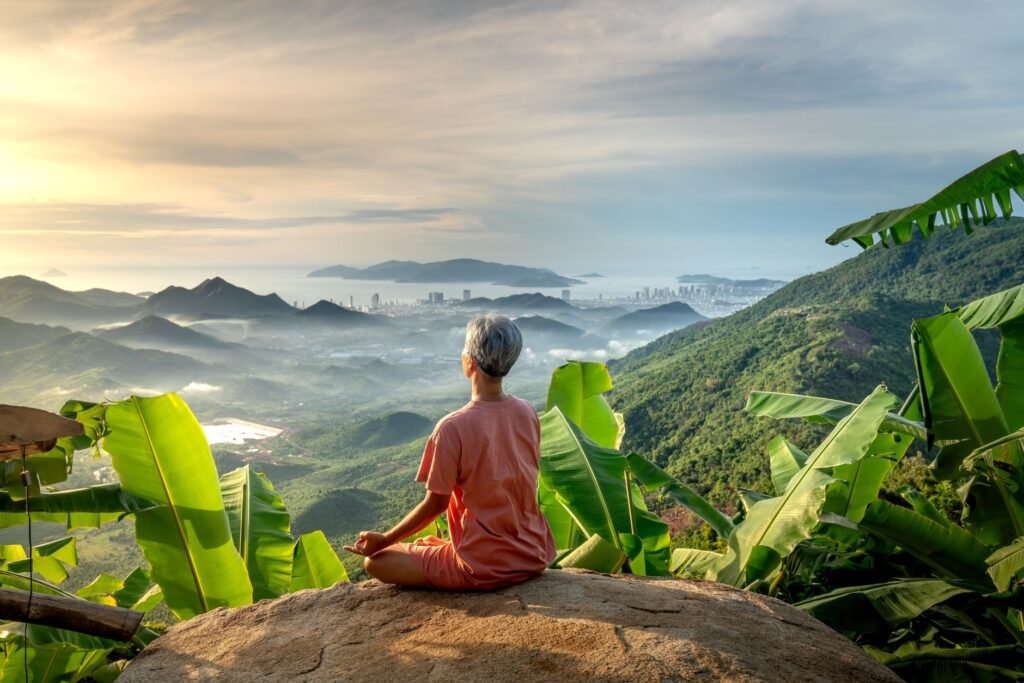
You Give Peace: Being an Active Part of the Solution
Cultivating Inner Peace
Before we can share peace with others, we must first nurture it within. Here are some practical steps toward cultivating inner peace:
- Mindfulness and Meditation: Engaging in mindfulness practices can help center your thoughts and emotions, guiding you toward a more tranquil existence.
- Gratitude Journaling: Writing down things you’re grateful for can shift your focus from negativity to appreciation, enhancing your sense of peace.
- Setting Boundaries: Protecting your time and energy can prevent overwhelm, allowing for a more peaceful state of mind.
Spreading Peace Through Compassion
Once we nurture our own peace, we can radiate it outward. Compassion is a powerful tool in this regard. Here’s how you can spread peace through compassionate actions:
- Acts of Kindness: Simple gestures, such as holding the door open or complimenting a stranger, can create ripples of positivity.
- Listening: Taking the time to listen actively to someone else’s concerns can foster understanding and alleviate their distress.
- Conflict Resolution: Instead of escalating disputes, aim to resolve them through calm communication and empathy.
Building Peaceful Communities
Engaging with your community plays a vital role in establishing a collective sense of peace. Here are some ways to contribute:
- Volunteering: Find local organizations focused on community building, education, or social equity—your involvement can make a difference.
- Participating in Dialogues: Join community forums that address local issues, promoting understanding among diverse voices.
- Advocating for Change: Support initiatives that work toward social justice and peacebuilding, amplifying the importance of equity and compassion.
Reflection Point
Take a moment each day to reflect on how you can spread peace in your interactions, both big and small. Every effort counts!

The Ripple Effect of Peace
Why Individual Actions Matter
The beauty of peace is that it’s contagious. When one person acts with compassion and understanding, it inspires those around them. Consider the following:
- Influencing Family: When you model peaceful behavior in your family, it promotes a culture of kindness and respect from one generation to the next.
- Impacting Friends: Your friends are likely to mirror your actions; spreading positivity and peace can create a supportive network.
- Transforming Society: On a larger scale, small acts of peace contribute to significant societal changes, inspiring others to follow suit.
The Role of Social Media
In our interconnected world, social media can either foster negativity or be a platform for promoting peace. Here are some ways to use social media positively:
- Share Positive Messages: Amplify uplifting stories or initiatives that embody peace and compassion.
- Engage in Constructive Conversations: Use your platforms to foster discussions that build understanding rather than perpetuating conflict.
- Support Peaceful Causes: Use your influence to promote non-profits and movements focused on peace and social issues.
Frequently Asked Questions
How can I find inner peace?
Inner peace can be cultivated through mindfulness practices, gratitude journaling, and setting healthy boundaries. Philippians 4:6-7 encourages us to present our requests to God, who gives us peace that transcends understanding.
What are some simple ways to promote peace in my community?
You can promote peace by volunteering, participating in community dialogues, and advocating for social justice initiatives. Acts of kindness and compassion can create a more harmonious environment for everyone.
How does peace affect my mental health?
Peace contributes to reduced stress and anxiety, enhancing emotional health. When we cultivate peace within, we are better equipped to handle life's challenges and support others.
What role does compassion play in fostering peace?
Compassion is a powerful tool for fostering peace. By actively listening and showing empathy, we can resolve conflicts and promote understanding, leading to a more peaceful community.
Conclusion: Be a Beacon of Peace
You have the power to be a beacon of peace in a world that often struggles to find its balance. By nurturing inner peace, demonstrating compassion, and engaging with your community, you contribute to a larger movement toward harmony. Remember, peace is not merely the absence of conflict, but a conscious choice made day by day—both in how you treat yourself and how you treat others.
As you embrace the mantra “You give peace,” let it guide your actions and inspire meaningful connections. Together, we can transform our lives and communities, creating a compassionate world that celebrates peace. So go forth, give peace, and watch the world around you change for the better.