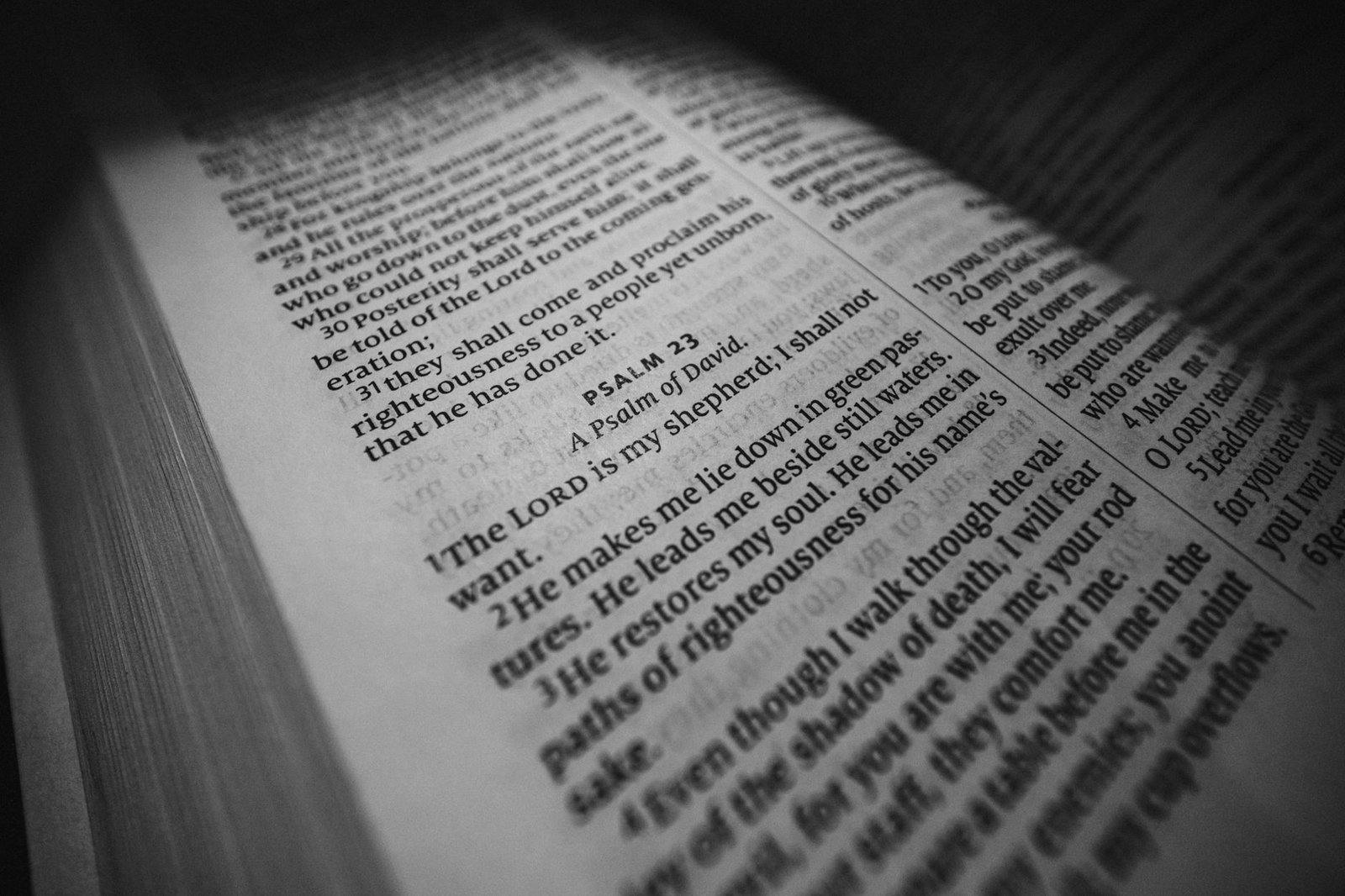

The discussion surrounding the shape of the Earth is one that has traversed through science, philosophy, and, interestingly enough, biblical texts. While the modern scientific consensus is that the Earth is an oblate spheroid, many wonder whether the Bible offers any insight into Earth’s shape. For those who hold to the King James Version (KJV) of the Bible, there are verses that are often cited in this conversation. In this post, we will explore those verses, delve into their interpretations, and discuss how they align with modern understandings of the Earth’s form.
Understanding Biblical Context
When discussing verses about the shape of the Earth, it’s crucial to approach the text with an understanding of the context in which it was written. The Bible is a religious and spiritual document that communicates truths aimed at guiding moral and ethical behavior rather than serving as a scientific manuscript.
The Historical Perspective
- The ancient Hebrew worldview included a variety of cosmological ideas that can differ from contemporary scientific explanations.
- Many scholars argue that interpreting biblical verses with a focus on modern science can lead to misconceptions about both the text and the science itself.
Key Bible Verses that Suggest a Round Earth
1. Isaiah 40:22
“It is he that sitteth upon the circle of the earth, and the inhabitants thereof are as grasshoppers; that stretcheth out the heavens as a curtain, and spreadeth them out as a tent to dwell in.”
This verse is frequently cited in discussions about the Earth’s shape. The term “circle” can be interpreted as an indication of a round shape. However, it’s essential to note that the word used could also imply a flat disc, depending on the interpretation.
2. Job 26:7
“He stretcheth out the north over the empty place, and hangeth the earth upon nothing.”
While this verse does not explicitly state that the Earth is round, it does suggest a cosmology where the Earth is suspended in space – an idea that resonates with contemporary scientific understanding. The concept of “hanging the Earth upon nothing” has been interpreted to imply a non-flat, dynamic situating in the cosmos.
Related Posts:



3. Proverbs 8:27
“When he prepared the heavens, I was there: when he set a compass upon the face of the depth:”
The word “compass” in this context can refer to a circular boundary, suggesting a spherical understanding. This verse, like others, illustrates God’s sovereignty in creation, while also hinting at a design that extends beyond flat land.
Other Related Verses
4. Revelation 7:1
“And after these things I saw four angels standing on the four corners of the earth…”
This verse is often referenced concerning the understanding of “corners” in a cosmological sense. Scholars argue that this metaphorical language signifies the cardinal directions more than the physical shape of the planet.
5. Matthew 24:31
“And he shall send his angels with a great sound of a trumpet, and they shall gather together his elect from the four winds, from one end of heaven to the other.”
Similar to the previous verse, the mention of “four winds” indicates a form of global reach, implying a sphere rather than a flat surface.
The Journey From Interpretation to Understanding
The interpretations of these verses vary significantly. While some advocate for a literal view, others see the verses as conveying theological concepts rather than scientific truths. Here’s a brief rundown on how to navigate this conversation:
Consider Textuality and Culture
- Cultural Understanding: Recognize that ancient texts reflect the cosmologies known to those people at that time.
- Translation Nuances: The translation from Hebrew and Greek to English can introduce variances in meaning.
Explore Scientific Alignment
- Cosmic Principles: Examine how these verses harmonize with scientific discussions about gravity, orbits, and the universe.
- Intention of the Text: Focus on the theological messages (like God’s sovereignty) rather than merely discussing earthly shapes.
Conclusion: The Intersection of Faith and Science
In contemplating Bible verses about the shape of the Earth, we can appreciate the evolving understanding of our world, both in faith and science. These scriptures can serve as a bridge between ancient wisdom and modern inquiry, encouraging thoughtful dialogue rather than dogmatic disputes.
Whether you consider the Earth round, flat, or even more complex in its dimensions, the essential takeaway is the spiritual lesson that God is the Creator of all, encompassing every realm of understanding. As we continue to explore the mysteries of our universe, may we do so with both humility and curiosity.
Engaging with these texts opens up a space for reflection on how ancient wisdom complements contemporary knowledge, reminding us of the depth and richness of biblical literature.