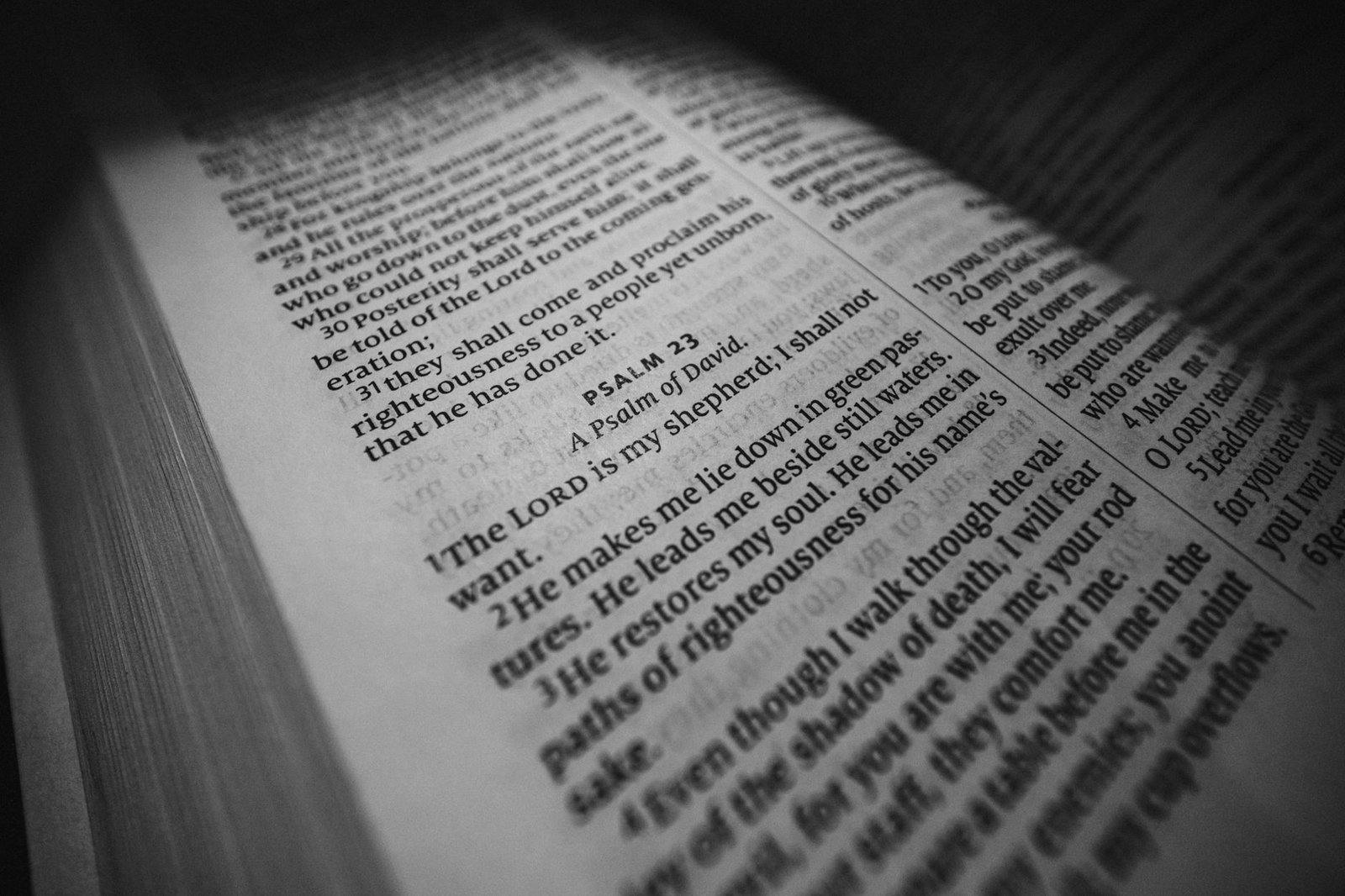

The debate over the shape of the Earth has been a contentious one for centuries. Interestingly, some interpretations of certain Bible verses have sparked discussions about the Earth being flat. In this blog post, we will explore a selection of Bible verses traditionally cited in relation to a flat Earth perspective, delve into their historical context, and examine the interpretations surrounding them. Let’s embark on this exploration of faith, science, and scripture.
The Context of Earth’s Shape in the Bible
Before we delve into specific verses, it is essential to consider the context in which these texts were written. The Bible is not a scientific textbook; instead, it reflects the understanding and worldview of the people of its time. The concept of a flat Earth originates from ancient civilizations, and some biblically referenced images can be interpreted through that lens.
Here’s how the ancient perspective intertwines with Biblical texts:
- Cultural Influence: Many writers of the Bible were influenced by the scientific understanding of their time, which often included flat Earth models.
- Literary Imagery: The Bible frequently uses metaphorical language, and images may not be intended to convey scientific facts.
With this context in mind, let’s explore specific scriptures that have been associated with the idea of a flat Earth.
Key Bible Verses Associated with Flat Earth
1. Isaiah 40:22
“It is He who sits above the circle of the earth, and its inhabitants are like grasshoppers; who stretches out the heavens like a curtain, and spreads them like a tent to dwell in.”
Analysis: This verse has often been interpreted as support for a flat Earth due to the term “circle.” However, the Hebrew word used here, “hug,” can imply a round object. Some argue that this indicates a spherical shape rather than a flat surface.
Related Posts:




2. Job 38:13-14
“That it might take hold of the ends of the earth, and the wicked be shaken out of it? It is changed like clay under the seal, and they stand out like a garment.”
Analysis: The imagery of holding the “ends of the earth” suggests a flat expanse. However, many theologians interpret this figurative language as emphasizing God’s sovereignty over creation rather than providing a geographical discourse.
3. Matthew 4:8
“Again, the devil took Him up on an exceedingly high mountain and showed Him all the kingdoms of the world and their glory.”
Analysis: This verse raises questions about perspective and visibility. Critics argue that if the Earth were round, one couldn’t see all kingdoms from a single high point. Yet, proponents of the spherical Earth assert that different elevations reveal varying landscapes and viewpoints, thus supporting a round Earth perspective.
4. Revelation 7:1
“After this I saw four angels standing at the four corners of the earth, holding back the four winds of the earth.”
Analysis: The expression “four corners” is emblematic of the complete nature of the Earth. Many theologians view this as a symbol of global influence rather than a literal description of the Earth’s shape.
The Scientific Perspective
While the Bible verses concerning the shape of the Earth have sparked interest, modern science backs the spherical model. This understanding stems from various lines of evidence, such as:
- Photographic Evidence: Images of Earth from space clearly showcase its spherical form.
- Gravity: The physics of gravity explains why celestial bodies form into spherical shapes.
- Exploration: Historical sea voyages confirmed the Earth’s roundness as navigators could circumnavigate the globe.
Bridging Faith and Science
For many believers, faith and science coexist harmoniously. Here are some considerations for those reconciling Biblical texts with scientific discoveries:
- Different Realms: Understand that scripture often speaks to spiritual truths rather than scientific facts.
- Historical Context: Acknowledge that the biblical authors had a different understanding of the cosmos, reflective of their cultural setting.
- Emphasis on Faith: Ultimately, the Bible aims to convey God’s relationship with humanity rather than serve as an authority on geology or astronomy.
Conclusion: Seeking Understanding Beyond Disputes
The discussion surrounding flat Earth verses in the Bible invites us to engage in broader conversations about faith, science, and interpretation. It encourages us to examine how ancient texts can be relevant in modern discourse while respecting both spiritual beliefs and scientific understanding.
As you delve into biblical interpretations, remember the need for a holistic view—one that embraces both historical context and the advancements of contemporary science. Seek wisdom beyond simplistic answers and appreciate the depth of the journey between faith and understanding. After all, the essence of scripture lies in its capacity to resonate with human existence, regardless of the debates surrounding earth’s shape.
If you found this exploration informative, share your thoughts in the comments below! Let’s continue this dialogue on faith and understanding.