
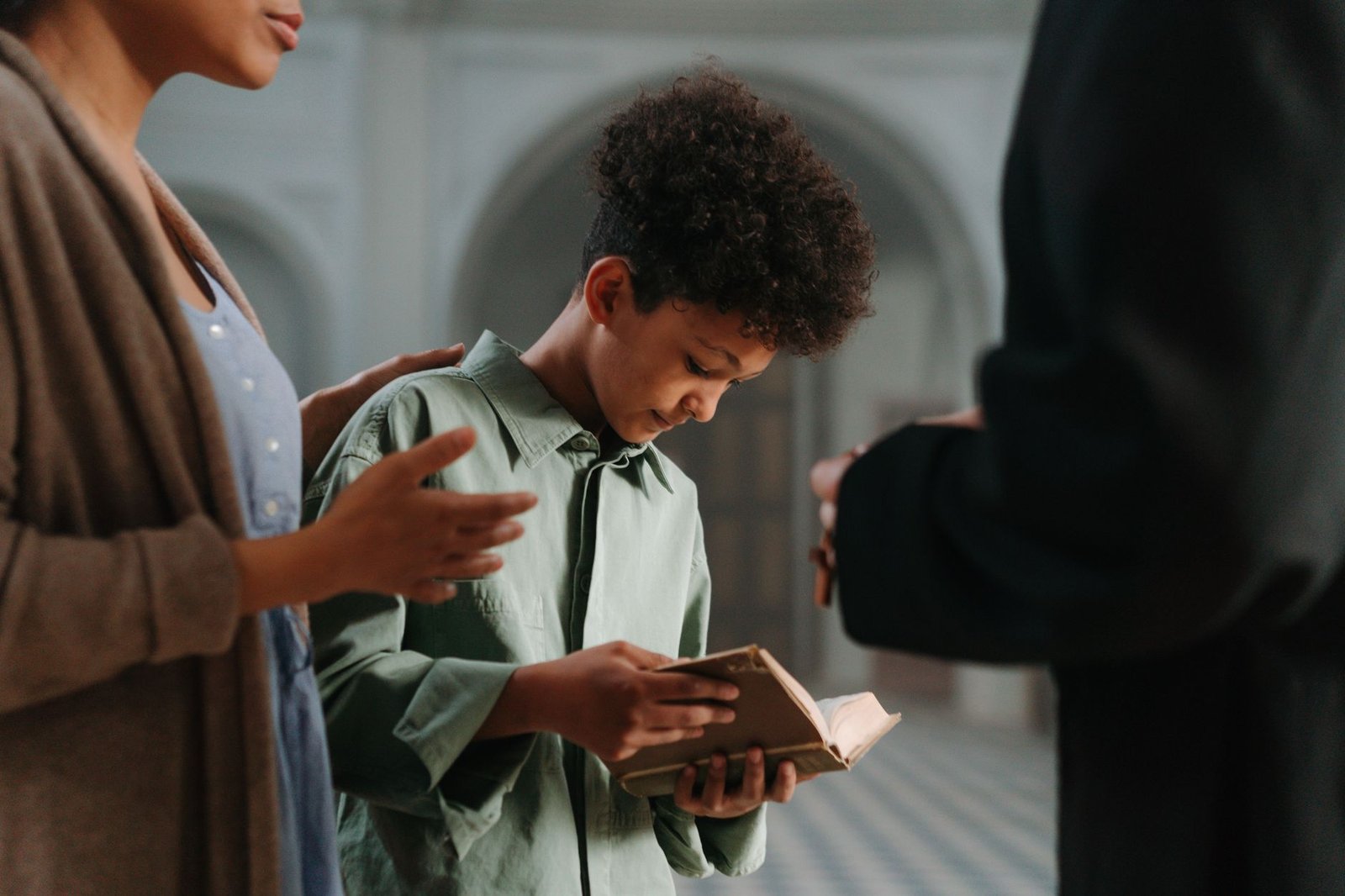
Understanding Childhood Guilt and the Heart of God
A child’s world is filled with everyday discoveries, but it is also touched by moments where things go wrong. A broken toy hidden in the closet, a hasty lie spoken out of fear, or a sharp word snapped at a brother or sister—these small failures carry surprisingly heavy weights for a young conscience. Children often lack the emotional vocabulary to process guilt, which can cause them to retreat, hide, or become defensive.
Key Takeaways
- Children often feel heavy guilt after wrongdoing
- Teach children about sin as brokenness
- God forgives eagerly and completely
- Model grace and forgiveness in your actions
Just as Adam and Eve sought shelter among the trees of the garden when they realized they had disobeyed, a child’s natural instinct after doing wrong is often to run away from the truth. Yet the Savior offers an entirely different response to childhood mistakes. Jesus does not push young hearts away in annoyance; He invites them close, offering safety instead of condemnation.
“But Jesus called the children to him and said, ‘Let the little children come to me, and do not hinder them, for the kingdom of God belongs to such as these.'” – Luke 18:16
When we guide a child in praying for forgiveness, we are doing far more than teaching good manners or religious routine. We are showing them the path back to the Father’s arms. By giving them a practical, biblically grounded language for grace, we help lay a spiritual foundation that will comfort and direct them for the rest of their lives.

Teaching Children What Sin and Forgiveness Really Mean
Before a child can pray with sincerity, they need a gentle and clear understanding of what happens when we sin. Sin is not merely breaking an arbitrary set of rules; it is choosing our own way over God’s good, loving way. It disrupts our relationship with Him and hurts those around us. Children understand brokenness in concrete terms—a broken toy, a broken promise, or a broken friendship. We can helpfully explain sin as a break in trust and harmony.
Forgiveness, then, is the beautiful gift that restores what was broken. When we ask God for forgiveness, He does not sigh with disappointment or turn His back on us until we have earned His favor again. He responds with eager, immediate mercy.
“If we confess our sins, he is faithful and just and will forgive us our sins and purify us from all unrighteousness.” – 1 John 1:9
It is crucial that children learn early that God’s faithfulness does not depend on their perfect behavior. When they confess, God forgives them completely because of Jesus’ sacrifice on the cross. This truth guards a child’s heart against viewing God as an angry taskmaster waiting to catch them failing. Instead, they learn to see Him as a merciful Father who delights in restoring His children.
Reflection Point
Take a moment to pray with your child, guiding them through their feelings of guilt and helping them understand God's grace.

Simple Words for a Child’s Penitent Heart
Children do not need complex theological jargon to pray effectively. God delights in the simple, earnest words of an honest heart. When guiding a child in prayer, help them bring four honest elements to God: admitting what went wrong, acknowledging the hurt caused, asking for cleansing, and requesting help to choose good choices moving forward.
You can encourage your child with a structured guide like this, encouraging them to put it into their own words:
- Admit the action: “Dear God, I know that I made a mistake today when I lied about who broke the lamp.”
- Express sorrow: “I am sorry for disobeying You and for hurting my family.”
- Ask for cleansing: “Please forgive me and wash my heart clean because of what Jesus did for me.”
- Ask for help: “Please give me strength through Your Spirit to tell the truth next time.”
Scripture reveals that even King David prayed with this kind of simple, direct vulnerability when he sought God’s pardon.
“Create in me a pure heart, O God, and renew a steadfast spirit within me.” – Psalm 51:10
Encourage your child to pray out loud or silently in their own simple words. The aim is not a rehearsed script, but a genuine conversation with a loving, listening Heavenly Father.

The Father’s Loving Embrace: Assurance After Prayer
One of the most important aspects of teaching a child to pray for forgiveness is what happens after the prayer. Children frequently struggle with lingering doubts, wondering, “Is God still mad at me?” or “Will He punish me later?”
If a child walks away from prayer still carrying the weight of guilt, they have missed the fullness of the gospel message. We must help them anchor their emotions in the certainty of God’s promises, reassuring them that when God forgives, the debt is completely canceled.
“As far as the east is from the west, so far has he removed our transgressions from us.” – Psalm 103:12
Share this vivid imagery with your child. Explain that the distance between east and west never ends; they can never meet. In the same way, once God forgives our sin, He wipes the record clean. A helpful object lesson is to draw a mistake on a small whiteboard and wipe it away completely. Remind them that Jesus does not hold a grudge. When they finish praying, they can stand up with real joy, knowing they are fully accepted, fully loved, and completely clean in God’s eyes.
Walking Beside Your Child in Daily Grace
Children learn far more from watching our lives than from listening to our instructions alone. How we react when our children mess up shapes how they view God’s attitude toward their failures. If our immediate response to their mistakes is harsh anger, prolonged coldness, or silent rejection, they may naturally assume God responds to them in the exact same way.
When your child makes a mistake, invite them into honest conversation rather than pushing them into defensive shame. Be quick to extend grace, even while maintaining healthy boundaries and discipline. Furthermore, model confession by asking for their forgiveness when you make a mistake, such as losing your patience or speaking harshly.
“Be kind and compassionate to one another, forgiving each other, just as in Christ God forgave you.” – Ephesians 4:32
When a parent kneels down, looks a child in the eyes, and says, “I was wrong to raise my voice at you earlier. Will you forgive me?”, it transforms grace from an abstract idea into a living reality. Your child learns that seeking forgiveness is not a terrifying weakness, but the sweet path to peace, healing, and restored relationship.
Frequently Asked Questions
How can I help my child understand sin and forgiveness?
Explain sin as a break in trust, using relatable examples like broken toys or friendships. Emphasize that forgiveness restores relationships and is a gift from God through Jesus.
What if my child struggles to pray for forgiveness?
Encourage them to use simple, honest words. Remind them that God values their sincerity over complex prayers and is always ready to listen.
How can I reassure my child after they pray for forgiveness?
Explain that God's forgiveness is complete and unending, using Scripture like Psalm 103:12 to illustrate the depth of His mercy. Help them visualize this by wiping away a mistake.
What role does my example play in teaching my child about forgiveness?
Children learn through observation, so model grace and humility in your own life. Demonstrating your willingness to ask for forgiveness helps them understand its importance.
Final Thoughts
Teaching your child about forgiveness not only strengthens their relationship with God but also nurtures their heart. Embrace the opportunity to guide them gently, showing them the beauty of grace. Remember, you are laying a foundation for their spiritual journey.
























One Response