
The Heavy Weight of Global Conflict
When we open the morning news or listen to reports from war-torn regions, the sheer volume of global distress can leave us feeling heavy and paralyzed. War, political instability, displaced families, and generational animosities seem to multiply faster than human diplomacy can resolve them. In the face of such relentless heartbreak, it is easy to slide into a quiet cynicism, wondering if our prayers actually make a difference when violence appears so entrenched.
As followers of Christ, we are called neither to numb ourselves to the world’s pain nor to pretend that peace is simple. God does not ask us for sanitized, rehearsed prayers that gloss over harsh realities. He invites us to bring our grief, confusion, and deep longings directly to Him. An honest prayer for global peace begins not with wishful thinking or superficial optimism, but with an unflinching look at human brokenness paired with a steadfast trust in the God who promises to mend it.
Learning the Language of Lament
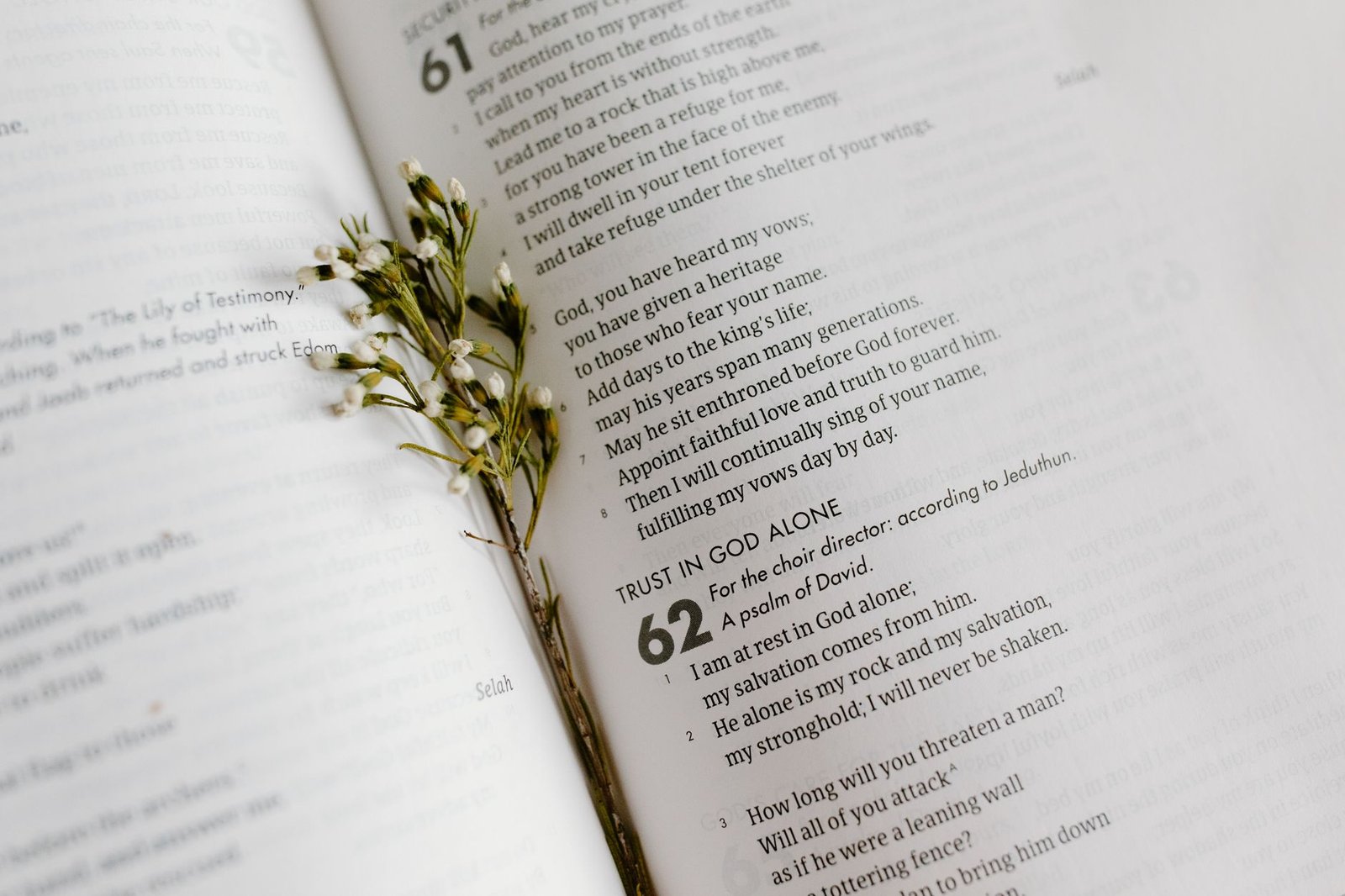
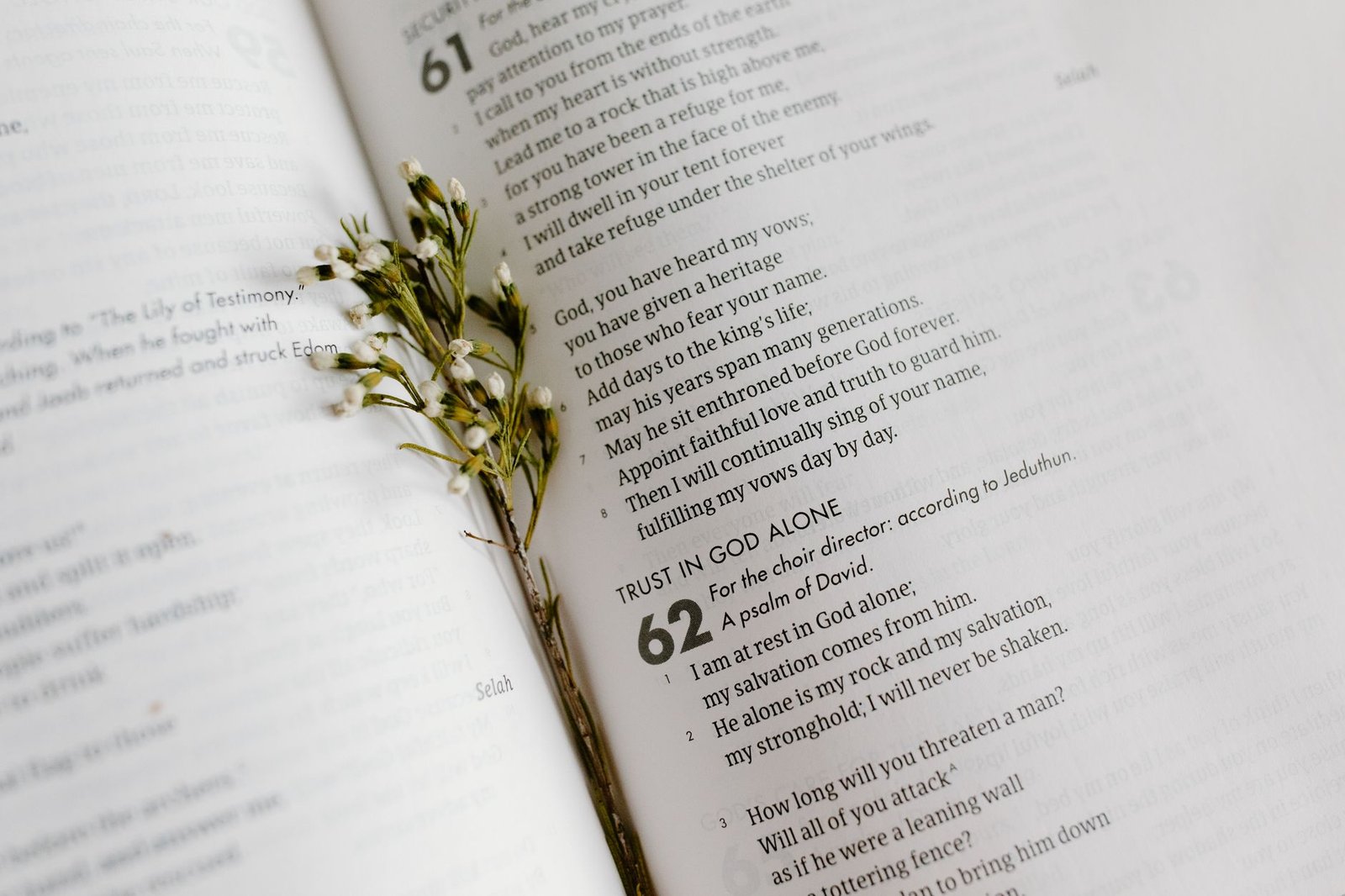
Scripture is filled with faithful people who looked at a fractured world and cried out to God in raw anguish. The Psalms, in particular, provide a biblical blueprint for bringing our grief before the throne of grace. They do not bypass sadness to force an immediate, joyful resolution. Instead, biblical lament gives voice to hard questions, asking God how long evil will seem to prevail.
Lament is not the opposite of faith; it is an expression of it. When we mourn over global injustice, we acknowledge that violence, oppression, and destruction are not the way things are supposed to be. We align our hearts with God’s own sorrow over the devastation caused by human sin. Before we ask God to change international circumstances, we must be willing to let our hearts be moved by the suffering of our global neighbors.
By bringing our genuine sadness to God, prayer shifts from a routine exercise into an act of deep spiritual solidarity. We stand in the gap for those who are currently trapped in war zones, unable to find safety or rest.
Understanding True Shalom
When we casually pray for peace, we often mean nothing more than the absence of active conflict—a temporary truce, a ceasefire, or a quiet period between battles. But the biblical vision of peace, rooted in the Hebrew word shalom, runs far deeper than a mere pause in hostility. Biblical peace signifies completeness, structural justice, healing, and right relationships between God, humanity, and creation.
Related Posts:



Human political systems often try to secure peace through strength, military dominance, or economic pressure. While law and diplomacy have their proper place, they cannot transform the human heart. Jesus pointed His disciples toward a fundamentally different kind of peace during one of His final conversations with them.
“Peace I leave with you; my peace I give to you. Not as the world gives do I give to you. Let not your hearts be troubled, neither let them be afraid.” – John 14:27
The peace Christ offers is anchored in His finished work on the cross and His promise to eventually restore all creation. When we pray for world peace through the lens of God’s Kingdom, we are asking for more than political stability; we are asking for the deep, transformative righteousness that only the Prince of Peace can establish.
Praying for Leaders, Victims, and Enemies
Praying honestly for world peace forces us to expand our intercession into challenging territory. It is natural to pray for those who suffer or those with whom we sympathizingly identify. However, Scripture stretches our hearts to pray across all sides of a conflict.
First, we are directed to intercede for world leaders and decision-makers, asking God to grant them wisdom, moral clarity, and a genuine desire for justice rather than selfish ambition.
“First of all, then, I urge that supplications, prayers, intercessions, and thanksgivings be made for all people, for kings and all who are in high positions, that we may lead a peaceful and quiet life, godly and dignified in every way.” – 1 Timothy 2:1-2
Second, our prayers must focus intently on the vulnerable—refugees fleeing their homelands, orphans, the injured, and families whose livelihoods have been reduced to rubble. We ask God to be their refuge, to raise up humanitarian aid, and to protect them from further harm.
Finally, Jesus calls us to a standard that human nature resists: praying for oppressors and enemies. This does not mean minimizing evil or ignoring injustice. Rather, it means asking God to break cycles of hostility, soften hardened hearts, bring perpetrators to true repentance, and stop the spread of hatred.
Living as Peacemakers in Our Daily Sphere
We cannot pray sincerely for peace in distant nations if we harbor strife, bitterness, and self-righteousness in our own relationships. Prayer is meant to shape the person praying. As we petition God to heal global divisions, the Holy Spirit inevitably turns our attention inward, asking where we might be sowing discord in our own homes, workplaces, and churches.
In the Sermon on the Mount, Jesus highlighted active peacemaking as a core marker of God’s children.
“Blessed are the peacemakers, for they shall be called sons of God.” – Matthew 5:9
Peacemaking is not passive conflict avoidance; it is active, intentional labor. It requires us to listen patiently, seek understanding, forgive those who offend us, refuse to participate in cruel gossip or digital outrage, and stand up for the marginalized around us. The apostle Paul echoed this practical responsibility when writing to believers living in the capital of an empire.
“If possible, so far as it depends on you, live peaceably with all.” – Romans 12:18
While we may not sit at international negotiation tables, we contribute to a culture of peace whenever we reflect the humility, grace, and truth of Jesus Christ in our immediate spheres of influence.
A Prayer for Peace in Our World
If your spirit feels burdened by global unrest, take a quiet moment to turn your heart toward God using these words as a guide:
Heavenly Father, Almighty God, and Prince of Peace, we come before You carrying the heavy burden of a broken world. We look across the globe and see the terrible toll of war, violence, corruption, and systemic injustice. Lord, we confess that we often feel helpless in the face of such deep human suffering, but we choose to bring our sorrow and our longings to You.
We ask You to intervene in areas torn apart by armed conflict. Protect the innocent, shield children from danger, and provide daily bread, medical care, and safe shelter for millions of displaced refugees. Comfort those who are grieving the loss of loved ones, and sustain those working tirelessly to bring emergency relief.
Grant true wisdom, humility, and moral integrity to world leaders, military commanders, and diplomats. Turn their hearts away from pride and violence, and inspire them to pursue genuine justice and reconciliation. Touch the hearts of those who perpetrate evil, breaking the cycles of hatred and revenge that destroy communities across generations.
Examine our own hearts today, Lord. Forgive us for the ways we foster anger, prejudice, or division in our daily lives. Teach us to be instruments of Your peace—quick to listen, eager to forgive, and faithful in loving our neighbors. Anchor our ultimate hope in Jesus Christ, trusting that He will one day return to make all things new. In His holy name we pray. Amen.