
Beyond Simple Explanations: When the Body Doesn’t Behave
Few experiences are as discouraging as doing everything right according to standard health advice, only to watch your body react in ways you cannot control. For many individuals, significant weight gain or persistent obesity occurs despite disciplined eating, regular movement, and standard health practices. Modern medicine increasingly recognizes that human metabolism is exceedingly complex. Endocrine disruptions, thyroid dysfunction, autoimmune disorders, neurochemical imbalances, rare genetic factors, and side effects from vital medications can all cause profound, unexplained physical changes.
When medical tests come back inconclusive or doctors struggle to offer clear answers, the physical burden is quickly joined by an emotional and spiritual weight. We live in a culture that routinely oversimplifies health, reducing complex bodily functions to crude assumptions about willpower or self-discipline. When your physical body refuses to align with expectation, it is easy to feel betrayed by your own physiology and isolated by the assumptions of those around you.
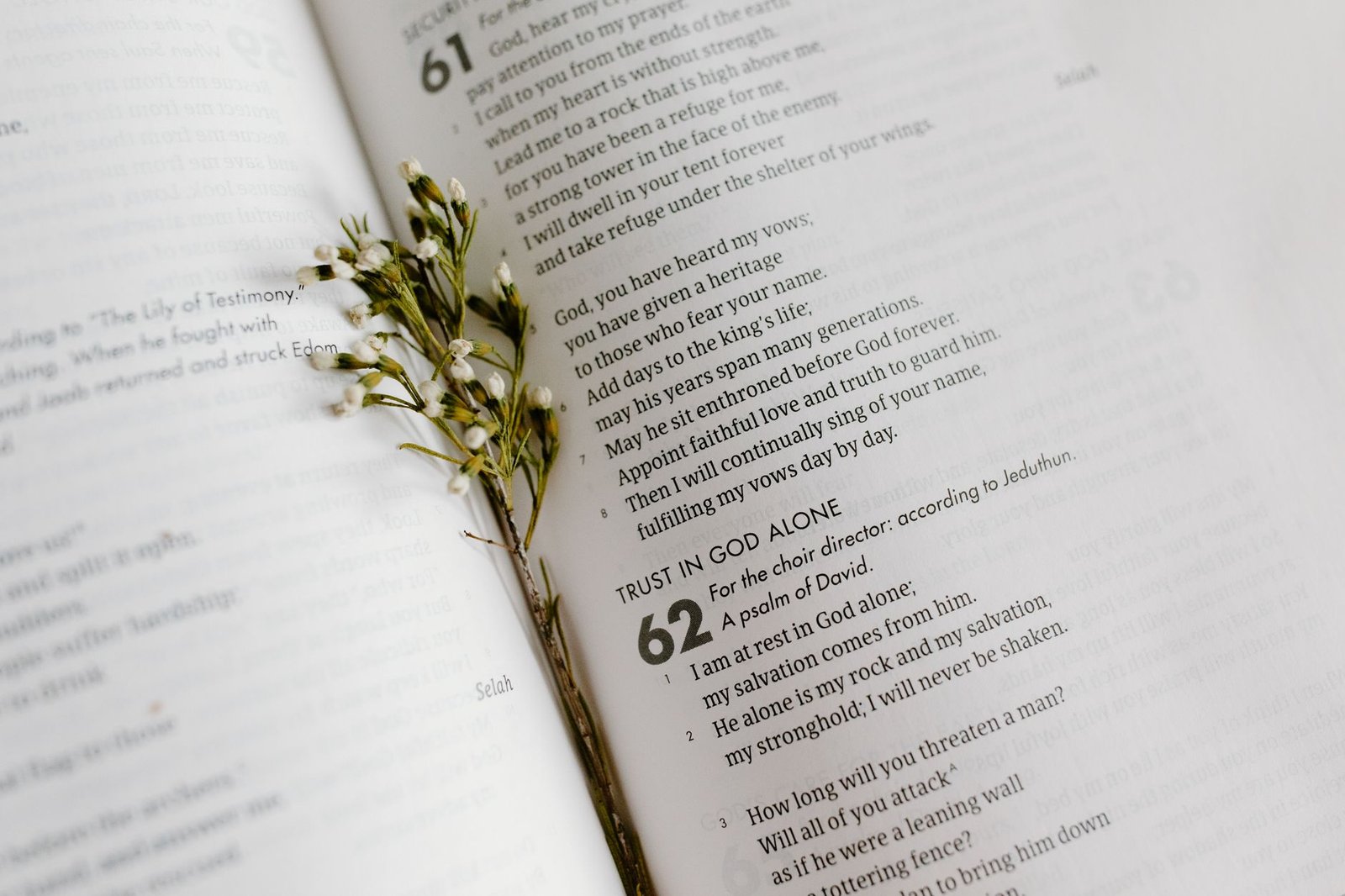
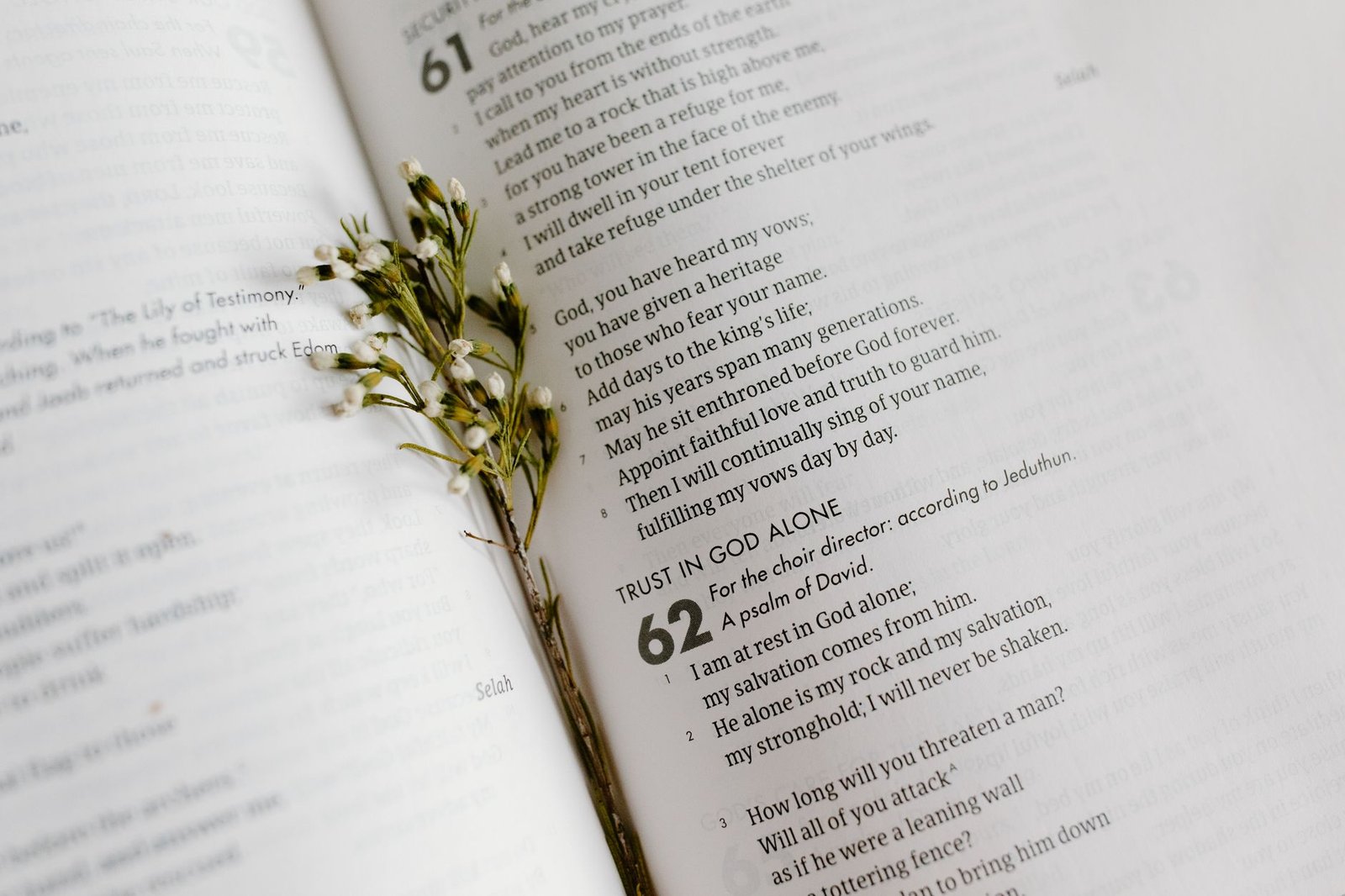
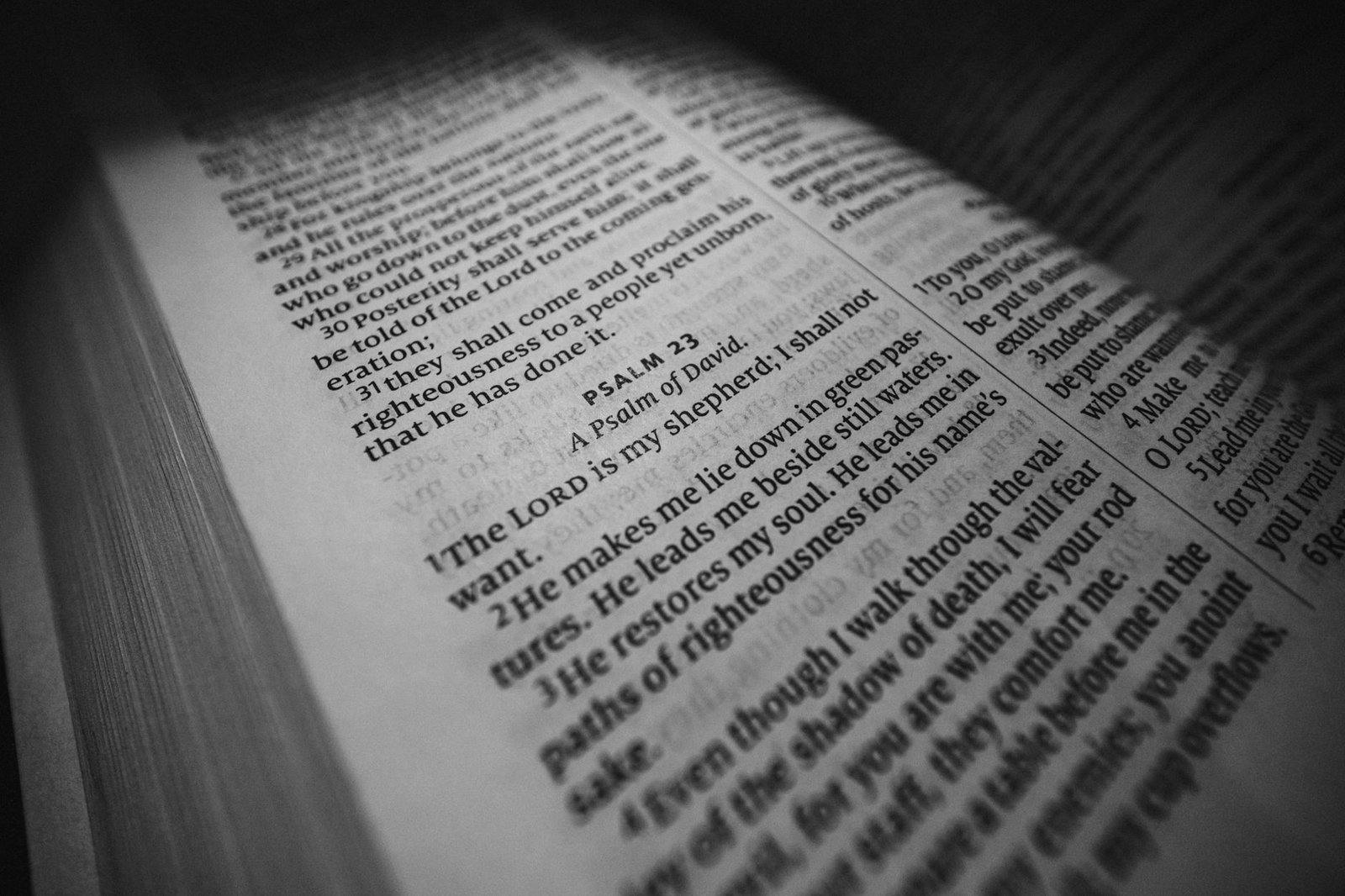
Scripture does not ignore the reality that our physical bodies suffer in ways we cannot always explain or fix. We live in a world marked by physical frailty, where illness and bodily dysfunction are common to the human experience.
“For we know that the whole creation has been groaning together in the pains of childbirth until now. And not only the creation, but we ourselves, who have the firstfruits of the Spirit, groan inwardly as we wait eagerly for adoption as sons, the redemption of our bodies.” – Romans 8:22-23
Paul acknowledges that physical groaning is a normal, expected part of living in a fallen world. Unexplained metabolic struggles are not a sign that God has forgotten you; rather, they are a deeply personal reminder of the brokenness inherent in human biology this side of eternity.
Refusing the Burden of Misguided Shame
When physical suffering lacks a neat diagnosis, human nature often tries to fill the silence with blame. In the Old Testament narrative of Job, when Job suffered severe, unexplained physical afflictions, his friends arrived convinced that his suffering must be the direct result of some hidden personal sin or moral failing. They offered confident, simplistic explanations that only deepened Job’s grief.
Related Posts:



A similar impulse appears in the Gospels. When Jesus and His disciples encountered a man who had been born blind, the disciples immediately looked for a moral cause behind the physical condition.
“And his disciples asked him, ‘Rabbi, who sinned, this man or his parents, that he was born blind?’ Jesus answered, ‘It was not that this man sinned, or his parents, but that the works of God might be displayed in him.'” – John 9:2-3
Jesus flatly rejected the assumption that physical affliction is always a direct punishment for personal wrongdoing. In doing so, He dismantled the harmful theology that links every bodily hardship to personal defect. If you are navigating an unexplained medical condition—whether it manifests as metabolic dysfunction, persistent weight retention, chronic fatigue, or pain—you must reject the unbiblical burden of self-condemnation. God does not measure your spiritual standing or personal worth by your body mass index or metabolic speed.
God Looks Beyond the Outward Appearance
Cultural standards of beauty, health, and physical ideal shift constantly, but God’s assessment of human value remains unchanged. Society frequently equates physical appearance with personal character, foolishly assuming that an ideal body reflects righteousness and an abnormal body reflects neglect. Scripture offers a radical corrective to this flawed worldview.
“For the LORD sees not as man sees: man looks on the outward appearance, but the LORD looks on the heart.” – 1 Samuel 16:7
When God sent Samuel to anoint a king over Israel, Samuel was drawn to the impressive physical stature of Eliab. Yet God reminded the prophet that physical form is irrelevant to divine worth. God made you in your mother’s womb, and His love for you is grounded in His character, not your physical proportions or medical bloodwork.
Your body is an instrument to love God and serve others, not an ornament created for the approval of onlookers. When unexplained health conditions alter your appearance or physical capabilities, your core identity as a beloved child of God remains entirely untouched.
Gentle Stewardship in the Midst of Chronic Illness
How do we honor God with our physical bodies when medical answers remain elusive? Faithful stewardship does not mean obsessing over outcomes you cannot control; instead, it means taking quiet, grace-filled care of the body you have been given today.
If you are walking through mysterious medical symptoms or metabolic challenges, gentle stewardship involves several practical steps:
- Seek compassionate medical care: Continue advocating for your health by working with respectful, thorough healthcare providers who understand complex endocrine and metabolic health.
- Separate habits from identity: Focus on nourishing your body, resting well, and engaging in movement that brings joy, regardless of whether those actions change your weight. Health habits are valuable for their own sake, not merely as a means to alter physical appearance.
- Guard your mind against destructive self-talk: Replace thoughts of shame and frustration with biblical truths regarding your dignity in Christ.
- Release the urge to justify yourself to others: You do not owe curious or critical onlookers an explanation or a defense of your physical health.
Stewardship is an act of worship rooted in gratitude, not an act of desperation rooted in fear or body hatred.
Resting in the Grace of Christ
The Apostle Paul spoke candidly about his own physical struggle—a “thorn in the flesh” that created persistent vulnerability. While scholars deliberate on the exact nature of Paul’s ailment, it was clearly a physical limitation that resisted cure. Paul pleaded with the Lord repeatedly to remove it, yet God’s answer pointed to a deeper spiritual reality.
“But he said to me, ‘My grace is sufficient for you, for my power is made perfect in weakness.’ Therefore I will boast all the more gladly of my weaknesses, so that the power of Christ may rest upon me.” – 2 Corinthians 12:9
Unexplained medical conditions force us to confront our human limitations. They remind us that we are not ultimate masters of our own biology. While this realization can feel distressing at first, it can ultimately lead to a profound spiritual freedom.
When you reach the end of your ability to fix, control, or explain your body, you are invited to rest in the sufficient grace of Jesus Christ. Your worth is secure in Him. Your future is held by Him. And your physical body, in all its current mystery and weakness, remains a vessel through which His quiet strength and mercy can shine brightly.