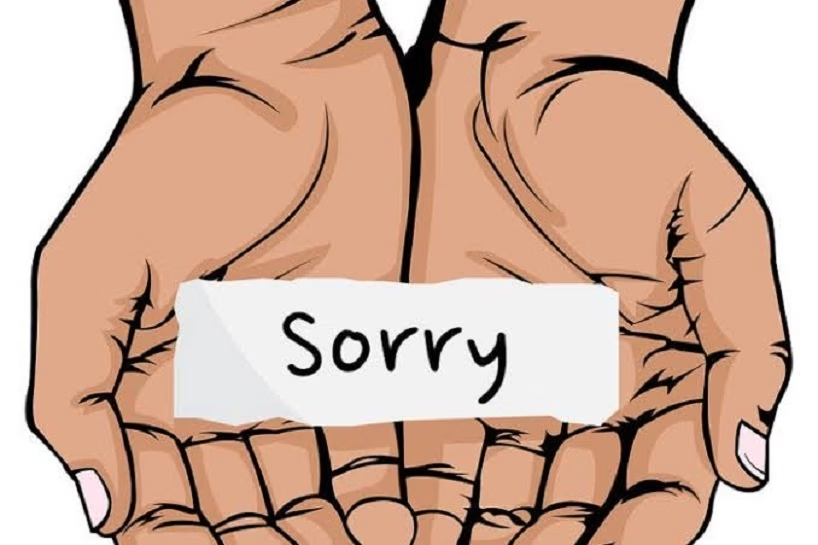
The Transformative Power of Forgiveness: A Pathway to Healing and Reconciliation
Forgiveness is a complex and often misunderstood concept. In a world where grudges can plague our hearts and bitterness can poison our minds, the act of forgiving emerges as a powerful antidote. Holding onto past hurts can weigh us down emotionally and mentally; however, making the conscious decision to forgive can lead to profound healing and personal growth. In this blog post, we’ll explore the significance of forgiveness, the psychological and emotional benefits it brings, and practical steps to help you embrace this liberating practice.
Understanding Forgiveness
Before delving into the benefits of forgiveness and how to implement it in our lives, it’s essential to clarify what forgiveness truly means.
What Forgiveness Is Not
- Not Excusing the Offense: Forgiveness does not imply that the wrongdoer is absolved of their actions. It acknowledges the hurt caused.
- Not Forgetting: Forgiveness doesn’t erase the memory of the pain. Instead, it allows you to find peace despite the memory.
- Not a Weakness: Many perceive forgiveness as a sign of weakness; however, it requires immense strength and self-awareness to let go of anger and resentment.
What Forgiveness Is
- A Choice: Forgiveness is an intentional act that you can choose to enact.
- A Process: It’s not a one-time event but rather a gradual journey toward emotional healing.
- A Gift: By forgiving, you’re offering both yourself and the other person a chance for reconciliation and peace.
The Psychological and Emotional Benefits of Forgiveness
Embracing forgiveness can greatly impact your mental health and well-being. Here are some notable benefits:
1. Emotional Release
Carrying the burden of resentment can lead to chronic stress, anxiety, and even depression. When you forgive, you release these negative emotions, allowing joy and contentment to return to your life.
2. Improved Relationships
Forgiveness can mend fractured relationships, whether with a friend, family member, or partner. By letting go of grudges, you create space for healing, understanding, and improved communication.
3. Enhanced Physical Health
Studies have indicated that forgiveness may be linked to lower blood pressure, reduced risk of heart disease, and improved immune function. The mind-body connection highlights how emotional health influences physical health.
4. Personal Growth
Forgiveness fosters empathy and compassion, traits that enhance personal development and help you become a more resilient and understanding individual.
5. Increased Inner Peace
Many individuals report a sense of liberation and tranquility after forgiving someone. This inner peace can enhance your overall quality of life, enabling you to focus on what truly matters.
Steps Toward Forgiveness
While forgiveness can be a daunting process, breaking it down into manageable steps can make it more achievable.
Step 1: Acknowledge the Hurt
- Identify Your Feelings: Take time to understand and articulate how the offense has impacted you emotionally.
- Allow Yourself to Grieve: It’s crucial to feel the pain rather than suppress it. Acknowledgment is the first step towards healing.
Step 2: Understand the Perspective
- Practice Empathy: Consider the situation from the perspective of the offender. Understand that everyone has their struggles, which may have influenced their actions.
- Seek Context: If appropriate, talk to the person who hurt you to gain insight into their motives.
Step 3: Make a Decision to Forgive
- Commitment: Forgiveness is an active choice. Choose to let go, not just for the sake of the other person but for your own emotional liberation.
- Affirm Your Decision: Express your intention to forgive, whether in writing or through meditation.
Step 4: Let Go of Expectations
- Release Control: Understand that you cannot control how others feel or react to your forgiveness.
- Focus on Yourself: Poor understanding may result in disappointment if the other person does not respond positively.
Step 5: Move Forward
- Set Boundaries if Necessary: Forgiveness does not require you to remain in a harmful relationship. Set healthy boundaries.
- Reflect on the Lessons Learned: Each experience has its lessons. Consider what you can take away from the situation for future growth.
Conclusion: The Freedom of Forgiveness
Forgiveness is not merely a noble gesture; it’s a vital step towards healing and reclaiming your emotional well-being. By letting go of past grievances, you free yourself from the chains of negativity and resentment. Embracing forgiveness allows you to move forward, fostering personal growth and enriching your relationships.
As you consider the act of forgiving, remember: it’s a journey unique to each individual. Take your time, be patient with yourself, and recognize that the ability to forgive resides within you. With each act of forgiveness, you create the opportunity for a more profound sense of peace and fulfillment in your life. So, take that bold step today, and embark on the path of forgiveness — a path rich in healing and transformative power.