The Anointing of David
David’s journey begins in an unexpected way—he was anointed as king while still a shepherd boy. The prophet Samuel, following God’s command, visited Jesse’s household to find a successor to Saul. Though David was the youngest and least likely candidate—overlooked by his family—God saw his heart. This act of anointing established David as God’s chosen leader, highlighting that divine selection often defies human expectations.
This moment serves as a profound reminder that God values our hearts and intentions over our outward appearances or societal status. It invites us to reflect on how God might be calling us to roles that seem beyond our capabilities.

The Defeat of Goliath
One of the most celebrated episodes in David’s life is his confrontation with Goliath. Armed with only a sling and five smooth stones, David faced the giant that everyone else feared. His confidence stemmed not from his physical prowess but from his faith in God.
David’s declaration to Goliath, “the battle is the Lord’s,” emphasizes the importance of trusting God in seemingly insurmountable challenges. This event teaches us that faith can empower us to face our giants, whether they be fears, obstacles, or adversaries.
Courage in the Face of Fear
David’s courage is not merely a story of physical triumph; it reflects a heart anchored in faith. He had witnessed God’s deliverance before and was confident that He would deliver him again. This moment encourages us to recall our own experiences of faith and to trust God’s provision in our lives.
Reflection Point
Consider how God’s grace operates in your life, just as it did in David’s journey of faith and repentance.
The Friendship with Jonathan
The bond between David and Jonathan is a beautiful representation of true friendship. Jonathan, the son of King Saul, recognized David’s anointing and chose to support him instead of viewing him as a rival. Their friendship was marked by loyalty, sacrifice, and mutual respect.
This relationship teaches us about the beauty of selfless love and the importance of surrounding ourselves with people who uplift and encourage our faith journeys. Jonathan’s willingness to protect David from his father’s wrath shows the depth of their bond and the value of standing by friends in times of trouble.

Running from Saul
As David’s popularity grew, so did Saul’s jealousy. David found himself fleeing for his life, living as a fugitive. This period of hardship was marked by trials that tested David’s faith and character. Despite being wronged, David chose not to retaliate against Saul, demonstrating profound humility and respect for the Lord’s anointed.
David’s experiences during this time teach us about patience and trust in God’s timing. He had opportunities to take justice into his own hands but chose to wait on God. This illustrates the significance of remaining faithful during trials, trusting that God has a plan even in our darkest moments.
The Role of Psalms in David’s Life
During these tumultuous times, David turned to God in prayer and worship, often expressing his heart through the psalms. Many of these writings reflect his struggles, fears, and ultimately, his unwavering faith. They serve as a powerful reminder of the importance of bringing our whole selves—our joys and sorrows—before God.
David’s Rise to Kingship
Eventually, after Saul’s death, David ascended to the throne of Israel. His rise was not instantaneous; it came after years of waiting and enduring hardships. As king, David united the tribes of Israel and established Jerusalem as the capital, bringing stability and a sense of identity to the nation.
This moment signifies not just political leadership but spiritual leadership as well. David sought to honor God in his reign, bringing the Ark of the Covenant to Jerusalem and desiring to build a temple for the Lord. His heart’s desire to glorify God exemplifies the role of leaders as servants of God’s people.

The Sin with Bathsheba
David’s life was not without significant failures. His sin with Bathsheba, which included adultery and the orchestrated murder of her husband Uriah, serves as a sobering reminder of human frailty. Despite his close relationship with God, David fell prey to temptation, highlighting the importance of vigilance in our spiritual lives.
The consequences of his actions were grave, leading to turmoil within his family and his kingdom. However, David’s response to his sin was crucial. He did not hide from God but instead repented sincerely. His heartfelt confession teaches us about the power of repentance and God’s readiness to forgive those who come to Him with contrite hearts.
The Impact of Repentance
David’s psalm of repentance, often attributed to this time, reflects the depth of his sorrow and desire for restoration. His plea for mercy, “Create in me a clean heart, O God,” resonates with anyone who has sought forgiveness. This moment in David’s life emphasizes that true repentance involves not just acknowledging our sins but also turning back to God for restoration.
The grace David experienced serves as a reminder that, despite our failures, God’s love and forgiveness are always available. There is profound hope in knowing that our past does not define our future in God’s eyes.
The Legacy of David
David’s life culminated in a legacy that extends beyond his reign as king. He is remembered as “a man after God’s own heart,” a title that speaks to his desire for intimacy with God, despite his imperfections. His life story encourages us to pursue a relationship with God that is genuine and heartfelt.
David’s lineage ultimately leads to Jesus Christ, the fulfillment of God’s promise to establish an everlasting kingdom. This connection highlights the significance of David’s life in the broader narrative of Scripture and God’s redemptive plan for humanity.
Lessons for Today
As we reflect on the important moments in David’s life, we are invited to consider our own journeys. Each triumph and failure in his story offers lessons on faith, leadership, humility, repentance, and grace. We are reminded that God can work through anyone, regardless of their past, to accomplish His purposes.
In moments of triumph, we can celebrate God’s faithfulness; in times of failure, we can experience His forgiveness. David’s life encourages us to remain steadfast in our faith and to continually seek a deeper relationship with God.

The Establishment of Worship in Israel
One of the significant achievements of David’s kingship was the establishment of worship in Israel. Understanding the importance of the Ark of the Covenant, David sought to bring it to Jerusalem, which he had established as the political and spiritual center of the nation. This act signified God’s presence among His people and underscored the importance of worship in the life of the nation.
Key Takeaways
- David was chosen by God
- His faith led him to victory
- Repentance marked his legacy
- David's life teaches us about grace
“They brought in the ark of the Lord and set it in its place, inside the tent that David had pitched for it; and David sacrificed burnt offerings and fellowship offerings in the presence of the Lord.” – 2 Samuel 6:17
David’s exuberant celebration during the procession, which included dancing before the Lord, exemplifies his deep passion for worship. This moment serves as a powerful reminder of the necessity of joy and reverence in our worship, encouraging us to express our love for God openly and passionately.
The Challenges of Leadership
Despite his many successes, David faced numerous challenges as a leader. From internal family strife to external threats, his reign was marked by conflict and difficulty. The rebellion of his son Absalom is one of the most heart-wrenching moments in David’s life, showcasing the personal cost of leadership.
“My own son, my own flesh and blood, is trying to kill me. How could this happen?” – 2 Samuel 15:32
This rebellion forced David to flee Jerusalem and face the painful reality of betrayal from within his own household. Through this experience, David learned the harsh realities of leadership, including the weight of responsibility and the necessity of wisdom and discernment in guiding his people.
David’s response to Absalom’s rebellion, filled with sorrow yet marked by a commitment to his role as king, illustrates the complex nature of leadership. It reminds us that leaders are often faced with difficult decisions that require both strength and compassion.
The Final Days and Legacy of David
As David approached the end of his life, he took time to reflect on his journey and impart wisdom to his son Solomon. His final words were filled with encouragement and admonition, urging Solomon to remain faithful to God and to follow His commands. This moment underscores the importance of leaving a legacy of faith for future generations.
“Be strong, show yourself a man, and observe what the Lord your God requires: Walk in His ways, and keep His decrees and commands, His laws and regulations, as written in the Law of Moses.” – 1 Kings 2:2-3
David’s legacy is not solely found in his accomplishments as a king but also in his relationship with God and the lessons he imparted to his children. His life serves as an enduring example of faithfulness, reminding us that our actions and choices can influence those who come after us. David’s story encourages us to live in a way that honors God and inspires others to seek Him.
The Covenant with God
Another pivotal moment in David’s life was the establishment of a covenant with God, often referred to as the Davidic Covenant. This covenant promised that David’s lineage would endure forever and that his kingdom would be established for eternity. This profound promise not only affirmed God’s commitment to David but also foreshadowed the coming of the Messiah through his lineage.
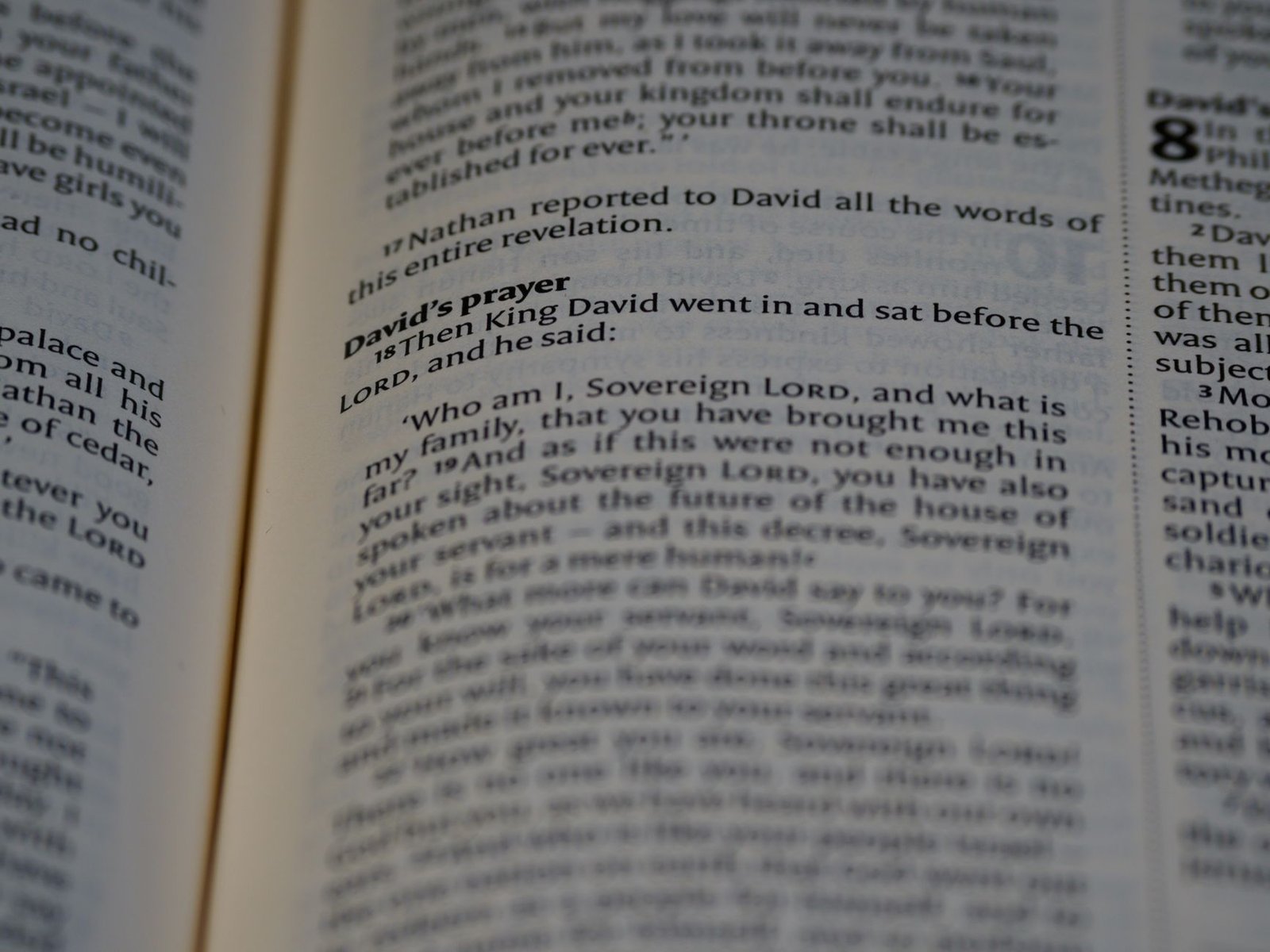
“Your house and your kingdom will endure forever before me; your throne will be established forever.” – 2 Samuel 7:16
This divine assurance provided David with a profound sense of purpose and hope. It signified that God had a plan that extended beyond David’s immediate reign, emphasizing the importance of divine promise in our lives. The Davidic Covenant reminds us that God’s plans are often more expansive than our understanding and that He is faithful to His word across generations.
The Psalms: A Reflection of David’s Heart
David is credited with writing many of the Psalms, which serve as a window into his soul. These poetic expressions of worship, lament, gratitude, and reflection reveal the depth of his relationship with God and the struggles he faced throughout his life. The Psalms articulate both the highs and lows of the human experience, illustrating David’s reliance on God in times of distress and his joy in moments of triumph.
“The Lord is my shepherd, I lack nothing. He makes me lie down in green pastures, he leads me beside quiet waters.” – Psalm 23:1-2
These writings not only provided personal solace for David but have also been a source of comfort and encouragement for countless believers throughout the ages. His ability to express his fears, hopes, and desires before God teaches us the value of honest communication in our relationship with Him. The Psalms invite us to engage in heartfelt worship and prayer, reflecting our own experiences and emotions.
David’s Role as a Warrior
David’s life is also marked by his identity as a warrior. From his early battles against the Philistines to his role as a military leader, David displayed remarkable courage and strategic skill. His victory over Goliath was not only a defining moment in his youth but also a testament to his faith in God. This event highlights the importance of trusting in God’s strength when facing seemingly insurmountable challenges.
“You come against me with sword and spear and javelin, but I come against you in the name of the Lord Almighty.” – 1 Samuel 17:45
David’s military exploits solidified his reputation as a formidable leader and earned him the loyalty of his men. However, his role as a warrior also serves as a reminder of the spiritual battles we face in our lives. Just as David relied on God for victory, we too are called to seek divine assistance in our struggles, recognizing that our true strength comes from the Lord.
The Relationship Between David and Jonathan
One of the most profound relationships in David’s life was his friendship with Jonathan, the son of King Saul. Their bond exemplifies the beauty of loyalty and love, transcending familial and political ties. Despite Jonathan’s status as the heir to the throne, he recognized God’s anointing on David and chose to support him rather than compete for the kingship.
“And Jonathan made a covenant with David because he loved him as himself.” – 1 Samuel 18:3
This covenant exemplified their deep commitment to one another, forged in mutual respect and trust. Jonathan’s willingness to protect David from Saul’s wrath, even at great personal risk, highlights the essence of true friendship. Their relationship serves as a model for us, encouraging us to cultivate deep, supportive connections with others, grounded in faith and loyalty. David’s lament over Jonathan’s death poignantly illustrates the depth of his grief and the value of their friendship.
“How the mighty have fallen! In battle, Jonathan lies slain on your heights.” – 2 Samuel 1:25
The Importance of Repentance
David’s life was not without significant failures, most notably his sin with Bathsheba and the subsequent murder of her husband, Uriah. This moment of moral failure marked a turning point in David’s life, leading to profound consequences for his family and reign. Yet, it was David’s response to this sin that is particularly noteworthy.
“Against you, you only, have I sinned and done what is evil in your sight.” – Psalm 51:4
David’s heartfelt repentance, articulated in Psalm 51, reveals his deep understanding of his need for God’s mercy and forgiveness. His genuine contrition is a powerful reminder of the importance of acknowledging our wrongs and seeking restoration with God. David’s life teaches us that while we may stumble, God’s grace is always available for those who genuinely seek it. His ability to turn back to God demonstrates that failure is not the end but a stepping stone towards deeper faith and reliance on divine grace.
The Role of Wisdom in David’s Reign
As king, David was faced with numerous decisions that required wisdom and discernment. His ability to lead Israel effectively often stemmed from his reliance on God for guidance. One of the most notable examples of David’s wisdom can be found in his dealings with adversaries and in how he administered justice.
“Give me wisdom and knowledge, that I may lead this people, for who is able to govern this great people of yours?” – 2 Chronicles 1:10
David’s prayer for wisdom reflects his understanding of the heavy responsibilities of leadership. His decisions, such as the way he handled the rebellion of Absalom and the complex relationships within his court, illustrate the necessity of seeking divine wisdom in leadership roles. David’s life encourages us to pursue wisdom earnestly, recognizing that it is a gift from God that enables us to navigate the complexities of life faithfully and effectively.
Frequently Asked Questions
What were the key moments in David's life?
Key moments include David's anointing by Samuel, his victory over Goliath, his friendship with Jonathan, his struggles with Saul, and his repentance after his sin with Bathsheba. Each moment illustrates his faith journey and relationship with God.
How did David show his faith in God?
David demonstrated his faith through his trust in God during battles, his heartfelt psalms, and his willingness to seek God's guidance in decision-making, showing reliance on divine wisdom rather than his own strength.
What lessons can we learn from David's life?
David's life teaches us about the importance of repentance, the complexities of leadership, and the value of a heartfelt relationship with God, reminding us that even flawed individuals can fulfill God's purposes.
How did David's relationship with God evolve?
David's relationship with God evolved through worship, prayer, and heartfelt repentance. His psalms reflect deep intimacy with God, showcasing a journey marked by both triumph and failure but always returning to God's grace.
Final Thoughts
David's life is a testament to the power of faith and repentance. His story reminds us that God can use anyone, regardless of their past, to fulfill His divine purpose. Embrace the grace that God offers you today.
Further Study